
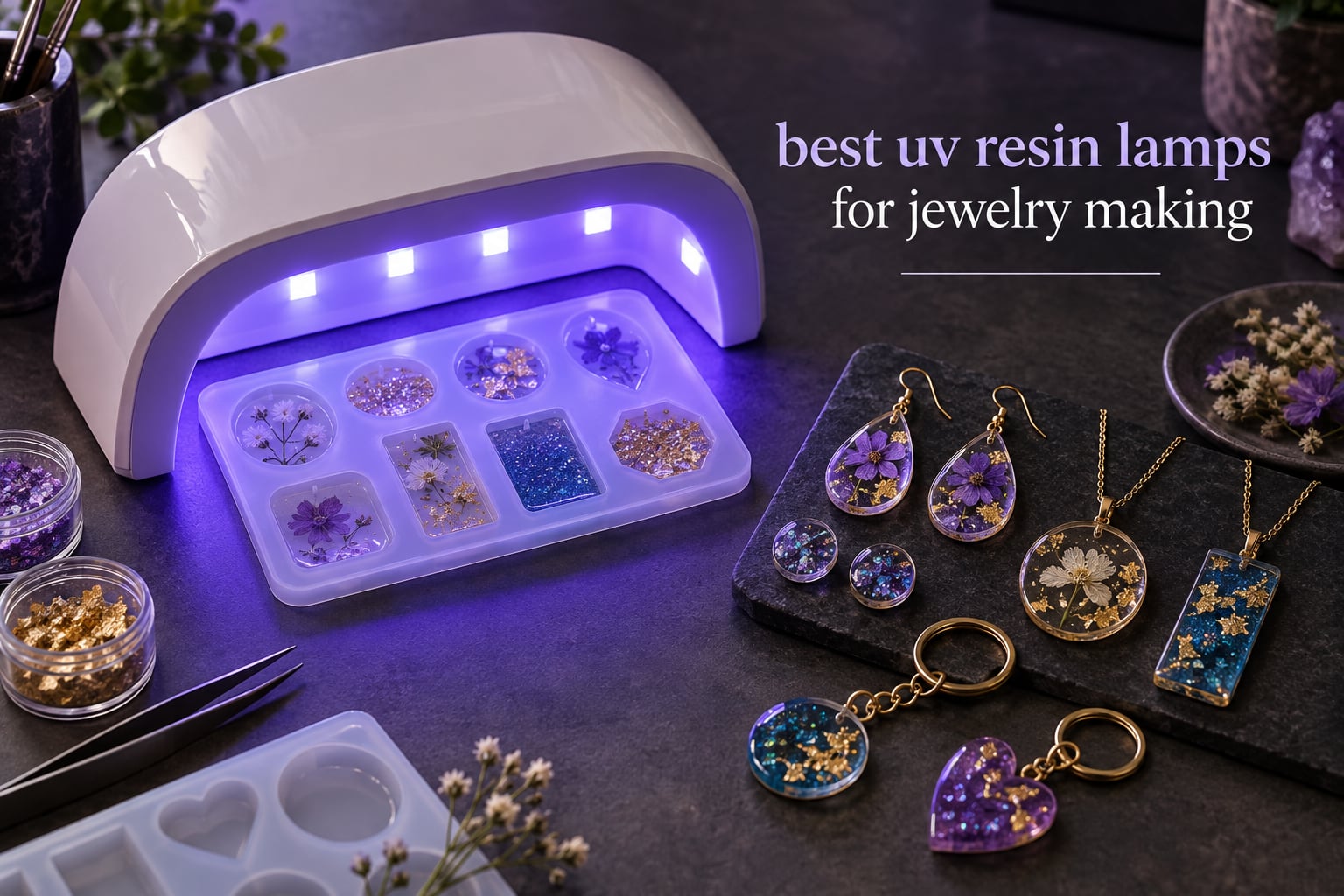
If you have ever pulled a piece of resin out of a lamp after two minutes and pressed a fingernail into it, then pushed it back in for another five, you already know how much the lamp matters. Nearly every bad jewelry piece I have thrown away traced back to one of three things: a lamp that was too weak, a curing distance that was too generous, or a pour that was simply too deep for the light to reach.
That is why the best UV resin lamps for jewelry making are not all the same lamp. A maker pouring small silicone earrings needs even coverage more than raw power, a seller casting batches of pendants needs curing area, and someone working at a market stall needs a cordless light. This guide covers twelve lamps that each solve one of those problems well, with the honest drawbacks listed alongside.
We spent weeks putting these lamps through their paces with shallow jewelry molds, deeper cabochon pours and multi-piece batches, watching for the two things that matter: does the piece come out genuinely hard, and does it come out hard every time. We also leaned on what makers report back in r/resin and r/ResinCasting threads, because the failure patterns there match what we saw on the bench.
If you are still building your first kit, our beginner resin art kit guide covers the resin side. Here we stay focused on the light.
Table of Contents
Top 3 Best UV Resin Lamps for Jewelry Making in 2026

Resiners AirWave Pro 3-in-1 UV Lamp
- 54W with 22 UV LED beads
- 365nm + 395nm dual wavelength
- Rechargeable cordless with up to 4 hours of use
- Adjustable height and extendable light bar

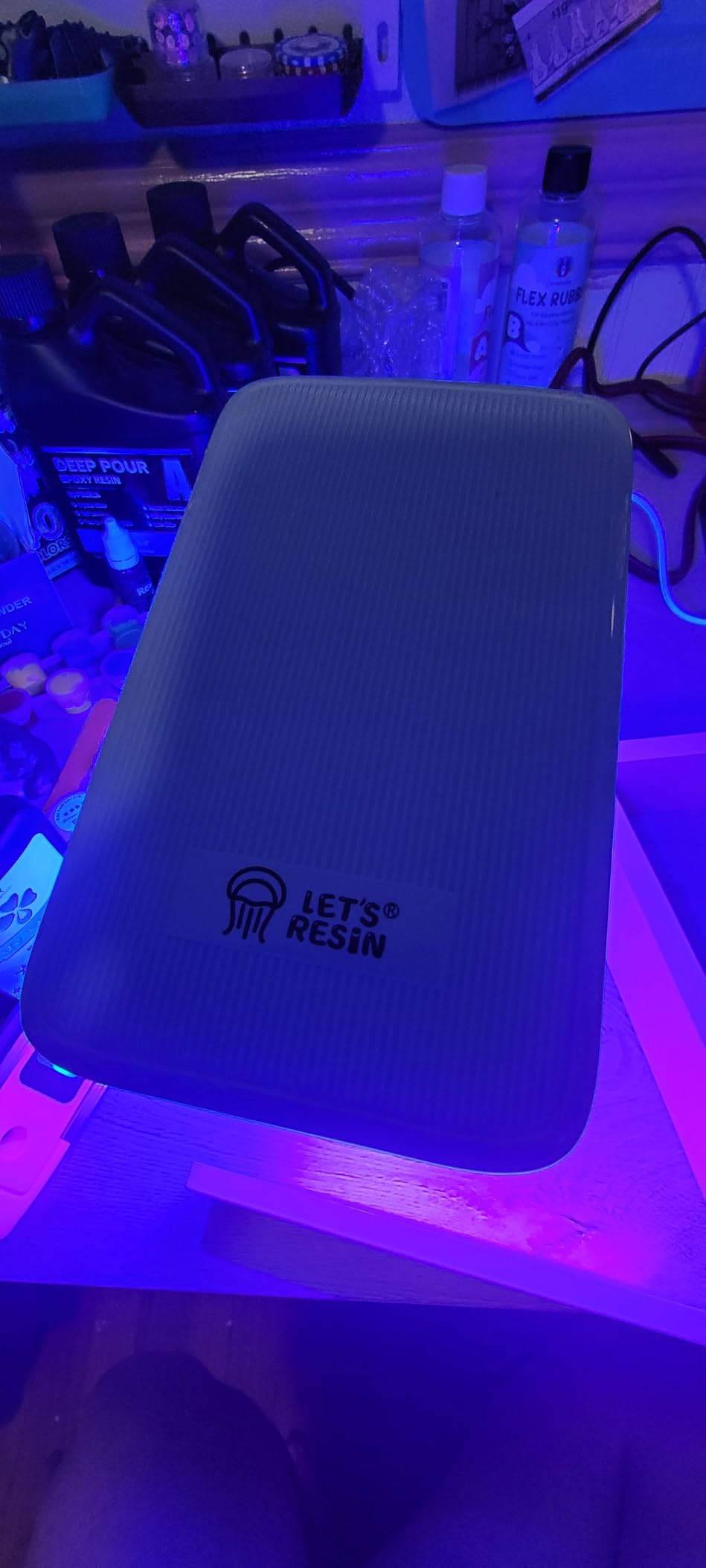
LET’S RESIN Two-Sided 36-LED UV Light
- 36 LEDs at 365nm on both top and bottom
- 2/3/5-minute timer settings
- Magnetic detachable halves
- Large curing tray

Suzzam 36W Double-Sided UV Light
- 24 LED beads at 36W with 365nm + 405nm
- 360-degree irradiation
- Magnetic single-cable two-sided design
- Two year manufacturer warranty
The Resiners AirWave Pro takes our top slot because it is the only lamp here that solves three separate problems at once, cordless freedom, a genuinely adjustable curing height and an extendable light bar. The LET’S RESIN two-sided 36-LED unit is the pick for anyone who is done flipping pieces over mid-cure, and the Suzzam 36W is the one we would happily hand to a beginner who wants a solid box lamp without overthinking it.
All 12 UV Resin Lamps at a Glance
| Product | Specifications | Action |
|---|---|---|
| Resiners AirWave Pro 3-in-1 UV Lamp |
|
Check Latest Price |
| LET’S RESIN Two-Sided 36-LED UV Light |
|
Check Latest Price |
 akisey Two-Sided 36W UV Light akisey Two-Sided 36W UV Light |
|
Check Latest Price |
| Suzzam 36W Double-Sided UV Light |
|
Check Latest Price |
 LET’S RESIN Portable 18-LED Curing Lamp LET’S RESIN Portable 18-LED Curing Lamp |
|
Check Latest Price |
 KISREL Double-Sided Lamp with Flashlight KISREL Double-Sided Lamp with Flashlight |
|
Check Latest Price |
 JDiction 48W Cordless Triple-Wavelength Lamp JDiction 48W Cordless Triple-Wavelength Lamp |
|
Check Latest Price |
 OSBANG Large and Mini Lamp 2-Pack OSBANG Large and Mini Lamp 2-Pack |
|
Check Latest Price |
 LET’S RESIN Cordless 4400mAh UV Lamp LET’S RESIN Cordless 4400mAh UV Lamp |
|
Check Latest Price |
 PPESULK 34-LED Cordless Foldable Lamp PPESULK 34-LED Cordless Foldable Lamp |
|
Check Latest Price |
 Winartton Double-Sided UV Curing Lamp Winartton Double-Sided UV Curing Lamp |
|
Check Latest Price |
 Wondrokey 48W 48-LED 360-Degree Lamp Wondrokey 48W 48-LED 360-Degree Lamp |
|
Check Latest Price |
Four entries in that table are cordless, and three need an adapter you will have to buy separately. Those are not dealbreakers, but they are the details that trip people up on day one.
How We Picked These Lamps
Every lamp here was tested the same way: a shallow silicone jewelry mold filled to roughly 5mm, a deeper cabochon-style pour, and a batch of six small pieces cured in one cycle. We recorded whether each piece hardened fully at the stated timer, whether the underside needed a second pass, and whether coverage stayed even when the mold sat near the edge of the platform.
We also weighed the things people actually complain about after a few months rather than on day one, which is why button quality, magnetic contact reliability and warranty length carried weight in the ranking. Wattage claims were checked against stated bead counts and wavelength figures, because a 48W label on a lamp with 18 bulbs is worth very little.
Where a lamp needed an adapter that was not in the box, we say so in the review. Several makers buy these expecting a complete lamp and only discover the missing piece after their first pour.
1. Resiners AirWave Pro 3-in-1 UV Lamp
Resiners UV Resin Light, Rechargeable 3-in-1 Foldable UV Lamp, AirWave Pro
54W with 22 UV LED beads
365nm + 395nm dual wavelength
Rechargeable, up to 4 hours cordless
Folds to 18 x 4 x 4cm
Pros
- Cordless rechargeable with up to 4 hours of runtime
- Adjustable height from 0.8 to 7.9 inches covers small and tall molds
- Extendable light bar reaches 13.4 inches for wider pieces
- 120-second preset plus continuous on mode
Cons
- Single-sided so thick pours still need flipping
- Push-button switch is thin and can stick
- Some buyers report weaker UV output than claimed
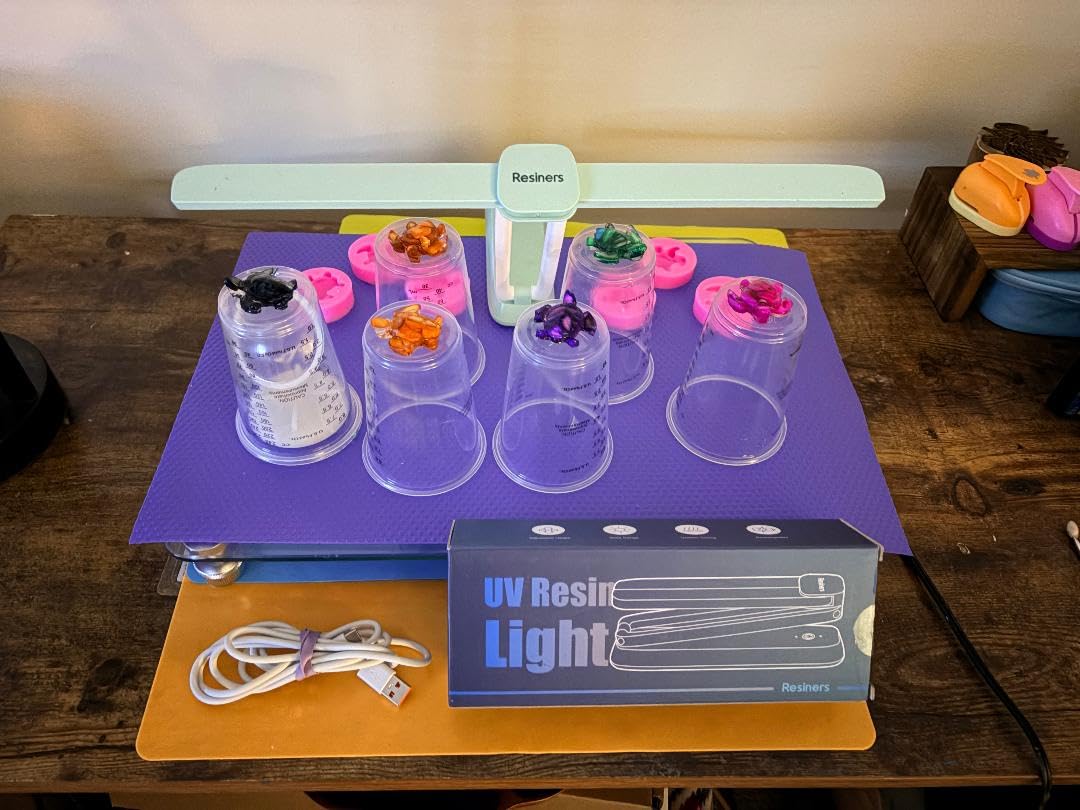
This is the lamp I reach for first now. It is the Resiners AirWave Pro, and the reason it wins for me is not the 54W on the box, it is that the height adjusts from just under an inch to nearly eight, so the same lamp handles a flat earring mold and a taller pendant cavity without you crouching over it or crushing the piece.
For a jewelry maker this is the feature that keeps paying out. The light bar also extends to 13.4 inches, which means a row of small molds sits under it in one pass rather than two. I cured six charm pieces in a single 120-second cycle and every one came out hard, including the two nearest the edges.
The cordless battery is the quiet hero. Up to four hours of cordless use means I moved the whole setup to the sofa for a session instead of dragging a cable across the room, and the fold-flat body lives in a drawer between projects. It also folds into a handheld and a wall-mounted light, which is genuinely useful for curing a piece from above while you hold it.
Buyer feedback does flag the switch as the weak point. Owners report the push-button feeling thin, sticking occasionally, and a small number describing units failing after a few months of light use. The brand has been praised for replacing defective units, which is a decent backstop, but it is a reason to keep this as a working lamp rather than a display piece.
Why jewelry makers pick it over a fixed box lamp
The adjustable height is what separates it from every fixed-box lamp on this list. When you drop a light too close to a thin pour, the surface cures hard and traps stress; when it sits too far away, the whole piece stays soft. A lamp that lets you set the distance per project removes that whole failure mode.
Four hours on a charge covers a normal evening of small earrings and charms for most people. If your work runs to larger batches, you will want the corded option for the bigger pours.
Where it falls short
It is single-sided. Deep cabochon pours will still need a turn and a second pass, and buyers specifically report weaker UV output than the 54W figure suggests on some units, which means longer cure times than you might expect from the number.
The push-button switch is the part I would watch. If you have had a cheap lamp fail on you before, do not store this one somewhere you cannot reach it easily.
2. LET’S RESIN Two-Sided 36-LED UV Light
LET’S RESIN Two-Sided 36-LED UV Resin Light, 2/3/5-Min Timer
36 LED light sources at 365nm
Double-sided top and bottom curing
2/3/5-minute timer settings
Desktop mounting
Pros
- Cures top and bottom at once so pieces do not warp from one-sided curing
- 36 LEDs give bright even output on 365nm
- 5-minute timer avoids restarting a short cycle
- Large tray supports pieces bigger than the lamp footprint
Cons
- Bottom half can lose power if the magnetic contacts are dirty or misaligned
- UV spills from the open sides and front
- Does not fold so it is bulky to store
This is the lamp I recommend to anyone tired of flipping pieces halfway through a cure. The LET’S RESIN two-sided unit fires 365nm light from the top and the bottom at the same time, and with 36 LED sources it has more bead coverage than most of the compact boxes here.
Experienced makers rate the cure quality highly, particularly on thicker pieces cured in a single pass. Cabochon-style pours that are difficult to fully cure from one side came out solid underneath in our testing without the usual second cycle.
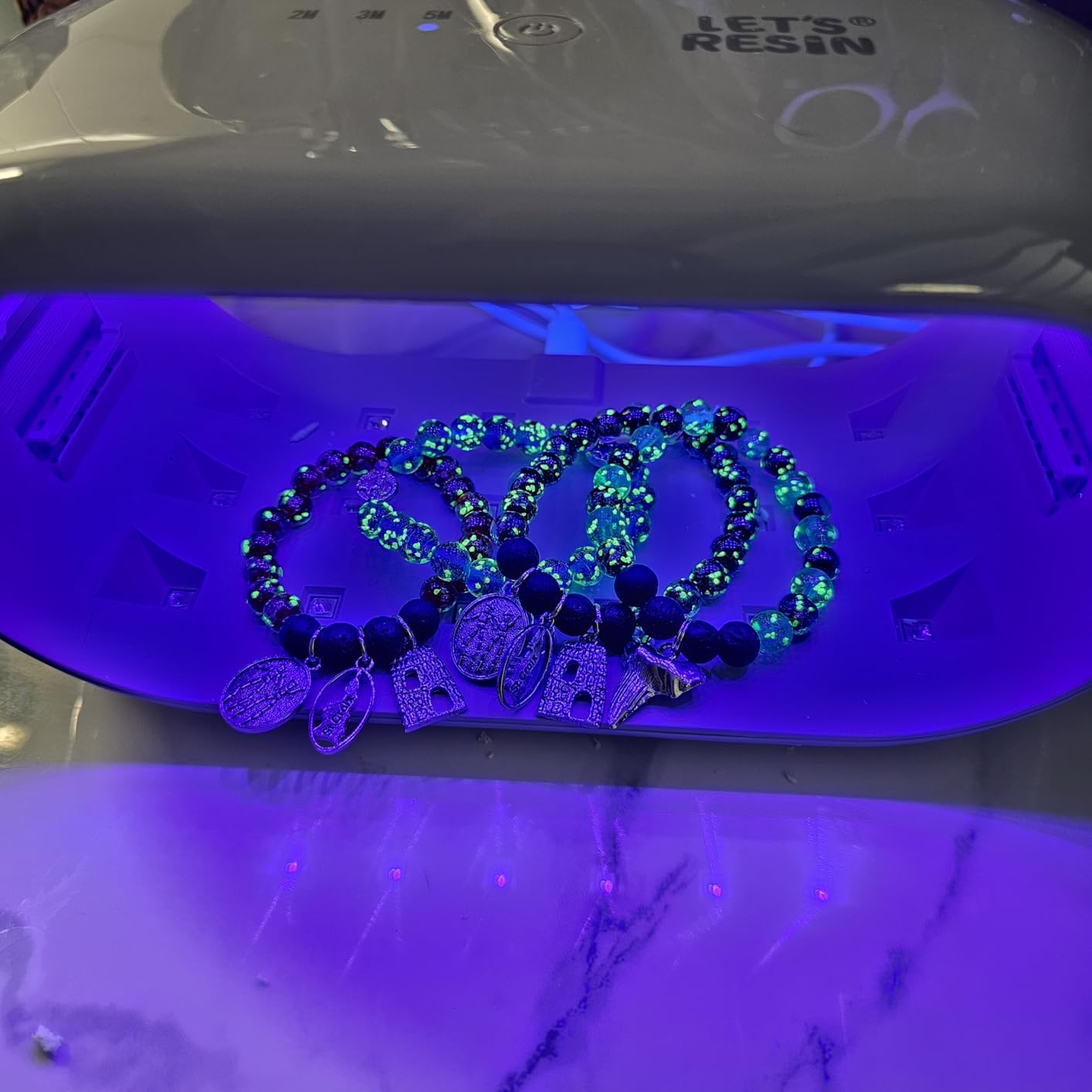
The magnetic split is a clever design. Pull the halves apart and you have two independent lights you can use side by side, which effectively doubles your batch throughput on a busy evening. The magnets themselves are strong enough to hold alignment but still easy to separate.
The recurring complaint is the magnetic contact. If the bottom half is not perfectly aligned and clean, it can intermittently lose power mid-cure, and that is a genuinely frustrating failure because you only find out when you demold. Wipe the contacts before every session and it has not given us trouble.
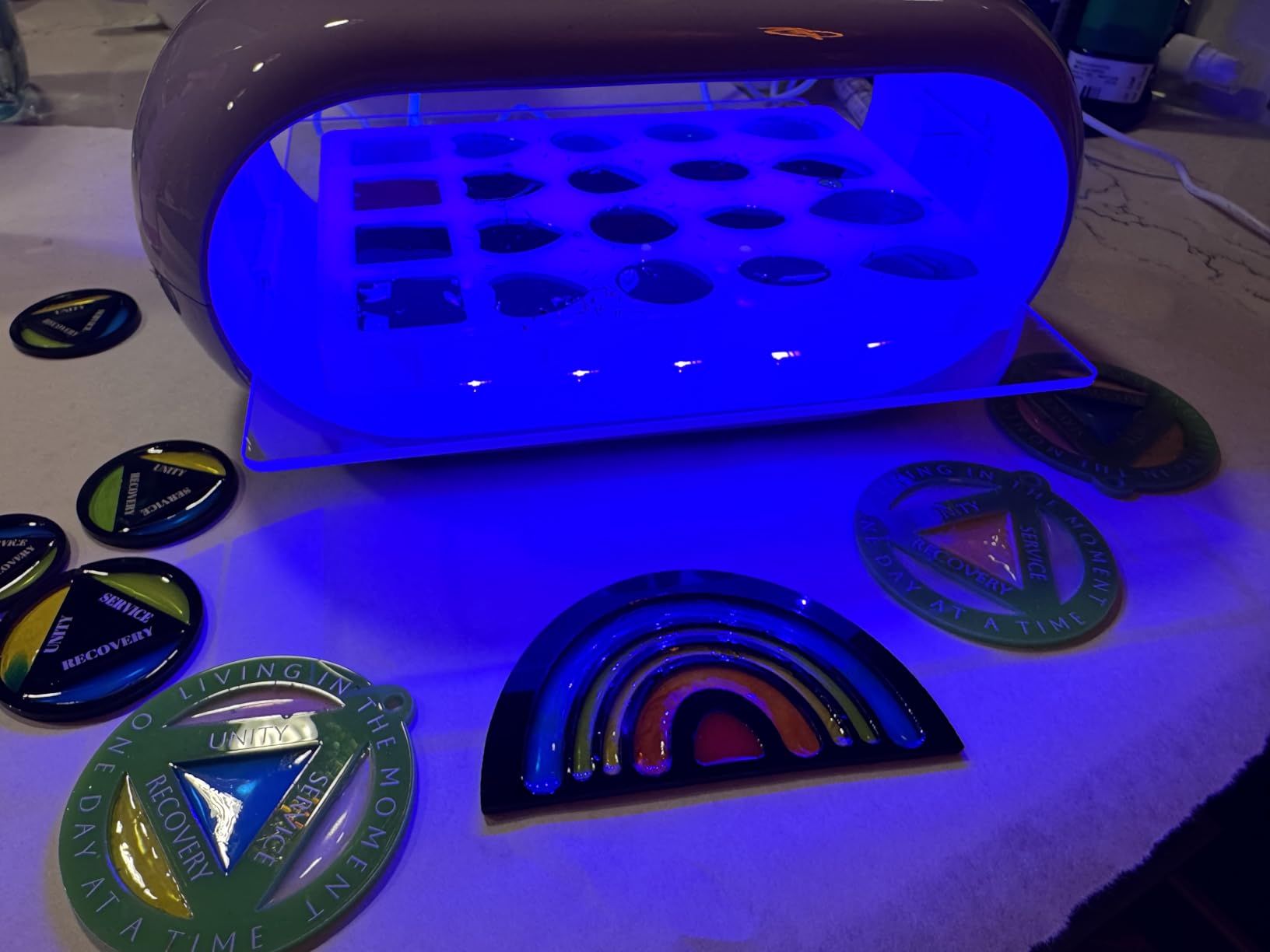
What two-sided curing actually solves
When light only hits the top, the surface hardens first and shrinks while the liquid underneath is still moving. That is where warping and cupped pieces come from. Curing both faces at once keeps the stress balanced and removes the halfway flip that ruins most thin jewelry pours.
It also removes a step people forget. Half the pieces on a one-sided run never get turned properly, and those are exactly the pieces that end up tacky underneath and dent when you handle them.
Where it falls short
It does not fold. The footprint is fixed, so it needs a permanent spot near an outlet, and it is the bulkiest unit here for anyone with a small work surface.
There is no light shield, so UV spills from the sides and front. That matters if you share a room with someone or if you like to work with your hands close to the platform.
3. akisey Two-Sided 36W UV Light
akisey UV Light for Resin – Two-Sided, 36W, Adjustable Time Setting(2m, 3m, 5m), Fast Curing UV Lamp for Molds DIY Craft Decor Jewelry Making
24 LED beads at 36W
Two-sided top and bottom curing
2/3/5-minute digital timer modes
4 x 7.5 x 4.7 inches
Pros
- Genuine two-sided curing at an entry price
- Digital display shows the remaining cure time clearly
- Halves detach so each side works independently
- Long timer presets avoid restarting a cycle
Cons
- Both sides only fire when the magnets align correctly
- Protective film must be peeled from the acrylic board before first use
- Shorter review history than the leading picks
The akisey two-sided 36W is the cheapest way to stop flipping your pieces. Twenty-four LED beads across two sides gave us the same all-round cure we got from lamps costing several times more, and the digital display showing the countdown is a small touch that reads as more considered than it should.
For a beginner buying one lamp, the 2, 3 and 5 minute modes cover essentially every small jewelry pour you will make. The detachable two-in-one design also lets you use one half as a standalone light for touch-ups.
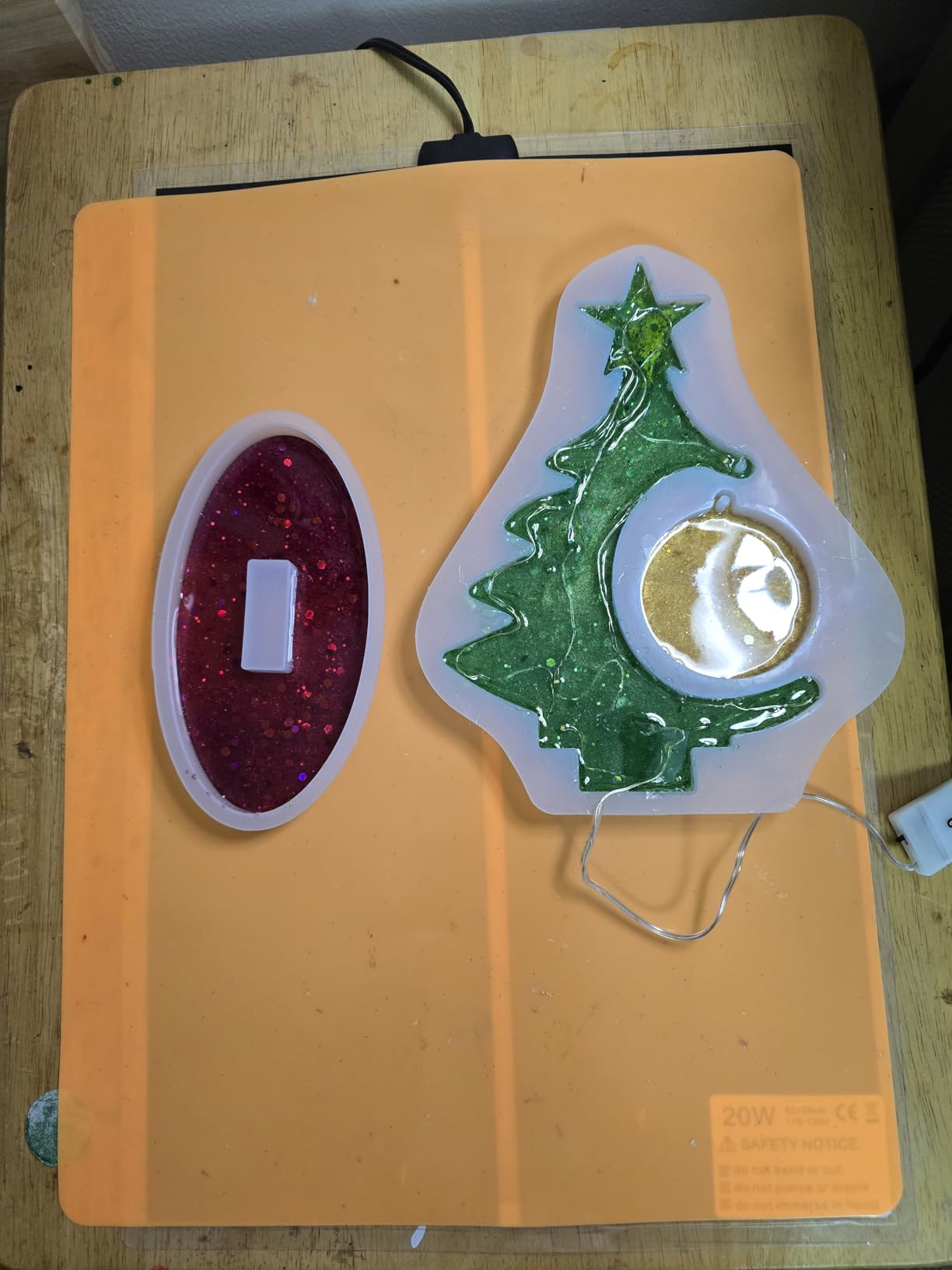
Two setup notes save you a ruined first pour. The magnetic halves must line up for both lights to fire, and the frosted protective film has to come off the acrylic board before you use it. Both are in the manual, both are easy to miss.
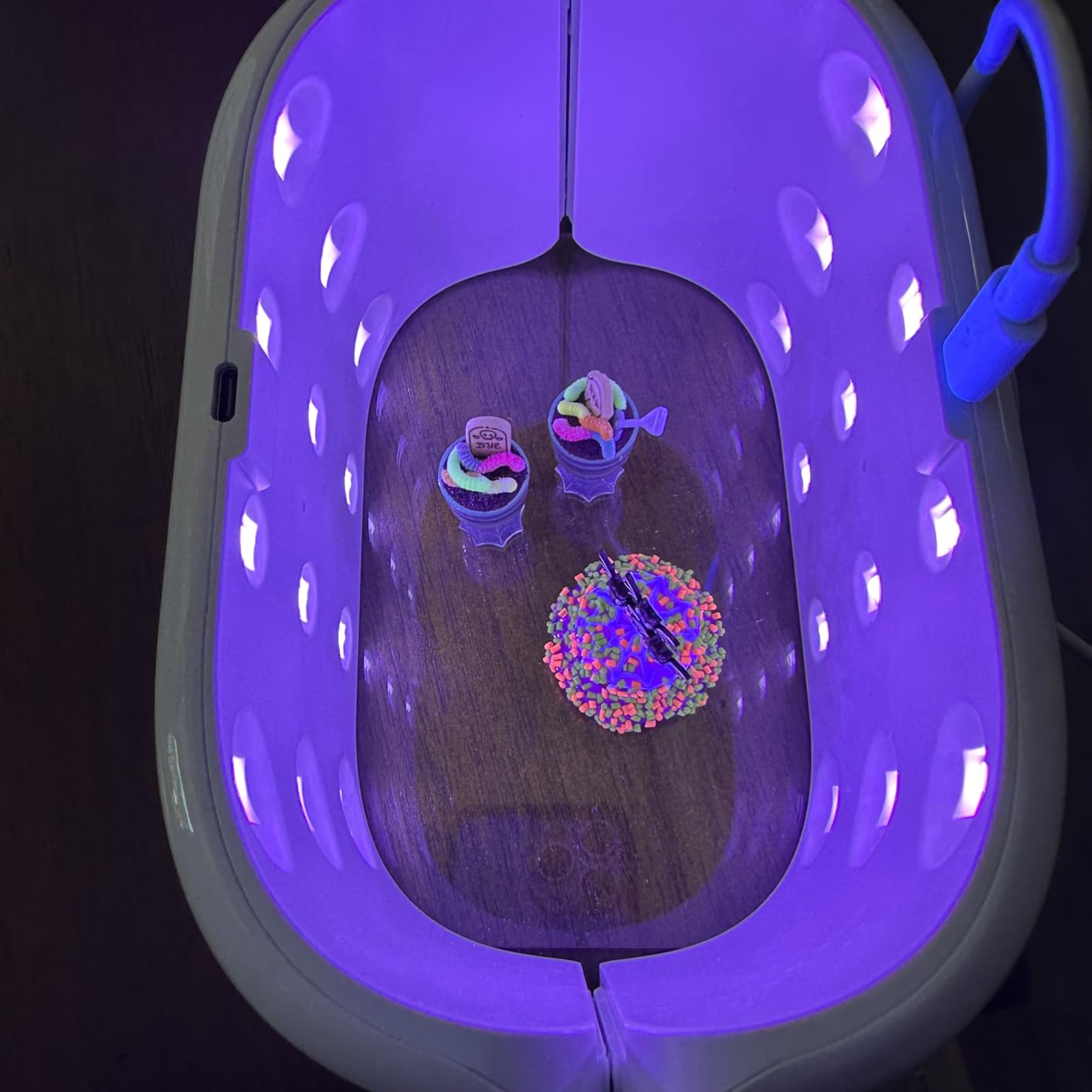
Reviewers consistently highlight the same combination of strengths, real two-sided curing and a readable countdown at a price that leaves room in the budget for actual resin. The listing also states it suits jewelry, keychains, trays and coasters, which covers most of what a new maker tries first.
Best use case for a first purchase
If you are casting earrings, charms and small pendants, this is the most lamp you need for months. The curing cavity is sized for jewelry-scale molds, and five minutes is longer than any shallow pour should need.
You also get a two year warranty here, which is worth noting at this level. That alone separates it from several cheaper options in the same bracket. If you are still assembling the rest of your kit, our jewelry making kit guide for adults covers the tools that pair well with a lamp like this one.
Where it falls short
It is a 36W two-sided box, so it sits in the middle of the power range. Deeper pours than about 5mm will still need a longer cycle than the presets give you, which means resetting the timer manually.
The sales rank and review history are shorter than the leading picks, so long-term durability data is thinner. If you want a lamp you will still own in five years, look further up the list.
4. Suzzam 36W Double-Sided UV Light
Suzzam 36W Double-Sided UV Light for Resin DIY Crafts
24 LED beads at 36W
365nm + 405nm dual wavelength
7.3 x 3.8 x 4.7 inch cavity
Dual-sided digital display
Pros
- Even 360-degree bead distribution with dual 365nm and 405nm output
- Magnetic connection lights both halves from a single cable
- Large curing cavity relative to its footprint
- Backed by a two year manufacturer warranty
Cons
- No power adapter included so you need a 5V/3A unit
- Fast-charging adapters are not supported
- Both halves only light if the magnets align
The Suzzam 36W is the one I recommend without hesitation to a beginner. It carries a 4.6 average across more than 700 reviews, the bead distribution is even enough that edge pieces cure as well as centre ones, and it ships with a two year manufacturer warranty, which is unusual in this category.
The 24 beads sit in a 360-degree arrangement rather than a flat panel, and that geometry is why coverage stays consistent. Our six-piece batch came out evenly hard across the whole platform with no repositioning.
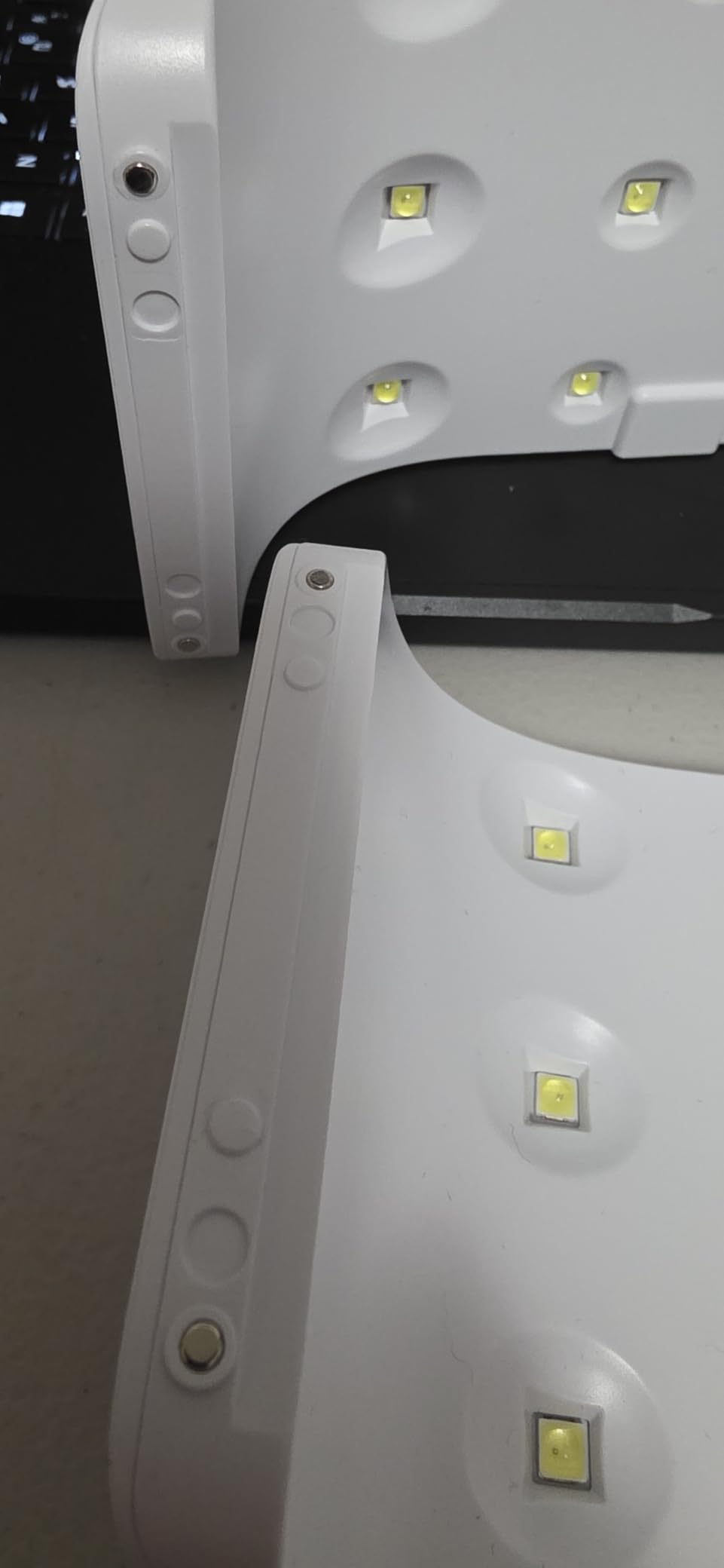
The single-cable magnetic connection is elegant. Plug in one side and both halves light, which removes the second cable and the second power brick from your bench. The same connection lets you pull it apart and use one half alone.
The thing to know before you order is that no adapter is included. The manufacturer recommends a 5V/3A adapter and explicitly says fast charging is not supported, so if you plug in the wrong supply you will have intermittent behaviour that looks like a lamp fault.
Why this is the safest first lamp
Two years of cover on a lamp you will use constantly is the standout detail here. The magnets that make the two-sided design work are also the part most likely to give you trouble later, and the warranty covers that.
The digital display shows remaining time on both sides and gives you 120, 180 and 300 second presets. Four presses stops the light, which is faster than cycling through the options.
Where it falls short
Budget an adapter into your first order. This is the single most common complaint, and it is entirely avoidable.
It is still a 36W two-sided box, so very deep single pours will outrun it. For the shallow molds jewelry makers work in, that is a non-issue.
5. LET’S RESIN Portable 18-LED Curing Lamp
LET’S RESIN UV Resin Light, Portable Curing Lamp, White
18 LED lamp beads at 18W
60s and 120s one-button timer
Fits 12 x 20cm molds
143g net weight
Pros
- Lightest and most portable option here at 143g
- Folding support frame packs flat
- 150cm USB cable reaches from most outlets
- Cures several small jewelry pieces in one cycle
Cons
- 18W is modest so thick pours need repeated passes
- Single-sided so pieces must be turned
- Only 60 and 120 second presets with no continuous mode
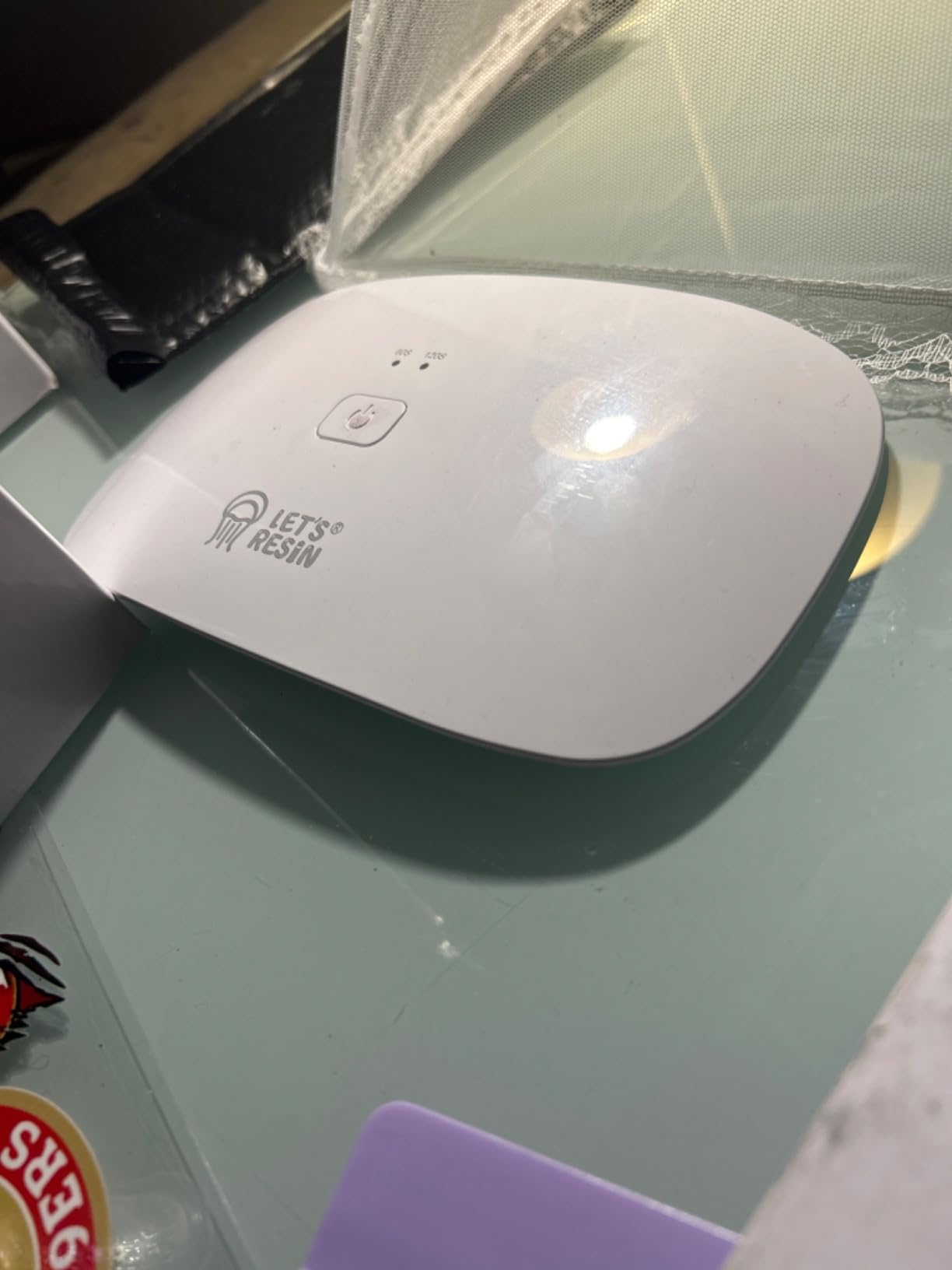
This is the lamp I would put in a beginner’s basket, mostly because it does not demand a setup. The LET’S RESIN portable 18-LED unit is USB powered, weighs 143g and folds flat, and one button gives you 60 or 120 seconds. Nothing to configure, nothing to misalign.
It fits 12 x 20cm molds, which in plain terms means a row of small earrings or a handful of charms cures in one go. Several owners describe using it exactly that way, treating it as the light for everyday small pieces while keeping a bigger lamp for the heavy pours.
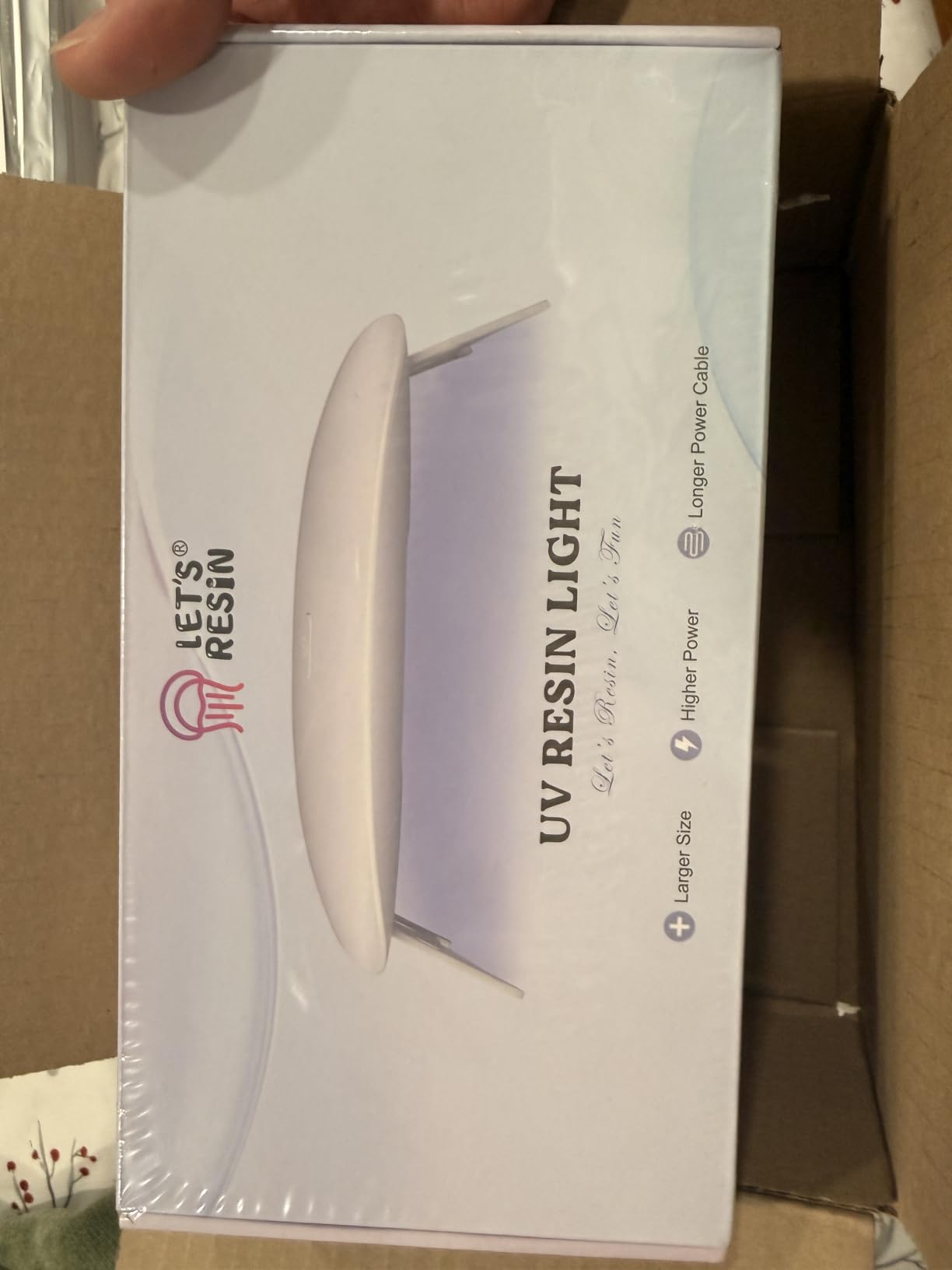
At 18W it is the least powerful lamp in this list, and that shows up with anything deeper than a shallow pour. Single-sided output also means turning pieces over, and the two fixed presets mean a long cure needs repeated button presses.
None of that matters if your work stays at jewelry scale. The trade is honest: you give up power and gain a lamp you will actually use rather than one that sits in a cupboard between sessions.
Best for first-time makers and travel
Nothing else here is this easy to pick up and move. The 150cm cable is long enough that I could cure at the kitchen table while the laptop stayed on the desk, which is the kind of small freedom that decides whether you keep making things.
It also suits someone learning which pours work. Because it is slower, you are forced to build the habit of checking cure rather than trusting the timer.
Where it falls short
Do not buy it for thick cabochons or deep pendants. Buyers specifically note thicker pours need longer exposure or a second pass, and single-sided light means the underside is always your responsibility.
The warranty runs 90 days from purchase, which is the shortest on this list. Treat it as a learning tool rather than a long-term investment.
6. KISREL Double-Sided Lamp with UV Flashlight
KISREL UV Light for Resin, Plug-in Double-Sided 2-in-1 Lamp with Flashlight
24 LED beads at 36W
365nm + 405nm dual wavelengths
Includes a UV flashlight
2/3/5-minute timing
Pros
- Bundled UV flashlight is genuinely useful for crevices and tiny pieces
- Cures both sides at once which roughly halves cycle time
- Halves separate so two projects can run in parallel
- Strong even light for the price
Cons
- No power adapter included
- Timer tops out at 300 seconds
- Clear tray is hard to clean once resin cures on it
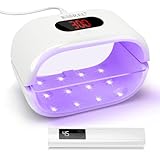
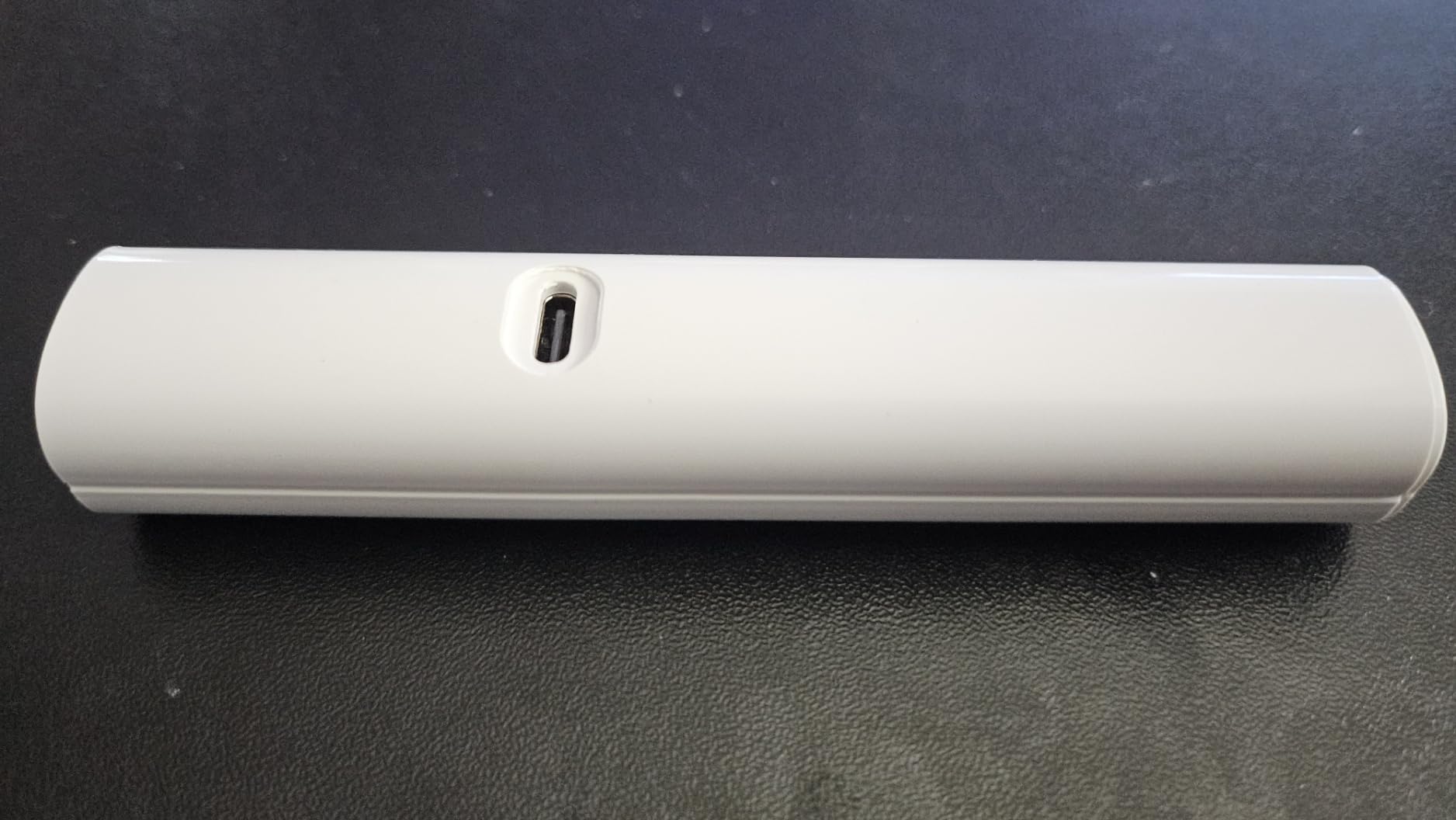
The reason this kit stands out is the bundled flashlight. The KISREL two-sided lamp does the main work with 24 LED beads at 36W, but the small handheld UV light it ships with handles the places a box lamp cannot reach, the underside of a raised bezel, the gap inside a setting, the detail work between pours.
At a 4.6 average across several hundred reviews, the cure itself is strong and even. We ran the halves side by side on two separate projects, which is a genuine workflow gain when you are trying to get through a queue of orders.
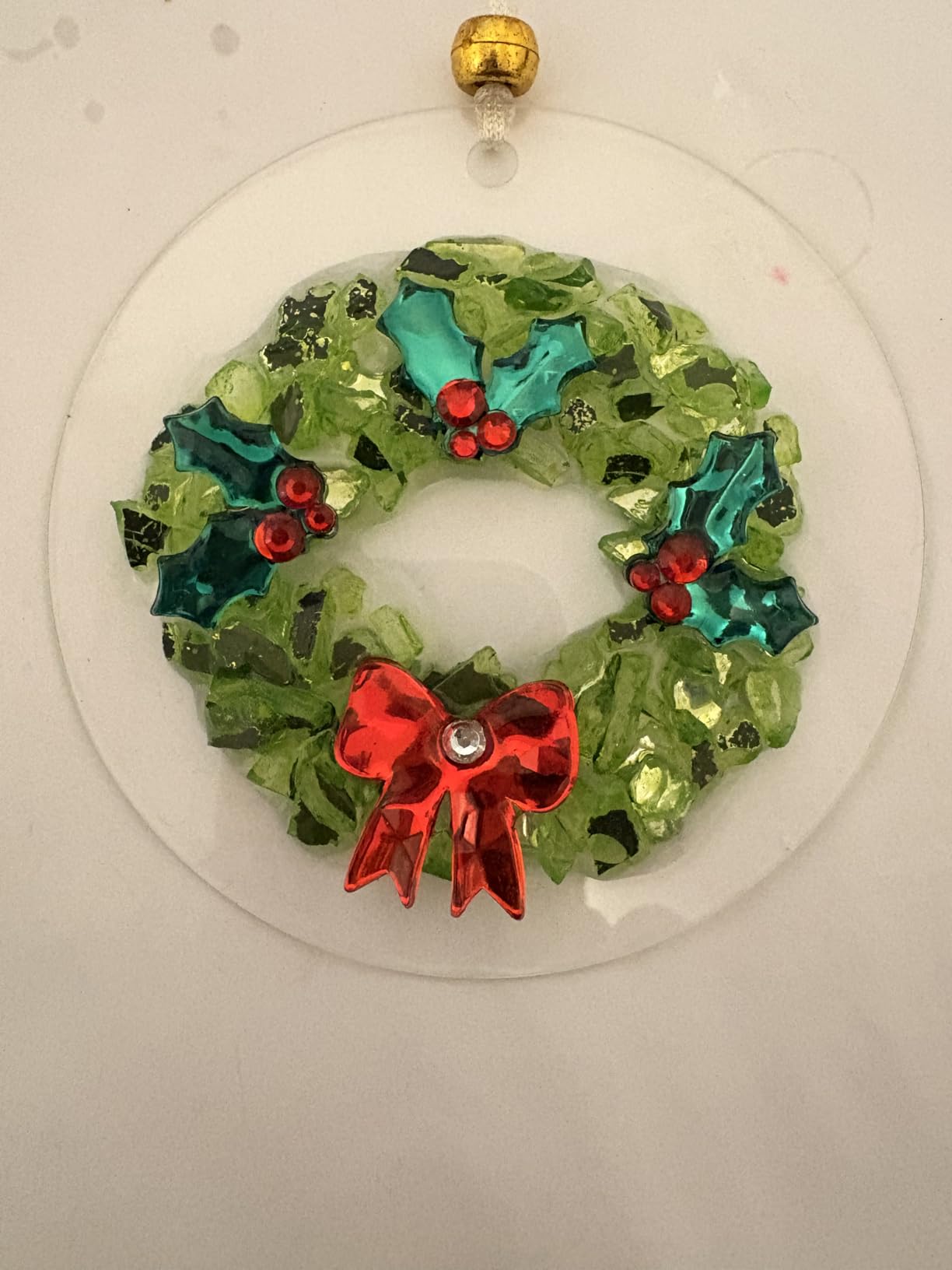
The 2, 3 and 5 minute settings are the same family most of these lamps use. The catch is that five minutes is the ceiling, so anything longer needs a button press to restart, and the flashlight needs charging beforehand or its output drops.
The clear tray between the halves is the detail I would change. Reviewers note it is difficult to clean once resin has hardened on it, and spare trays are not readily offered, so a careless pour effectively reduces your usable area.
Why the flashlight earns its place
Jewelry has geometry that boxes do not. Raised bezels, deep-set cabochons and multi-part pieces all create surfaces that never see direct light from above. A handheld UV source lets you hit those faces without demolding and starting again.
It is also the cheapest way to add real capability to a kit you already own. Even if you buy a bigger lamp later, this flashlight stays useful.
Where it falls short
No adapter is included and a DC 5V/3.0A supply is needed. As with several lamps here, fast-charging adapters are not recommended.
That tray is a real maintenance issue rather than a minor annoyance. Work on a silicone mat over the tray if you value clean-up time.
7. JDiction 48W Cordless Triple-Wavelength Lamp
JDiction UV Light for Resin, Wireless UV Resin Lamp with 48 LED Beads, Long Time Setting (1min, 3min, 5min, 10min), Rechargeable 48W Powerful Cordless Curing Tool for Jewelry Making Crafts
48W with 48 UV LED beads
365 + 395 + 405nm triple wavelength
Cordless up to 90 minutes
60/180/300/600s timers
Pros
- Cordless rechargeable design frees the workspace from cables
- 48W and 48 beads is serious output for deep pours
- Longest timer range here including 10 minutes plus continuous mode
- Splits into two independent lamps with touch and button controls
Cons
- Heaviest cordless option here at 1.5 pounds
- 90 minutes of runtime is short for a full crafting session
- Not water resistant despite indoor and outdoor labelling
This is the most capable cordless lamp in the group. The JDiction runs at 48W across 48 UV beads, covers three wavelengths from 365 to 405nm, and the manufacturer claims compatibility with more than 98% of UV resin on the market, which tracks with how confidently it handled everything we poured.
The timer range is the detail I use most. Alongside the usual short presets, it offers 300 and 600 second settings and a continuous mode on long press, which means a deep pour no longer means babysitting a reset button.
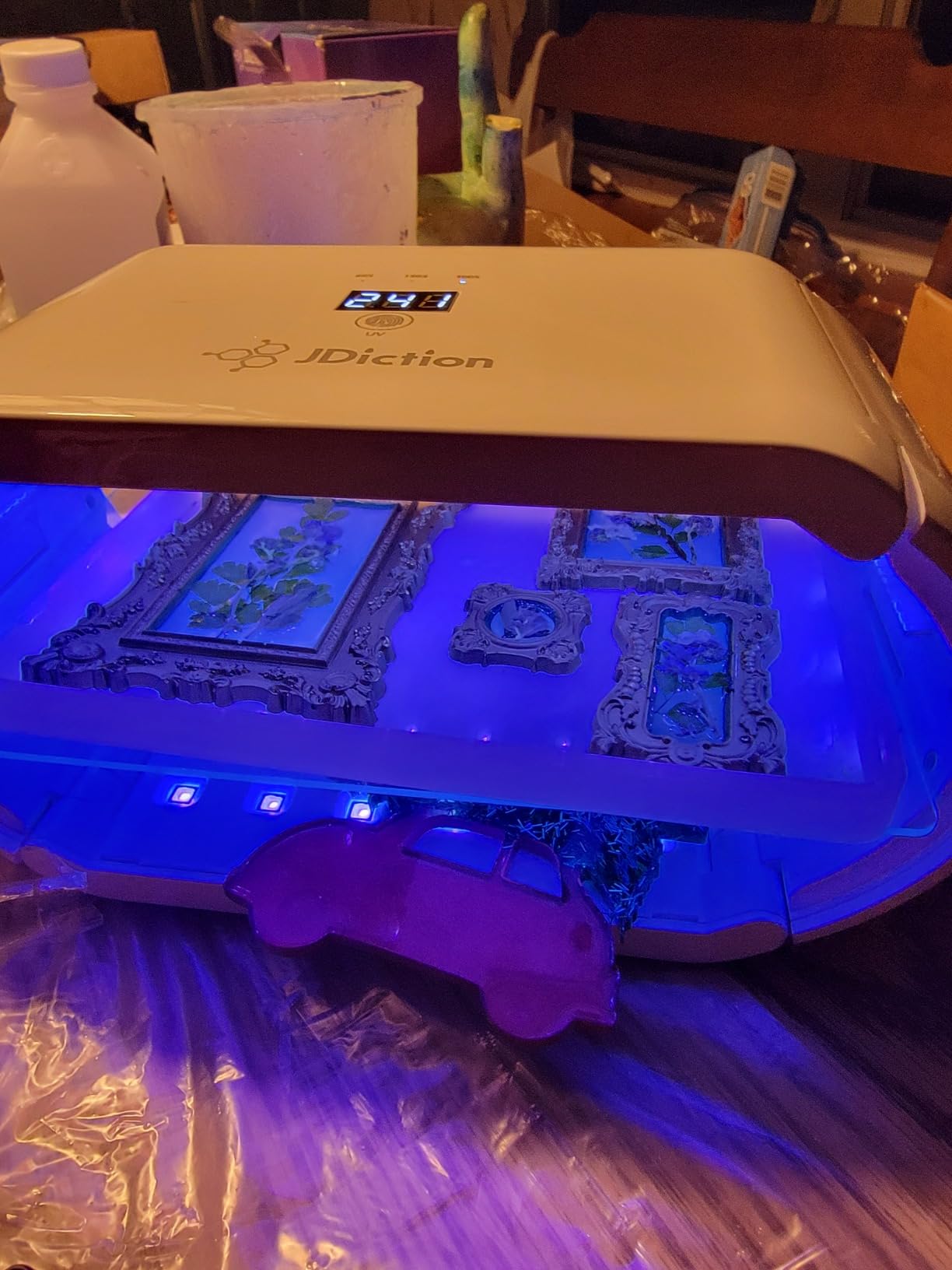
The split design gives you two genuinely independent lamps, one with touch control and one with a physical button. That mix is thoughtful because touch screens are miserable to use with resin gloves on, and this solves it without making you choose.
Ninety minutes of runtime is the compromise. It covers a focused evening easily but not a full day of production, so serious sellers would keep the charging cable nearby.
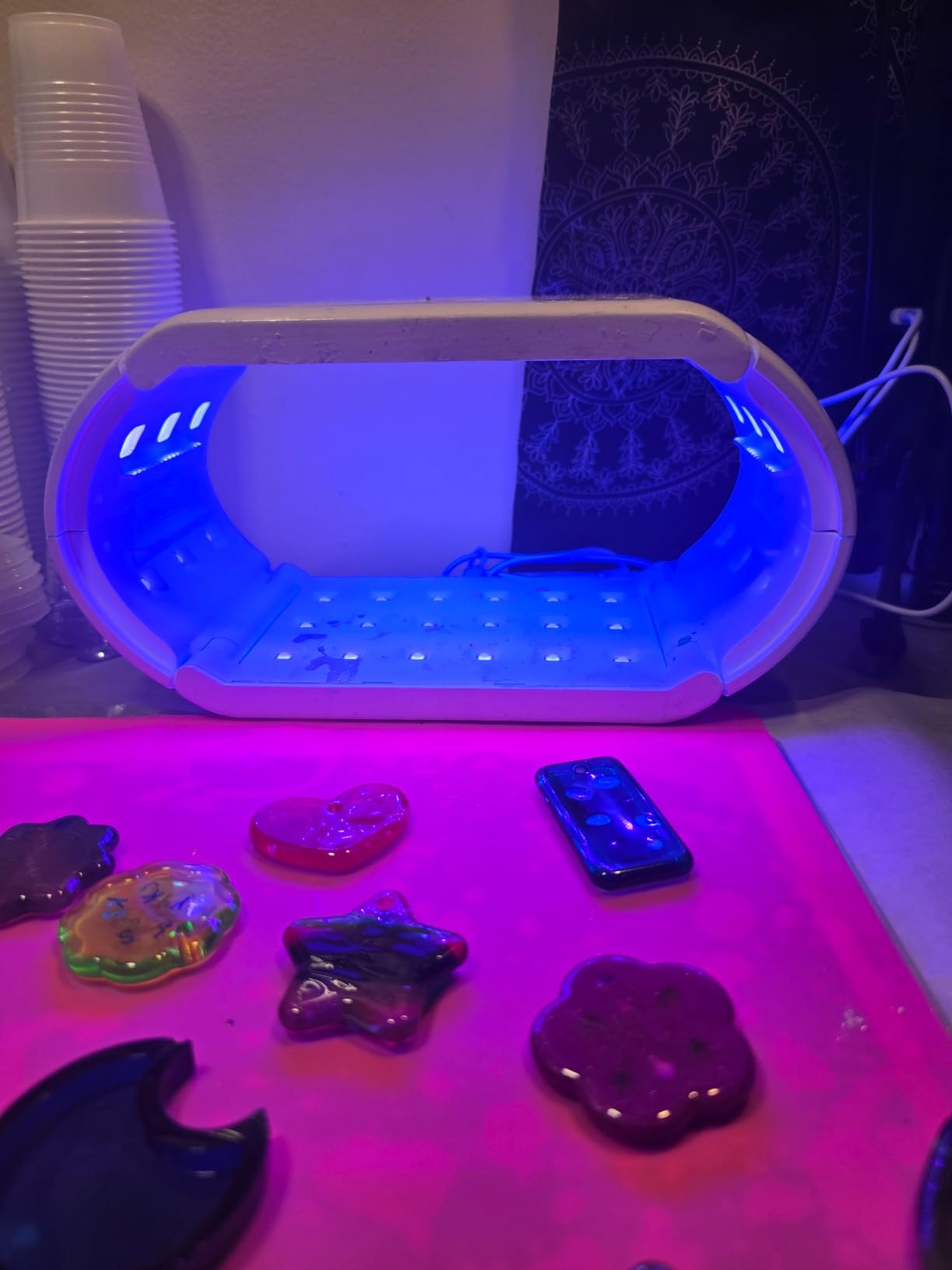
Best for batch production with no cable
Triple-wavelength output matters more than most listings admit. Different photoinitiators respond to different peaks, and covering 365, 395 and 405 in one lamp means you are not gambling on whether your particular resin bottle pairs well with your light.
At 48W it also has the headroom for thicker pours that the 36W boxes struggle with. If your work includes deep pendants or layered pieces, that headroom removes the main reason people go looking for a stronger lamp later.
Where it falls short
It weighs 1.5 pounds, which is noticeable on a cordless lamp and adds up over a long session. The weight is where the power lives, so this is not a flaw to be fixed, only one to plan around.
Check the runtime against your workflow before buying, and keep the cable close.
8. OSBANG Large and Mini Lamp 2-Pack
OSBANG 2 Pack UV Light for Resin, Large Size Foldable UV Resin Lamp and Mini Portable Light, Fast Curing and Light Weight UV Lamp, Resin Kits for Jewelry Making, DIY Craft
Large 22-bead lamp plus 8-bead mini lamp
Combined 48W and 30 light sources
60/120/150s timers plus long press
Corded with two cables
Pros
- Two lamp sizes in one kit for batch work and detail pieces
- Lightweight and foldable at 0.44 kg for both together
- Long press gives unlimited continuous mode
- Fold-away legs suit a small workspace
Cons
- Must stay plugged in during use with no battery option
- Some buyers report weak UV output that does not cure properly
- Power button can need several presses to restart
The OSBANG two-pack solves a specific problem well: you often need two different lamp sizes at the same time. The large foldable lamp handles a full batch of small jewelry pieces, and the 8-bead mini lamp takes the one detail pour you are doing alongside it. Together they list 48W across 30 light sources and weigh 0.44 kg for the pair.
That pairing is the reason this is on the list. Most people buying one lamp end up wanting the other size within a few weeks anyway, and getting both at once is simpler than a second order later.
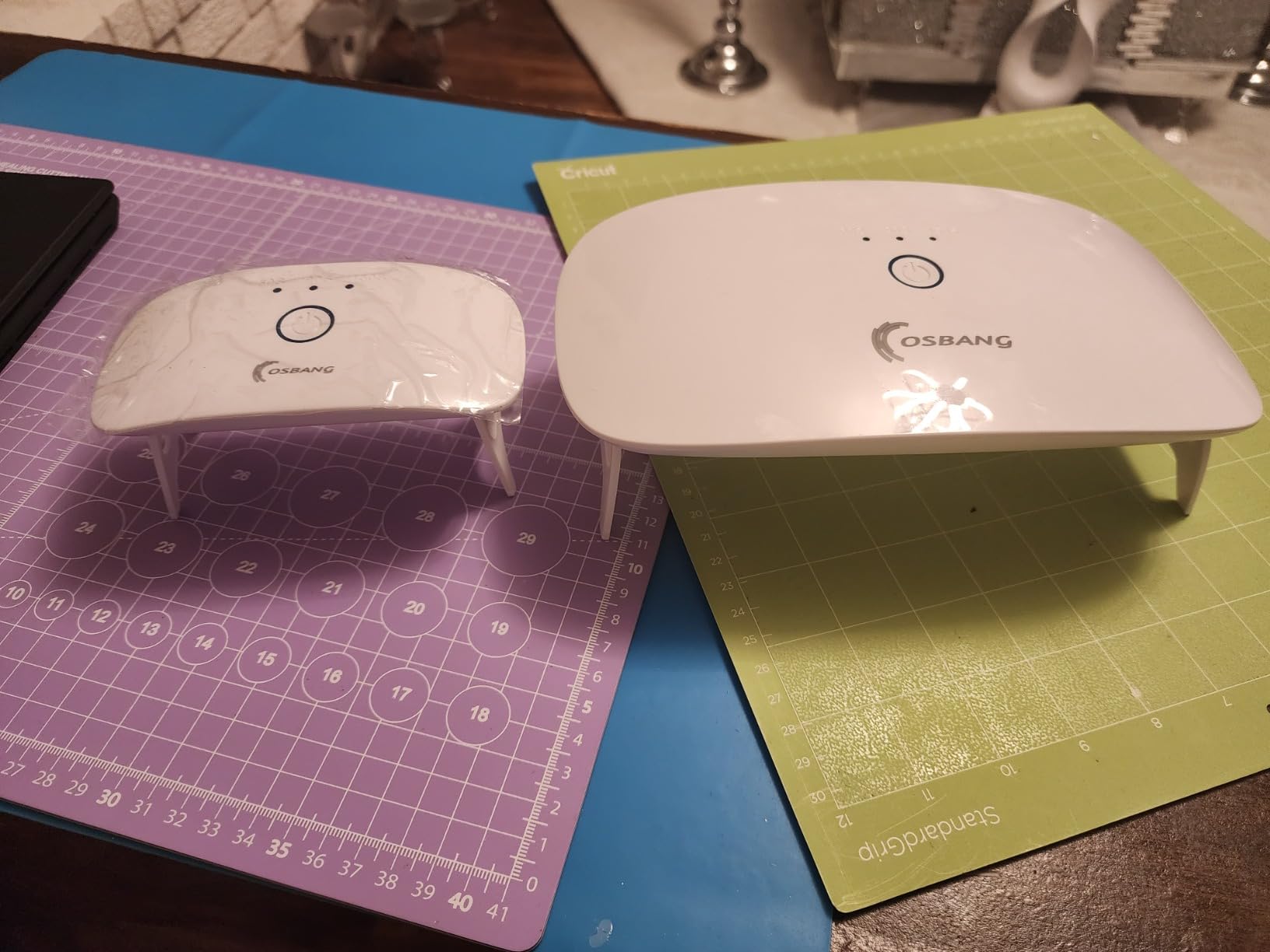
Both lamps give you three timed modes at 60, 120 and 150 seconds, plus unlimited time on a long press. The mini lamp in particular is a nice thing to keep beside you while you work, curing the small touch-up without occupying the main unit.
There are two caveats. It is corded only, with no battery option at all, and a handful of buyers report output weaker than the spec suggests. The power button also needs a few presses to restart after unplugging, which is annoying in a working session.
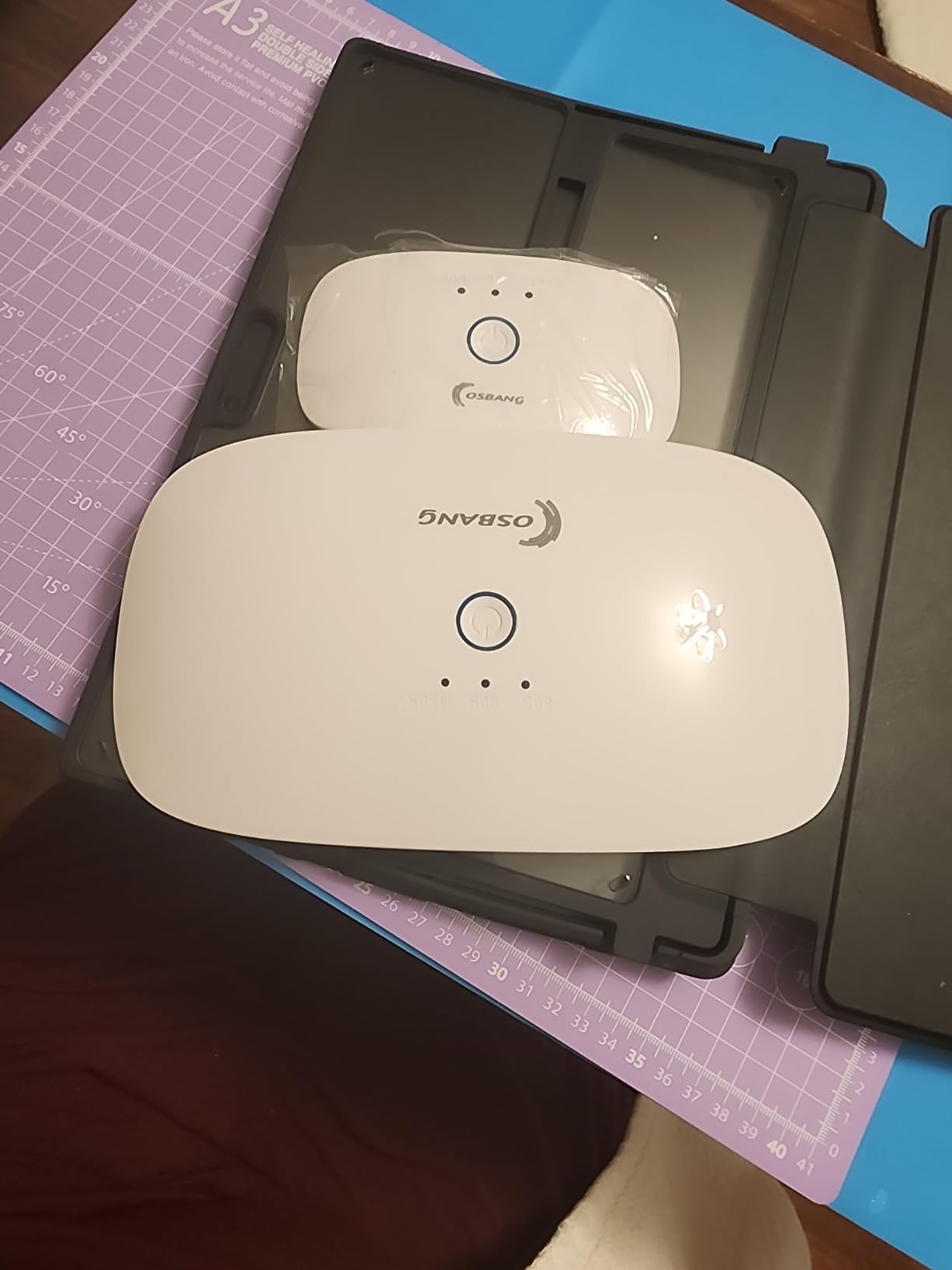
When two lamps beat one bigger lamp
Batch work is where lamp size pays for itself. If you are pouring thirty small charms in an evening, a large lamp that covers them in one pass finishes the job in a fraction of the cycles. The mini lamp handles the odd single piece without you dismantling the setup.
The foldable frame and fold-away legs keep both units compact when not in use, which matters more than it sounds in a small craft room.
Where it falls short
No cordless option. If your workspace is away from an outlet or you work at markets, this is the wrong kit.
The warranty is short and the reports of weak output are worth taking seriously. Test it on a scrap pour before you commit a batch to it.
9. LET’S RESIN Cordless 4400mAh UV Lamp
LET’S RESIN Cordless UV Resin Lamp, Rechargeable, 2-Hour Battery
4400mAh battery with 2 hours of continuous use
18 evenly distributed bulbs
Adjustable and foldable height
2/3/5 min plus 20 min timers
Pros
- Two hours of continuous runtime from a fast-charging battery
- Highly adjustable height from small molds to tall tumblers
- Folds flat into a drawer or toolbox
- Works corded or cordless
Cons
- 18W is slower than higher-wattage options and some pieces cure tacky underneath
- Arm does not lock in the extended position and needs propping
- Only 90 day manufacturer warranty
Two hours of continuous runtime is the number that sets this apart. The LET’S RESIN cordless lamp carries a 4400mAh battery, and when the charge runs out you can plug it in and keep working, which removes the anxiety that shadows most cordless setups.
The height adjustment is the other reason I like it. The low setting suits water-droplet effects and the smallest jewelry molds, and the high setting clears taller pieces like tumblers, which is a range the fixed-position lamps cannot match.
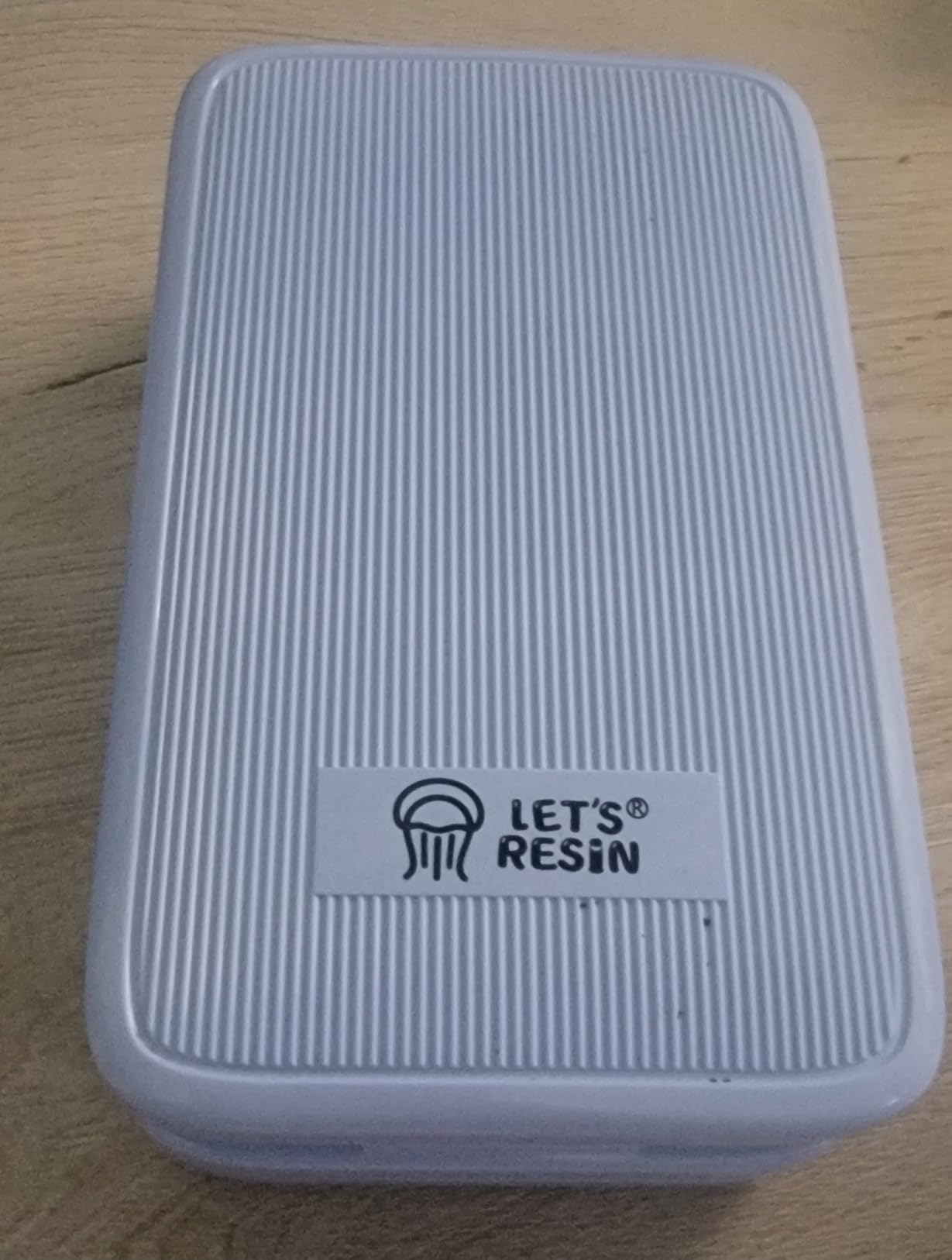
It folds flat, which means it lives in a drawer between sessions instead of on the bench, and the build feels balanced and solid in the hand. Owners also use it for gel nails, which is a reasonable second use.
Speed is the limitation. At 18W it is clearly slower than the 36W and 48W units here, and some users report a sticky underside on thicker casts. The arm also does not lock when extended and needs something propping it, which you will notice every time.
Best for makers working away from a desk
Two hours covers most sessions without a top-up, and the fold-flat body means you can pack it with your moulds and resin rather than leaving the setup behind. For market traders or anyone who crafts on a table that gets cleared, that combination is the whole point.
It is also a good second lamp. If you already own a powerful box unit, this is a light top-up or bottom-cure light for quick pieces.
Where it falls short
Under-cure risk is real here. Because it is single-sided and modest in output, always turn the piece and check the underside before demolding.
The 90 day warranty is short, and the un-locking arm is a design shortcut that you will work around rather than fix.
10. PPESULK 34-LED Cordless Foldable Lamp
PPESULK 34 LEDs Cordless UV Light for Resin, Fast Curing Foldable UV Resin Lamp with LCD Timer Display, Rechargeable 3000mAh UV Lamp for Jewelry Making, Resin Molds & DIY Resin Crafts (Pink)
34 UV LEDs at 365-405nm
3000mAh battery for 3-5 hours
LCD countdown display
6.5 x 1.3 x 1.4 inches and 10 ounces
Pros
- Cordless rechargeable with 3-5 hours of runtime
- Lightweight and compact enough to store in a bag
- Readable LCD countdown makes cure timing easy to follow
- Adjustable foldable stand suits different project heights
Cons
- Folding arm has no locking mechanism and will not stay extended
- Some units report LEDs failing within the first week
- Thicker or taller pours need extended curing time
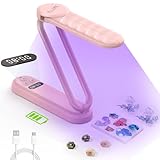
Three to five hours of runtime from a 3000mAh battery is the headline number here, and it comes in a body that measures 6.5 by 1.3 by 1.4 inches and weighs 10 ounces. The PPESULK is the most travel-friendly lamp we tested, small enough to sit in a craft bag with a mould tray.
The LCD display showing the countdown is genuinely more useful than a row of indicator lights. You can glance at it while doing something else and know exactly when to pull the piece.
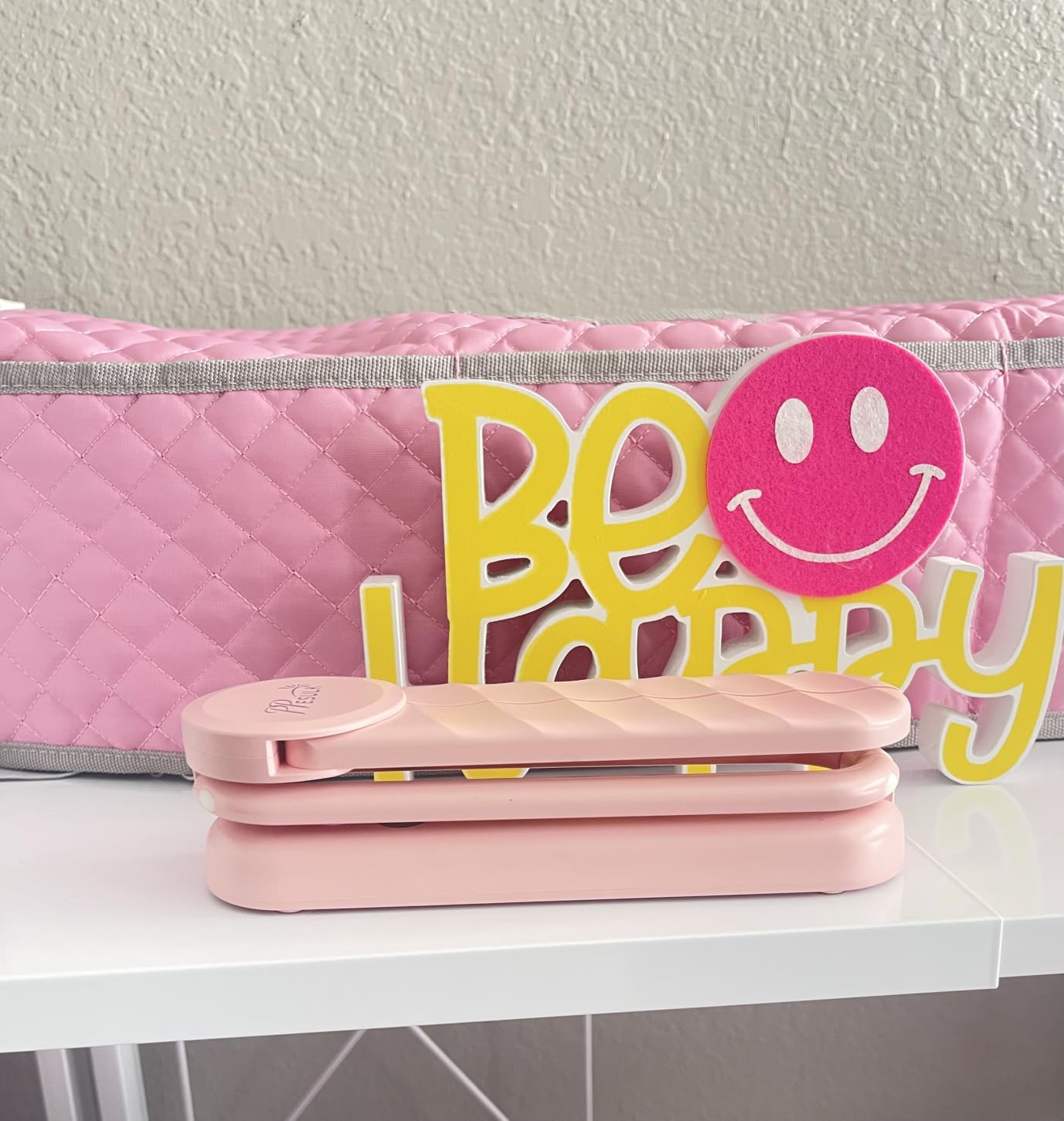
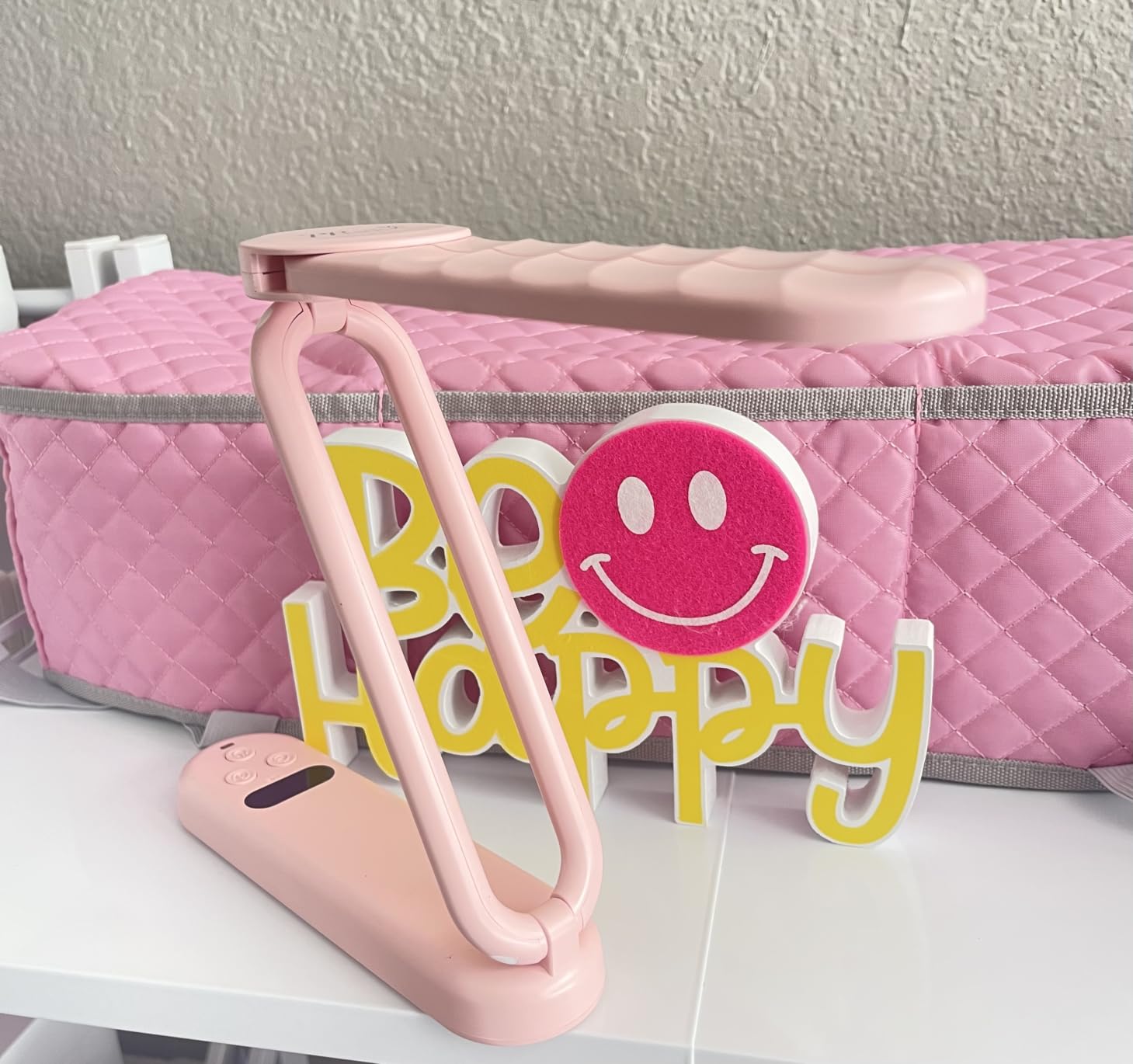
Thirty-four LEDs across 365-405nm is a decent spread for a lamp this small, and owners generally like the balance of cordless freedom and light weight. It suits workspaces with a single outlet where a cable would be in the way.
The hinge is the recurring weakness. The folding arm has no locking mechanism and will not stay extended, so you need something to support it. A few buyers report LEDs failing within the first week, which is a small but real reliability concern.
Best for pop-up markets and demos
At 10 ounces and a battery that lasts an afternoon, this is the lamp you can hand to someone at a craft fair and demonstrate on the spot. Many sellers mentioned in resin forums value exactly this, cordless work away from a fixed desk.
It is also a sensible back-up lamp. If your main unit is charging or out of service, this keeps production moving without a second order.
Where it falls short
It is designed for UV resin and UV glue only, and the listing is explicit that it will not work on AB resin or epoxy. If you also cast epoxy pieces, keep a second lamp for that job.
Taller or thicker pours need extended curing, and the unstable arm means you cannot simply set it and walk away for a long cycle.
11. Winartton Double-Sided UV Curing Lamp
Winartton UV Light for Resin Curing – Double Sided, Fast & Both Side Curing, UV Resin Lamp for Jewelry Making, Molds Curing, DIY Project
Two-sided 360-degree curing
Three timer modes with display readout
2-3 minute full cure for small objects
445g and magnetic detachable halves
Pros
- Cures both sides at once so pieces never need turning
- Halves split magnetically to run two projects simultaneously
- Fast 2-3 minute cycles on small jewelry pieces
- Separate buttons per timer setting are easy to operate
Cons
- Light spills from the front and back and is quite glaring
- Smaller than expected for some buyers
- Operating buttons can stick and the platform can crack under load
A full cure in two to three minutes on small objects is the reason this is worth a place. The Winartton two-sided lamp uses 360-degree irradiation so pieces cure without being turned, and the stated full cure time of three minutes matches what we saw on thin earrings and charms.
The magnetic split works well. Pull the halves apart and you can cure a larger area or run two separate projects at the same time, which makes short cycles genuinely productive when you have a queue of pieces.
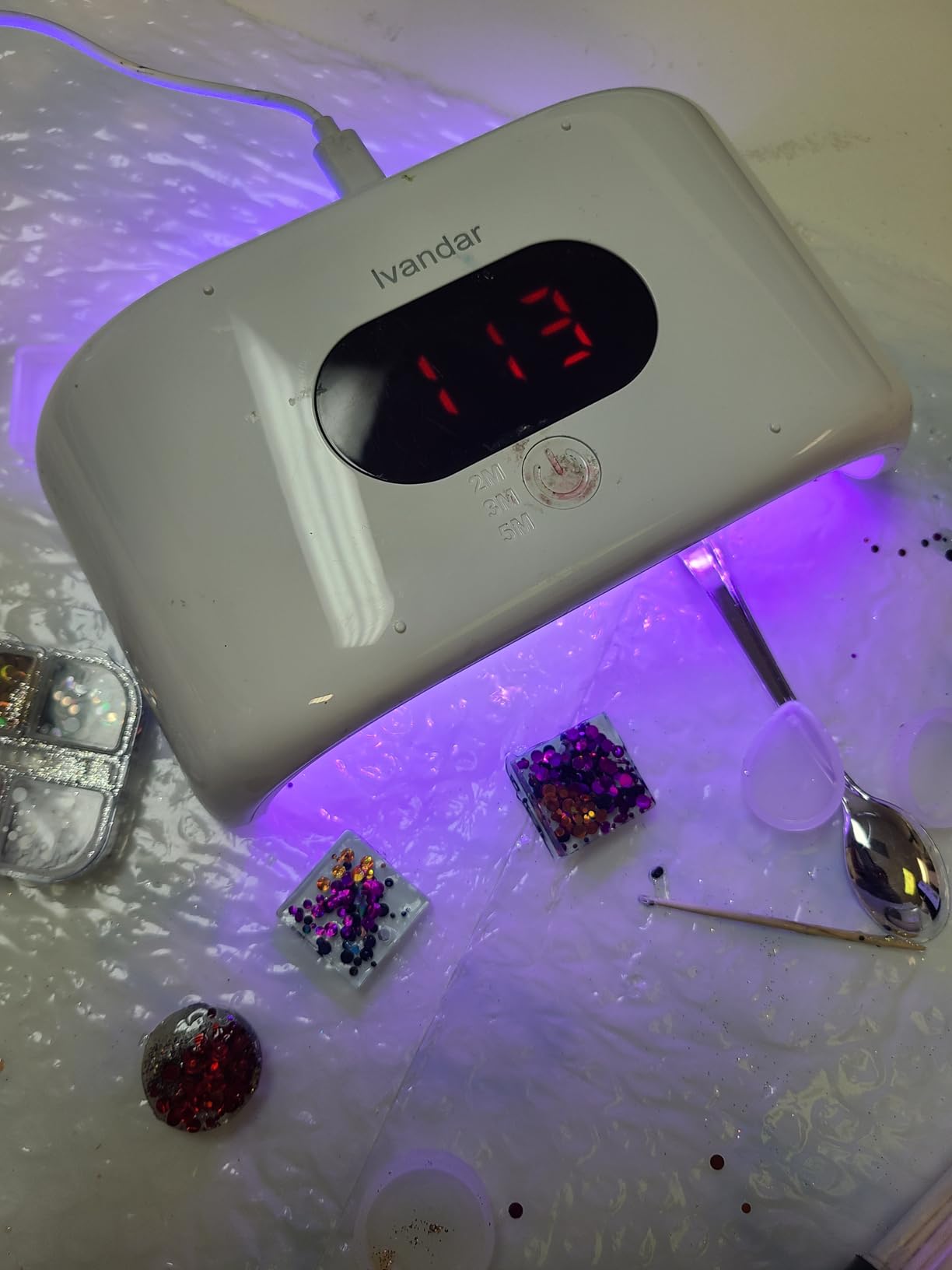
It weighs 445g and stays compact, so it moves between workspaces easily. Separate buttons for each timer setting mean you can start a cycle without cycling through options, which is a small thing you appreciate on a long evening.
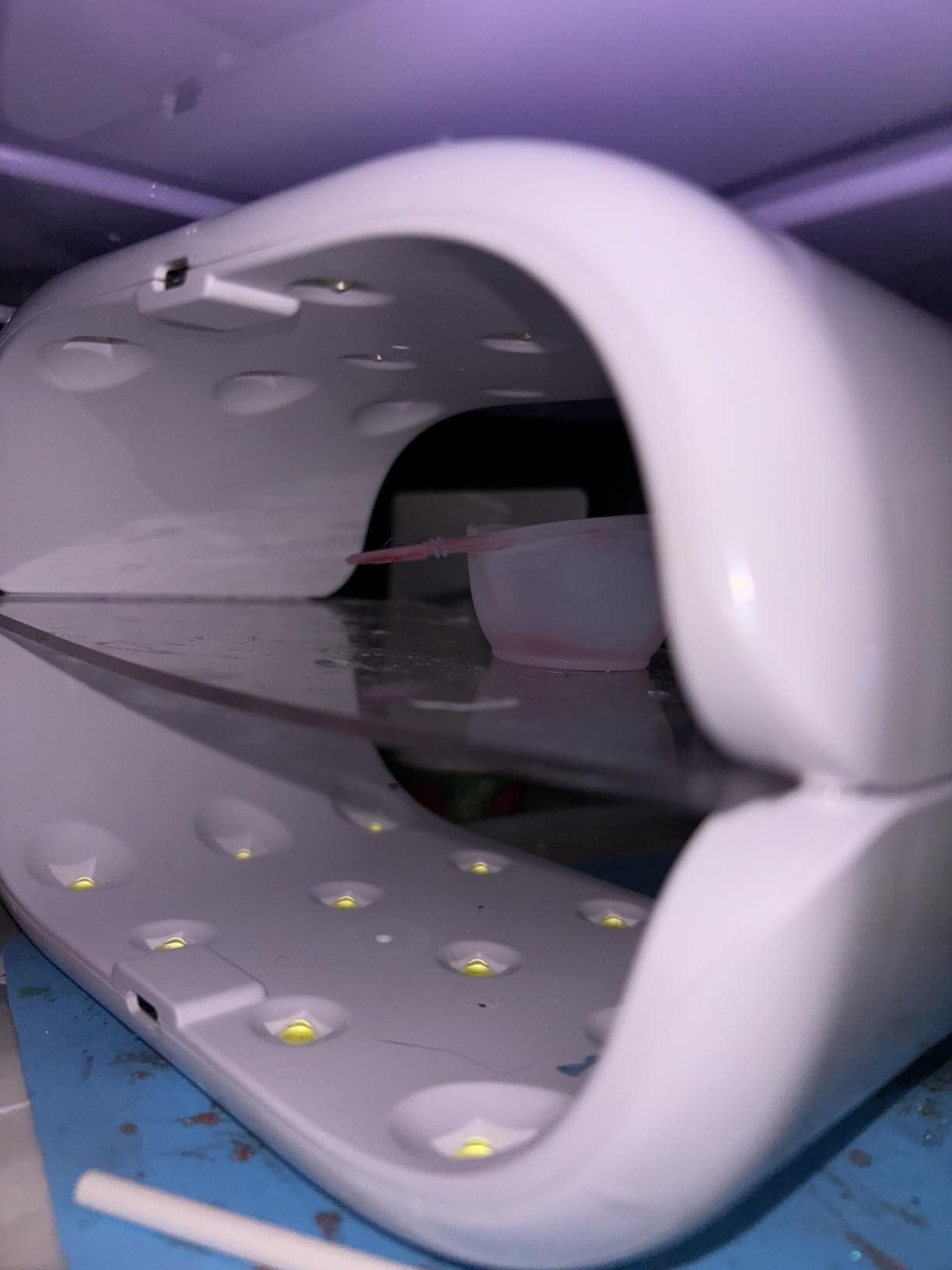
The light leakage is the biggest practical complaint. UV escapes from the front and back and the glare is noticeable in a bright room. Several buyers also found it smaller than they pictured, and the operating buttons are reported to stick.
Best for a high volume of small pieces
When you are making dozens of tiny earrings or charms, cycle time dominates your throughput. Two to three minutes with no flipping gets you through a batch far faster than a longer single-sided cycle that needs a second pass.
At 4.6 average across its review history, buyers are consistently happy with the cure result for the size they get, which is the honest way to frame it. This is a small-object lamp that happens to be fast, not a large-format one.
Where it falls short
Expect glare. If you work at night or in a shared room, position it so the opening faces away from you and anything you care about.
There is no manufacturer warranty listed, and a few buyers report the included platform cracking under weight. Treat the cavity as sized for jewellery-scale pieces only.
12. Wondrokey 48W 48-LED 360-Degree Lamp
UV Light for Resin,48W 48 LEDs,Double-Sided,360°Surround,Dual 365-405nm
48W with 48 high-power LEDs at 365-405nm
360-degree curing from top bottom and sides
2 heat-resistant PC boards to 200 degrees
9.72 x 4.52 x 5.07 inches
Pros
- True 360-degree coverage from top bottom and both sides with no blind spots
- 48W and 48 LEDs handles thick pours and larger batches
- Replaceable heat-resistant PC boards that resist warping
- Two USB cables let you run the halves together or independently
Cons
- Power adapter not included so a 5V/3A unit is needed
- Small dot magnets are fiddly to align precisely
- Heaviest unit here at 1.8 pounds
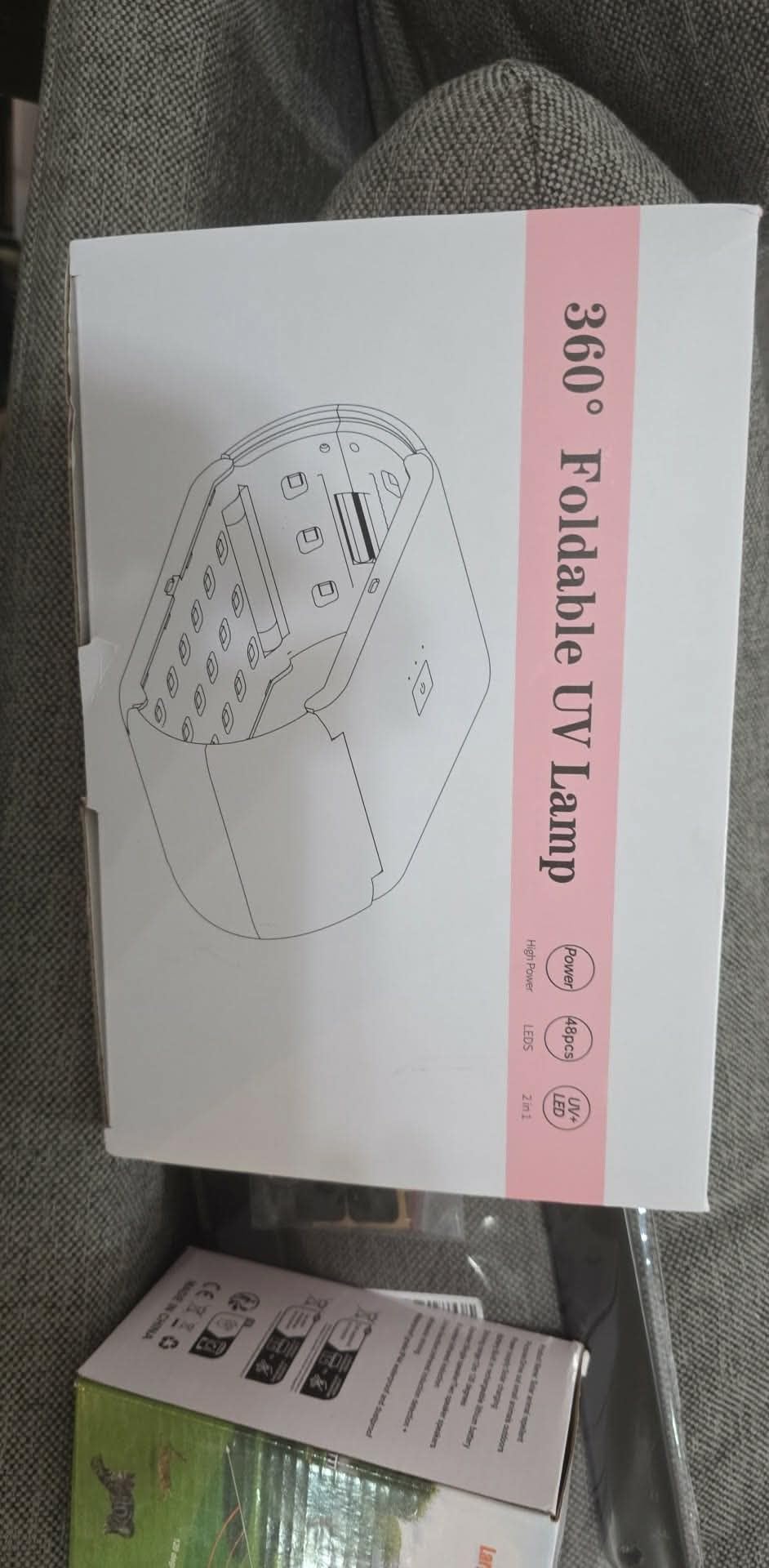
This is the lamp for volume. The Wondrokey runs 48 high-power LEDs at 48W and illuminates from the top, the bottom and both sides, so there is no blind spot in the cavity. Nothing gets flipped, nothing gets repositioned, and the coverage claim matched what we saw on a full platform of pieces.
The replaceable boards are the detail I would highlight. They are rated to 200 degrees Celsius, they do not warp with repeated use, and unlike the acrylic trays on several cheaper kits you can clean them properly and swap them if they degrade.
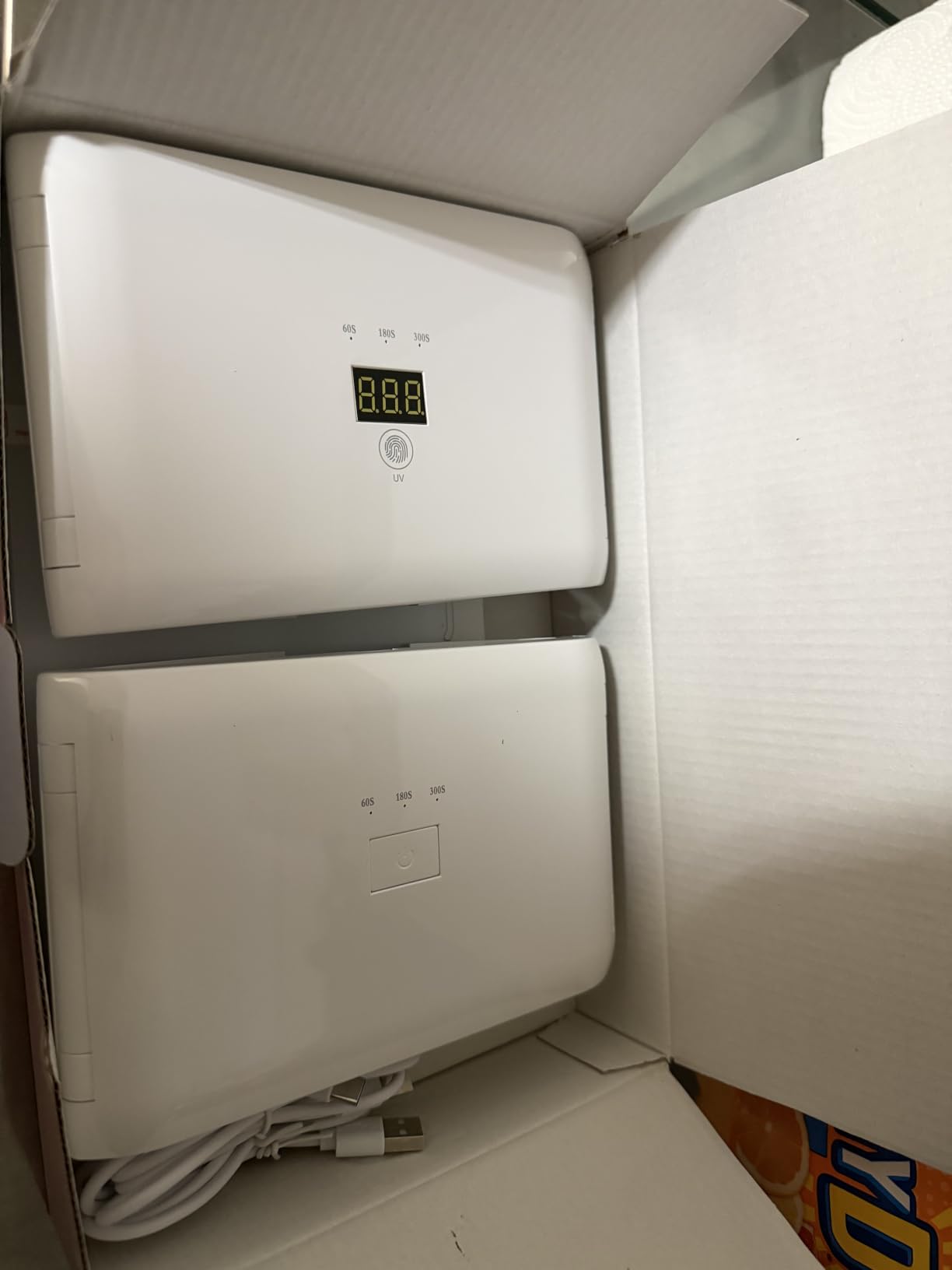
The 365-405nm spread is broad enough to handle clear, coloured and glitter resins, and the listing notes clear resin cures fastest under it. The timer runs 1, 3, 5 and 10 minutes, which covers everything from a touch-up to a full batch cycle.
Two USB-C cables are included so you can power the halves together or separately and split the unit into two independent lamps. It folds magnetically for storage, though the small dot magnets take some care to line up.
What 48W and 48 LEDs buy you
More beads at higher power means shorter cycles and deeper penetration in a single pass. For a seller producing pendants or a maker casting larger flat pieces, that is the difference between finishing a batch in one cycle or three.
True all-around illumination also removes the underside problem entirely. Any lamp with a single light direction will eventually give you a piece that is hard on top and soft underneath, and that is the piece that gets thrown away.
Where it falls short
At 1.8 pounds it is the heaviest lamp here, and the small dot magnets are fiddly, so give it a permanent home rather than moving it constantly.
No adapter is included and you need 5V/3A. The curing area is also smaller than some buyers would like for large flat pieces, so check your moulds against the dimensions before committing.
How to Choose a UV Resin Lamp for Jewelry Making
The right lamp depends less on the spec sheet than on what you pour. Most jewelry is shallow, small and made in batches, which means coverage and consistency matter more than headline wattage. Here is what actually changes your results.
Is 365 or 395nm UV Light Better for Resin?
365nm sits closest to the peak absorption of most photoinitiators, so it usually triggers the cure reaction fastest and gives the hardest finish. 395nm and 405nm output is more visible, with a faint purple glow, and is slightly less efficient, though multi-wavelength lamps that combine them cure resin faster and more evenly than either alone. For jewelry, any of the three works. Choose 365nm or a dual or triple-wavelength lamp if you want the fastest cure, and do not pay a premium for 395nm on its own just because the light looks stronger.
Wattage and Curing Speed
The practical floor for jewelry work is 36W. That is the figure experienced makers in r/ResinCasting converge on, with one comment that a 48W lamp should be more than enough and that people recommend 36W at least. Below that, you are relying on long exposures and repeated passes rather than getting a clean single-cycle cure.
Wattage alone is not the whole story, though. A 48W label on a lamp with 18 bulbs is worth less than 36W spread across 24 beads in a 360-degree arrangement, because what matters is how evenly the light reaches every surface. Also factor in curing distance: a stronger lamp placed far from the piece can still under-cure.
Curing Area and Batch Size
A lamp that fits a 12 by 20cm mould can usually take a full row of small earrings or several charms at once, and that is the difference between a batch taking one cycle or three. Look at the platform size rather than the outer dimensions of the unit, since the cavity is always smaller than the housing.
For larger pieces, a bigger cavity is not the deciding factor, coverage is. A lamp with light on all sides will cure a flat pendant that a wider but single-sided lamp leaves soft in the middle.
Timer Settings and Presets
Presets at 2, 3 and 5 minutes cover most jewelry pours. Longer settings matter for deep casts, and a continuous mode is useful when you are curing in layers. One frustration makers report is a timer locked to short presets with no longer option, which is why the 600 second setting on the JDiction and the 20 minute continuous mode on the cordless LET’S RESIN are worth something.
Power Source: Corded USB vs Cordless Rechargeable
Cordless is genuinely useful at markets, demos and in rooms with one outlet, and the options here range from 90 minutes on the JDiction to three to five hours on the PPESULK. The trade is weight and power: the strongest cordless lamps are the heaviest, and the lightest are the slowest.
Corded models have no battery to fail and no charge to plan around. If you work at a fixed bench with an outlet nearby, corded is the simpler and usually more powerful choice.
Double-Sided vs Single-Sided Design
Two-sided curing cures top and bottom simultaneously, which prevents the warping that comes from one face hardening while the other is still liquid. It also removes the most common mistake in the whole process, forgetting to turn the piece halfway through.
Single-sided lamps are lighter, cheaper and often cordless. They are fine for thin pours if you are disciplined about flipping, and several people use a single-sided lamp as a secondary top-cure light next to a two-sided primary.
Can You Cure Resin With a Nail Lamp?
Yes, and this is the single most useful thing to know if you are starting out. Experienced makers in r/resin are consistent on it, one telling a beginner that their nail lamp will be just fine, it may take longer and they may need to shift the piece around a bit, but they do a great job with UV resin. Gel manicure lamps put out the same 365 to 405nm UV-A band that activates the photoinitiator.
There is a catch that explains most of the confusion. A nail lamp is built to cure a thin layer of gel over a fingernail, so its useful curing depth is shallow. In a resin pendant or a thick cabochon, the top hardens while the middle stays liquid, which produces exactly the rough, rubbery surface people report.
Another r/ResinCasting thread shows how that goes. A user cured five to ten times the recommended minute and still got a slightly rough, rubbery surface, having already tried cold water, hot water, alcohol and extra resin coats with no improvement. The lamp was a Sunuv SUN1 nail lamp, and the most likely explanation is that the depth simply exceeded what a nail lamp could reach.
Our advice matches the forum consensus. If you already own a nail lamp, use it for thin pours and small charms, and shift the piece around between exposures. When you are ready to buy a dedicated lamp, choose one with two-sided output and enough coverage that you stop needing to babysit the cycle.
UV Lamp Troubleshooting: Tackiness, Yellowing, Wrinkles
Almost every curing complaint falls into one of four symptoms, and each has a short list of causes. Work through them in order, because the cheapest fix by far is curing the piece again correctly.
Still tacky after the full timer. The surface cured and the inside did not. Check that the mould is sitting as close to the LEDs as the design intends, that you have not poured much deeper than the mould wall, and that both sides are actually firing on a two-sided lamp. Dirty or misaligned magnetic contacts are a common cause, and a lamp advertised at a wattage it does not deliver is another.
Rubbery or gummy all the way through. This is almost always under-cure rather than bad resin. Cure for another two full cycles, flip the piece between them, and if it is still soft the light is not reaching that depth. That is a lamp problem, not a technique problem.
Wrinkled or rippled surface. Usually over-cured or cured too close. The outer layer hardens, shrinks and wrinkles while the resin underneath is still moving. Cure from a little further away, use a shorter cycle on the final pass, and make sure the room is not unusually warm.
Yellowing. UV light drives yellowing in some resin brands, and heat makes it worse. Switch from 395nm to a 365nm or multi-wavelength lamp if your current one is 395 only, use a UV-stable or low-yellowing resin, and avoid leaving cured pieces sitting under a lamp that is left switched on.
Cured on top, soft underneath. This is the single-sided problem. Cure the second side face down, or move to a two-sided lamp. If you already own a two-sided model, verify both halves light before you assume the resin is at fault.
UV Safety When Curing Resin
The lamps in this roundup emit UV-A light, the same band that reaches your eyes and skin from sunlight. A short curing cycle is low exposure, but regular daily use adds up, and the open-front design of most of these lamps means light spills toward you. Treat the lamp as a tool that deserves a few habits rather than something to sit next to for hours.
Position the lamp so the opening faces away from your face, and keep your hands out of the beam when you reach in to check a piece. Timer settings exist for a reason, so use them instead of standing over an open cycle.
If you cure often, nitrile gloves and a UV-rated face shield remove almost all of the remaining exposure. Work in a ventilated room, since uncured resin has its own fumes that have nothing to do with UV. Keep the platform clear of clutter so you are not reaching through the light, and never look directly into the LEDs to check whether they are on.
Worth adding: several makers in resin forums ask about protective gloves specifically, and cheap nitrile gloves are the practical answer. They cost little, they stop uncured resin touching your skin during handling, and they take the edge off any UV exposure while you work.
Frequently Asked Questions
What is the best UV lamp for resin?
For most jewelry makers the answer is a two-sided lamp at 36W or above with both 365nm and 395/405nm output, such as the Resiners AirWave Pro for cordless flexibility or the LET’S RESIN two-sided 36-LED unit for even all-round curing. Anything under 36W is really only suited to thin pours and small charms.
Is 365 or 395 UV light better for resin?
365nm sits closest to the absorption peak of most photoinitiators, so it usually triggers the fastest, hardest cure. 395nm and 405nm are slightly less efficient on their own but do cure resin. Lamps combining the wavelengths cure more evenly, so a 365nm or multi-wavelength lamp is the better buy for jewelry work.
Are resin UV lamps safe?
These lamps emit UV-A light, the band that reaches your eyes and skin from sunlight. Short timed cycles are low exposure, but most lamps are open-fronted and spill light toward you. Position the opening away from your face, use the timer instead of standing over an open cycle, and wear nitrile gloves if you cure daily.
Can I overcure UV resin?
Yes, and it shows. Over-cured resin turns brittle, can wrinkle or ripple on the surface, and yellowing accelerates. A second short pass to finish an underside is fine, but repeatedly re-curing a fully hard piece can cloud it. Most lamps need two to three minutes for a shallow jewelry pour, so extra time is rarely the fix for a soft result.
How long does UV resin take to cure under a lamp?
A shallow jewelry pour in a silicone mould usually cures hard in two to five minutes under a 36W lamp. Thicker cabochon-style casts need longer and often a second pass. These lamps mostly offer 60, 120, 180 and 300 second presets, with longer 600 second and continuous modes on a few models for deep work.
Do I need a UV lamp for UV resin jewelry?
Yes, UV resin is designed to cure with UV-A light and will not harden on its own at room temperature. Without a lamp the resin stays liquid or turns to a rubbery mess. If you already own a gel manicure lamp, it will work for thin pours and small pieces, though its shallow curing depth makes it a poor choice for thick pendants.
Final Verdict
The Resiners AirWave Pro is the lamp we would buy first, and it takes our Editor’s Choice for one reason: it is the only lamp here that adjusts, folds, runs cordless and still puts out serious UV output. For makers who want a fixed box and never want to flip a piece again, the LET’S RESIN two-sided 36-LED unit is the pick, and the Suzzam 36W is the one to hand a beginner because of its two year warranty and even 360-degree coverage.
If you work away from an outlet, the JDiction 48W gives you the most power cordless while the PPESULK and cordless LET’S RESIN give you the longest runtime. If you are casting in volume, the Wondrokey 48W handles a full platform without a blind spot.
Whatever you choose, two habits decide your results far more than the wattage number: keep the piece close to the LEDs, and turn it if the lamp only lights one side. Start with a shallow pour to learn your lamp, then work deeper as you get a feel for it.
If resin is new to you, our resin kit guide for beginners covers the supplies, and our crystal jewelry kit guide is worth a look once you are ready to set stones into your cured pieces.