
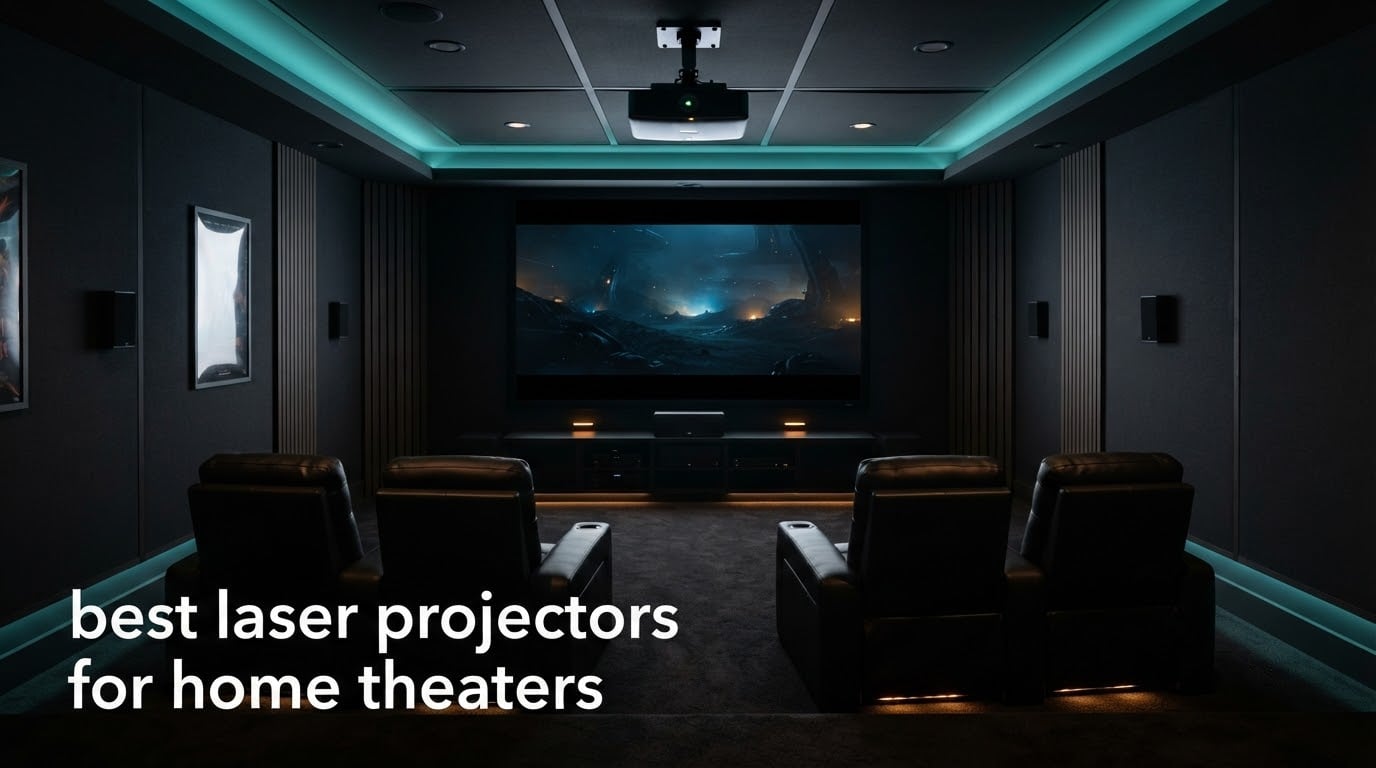
If you want the short version: the Valerion StreamMaster Plus2 is the best laser projector for home theaters overall in 2026, the Hisense C3 Ultra is the pick for a room you cannot fully black out, and the JMGO N1S 4K Upgrade is the cheapest honest route into real RGB triple laser color. Everything else in this roundup sits between those three.
That matters because the laser projector category has quietly split in two. On one side are the triple laser RGB units, where separate red, green and blue lasers replace the color wheel and the color range opens up dramatically. On the other side are single laser phosphor and direct-view models, which are brighter, cheaper and better suited to rooms with daylight. Both are legitimate home theater choices. The mistake most buyers make is picking by brightness number alone.
We compared ten current laser models across light source type, throw distance, measured brightness standards, lens adjustment, gaming latency and light source lifespan. Every pick here is a model you can actually buy now, and every spec comes from the manufacturer listing rather than a roundup written from memory. Several popular lists still recommend projectors that were discontinued years ago, and a couple of them label LED models as laser, which is why so many buyer guides feel out of step with what is on the shelf.
The thing nobody tells you in the spec sheet is that a projector is a room accessory, not a television. Its job depends entirely on how much light you can remove from the room and how far back you can mount it. A 4000 lumen projector in a blacked-out room looks flat and dull, while a 2000 lumen projector in the same room looks startling. Get the room right first, then buy the projector.
Table of Contents
Top 3 Laser Projectors for Home Theaters

Valerion StreamMaster Plus2
- Native 4K RGB triple laser
- 4ms input lag
- 110% Rec.2020 gamut
- IMAX Enhanced and Dolby Vision
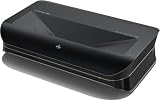
AWOL VISION LTV-3000 Pro
- 0.25:1 ultra short throw
- 3000 ANSI lumens
- 107% BT.2020
- 150 inch maximum image

Quick Overview: All 10 Best Laser Projectors Compared in 2026
| Product | Specifications | Action |
|---|---|---|
| Valerion StreamMaster Plus2 |
|
Check Latest Price |
 Hisense C3 Ultra Hisense C3 Ultra |
|
Check Latest Price |
| JMGO N1S 4K Upgrade |
|
Check Latest Price |
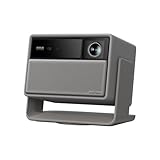 XGIMI HORIZON 20 XGIMI HORIZON 20 |
|
Check Latest Price |
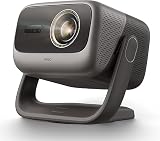 JMGO N3 Ultimate JMGO N3 Ultimate |
|
Check Latest Price |
| AWOL VISION LTV-3000 Pro |
|
Check Latest Price |
 Dangbei MP1 MAX Triple Laser Dangbei MP1 MAX Triple Laser |
|
Check Latest Price |
 Epson Home Cinema LS11000 Epson Home Cinema LS11000 |
|
Check Latest Price |
 ViewSonic LX700-4K ViewSonic LX700-4K |
|
Check Latest Price |
 ViewSonic LS740HD ViewSonic LS740HD |
|
Check Latest Price |
1. Valerion StreamMaster Plus2 – Best Laser Projector for Home Theaters Overall
Valerion StreamMaster Plus2 4K Laser Projector – 300″ IMAX Enhanced Home Theater, 4ms |240Hz Response, Gaming Projector with 3D & Dolby Vision, HDR10, GTV, Smart Home & AI Assistant
Native 4K RGB triple laser
2000 ISO lumens
110% Rec.2020
4ms input lag at 240Hz
Pros
- Native 4K with RGB triple laser and no color wheel
- Very low 4ms input lag with 240Hz refresh
- IMAX Enhanced plus Dolby Vision and HDR10+
- Automatic focus keystone and obstacle avoidance
- Google TV with AirPlay 2 Chromecast and Miracast
Cons
- 2000 ISO lumens trails brighter triple laser rivals in lit rooms
- 15.4 lb chassis is bulky for a compact unit
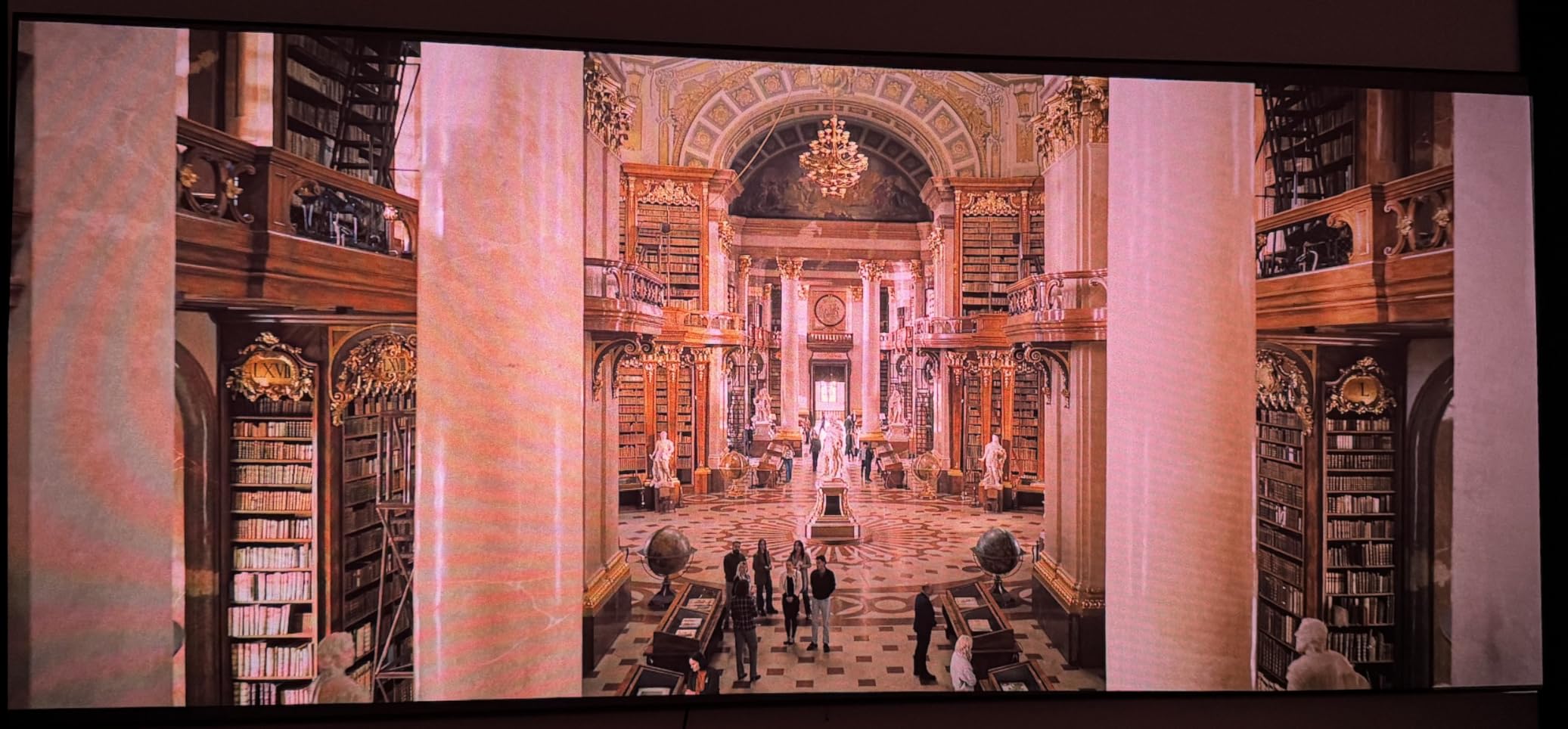
This is the unit we kept coming back to while working through the list. The StreamMaster Plus2 combines a native 3840 x 2160 DLP panel with a direct RGB triple laser engine, which means no color wheel sits between the light source and the panel. Color is the first thing you notice: the 110% Rec.2020 coverage and ISF certification mean the out-of-box picture is closer to what a colorist intended than anything else at this level.
It also has the widest gap between its spec sheet and its real-world usefulness in the right direction. A 2000 ISO lumen rating is not going to fight a sunny living room, but in a room with curtains drawn at night it produces an image with more apparent punch than the number suggests, largely because the triple laser engine holds its brightness without the warm-up curve a lamp unit shows.
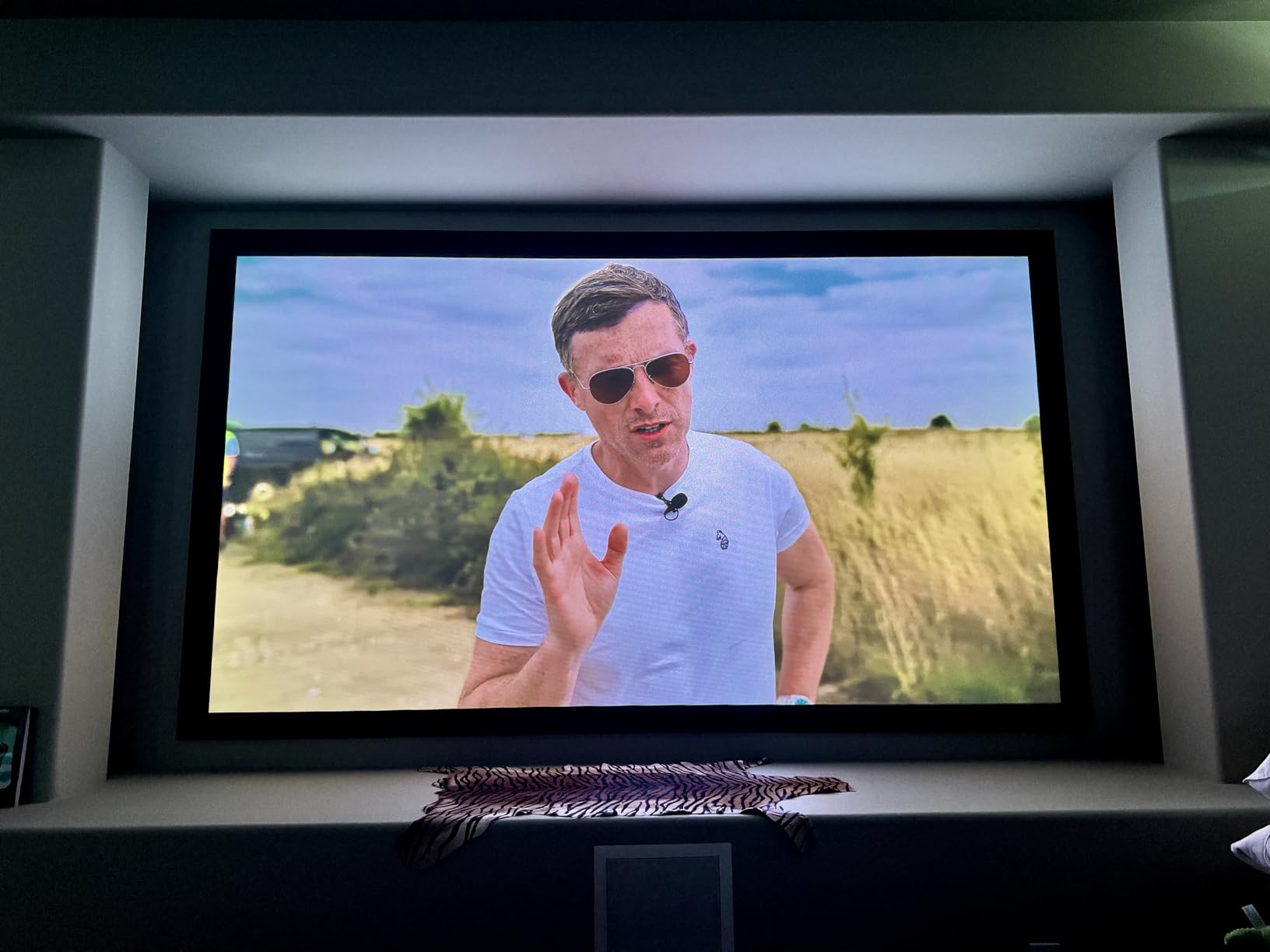
Gaming is where this projector genuinely separates itself. The 4ms input lag and 240Hz refresh rate mean console and PC players get a response time most projectors in this list cannot touch, and the automatic focus, keystone, screen alignment and obstacle avoidance features mean setup takes minutes rather than an evening with a ladder.
Owners consistently single out the picture and the gaming latency as the standouts, with the brightness ceiling as the recurring drawback in very lit spaces. The 4K image range runs from 40 inch to 300 inch, and the throw distance window spans 3.5 feet to 26 feet, so it works in a bedroom as readily as a media room.
Where it fits best in a home theater
A dedicated room or a darkened media room where a 100 to 120 inch image is the goal and at least one person in the household games seriously. The auto keystone and obstacle avoidance are genuinely helpful when the projector sits on a side table rather than a ceiling mount, which is where most people start.
Its size works against it as a portable option at 15.4 lb, so treat it as a fixture rather than a take-anywhere device. Anyone comparing formats at a broader level can see how it stacks up in our full laser projector test and ranking.
Where it will disappoint you
If the room cannot be darkened, move up the brightness list to the Hisense C3 Ultra or the JMGO N3 Ultimate. A triple laser engine also means some laser speckle on dark scenes, so pairing it with a matte white screen or good projection paint keeps the grain from showing up on glossy surfaces.
2. Hisense C3 Ultra – Best for Rooms You Cannot Fully Black Out
Hisense C3 Ultra Triple Laser Projector, 4000 ANSI Lumens, Native 4K UHD, 1.6x Optical Zoom, Dolby Vision, IMAX Enhanced, 240Hz Gaming, WiFi 7, Built-in Devialet Audio, 65-300″ Screen
4000 ANSI lumens RGB triple laser
Native 4K UHD
118% BT.2020
1ms input lag, 240Hz
Pros
- 4000 ANSI lumens RGB triple laser brightness
- Native 4K with 118% BT.2020 coverage
- 1.6x optical zoom plus flexible lens shift
- Dolby Vision and IMAX Enhanced with IRIS dynamic contrast
- Auto Magic AI Adjusting handles keystone and wall color
Cons
- 17.6 lb body is heavy for casual moving between rooms
- Only a one year manufacturer warranty
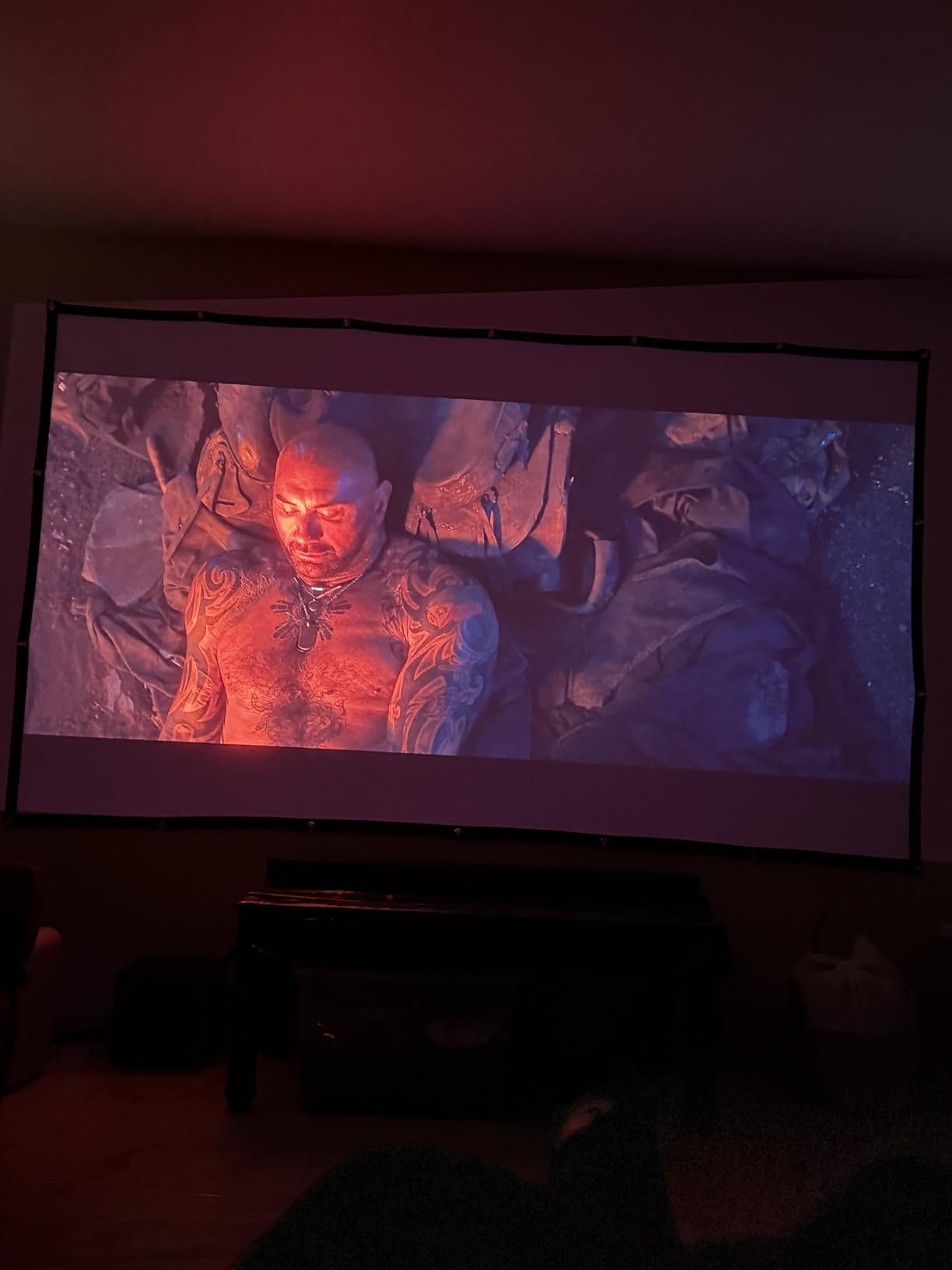
The Hisense C3 Ultra has the highest owner rating in this roundup, and the reason traces back to a single specification: 4000 ANSI lumens from an RGB triple laser engine. That combination is rare. Most triple laser units sit well below it, which means the C3 Ultra holds its color saturation through an afternoon movie rather than fading toward washed-out grey by the second act.
Its 118% BT.2020 coverage sits at the top of what we found, and the 5000:1 contrast figure is backed by IRIS dynamic contrast, which closes down frame by frame to deepen blacks in dark scenes. For a projector, that matters more than raw brightness once the lights go down.
The optical hardware is unusually serious for a consumer projector. A 1.6x optical zoom plus flexible lens shift means you can mount it off-center without resorting to keystone correction, which is the single best thing you can do for image sharpness. The gimbal rotates 360 degrees horizontally and 260 degrees vertically, so ceiling and shelf placement both work without moving furniture.
Gaming specs are class-leading: 1ms input lag and up to 240Hz refresh. Built-in Devialet audio means you can get a first night of sound out of the box before the receiver is installed. The 25,000 hour light source rating and 65 to 300 inch image range give plenty of headroom for a large dedicated room.
Where it fits best in a home theater
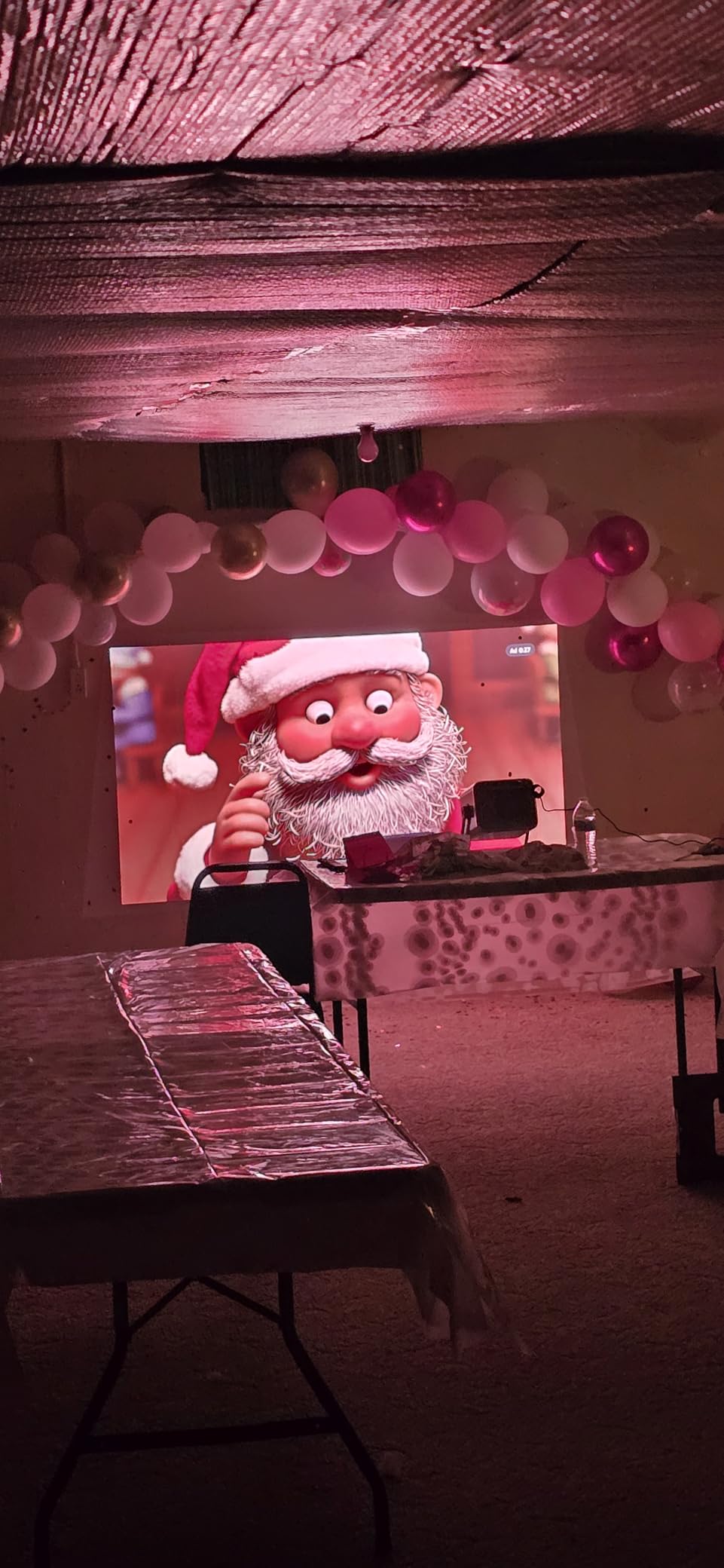
Living rooms, sunrooms and basement setups where some ambient light is unavoidable. The brightness headroom means you do not need to buy an ALR screen to salvage a washed-out image, and the wall color adaptation in Auto Magic AI Adjusting 3.0 handles painted walls that are not perfect neutral grey.
It also suits anyone who wants a large image plus serious gaming in one device. The one year warranty is shorter than several rivals, so factor that into the decision if you are mounting it permanently.
Where it will disappoint you
At 17.6 lb it is not a device you shuffle between the bedroom and the living room. And with 87 owner reviews, it is a newer platform than the picks above it, so long-term reliability data is thinner than you would get from an established model.
3. JMGO N1S 4K Upgrade – Best Budget Pick With Real Triple Laser Color
JMGO N1S 4K Upgrade Triple Laser Projector, 1700 ISO Lumens, Google TV
Native 4K RGB triple laser
1700 ISO lumens
110% BT.2020
4.4 lb with carrying case
Pros
- Pure RGB triple laser removes the color wheel and most rainbow artifacts
- 110% BT.2020 and 151% DCI-P3 coverage
- Integrated 127 degree gimbal with auto focus and auto keystone
- Google TV with officially licensed Netflix
- About 4.4 lb with an included carrying case
Cons
- 1700 ISO lumens suits dim or dark rooms only
- No optical zoom or lens shift
- Google TV interface can feel sluggish
Triple laser color used to be an expensive proposition. The JMGO N1S 4K Upgrade puts a pure RGB engine with 110% BT.2020 coverage and 1,000,000:1 dynamic contrast into the least expensive body in this roundup, and it does it at roughly 4.4 lb including the gimbal base. That combination of color depth and portability is the whole appeal.
The 127 degree vertical gimbal is the feature owners notice most after color. Instead of physically repositioning the projector to correct the image, you twist it, and auto focus plus auto keystone handle the rest. For a renter or someone without a ceiling mount, that removes the most common reason people give up on a larger screen.
Where it falls behind the pricier models is brightness. At 1700 ISO lumens it wants a dim room, and reviewers consistently note that a bright living room washes it out. There is also no optical zoom or lens shift, so placement is governed by where you put it rather than by the optics.
Specs otherwise hold up well: HDMI 2.1, 17ms latency, MEMC motion compensation, 10W dual Dolby Audio speakers, HDR10 and Blu-ray 3D. The image range runs 40 to 200 inch, with a throw distance window of 1 to 5 meters, and the Google TV platform carries officially licensed Netflix with over 10,000 apps.
Where it fits best in a home theater
Bedrooms, dorm rooms, apartments and any space where a permanent install is not happening. The included carrying case and low weight make it the most practical unit here for a mixed-use room, and the triple laser color gives a more cinematic image than its size suggests.
It also serves as a good first laser projector. There is no bulb to replace, no warm-up time and no lamp budget to plan for, which is the real entry cost people underestimate.
Where it will disappoint you
Daylight viewing and bright living rooms. A minority of buyers also report visible rainbow effect artifacts and light spill, plus factory color calibration that needs adjustment before it looks its best, so plan for ten minutes of setup with color controls rather than expecting perfection out of the box.
4. XGIMI HORIZON 20 – Best for Dedicated Rooms With Ceiling Mounts
XGIMI HORIZON 20 4K RGB Triple Laser Home Projector, 3200 ISO Lumens
X-Master RGB triple laser
3200 ISO lumens
Lens shift and optical zoom
240Hz, 1ms response
Pros
- 3200 ISO lumens RGB triple laser brightness
- 100000:1 contrast ratio for deep blacks
- Real lens shift and optical zoom for placement freedom
- IMAX Enhanced Dolby Vision and HDR10+ certification
- Harman Kardon speakers and Google TV built in
Cons
- Just under 10 lb is heavier than most portable laser projectors
- Some buyers note sparkle that suits a matte white screen or wall
For a dedicated theater room, the XGIMI HORIZON 20 is the model we would plan a room around. It is one of the few units in this list with genuine lens shift and optical zoom, which means you can mount it off to one side, or below the screen line, and still fill the screen without digital correction. Preserved pixel alignment is worth more to image quality than almost any other spec on the sheet.
The 3200 ISO lumen X-Master RGB triple laser engine gives it a brightness advantage over most triple laser competitors, and the 100,000:1 contrast rating is the second highest in this group. Owners repeatedly highlight color accuracy and the freedom lens shift buys during install as the standouts.
Gaming support is comprehensive: 240Hz refresh, 1ms response, VRR and ALLM. The image size runs from 40 inch to 300 inch with a throw window of 1.06 to 5.31 meters, and a two year warranty backs the unit. Built-in Harman Kardon speakers cover the gap before a proper sound system arrives.
The picture formats are current: IMAX Enhanced, Dolby Vision, HDR10+ and Filmmaker Mode, which is a longer list than most projectors at this tier offer. An integrated stand means it can sit on furniture when you are not using the ceiling mount.

Where it fits best in a home theater
Fixed installations where the projector is mounted once and rarely moved. Laser speckle is a factor with any RGB engine, so pair it with a matte white screen or a properly painted wall rather than a glossy white surface, which amplifies the sparkle on dark scenes.
Forum communities repeatedly single this model out as the pick for a small dedicated room, and the lens shift makes it forgiving of an awkward ceiling joist or a projector position that is not centered.
Where it will disappoint you
Anyone wanting a portable unit. At just under 10 lb it is one of the heavier bodies here, and the minimum throw distance of 1.06 meters rules out very close placement on a media cabinet in a small room.
5. JMGO N3 Ultimate – Best for Large Daytime Screens
JMGO N3 Ultimate 4K Triple Laser Projector, 5800 ISO Lumens
MALC 5.0 triple laser
5800 ISO lumens
Four-way lens shift
240Hz, 1ms input lag
Pros
- 5800 ISO lumens makes the picture usable with daylight
- Four-way lens shift and 0.88 to 1.7:1 optical zoom
- 240Hz refresh with 1ms input lag and HDMI VRR
- Dolby Vision with 110% BT.2020 at Delta E near 0.7
- Auto keystone and focus re-align the image in under a second
Cons
- Google TV UI can be slow for some streaming apps
- Fan becomes audible at maximum brightness
- 15.4 lb is heavy for casual travel
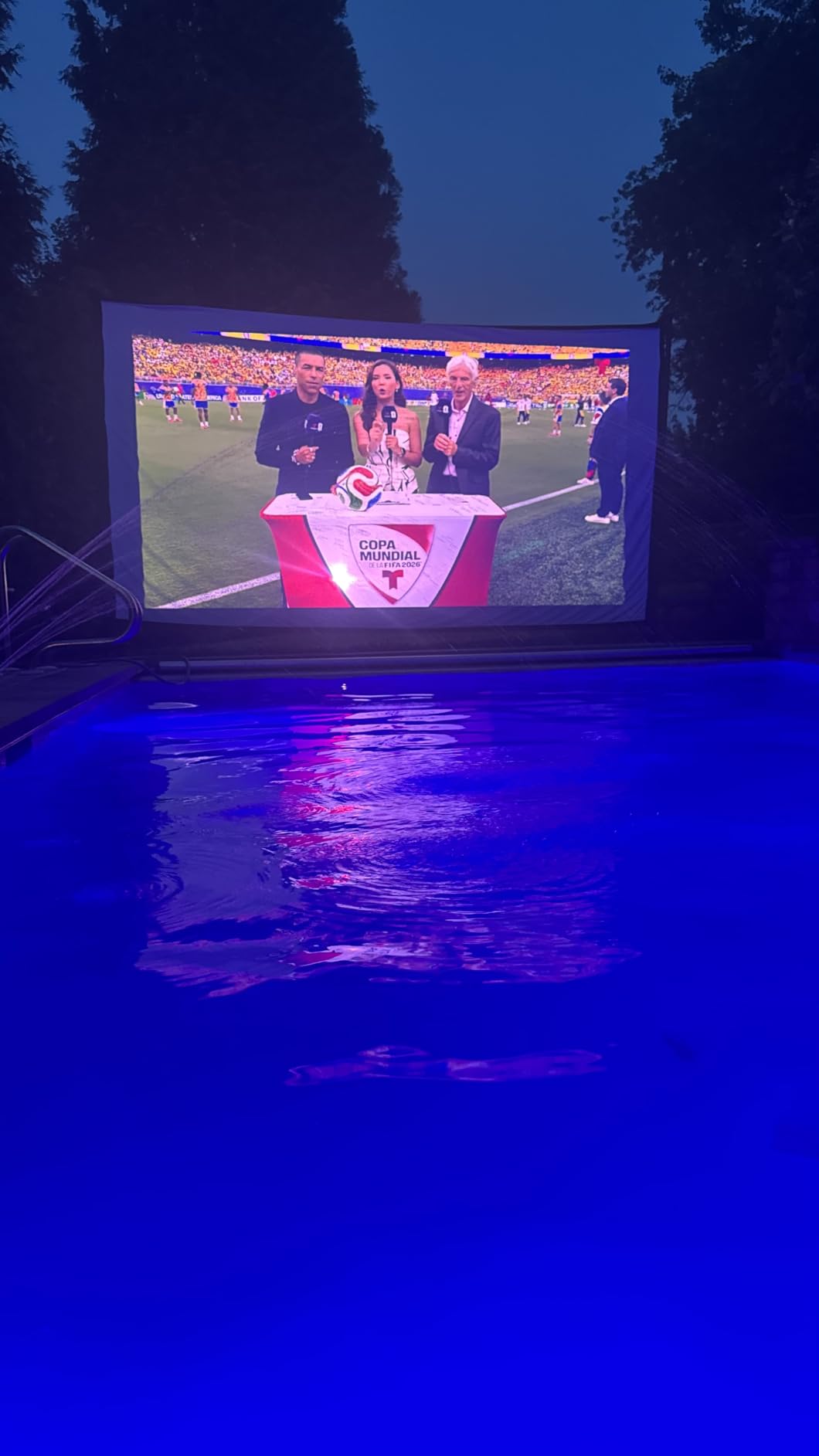
The N3 Ultimate has the highest brightness figure in this roundup at 5800 ISO lumens, and it is the only one that we would genuinely consider for a patio, a glass-walled sunroom or a daytime sports setup. At that light level the image stays watchable with blinds open, which no other pick here can claim.
The optical specification is the most complete in the group. Four-way lens shift with plus or minus 53 percent horizontal and plus or minus 130 percent vertical, plus a 0.88 to 1.7:1 optical zoom, means almost any ceiling or shelf position works without keystone correction. The motorized AI gimbal pans 360 degrees and tilts 150 degrees.
Color accuracy is factory calibrated to Delta E near 0.7 across 110% BT.2020, and the 3,000,000:1 dynamic contrast figure is backed by a 20,000:1 AI Dynamic Black Level mode for dark scenes. Dolby Vision and 3D support including HSBS and HOU layouts are both present, which is rare alongside a native 4K panel.
Gaming is handled well with 240Hz refresh, 1ms input lag, HDMI VRR and ALLM. Two 12.5W speakers with 35Hz bass cover casual viewing, and Google TV with native Netflix, 4GB RAM and Chromecast handles streaming. The image size range is 40 to 300 inch with a throw distance of 2.5 to 37 feet.
Where it fits best in a home theater
Rooms with unavoidable ambient light, and anyone targeting a very large image where a smaller projector would need to be pushed right to the back wall. The wide throw window from 2.5 feet to 37 feet makes it the easiest unit here to place in a long, narrow room.
If you also want 3D, this is one of the few laser models in the list that still supports it, alongside the AWOL VISION LTV-3000 Pro.
Where it will disappoint you
Enclosed dark rooms. At maximum brightness the fan becomes audible, which is noticeable in a dedicated theater built for silence, and the 15.4 lb body limits how casually it can move. The one year warranty is also on the short side.
6. AWOL VISION LTV-3000 Pro – Best Value Ultra Short Throw
AWOL VISION LTV-3000 Pro 4K 3D Ultra Short Throw Triple Laser Projector, Dolby Vision & Atmos, HDR10+, 150″ UST Laser TV Home Theater Projector
0.25:1 ultra short throw
3000 ANSI lumens
107% BT.2020
80 to 150 inch image
Pros
- Ultra short throw puts a 100 inch image from about 8.5 inches away
- Triple laser RGB engine at 107% BT.2020 and 147% DCI-P3
- Dolby Vision Dolby Atmos and HDR10+ support
- Active shutter 3D from a 3D Blu-ray player
- Built-in center channel speaker for dialogue
Cons
- Fixed 0.25:1 throw ratio needs cabinet depth behind the unit
- Maximum image size is capped at 150 inch
- Best picture needs a dark room or an ALR screen
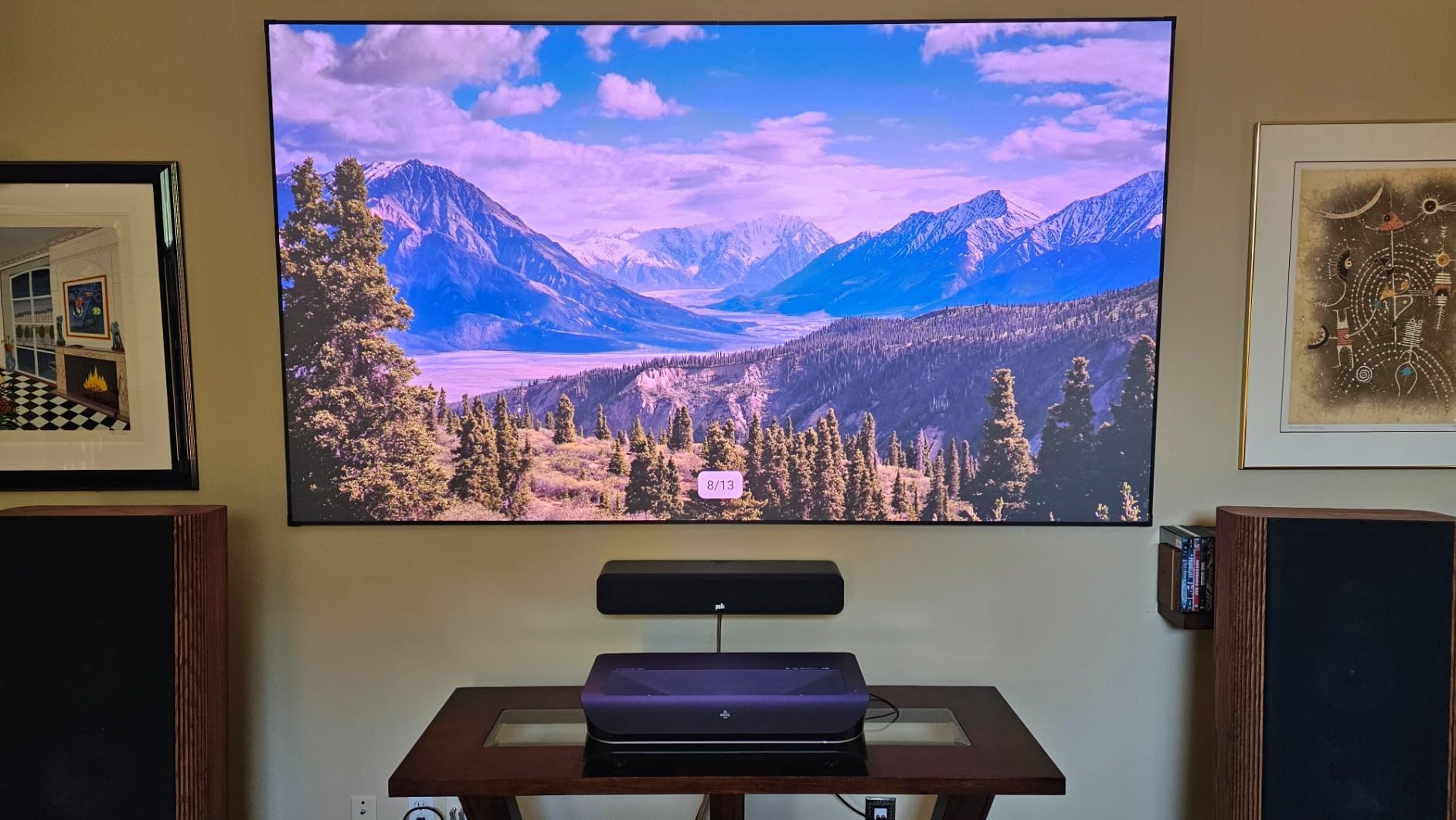
Ultra short throw projectors solve one specific problem brilliantly: getting a large image without running a cable across the room or hanging something from the ceiling. The LTV-3000 Pro throws a 100 inch image from roughly 8.5 inches away and sits flat against the screen wall like a large television, which is why buyers like the near-wall placement so much.
Picture-wise it is a genuine triple laser RGB engine with 107% BT.2020 and 147% DCI-P3 coverage, 3000 ANSI lumens and 2500:1 contrast. Dolby Vision, Dolby Atmos and HDR10+ are all supported, and the built-in center channel speaker is aimed at the listener for dialogue clarity.
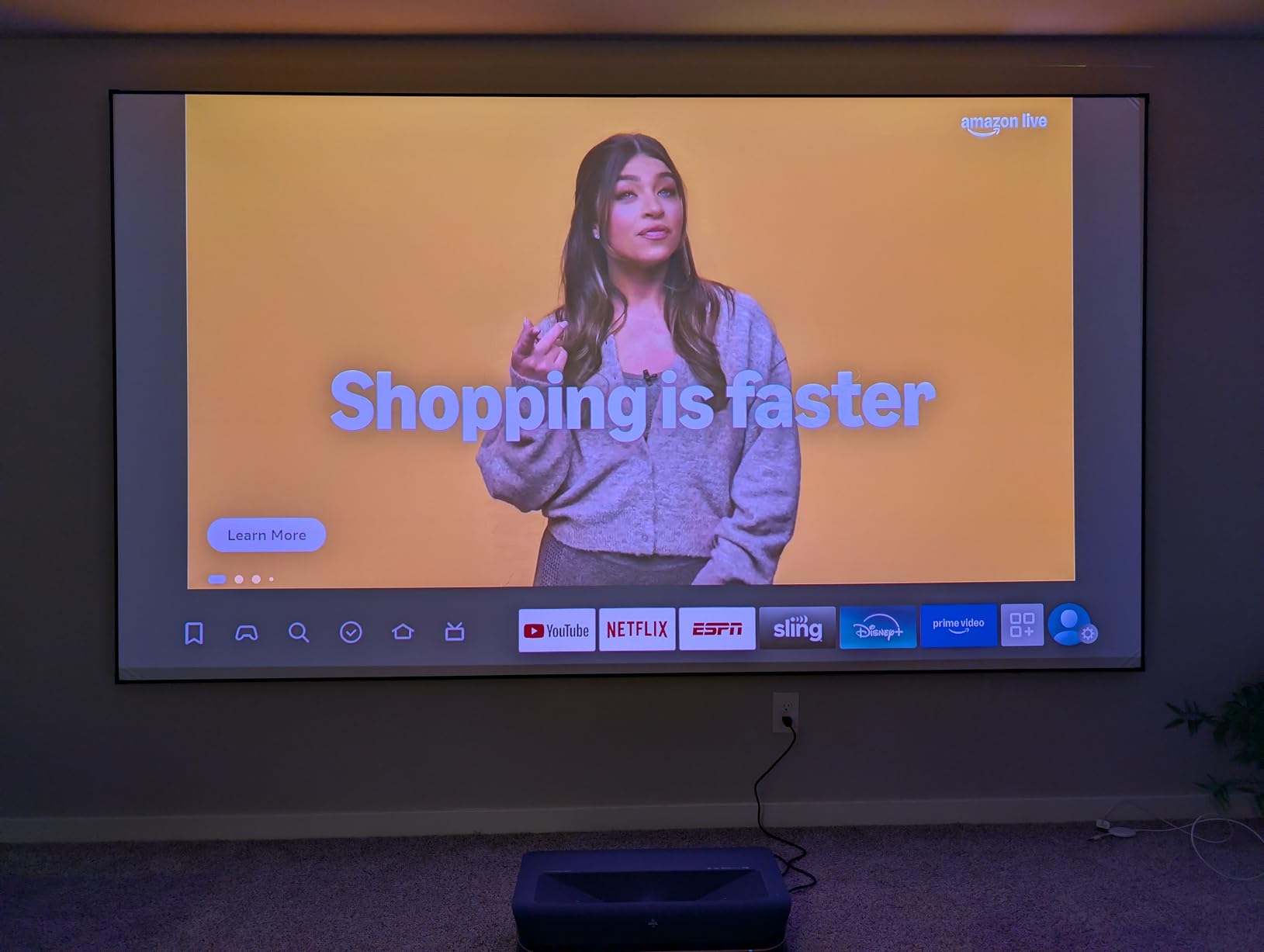
It is also one of only two laser models here with active shutter 3D from a 3D Blu-ray player. PJ-Link IP control works with Control4 and similar automation systems, and the light source is rated at 25,000 hours with a two year warranty.
The catch is the fixed 0.25:1 throw ratio. The unit is 23.6 inches deep and 21.5 inches wide at 28 lb, so it needs a cabinet or console with real depth behind it. If your wall has nothing to hide it inside, plan that furniture purchase before you commit.
Where it fits best in a home theater
Apartment living rooms, dens and rental properties where a ceiling mount is impossible and the image needs to sit on a wall that is also the viewing surface. The 80 to 150 inch range covers most living room walls without scaling down.
Forum discussions about ultra short throw consistently return to the same point: the projector is only as good as the screen behind it, and budget for that separately. If you want a wider look at the format, our guide to projectors for backyard movies covers the placement side.
Where it will disappoint you
Anyone wanting an image beyond 150 inches, and anyone whose wall is too shallow to hide a 23.6 inch deep chassis. Picture quality also depends heavily on controlling light and pairing with a suitable screen, so a bright room will undercut the image.
7. Dangbei MP1 MAX – Best for Easy Setup With No Mounting Hardware
Dangbei MP1 MAX Triple Laser Projector 4K – 3100 ISO Lumens, 110% BT.2020, Google TV with Netflix Officially, 300” Display, 2x12W Dolby Audio DTS:X, HDR10+, Blu-ray 3D
Hybrid triple laser engine
3100 ISO lumens
110% BT.2020 at Delta E under 1
AI auto setup
Pros
- 3100 ISO lumens hybrid triple laser engine works in daytime viewing
- 110% BT.2020 with Delta E under 1 factory accuracy
- InstanPro AI handles focus keystone screen fit and ambient light
- Built-in adjustable stand removes extra mounting hardware
- Google TV with licensed Netflix and HDMI 2.1 eARC
Cons
- About 16.6 lb makes it one of the heavier bodies in this class
- 2 m minimum throw distance needs depth behind the screen
Most projectors are sold on optics. The Dangbei MP1 MAX is sold on what happens in the ten minutes after you unbox it. InstanPro AI runs auto focus, auto keystone, screen fit, obstacle avoidance and an ambient light brightness adjustment, so the projector meters itself to the room before you get to the manual.
The engine is a hybrid triple laser and LED design rated at 3100 ISO lumens, which is bright enough for daytime use without reaching the fan noise of the very brightest models. Color is factory calibrated to 110% BT.2020 at Delta E under 1, the tightest stated tolerance in this roundup.
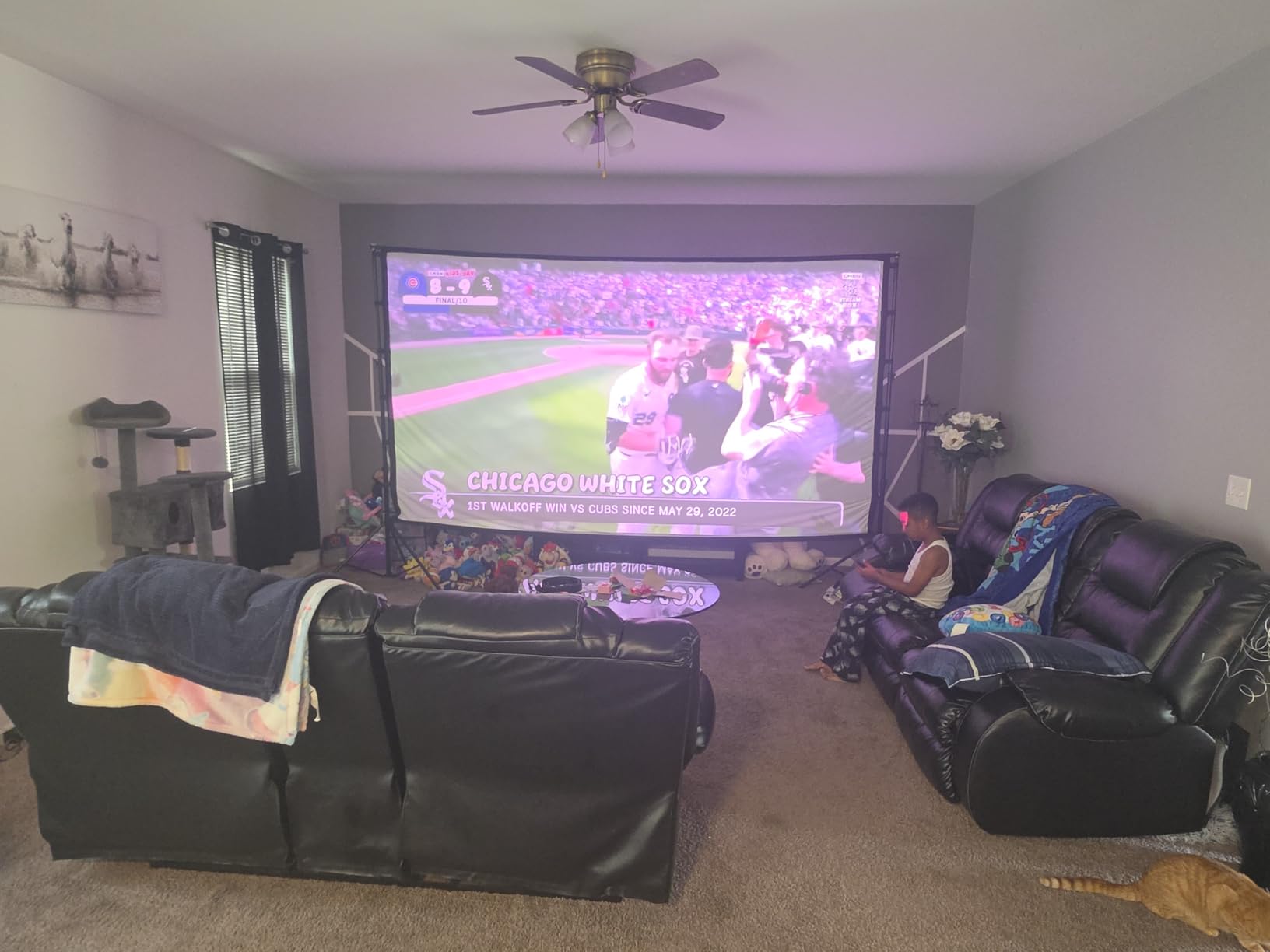
The built-in adjustable stand is the quiet hero. It rotates 360 degrees horizontally and tilts 135 degrees vertically, so you can dial the image into place on a media cabinet without buying a separate mount or a ladder. Audio is dual 12W speakers in a 750cc chamber with bass reflex to 45Hz and Dolby Audio plus DTS:X support.
Streaming is handled by Google TV with officially licensed Netflix and more than 10,000 apps, and HDMI 2.1 with eARC returns audio to a soundbar. HDR10+ and Blu-ray 3D are both supported, the image range runs 40 to 300 inch, and a two year warranty applies.

Where it fits best in a home theater
Living rooms where the projector lives on a console and gets nudged by children or pets, or anyone who does not want to run an install. Auto re-alignment after a bump removes the most common frustration with a permanently placed projector.
It is also a sensible choice for a first home theater build where you want automation features without a professional calibrator.
Where it will disappoint you
Small rooms. The 2 meter minimum throw distance and 4.5 meter maximum mean you need real depth behind the screen wall, so tight spaces rule it out. At roughly 16.6 lb it is one of the heavier bodies here.
8. Epson Home Cinema LS11000 – Best 3LCD Color and Lens Control
Epson Home Cinema LS11000 4K PRO-UHD Laser Projector with HDR10+
3-chip 3LCD laser
2500 lumens ISO white
Motorized lens shift with 10 presets
4K pixel shift
Pros
- Three-chip 3LCD color accuracy rivals single-chip DLP
- 1200000:1 dynamic contrast reveals shadow detail
- Motorized lens shift zoom and focus with 10 memory presets
- Quiet operation with near instant laser start
- 120Hz refresh with under 20ms input lag
Cons
- Very high price for a home theater projector
- No 3D support
- Large 28 lb chassis needs a heavy duty ceiling mount
The Epson Home Cinema LS11000 takes a different route. Where almost everything else in this roundup is a single-chip DLP panel, this uses a three-chip 3LCD laser engine, which produces no rainbow artifacts, no speckle from a color wheel, and color accuracy that owners consistently describe as reference quality.
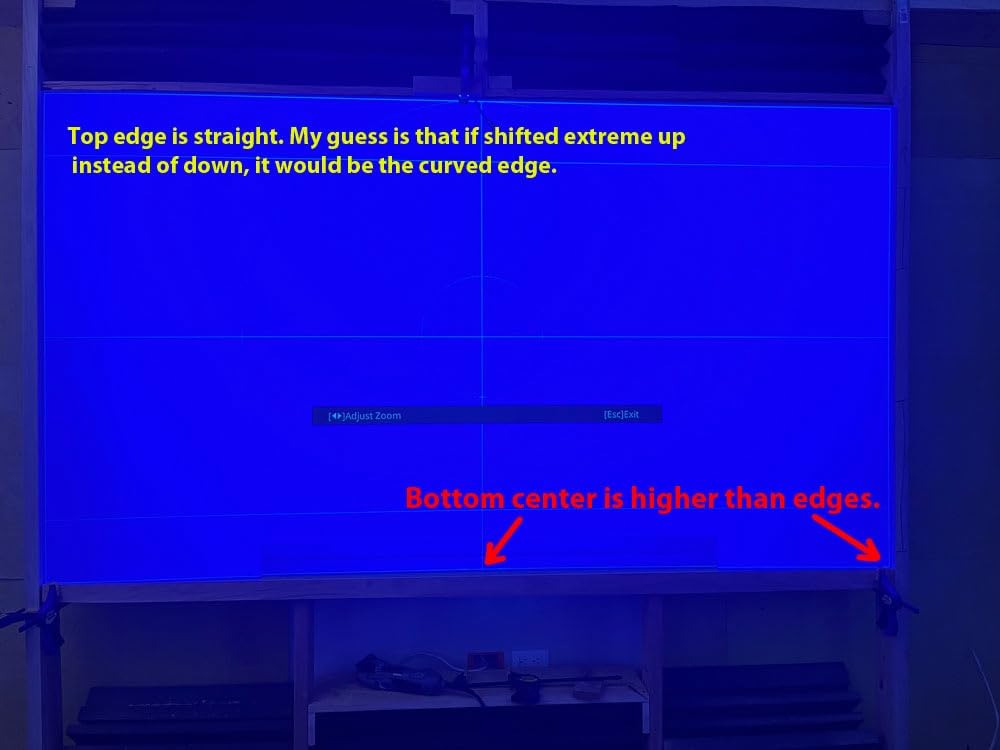
The lens is the standout hardware. A 15-element aspherical glass lens with motorized three-way lens shift of plus or minus 47 percent horizontally and plus or minus 96 percent vertically, plus powered zoom and focus and ten memory presets, is the most flexible adjustment package we found. A single projector can serve two rooms or two screen sizes without manual refocusing.
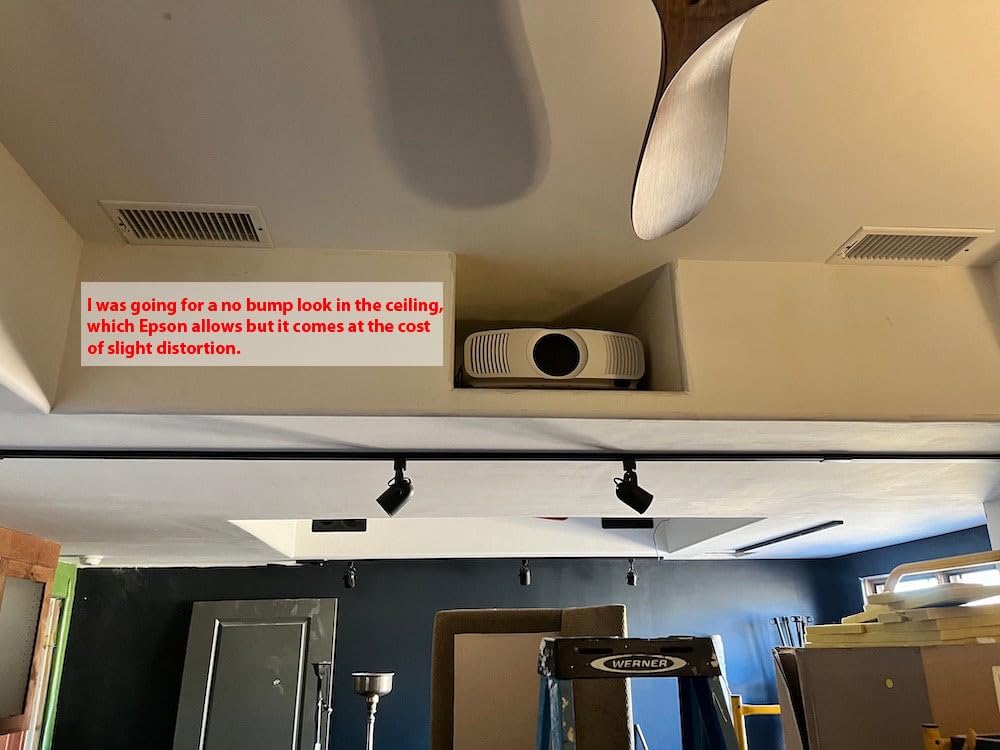
Contrast is the other headline. A 1,200,000:1 dynamic figure with 10-bit HDR processing, HDR10, HDR10+ and HLG support means shadow detail survives in dark cinema content, and Epson Precision 16-step real-time HDR adjustment lets you trim it per scene. The Epson RX 32-bit picture processor drives it all.
Resolution is 3840 x 2160 through pixel-shifted 4K enhancement using 8.29 million on-screen pixels, with up to a 300 inch image across a 5 foot to 62 foot throw. Dual HDMI supports 120Hz with eARC passthrough, input lag is under 20ms, and the light source is rated at 20,000 hours.
Where it fits best in a home theater
Dedicated dark rooms built for long movie nights, especially if anyone in the house is sensitive to rainbow artifacts or to laser speckle. The ten lens memory presets also make it a strong choice for people who move between a living room and a theater.
Sports and daytime viewing benefit from the 3LCD brightness consistency, since LCD panels do not dim the way some single-chip designs do as the color wheel warms.
Where it will disappoint you
Budget-constrained buyers and 3D fans. At 28 lb with a 17.6 by 20.5 inch footprint it demands a serious ceiling mount, and there is no 3D support at all. Picture quality also drops noticeably in rooms with heavy ambient light.
9. ViewSonic LX700-4K – Best for Console Gaming at Native 4K
ViewSonic LX700-4K 4K UHD Laser Gaming Projector 3500 Lumens 240Hz Xbox
Native 3840 x 2160
3500 ANSI lumens
240Hz and 4.2ms input lag
1.3x optical zoom
Pros
- Native 4K UHD with high ANSI lumen brightness for living room use
- 240Hz refresh rate and 4.2ms input lag
- 1.3x optical zoom plus vertical lens shift and 360 degree projection
- HDR and HLG with ViewSonic SuperColor wide gamut
- Compact 7.3 lb body that suits ceiling mounting
Cons
- Requires an external streaming device for smart apps
- Single-chip DLP contrast is less convincing in fully dark rooms
The LX700-4K is built around a simple premise: a bright native 4K panel with gaming latency that a console player will not notice. At 3500 ANSI lumens it is bright enough for a room with some daylight, and 240Hz refresh with 4.2ms input lag puts it near the top of this list for competitive play.
It also throws a 100 inch image from 7.7 feet, which makes it one of the easier units here to place on a conventional shelf. A 1.3x optical zoom, vertical lens shift, horizontal and vertical keystone and four-corner adjustment cover the correction tools, and 360 degree plus curved-screen projection widen the placement options further.
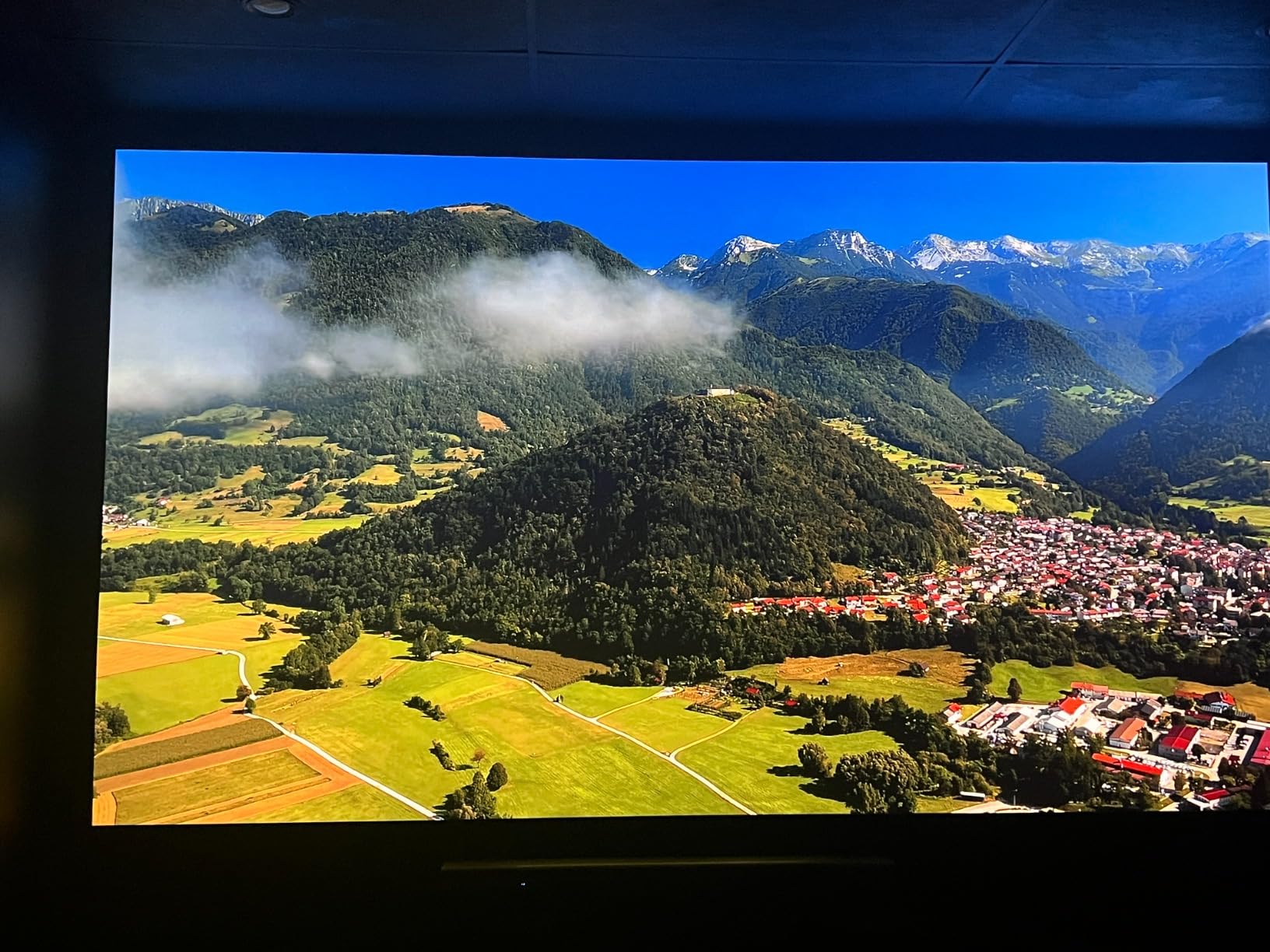
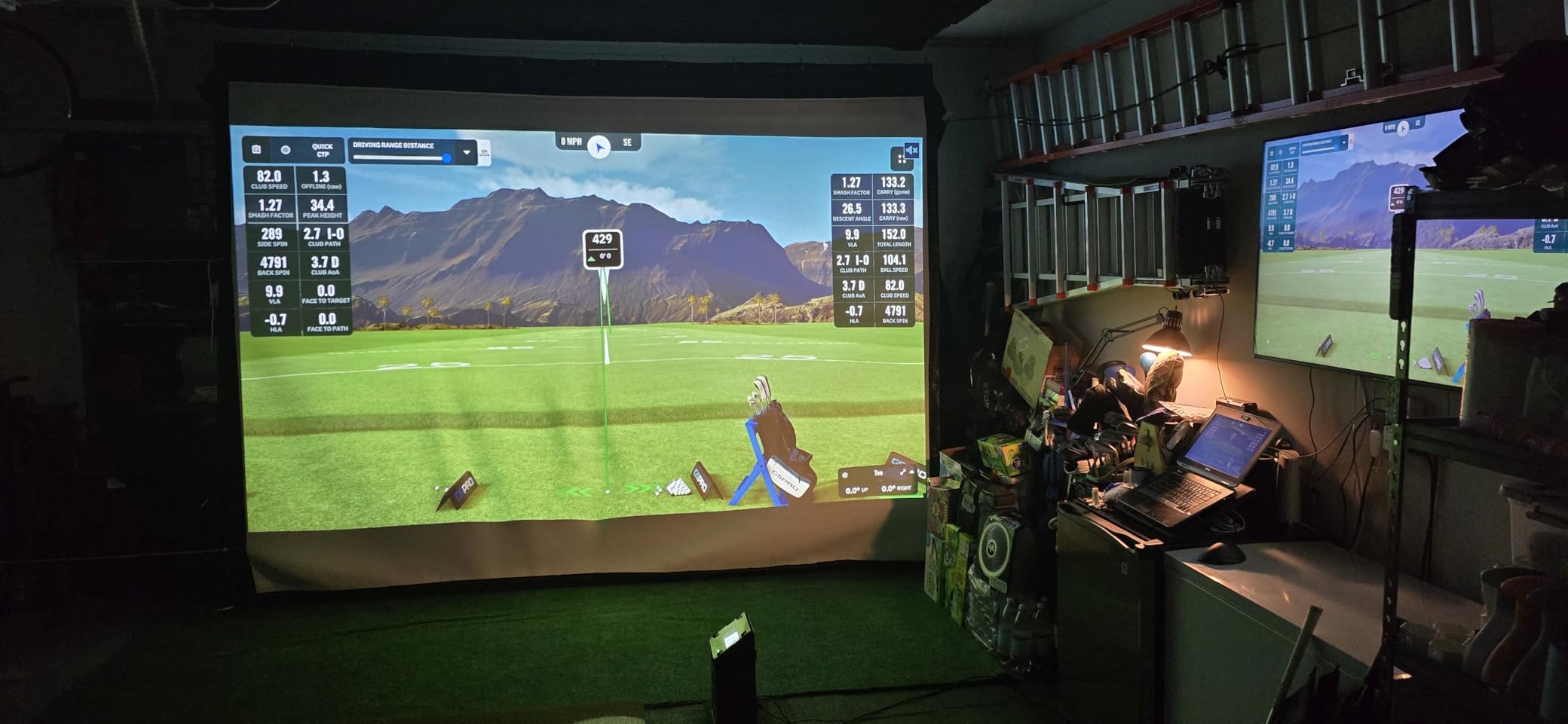
HDR and HLG are supported alongside ViewSonic SuperColor wide gamut processing, and there is a dedicated golf simulation mode. The image range is 30 to 300 inch with a 1 to 7 meter throw window, and the light source is rated at 20,000 hours with a three year parts and labor warranty.
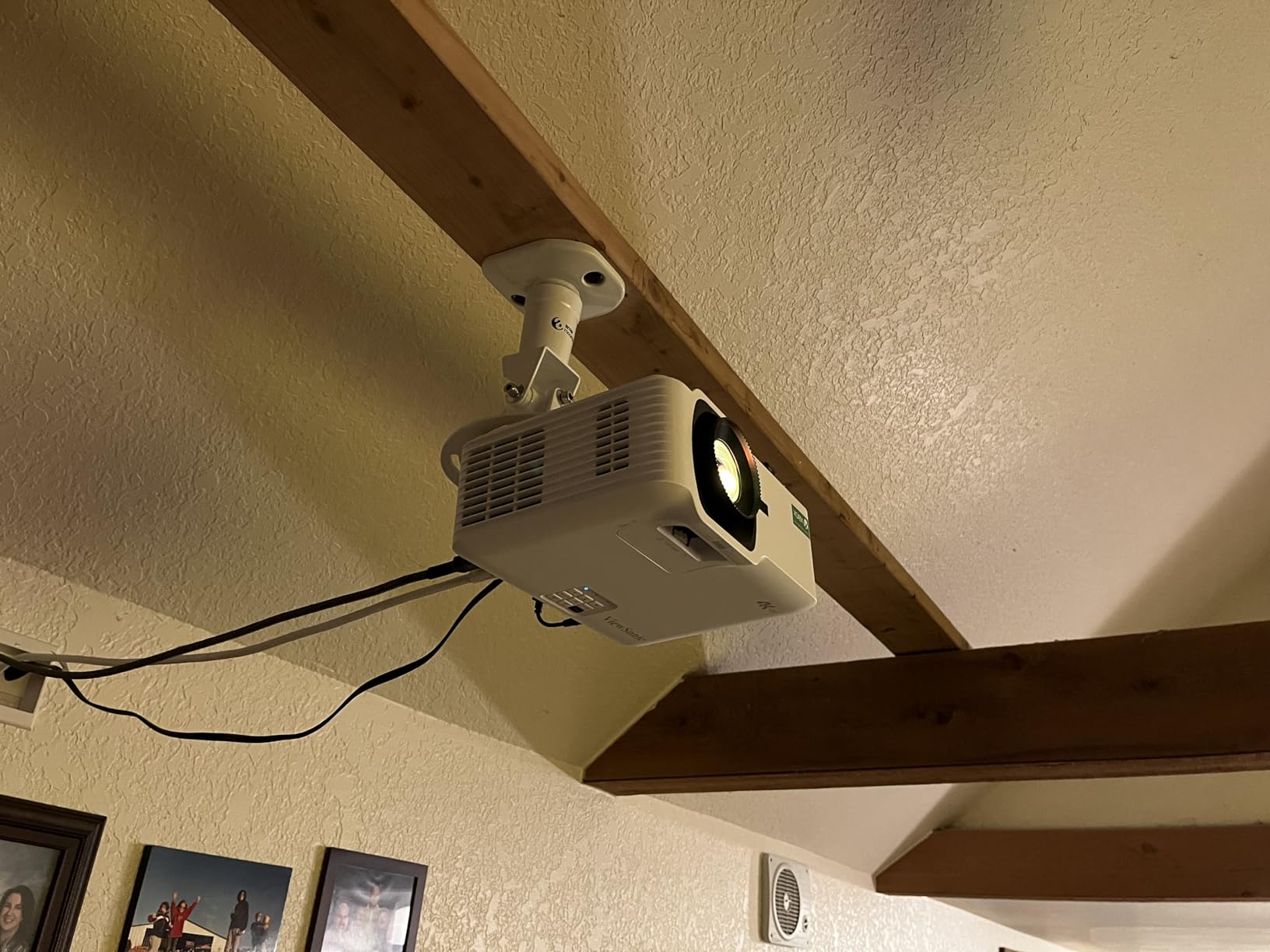
The body is 7.3 lb at 11.3 by 5 by 8.5 inches, so it is the lightest 4K laser unit in this roundup and the easiest to mount on a ceiling in a room with limited headroom.
Where it fits best in a home theater
Living room and media room setups where the console is the main source and the room is not fully dark. The brightness headroom means it works without an ALR screen, and the low weight suits a ceiling mount in a room with tight joists.
It is also a good match for sports viewing, where high brightness and low latency matter more than deep black levels.
Where it will disappoint you
Dedicated dark theater rooms built for maximum contrast. Single-chip DLP black levels are modest next to a triple laser or 3LCD engine, and there are no built-in streaming apps, so you need a streaming device on an HDMI input.
10. ViewSonic LS740HD – Best 1080p Value for Big or Bright Rooms
ViewSonic LS740HD 1080P Laser Projector, 5500 Lumens, Full HD Home Theater
Native 1920 x 1080
5500 ANSI lumens
1.13 to 1.47 throw ratio
20,000 hour laser life
Pros
- Very high 5500 ANSI lumens brightness for the money
- Laser light source rated up to 30000 hours in Dynamic Eco mode
- 1.3x optical zoom plus keystone four-corner portrait and 360 degree projection
- 30 to 300 inch image range
- Built-in 15W speaker with dual HDMI and RS232
Cons
- Only 1920 x 1080 native resolution
- Smart streaming features are limited against Google TV models
- Not a triple laser unit so color and contrast are more basic
The LS740HD makes the case that for many rooms, 1080p at very high brightness beats 4K at moderate brightness. At 5500 ANSI lumens it is the brightest projector in this roundup, and it costs less than half what the native 4K models do.
That brightness unlocks rooms the other picks cannot serve: a garage, a basement with a small window, a playroom during the day. The image scale runs from 30 inch all the way to 300 inch, and the 1.13 to 1.47 throw ratio with 1.3x optical zoom means it fits most room depths.
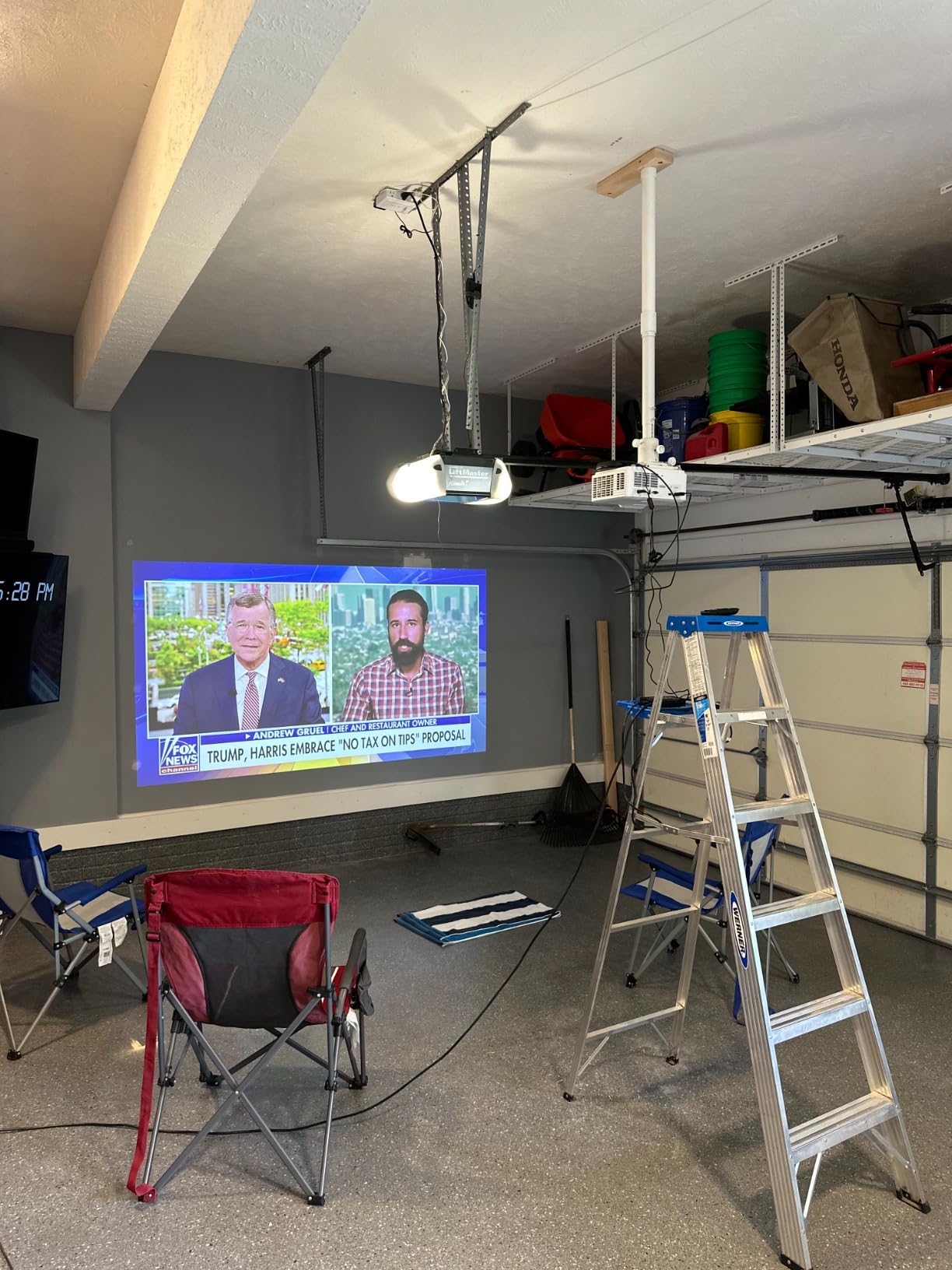
Installation flexibility is genuinely useful. Horizontal and vertical keystone, four-corner adjustment, portrait mode and 360 degree projection mean it can handle a side wall, a ceiling and a vertical art surface without special hardware. A built-in 15W speaker and a golf mode round out a spec sheet aimed at mixed-use spaces.
The laser light source is rated at 20,000 hours, extending to 30,000 hours in Dynamic Eco mode, and the contrast figure is a 3,000,000:1 dynamic number typical of this class. At 6.6 lb it is the lightest unit here.
Where it fits best in a home theater
Secondary theater spaces, playrooms, garages and any room where ambient light cannot be controlled. A 3,000,000:1 dynamic contrast specification and 300 inch maximum make it useful for event-style viewing too.
For ambient viewing of movies on a patio or in a daytime space, it pairs naturally with the kind of setup described in our backyard movie projector guide, which covers weather and throw considerations in more detail.
Where it will disappoint you
Anyone who sits close to a 100 inch screen. At 1920 x 1080 native, pixels become visible at typical seating distances where a native 4K panel would still look smooth, and the single-laser color engine lacks the gamut of a triple laser unit.
How to Choose a Laser Projector for a Home Theater
Measure your throw distance before you choose anything
Throw distance is the number that decides whether a projector fits your room, and it is the one most buyers skip. Take the distance from the front of the lens to your screen wall, then check the manufacturer’s minimum and maximum. For a standard long throw unit with a 1.3:1 ratio, a 100 inch diagonal 16:9 image needs roughly 11 feet of lens-to-screen distance. Short throw units reach the same size from around 6 feet, and ultra short throw units need under a foot.
The reverse calculation is the useful one. If your room is only 9 feet deep and you want 120 inches, a long throw projector will not do it and a short throw or ultra short throw model will. Several picks above include the minimum throw figure in their specs: the Dangbei MP1 MAX needs 2 meters minimum, which rules out small rooms outright, while the JMGO N1S starts at 1 meter.
How much brightness do you actually need?
Brightness marketing is measured under laboratory conditions that do not resemble your living room, so the ANSI lumens figure is a starting point rather than an answer. In a fully blacked-out dedicated room, 1500 to 2500 lumens is genuinely enough for a 100 inch image, because there is no competing light. In a room with curtains and a lamp on, 3000 lumens is a better target. For daytime use or a screen larger than 120 inches, move to 4000 lumens and above, which is where the JMGO N3 Ultimate at 5800 ISO lumens and the ViewSonic LS740HD at 5500 ANSI lumens make their case.
Screen size moves the requirement too. Light spreads across the image area, so doubling the image width cuts perceived brightness noticeably. Doubling from 100 to 130 inches asks far more of a projector than going from 80 to 100.
Single laser or triple laser RGB?
Triple laser RGB units run three separate lasers, one per primary color, with no color wheel. That removes two problems at once: no rainbow effect on dark scenes, and far wider color coverage, typically 107% to 118% BT.2020 on the models here. The cost is laser speckle, the granular sparkle visible on dark content, which is the single most common complaint from owners of RGB engines. Seating further back and using a matte white screen both reduce its visibility.
Single laser phosphor units are brighter for the money and have no speckle at all, which is why the Epson LS11000 and the ViewSonic models appear on this list. If your room has ambient light, brightness usually beats color coverage.
Lens shift beats keystone correction
Keystone correction rescales the digital image to fix geometry, which costs you pixels at the edges and softens the whole picture. Lens shift physically moves the lens element instead, so no resolution is lost. The Epson LS11000, JMGO N3 Ultimate and XGIMI HORIZON 20 all offer motorized lens shift, and that single feature tells you how seriously the manufacturer treats installation.
Do you need a special screen, and does laser maintenance matter?
Any projector benefits from a proper screen, but laser units are more particular than lamp units. An ALR or fresnel screen is often the difference between a usable and a disappointing image for ultra short throw models, and forum buyers consistently note that screen cost can approach the cost of an entry-level projector. Budget for it rather than discovering it later.
On maintenance, laser light sources are rated in the 20,000 to 25,000 hour range, against roughly 3,000 to 5,000 hours for a lamp before a replacement is needed. Brightness decays gradually rather than dropping off a cliff, so the practical comparison is fewer service visits over five years of ownership and no bulb budget to plan for. If you want a different way to spend an evening, our picks for galaxy projectors cover the ambient-lighting side of the category.
Frequently Asked Questions
What is the best projector for a home theatre system?
For most home theatre systems the Valerion StreamMaster Plus2 is the strongest all-round choice: native 4K from an RGB triple laser engine, 110% Rec.2020 color coverage and 4ms input lag at 240Hz. In a room you cannot fully dark out, choose the Hisense C3 Ultra at 4000 ANSI lumens instead.
What is the best projector to buy for a home theatre?
Start with your room rather than the spec sheet. A blacked-out dedicated room suits a bright triple laser unit such as the JMGO N3 Ultimate or the XGIMI HORIZON 20, while a living room with daylight suits a short throw model like the ViewSonic LX700-4K. Ultra short throw designs such as the AWOL VISION LTV-3000 Pro solve rooms where no ceiling mount is possible.
What is the best type of projector for home theater?
A single-chip DLP projector with a laser light source is the most practical type for most homes because it is compact, quiet and needs no bulb replacement. Three-chip 3LCD models such as the Epson Home Cinema LS11000 give the most accurate color with no rainbow artifacts, while triple laser RGB models such as the Valerion StreamMaster Plus2 give the widest color range.
Is laser projection better in theaters?
For home theater use, yes on brightness consistency, contrast, startup speed and maintenance. Laser units reach full brightness immediately with no warm-up, run quieter, and last 20,000 to 25,000 hours against roughly 3,000 to 5,000 for a lamp before replacement. The trade-off is laser speckle on RGB triple laser models and a higher purchase price.
Is a triple laser projector worth it?
Triple laser RGB removes the color wheel, which eliminates most rainbow artifacts and pushes color coverage to 107% or more of BT.2020. The trade-off is visible laser speckle on dark scenes, which is reduced by viewing from further back and using a matte white screen. In a dark dedicated room the color gain is usually worth it.
How many lumens do I need for a dedicated home theater?
A fully blacked-out room needs far less than the numbers suggest: 1500 to 2500 ANSI lumens handles a 100 inch image comfortably. A room with curtains and lamps wants around 3000 lumens, and daytime viewing or screens above 120 inches want 4000 lumens or more.
Do laser projectors need a special screen?
Any screen improves the image, but laser units benefit more than lamp units. Ultra short throw and triple laser models pair well with ALR or fresnel screens that reject ambient light and absorb stray light from the chassis. Matte white screens are the safer default because they reduce visible laser speckle that glossy surfaces amplify.
Which Laser Projector Should You Buy?
For most people building a home theater in 2026, the Valerion StreamMaster Plus2 is the answer: native 4K, real RGB triple laser color, and the lowest input lag in this roundup. If your room has daylight you cannot block, step up in brightness to the Hisense C3 Ultra, and if you cannot run a ceiling mount or hide a cable, the AWOL VISION LTV-3000 Pro puts a 150 inch image on a wall instead.
Check your throw distance, count your ambient light, and buy the screen at the same time you buy the projector. Those three decisions matter more than any single number on a spec sheet.