
The best reflector telescopes for deep sky objects are the ones that gather the most light per dollar, hold steady while you observe, and stay out of your way while you hunt targets. Mirrors beat every other design on aperture-per-cost, so a reflector at a given budget shows galaxies, nebulae and star clusters noticeably brighter than a refractor of the same size. These eight Newtonian reflectors cover everything from a 114mm phone-guided starter to a 150mm tabletop Dobsonian.
Deep-sky observing punishes weak mounts and thin apertures. A wobbly telescope turns a faint smudge into an unsteady blur, and a small mirror simply cannot collect enough photons from an object spread across a degree of sky. Our team compared the eight most-reviewed reflectors that clear a real review-count threshold, read the specification data behind each one, and checked what owners actually report after months of use rather than on night one.
Everything below was selected on published specs and owner feedback, and the ordering reflects how much deep-sky capability each telescope delivers for the money. We updated the list for 2026, and the advice holds whether you are starting your first night out under suburban skies or moving up from a department-store scope. If you are still deciding how much aperture you need, start with the ladder in our buying guide further down, then come back to the picks.
Table of Contents
Top 3 Picks for Deep Sky Observing in 2026

Celestron AstroMaster 130EQ
- 130mm aperture at 650mm for f/5 wide fields
- German equatorial mount with dual slow-motion knobs
- StarPointer red dot finder and 20mm plus 10mm eyepieces included

Sky-Watcher Heritage 150
- 150mm parabolic primary with RAQ coating
- Fast f/5 design at 750mm focal length
- Collapsible tabletop tube with rubber feet
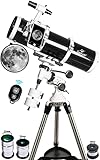
Gskyer 130EQ
- 130mm all-glass multi-coated optics
- Short 24 inch tube at f/5 on a German EQ mount
- Toothless focusing base with three eyepieces
The Celestron AstroMaster 130EQ takes the top slot because it balances the two things a deep-sky observer cannot compromise on: a 130mm light bucket and a German equatorial mount that actually tracks. The Sky-Watcher Heritage 150 wins on tabletop convenience and the largest aperture in this group, and the Gskyer 130EQ stands out as the shortest tube with a fast f/5 ratio for sweeping wide fields of nebulosity.
Quick Comparison for Best Reflector Telescopes for Deep Sky Objects in 2026
| Product | Specifications | Action |
|---|---|---|
| Celestron AstroMaster 130EQ |
|
Check Latest Price |
| Sky-Watcher Heritage 150 Tabletop Dobsonian |
|
Check Latest Price |
| Gskyer 130EQ Professional Reflector |
|
Check Latest Price |
 MEEZAA 150EQ Newtonian Reflector Kit MEEZAA 150EQ Newtonian Reflector Kit |
|
Check Latest Price |
 Dianfan 150EQ Astronomy Telescope Dianfan 150EQ Astronomy Telescope |
|
Check Latest Price |
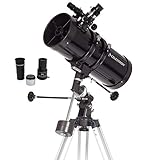 Celestron PowerSeeker 127EQ Reflector Celestron PowerSeeker 127EQ Reflector |
|
Check Latest Price |
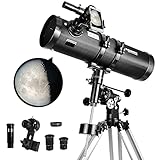 SOLOMARK Polaris 130EQ Newtonian SOLOMARK Polaris 130EQ Newtonian |
|
Check Latest Price |
 Celestron StarSense Explorer LT 114AZ Celestron StarSense Explorer LT 114AZ |
|
Check Latest Price |
1. Celestron AstroMaster 130EQ: Best Overall Reflector for Deep Sky
Celestron AstroMaster 130EQ Telescope for Deep-Sky Beginners
130mm aperture
650mm focal length
f/5 focal ratio
German equatorial mount
17 pounds
Pros
- German equatorial mount tracks drifting targets with two slow-motion knobs
- Tool-free assembly takes minutes
- 130mm aperture with aluminum and SiO2 coatings
- Includes 20mm erecting eyepiece plus 10mm eyepiece
- Two-year warranty with US-based support
Cons
- Not suitable for astrophotography without modification
- Tripod legs are light steel and can feel unstable when fully extended
- One slow-motion knob has limited travel before hitting a stop
This is the scope we keep coming back to because the mount is the reason it works. Both axes have slow-motion cables, so once you centre a galaxy you can follow it in one direction with a thumb screw instead of chasing it across the sky. Reviewers repeatedly single the mount out as the best in its class, and that stability is exactly what deep-sky observing demands on a night when the seeing is soft.
Optically it is a 130mm Newtonian at 650mm, which works out to f/5. That means the 20mm eyepiece gives about 33x and shows a field wide enough to hold the Andromeda Galaxy, the Orion Nebula and the Pleiades with room around them. A 10mm eyepiece doubles that to roughly 65x, which is where the Virgo galaxy cluster starts to show real structure.
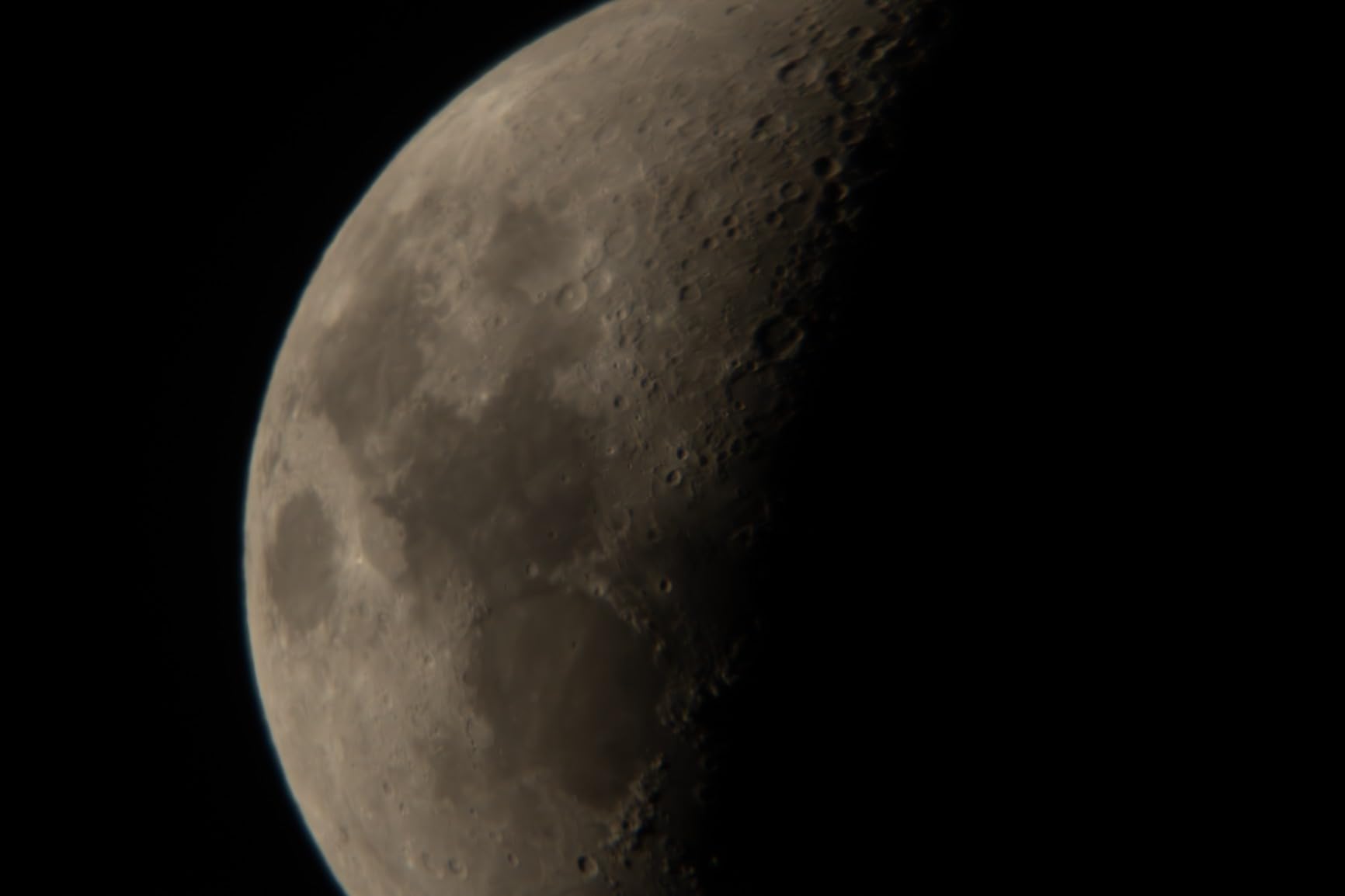
The two things owners accept as the price of entry are collimation and the tripod. Newtonian mirrors need their optics aligned before they deliver contrast, and this one is no exception, so budget an afternoon with a laser collimator before your first night. The steel tripod is adjustable and stable enough for seated or standing use, though owners note it can feel shaky when fully extended.
Photography is the clear boundary here. Owners are explicit that this mount cannot support long exposures without modification, and sub-second snapshots of a bright target are about the limit. If imaging is part of your plan, treat this telescope as a visual instrument and read our picks on the wider-field scopes further down.
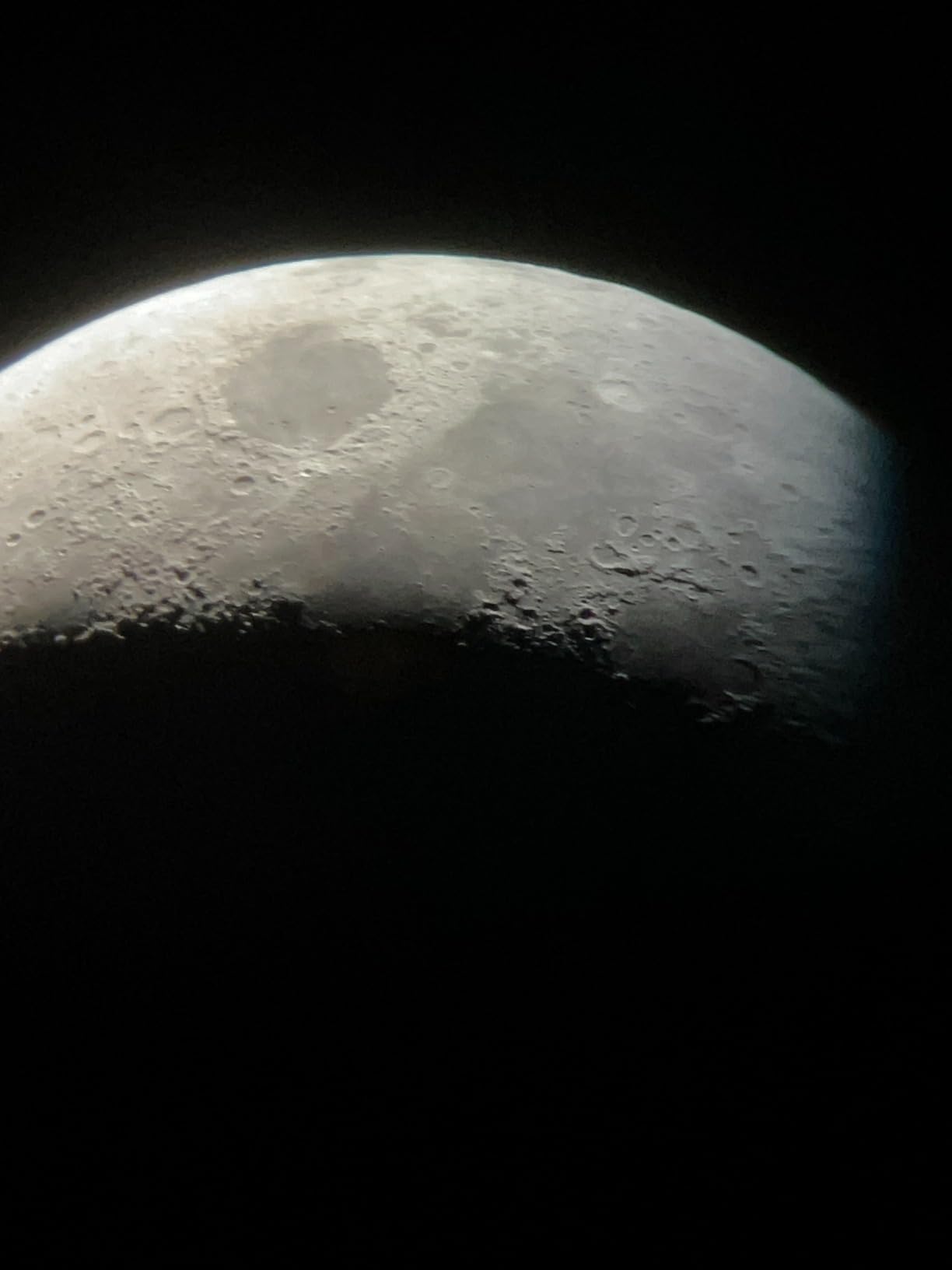
What a 130mm f/5 shows on real deep sky targets
At f/5 with a 25mm wide-field eyepiece, M31 fills a large part of the view and its dust lanes start to show from a reasonably dark site. The Ring Nebula at higher power resolves as an annulus rather than a fuzzy dot, and the Hercules cluster M13 begins to break into individual stars at the edges with a 10mm eyepiece.
Owners report strong lunar and planetary results too, with Jupiter’s bands and Saturn’s rings clearly visible on steady nights. Reviewers note the included 20mm eyepiece carries an erect image corrector, which flips the view for daytime terrestrial use, and that the StarPointer red dot finder is awkward to zero precisely for some users.
When this is the wrong reflector to buy
Skip it if your priority is astrophotography, since the mount cannot track, or if you plan to move the telescope alone. At 17 pounds the whole assembly is manageable for one adult but awkward on stairs or uneven ground. Buyers who already own a 130mm Newtonian at f/5 will gain little here beyond the better mount.
It also suits people who dislike apps and motors. Pointing is fully manual, and finding faint galaxies by star-hopping takes practice that some owners find frustrating at first. If guided pointing matters more to you than manual tracking, the StarSense model later in this list solves that problem in a different way.
2. Sky-Watcher Heritage 150 Tabletop Dobsonian: Best Reflector for Tabletop Observing
Sky-Watcher Heritage 150 Tabletop Dobsonian Telescope – Perfect for Beginners, Easy Setup, Portable, and Fun (S11710)
150mm aperture
750mm focal length
f/5 focal ratio
Tabletop Dobsonian base
23 pounds
Pros
- 150mm aperture with borosilicate parabolic primary and RAQ coating
- Fast f/5 ratio well suited to wide-field deep sky
- Collapsible tube keeps collimation while improving portability
- Rubber feet damp vibration on a table
- Two-year manufacturer warranty
Cons
- Manual altazimuth motion means targets drift out of view
- Tabletop format needs a solid table at a comfortable seated height
- 750mm focal length limits magnification per eyepiece
This is the largest aperture on the list, and the design is the cleanest. A Dobsonian base has no polar alignment to dial in and no slow-motion cables to tangle, so setup takes minutes and the friction tension across both axes is set by hand to suit your weight. For pure visual deep-sky work that simplicity is hard to beat.
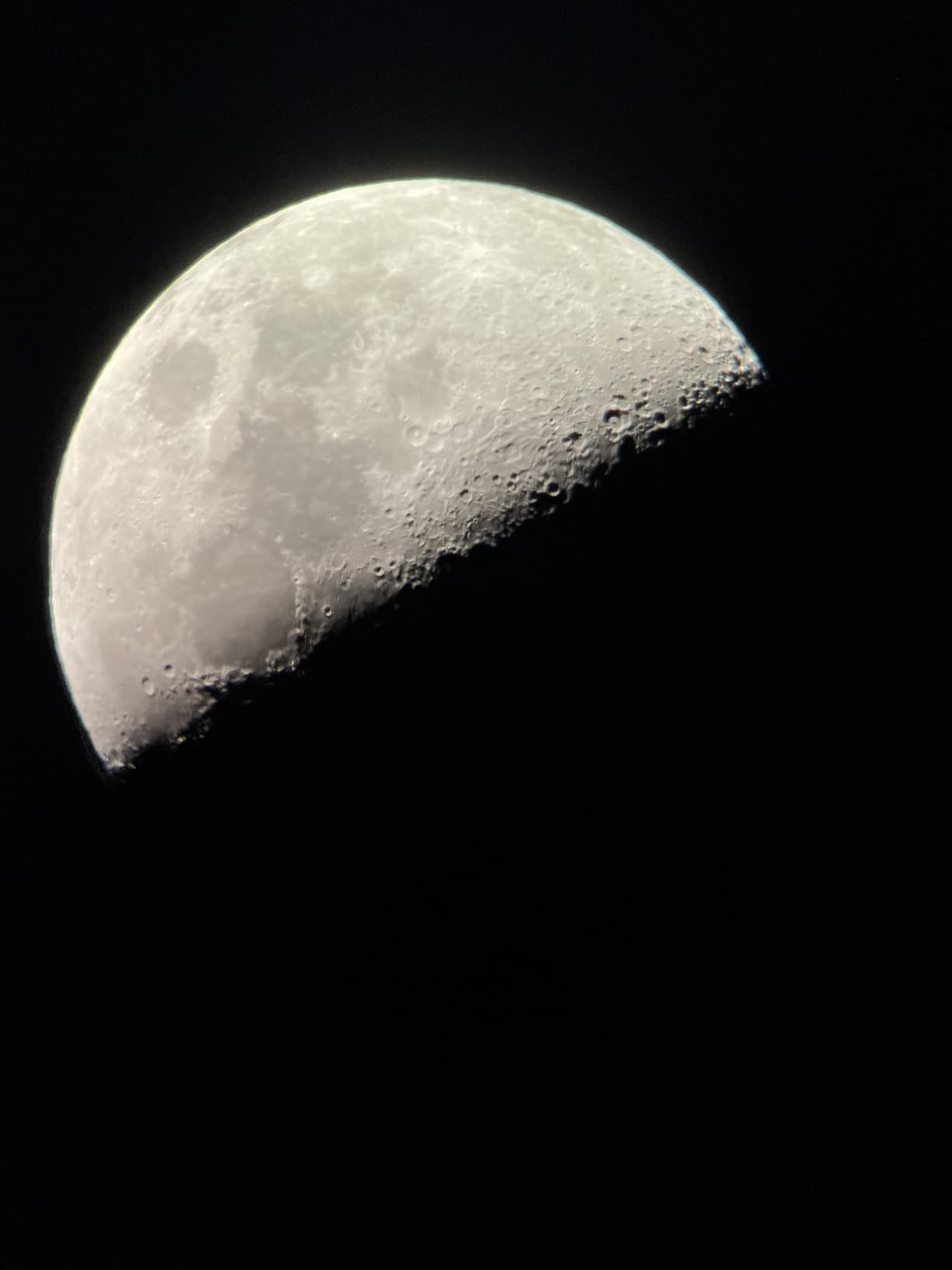
At 150mm and 750mm the scope runs f/5, matching the wide-field sweet spot. Owners describe crisp, contrast-rich views of the Moon and planets and wide views of large deep-sky clusters at low power. The parabolic primary carries Sky-Watcher’s Radiant Aluminum Quartz coating, which is designed to hold reflectivity through the night as temperature changes.
The collapsible tube is the detail most owners mention. Because the tube separates into two sections for transport, this 150mm reflector fits in a closet or a car more easily than a full-length Dobsonian, and owners report that the design retains collimation after being collapsed and reassembled. Rubber feet underneath add stability and damp vibration when the scope sits on a table.
Two caveats are worth planning around. Because the base is altazimuth with manual friction only, an object drifts out of the field within a minute or two at higher magnification, and you re-centre constantly. And the 750mm focal length gives about 30x with a 25mm eyepiece, so planetary detail needs a Barlow or shorter focal length to reach useful power.
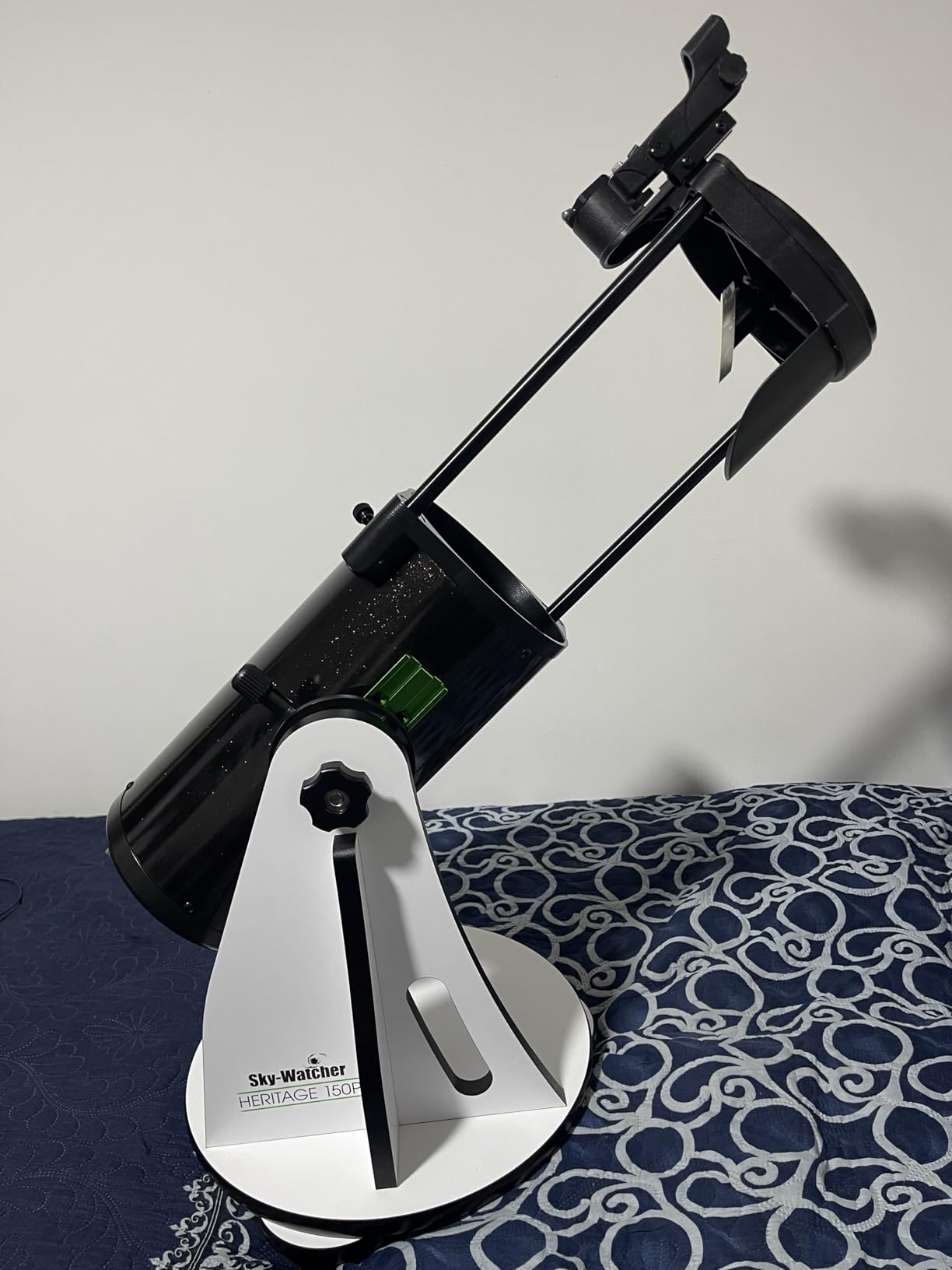
Checking whether a tabletop Dobsonian suits your space
Measure your table or stand before you buy, because the scope is designed to sit still at a fixed height rather than be carried around. The listed dimensions are 24 by 17 by 17 inches and the weight is 23 pounds, which is realistic for a tabletop unit but awkward for anyone wanting a grab-and-go instrument.
Owners also note the focuser is a 1.25-inch helical design, smooth and easy to adjust but limited compared with the two-inch dual-speed focusers on larger Dobsonians. That matters more if you plan to add wide-field two-inch eyepieces later, since a 1.25-inch focuser caps what you can use.
Where this telescope will frustrate you
Buyers expecting motorized tracking should look elsewhere, since nothing here follows a target for you. Observers who want to image should also skip it, as a tabletop Dobsonian is a visual instrument only. Anyone needing very high magnification for small planetary nebulae will find the 750mm focal length short of the reach they want.
One more consideration is feedback volume. With just over a hundred reviews, this is the least-reviewed telescope here, so long-term durability reports are thinner than for the Celestrons. Owners are enthusiastic, but the evidence base is younger.
3. Gskyer 130EQ: Best Short-Tube f/5 Reflector on an Equatorial Mount
Gskyer 130EQ Professional Astronomical Reflector Telescope
130mm aperture
650mm focal length
24 inch tube at f/5
German EQ mount
30.1 pounds
Pros
- All-glass multi-coated 130mm optics for bright deep-sky views
- Short 24 inch tube at f/5 makes setup and transport simple
- German EQ-130 mount tracks manually and precisely
- Unusually complete bundle with three eyepieces and a Barlow
- Bluetooth remote for phone photo and video capture
Cons
- Listed 307x maximum magnification far exceeds useful power for a 130mm f/5
- Heavy at 30.1 pounds and the least portable option here
- Supplied finder and eyepieces are entry level
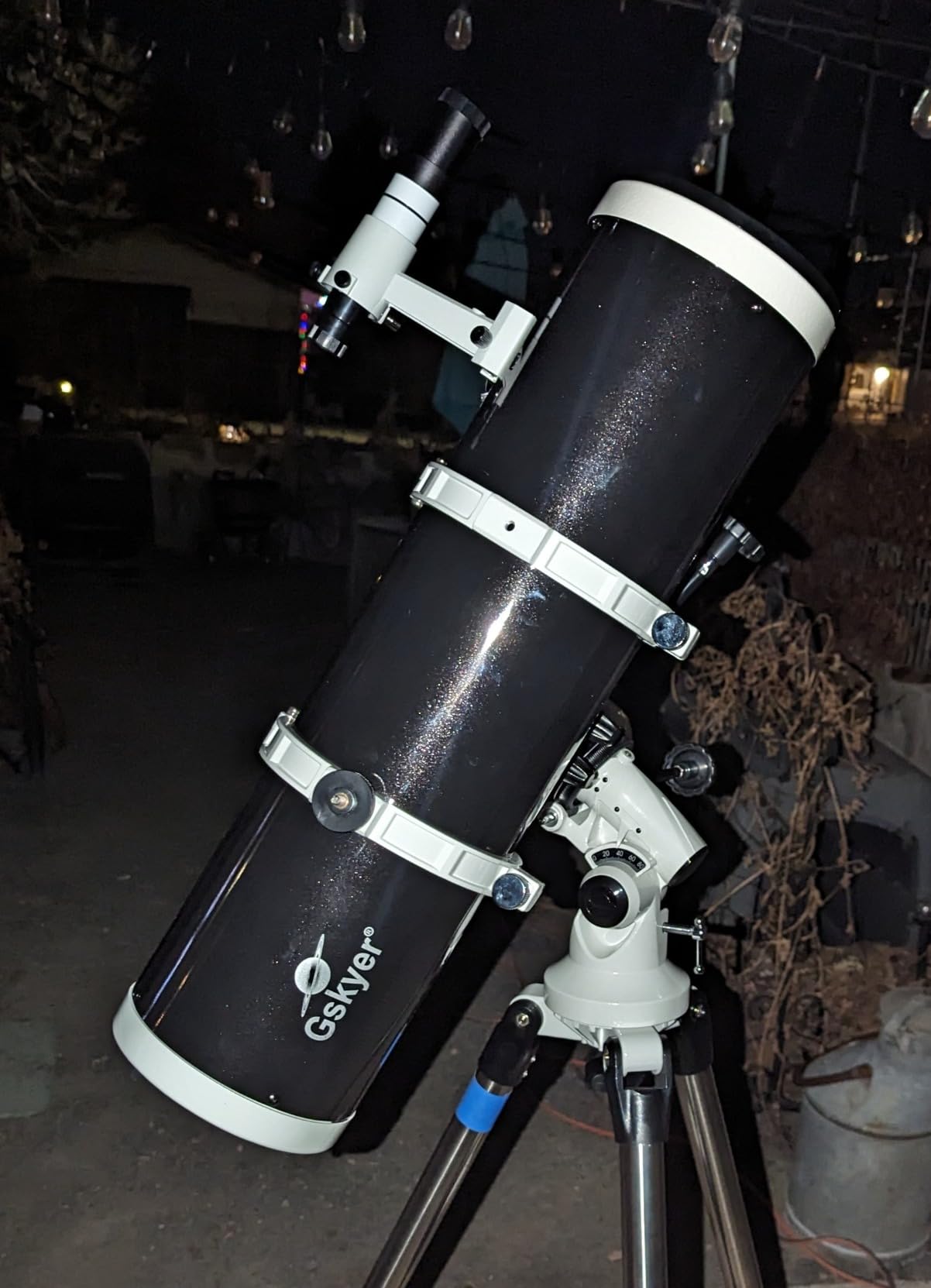
This scope has the highest average rating in the group, and the reason is a combination that rarely appears together: all-glass multi-coated optics, a fast f/5 ratio and a proper German equatorial mount. The 24 inch tube is short enough to carry in one hand while the EQ-130 mount gives you the manual tracking the tabletop Dobsonian lacks.
Owners describe bright, clear views of the Moon, planets, galaxies, nebulae and open clusters. With a 25mm eyepiece the 650mm focal length gives roughly 26x and a very wide field, so sweeping the Milky Way and filling the view with large emission nebulae is this telescope’s strongest habit. A 10mm eyepiece pushes past 60x for globular clusters and smaller galaxies.
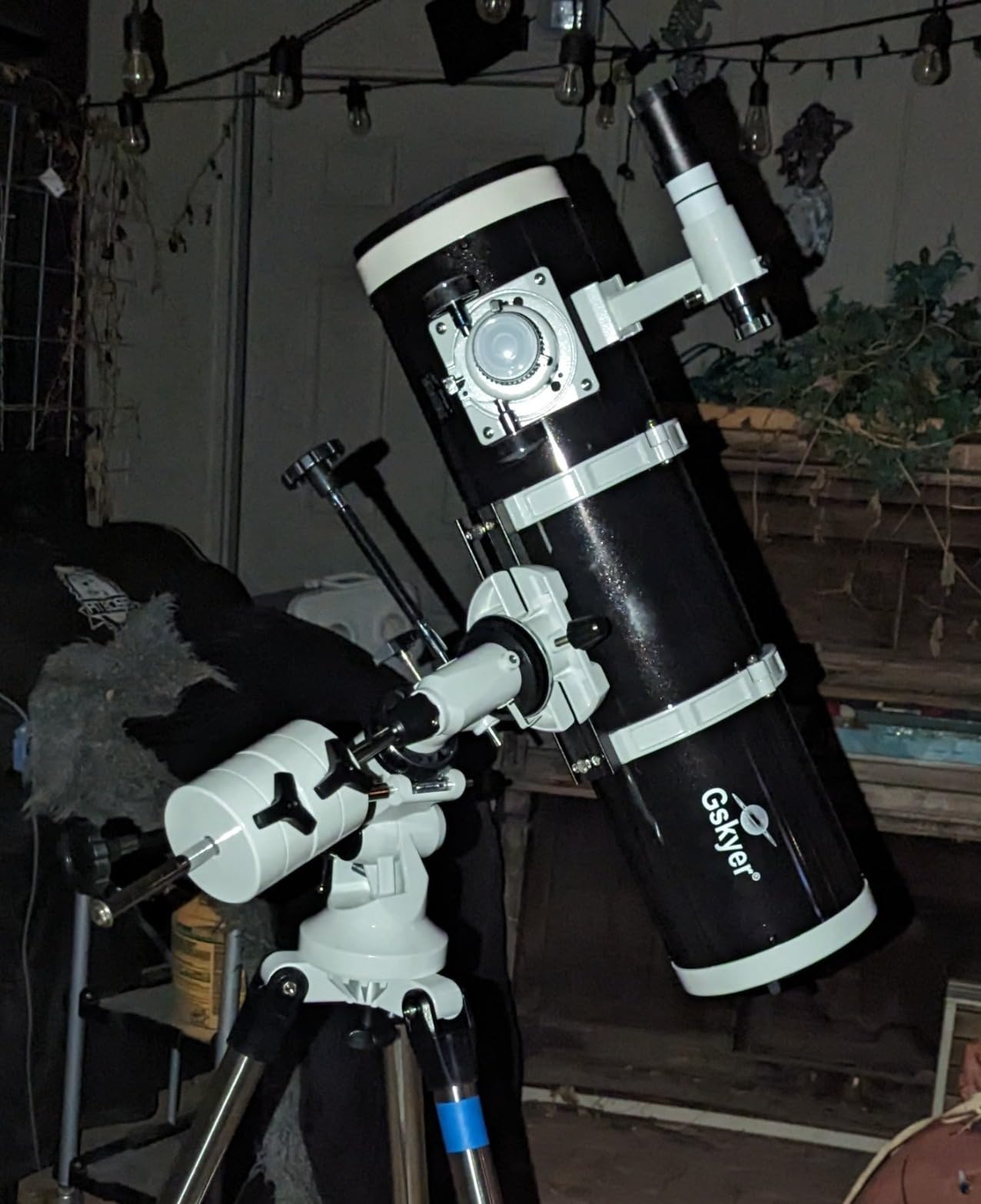
The toothless focusing base deserves a mention. Rather than a geared focuser, it uses a smooth base that owners find straightforward to operate, though it means fine focus changes require a light touch. Three eyepieces plus a 3x Barlow are included, which is more than any other scope here ships with, and the accessory package also includes a finderscope and adjustable tripod.
Wireless control is a nice extra. A Bluetooth remote lets you trigger phone or camera shutter without touching the telescope, which reduces vibration during a session. You still need the phone or camera mounted and aligned, so it is a convenience rather than a guiding system.
What to know before trusting the magnification number
The listing advertises a maximum magnification of 307x, and owners rightly treat that as marketing noise. A 130mm mirror at f/5 has an exit pupil of about 6.5mm at low power, and useful magnification tops out far below the claimed figure once the image starts to dim and blur. Use the real focal length and your eyepiece barrel size instead.
Weight is the other factor. At 30.1 pounds, this is the least portable telescope in the lineup, so plan on setting it up in one spot for the night rather than carrying it between observers. The rating of 4.4 comes from a review base of 454, which is solid but much smaller than the Celestron listings.
When to choose a different model
Buy the Celestron AstroMaster instead if you want a lighter, better-reviewed scope with a similar aperture and focal length, or if the 650mm reach feels too short for the planetary nebulae you want to study. Neither scope suits imaging, since both sit on manual equatorial mounts with no motor drive.
Buyers planning to travel to dark-sky sites regularly should note the weight again. The Heritage 150 tabletop Dobsonian gives a similar field of view at a larger aperture and is far easier to move once, though it will not track either.
4. MEEZAA 150EQ: Most Complete Accessory Kit Around a 150mm Mirror
MEEZAA Telescope, 150EQ Newtonian Reflector Telescope for Adults Astronomy Beginners, Professional Astronomical Telescopes with Equatorial Mount, Tripod, Phone Adapter, Moon Filter and Large Carry Bag
150mm aperture
650mm focal length
f/4.3 focal ratio
German equatorial mount
Fitted carry bag
Pros
- 150mm aperture stays bright from light-polluted backyards
- Precision dials and slow-motion knobs make tracking easy after alignment
- Bundle includes 25mm and 10mm eyepieces plus a 2x Barlow
- Carry bag fits the whole tube and accessories
- Pre-lubricated mount needed no initial collimation on arrival
Cons
- Several owners report a 130mm primary rather than the advertised 150mm
- Included Kellner eyepieces are entry level and a Plossl upgrade transforms the view
- Focuser is plastic and eyepiece changes can knock a target out of focus
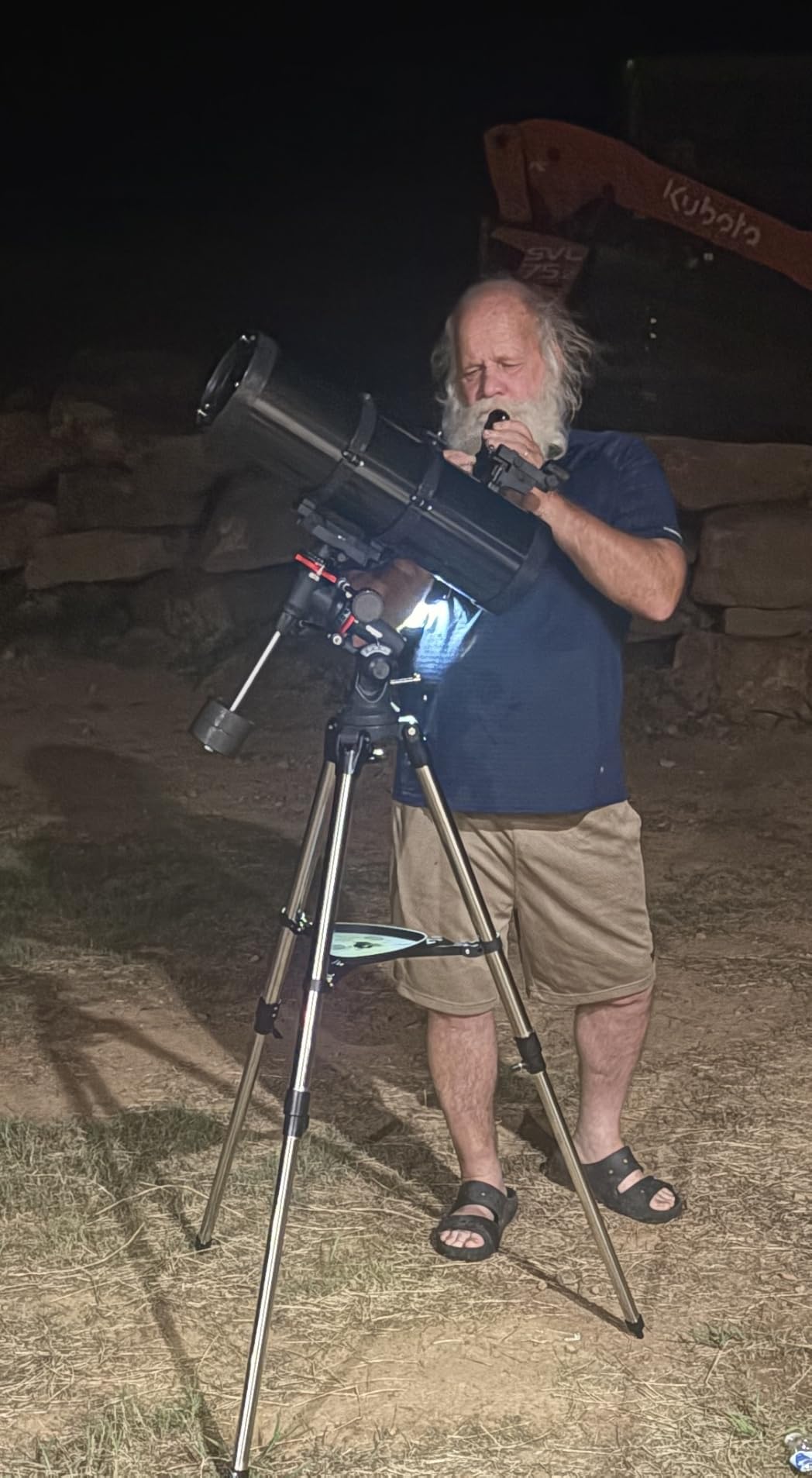
The selling point here is the package. Alongside 25mm and 10mm eyepieces and a 2x Barlow, you get a red dot finder, a moon filter, a phone adapter, a solar filter and a fitted carry bag sized to hold the tube and every accessory. Few competitors ship a bag that genuinely fits the whole kit, and that makes storage and transport far less of a chore.
Optically the scope is a 150mm at 650mm, so roughly f/4.3, the fastest ratio in this group. That wide field suits large nebulae and busy star fields, and owners report resolving Jupiter, Saturn, the Orion Nebula and the Pleiades from a backyard. The German equatorial mount uses precision dials and slow-motion knobs, so once polar alignment is done, tracking is a one-knob job.
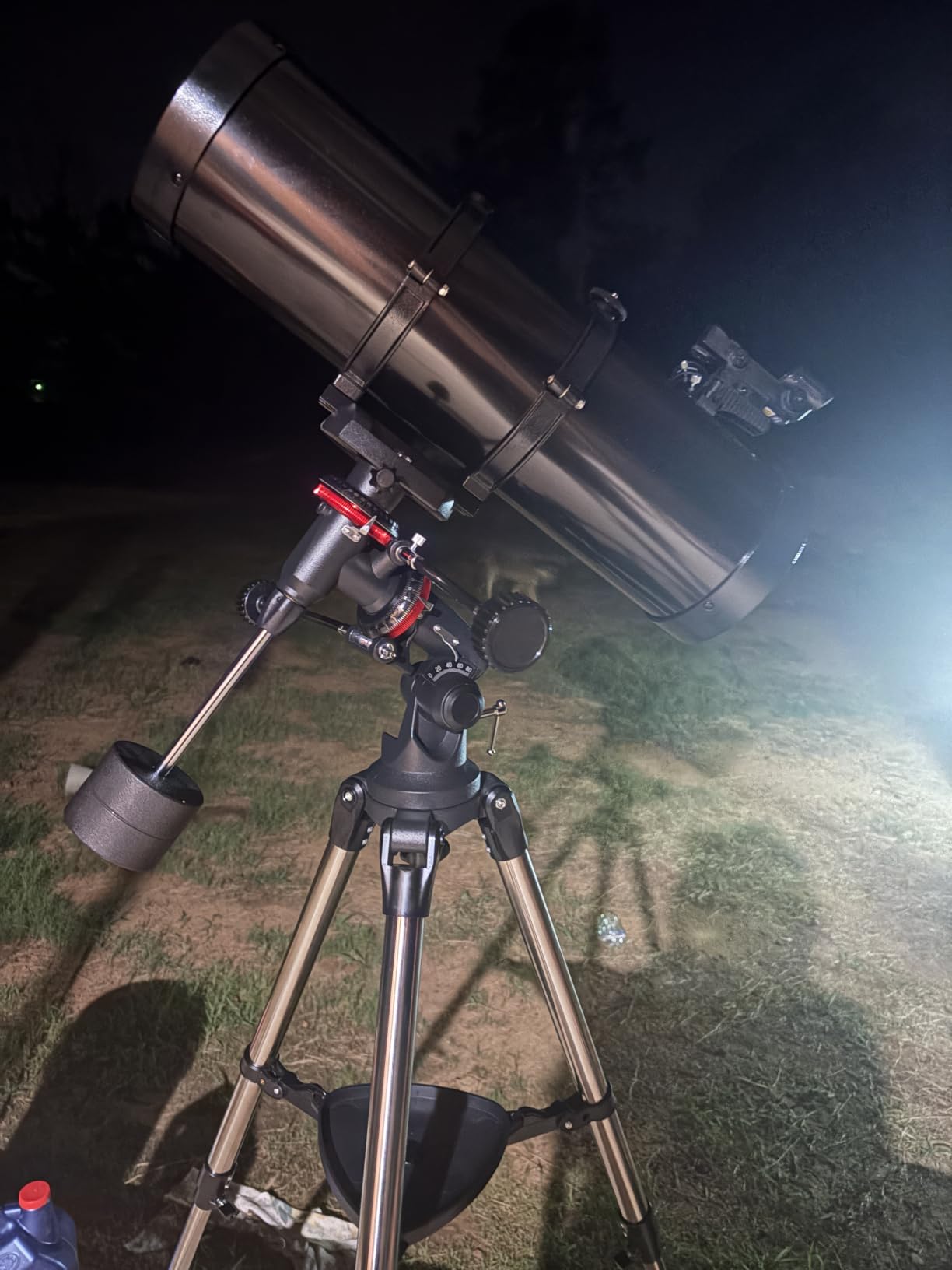
Two practical details stand out. Owners report the mount arrived pre-lubricated and needed no initial collimation out of the box, which removes the usual first-night hurdle for a Newtonian. They also praise the magnification range of 26x to 130x across the included eyepieces and Barlow as genuinely useful for lunar work.
The concern is the aperture discrepancy. A recurring complaint among owners is that the primary measures closer to 130mm than the advertised 150mm. That does not make the scope bad, but it means the views will be dimmer than a true 150mm and the wide field will be less dramatic. Check the aperture before the collimation guarantee period closes.
Evaluating the included eyepieces and focuser
The bundled eyepieces are Kellner designs, which are pleasant at low power but soft on fine planetary detail and planetary nebulae. Owners consistently report that moving to a pair of Plossl eyepieces noticeably improves the view, and that change is the first upgrade worth making on this telescope.
The focuser is plastic, and owners note that swapping eyepieces can nudge a target out of focus and require re-pointing. That is a common trait of entry-level focusers rather than a fault specific to this model. Budget for a smoother replacement if you plan long sessions with frequent eyepiece changes.
Who should pass on this one
Avoid it if exact specification matters to you and you cannot verify the aperture on arrival, since that is the most repeated complaint. It is also not the scope for astrophotography, because the mount has no motorised tracking and the fast focal ratio does not compensate for drift during long exposures.
Anyone with a tight storage constraint should measure the carry bag first, since the whole point of the bundle is that it fits as a single package. Owners do describe the assembled kit as heavy and awkward to move, so plan where it will live before it arrives.
5. Dianfan 150EQ: Best Reflector for Fast Setup and Family Use
Dianfan 150EQ Professional Astronomy Telescope for Adults High Powered
150mm aperture
650mm focal length
f/4.3 focal ratio
Pre-assembled EQ mount
14 kg with bag
Pros
- Genuine 150mm aperture at 650mm gives sharp bright views
- Pre-assembled mount sets up in about 20 minutes
- Two eyepieces and a 2x Barlow cover 26x to 130x
- Custom-fit carry bag and stainless steel tripod
- Adjustable tripod height from 48.4 to 66.2 inches
Cons
- Red dot finder alignment is fiddly for first-time users
- Kellner eyepieces are basic and benefit from Plossl upgrades for planetary detail
- Daytime terrestrial views are inverted
Setup speed is the reason this telescope earns its place. The equatorial mount arrives pre-assembled, and owners report roughly 20 minutes from unpacking to first image, which removes the single biggest obstacle for a household sharing one telescope. For families and club nights where the scope changes hands often, that matters more than an extra inch of aperture.
The optics are a 150mm parabolic primary at 650mm focal length, fully coated, giving strong light gathering at a fast ratio. The two included eyepieces and a 2x Barlow span 26x to 130x, which covers lunar craters and seas at the low end and planetary detail at the high end. The listed Dawes limit of 0.77 arc seconds indicates a capable resolving figure for an aperture this size.
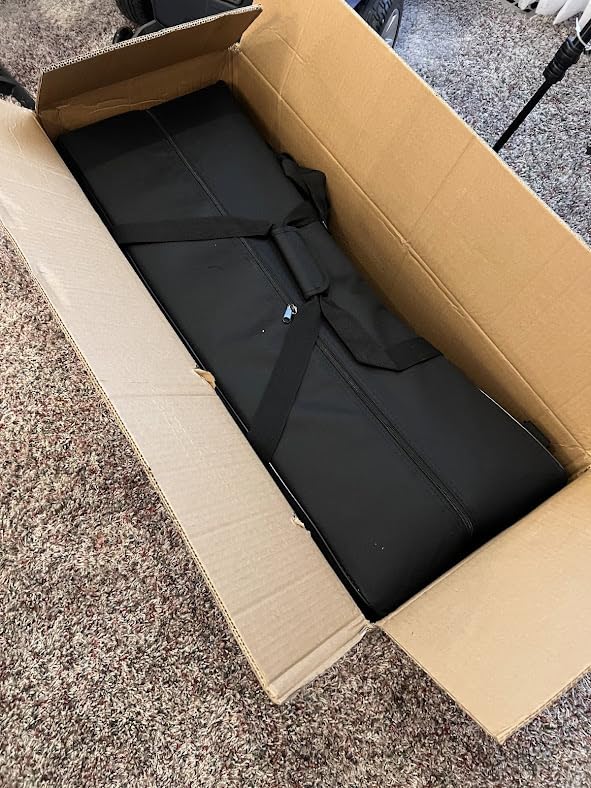
Portability is handled better than the weight suggests. The whole kit, at 14 kg including the custom-fit carry bag, is designed to be carried by hand or over the shoulder, and the bag dimensions are given clearly enough to check your storage first. The stainless steel tripod adjusts between 48.4 and 66.2 inches, so both adults and children can use it without climbing over furniture.
The finder is the weak link. Owners describe the straight-through red dot finderscope as needing patient alignment, and because a red dot has no magnification it must be zeroed precisely or targets will sit just off centre. A 2-inch or 1.25-inch illuminated finder is the upgrade most worth making here.
Choosing eyepieces for this fast ratio
At f/4.3, a wide-field eyepiece gives an enormous star field, so pairs like a 25mm with a 68 degree apparent field or a 32mm with 70 degrees will show large nebulae and the Milky Way in a way that short focal lengths on other scopes cannot. Owners upgrading from the included Kellners to Plossl eyepieces report the biggest single improvement in perceived sharpness.
Because the scope is fast, off-axis coma grows noticeable toward the edge of a wide field. Staying nearer the centre, or re-collimating after the tube is acclimated to ambient temperature, keeps the view tidy. A cooling fan helps on long summer sessions.
Limits to plan around
The inverted daytime view rules it out for casual terrestrial viewing such as birds or landscapes. Manual tracking also means a target drifts steadily, and owners report needing constant micro-adjustment to keep a planet or bright nebula centred.
Skip it if you intend to photograph, since no motor drive means only very short exposures of bright targets. If your priority is purely wide-field visual work with no polar alignment at all, the Heritage 150 tabletop Dobsonian is the cleaner mechanical answer.
6. Celestron PowerSeeker 127EQ: Most Reviewed Entry Reflector
Celestron PowerSeeker 127EQ Reflector Telescope for Home Astronomy
127mm aperture
1000mm focal length
f/7.9 focal ratio
German equatorial mount
13 pounds
Pros
- 127mm aperture shows the Orion Nebula
- M13 and the Andromeda Galaxy
- German equatorial mount with slow-motion controls for tracking
- Lightest scope here at 13 pounds and easy to carry to a dark site
- Includes 20mm and 4mm eyepieces plus a 3x Barlow
- Two-year warranty with US-based support
Cons
- Mirrors usually need collimation before first use and beginners find it time-consuming
- Included 4mm eyepiece is tiny and awkward to look through
- Light mount has noticeable backlash in the slow-motion controls
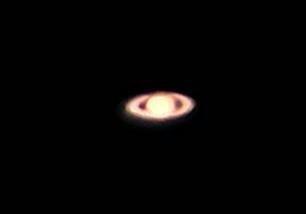
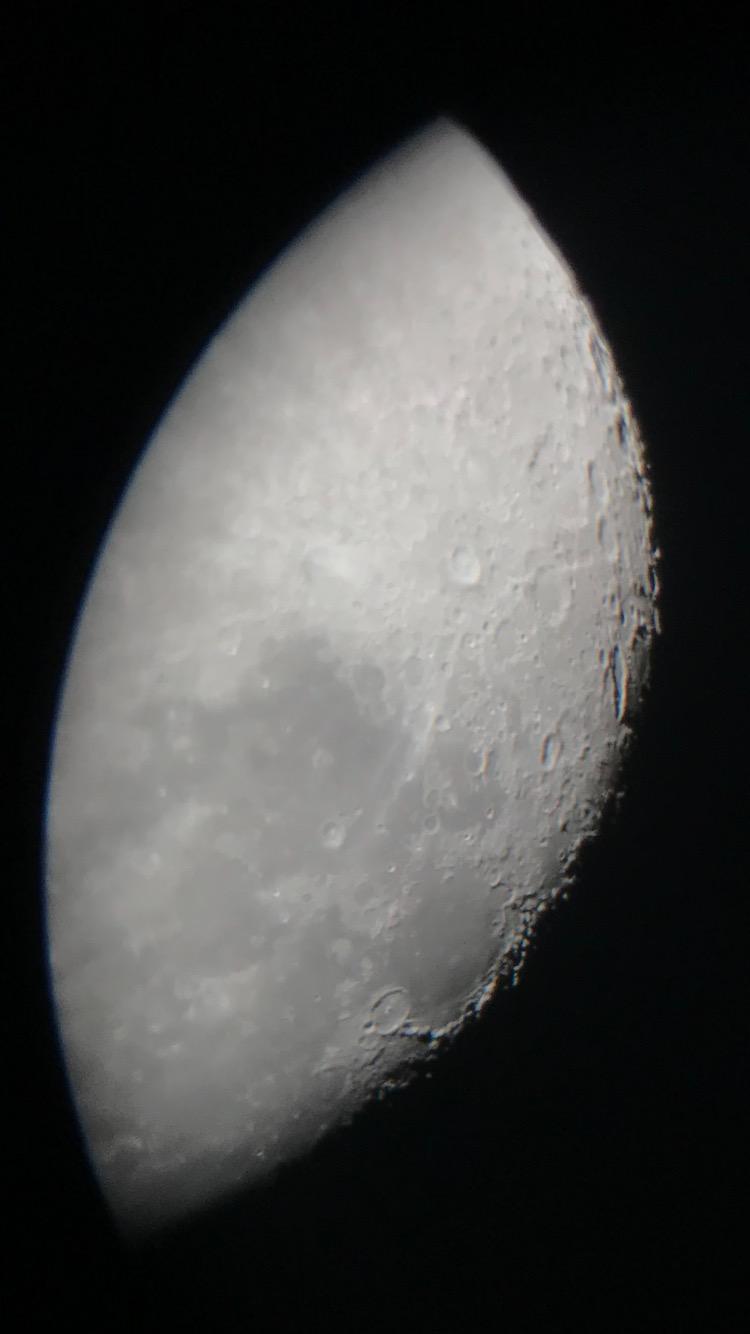
With more than nine thousand reviews, this is the most thoroughly reported telescope in the group, which is useful in itself when you want a sense of long-term reliability. Owners consistently describe it as a capable light bucket that reveals lunar craters, Saturn’s rings, Jupiter’s bands and Messier objects once the mirrors are collimated.
Where it differs from the rest is focal length. At 1000mm on a 127mm mirror the ratio is around f/7.9, which produces roughly 16x per 10mm eyepiece. That extra reach over the 650mm scopes makes it the best of this lineup for compact deep-sky targets such as planetary nebulae and dense globular clusters, where more magnification per eyepiece is useful.
Portability is the second advantage. At 13 pounds it is the lightest telescope here, and owners specifically mention carrying it to a campsite or dark-sky site. The 1000mm optical tube is listed at 43.6 centimeters long, which fits in a car boot without the length of a full-length Dobsonian tube.
That is where the compromises sit. The mount is light, and owners report noticeable backlash in the slow-motion controls, so fine tracking takes practice. The 4mm eyepiece is a token item that is hard to look through, and the supplied finder is low quality with a reversed image. Plan on replacing the eyepieces and adding a laser collimator early.
Working within a long focal length
An f/8 optical tube is the most forgiving of misalignment, so this scope stays sharp for longer between collimation sessions than the fast f/4.3 models. It also gives a brighter, steadier image at higher magnification than the short tubes, which is exactly what you want on the Ring Nebula or a compact globular.
The trade-off is field of view. At 1000mm, a 25mm eyepiece shows about 1 degree of sky, less than half the width of the 650mm scopes at the same eyepiece. Large sprawling nebulae such as the Veil will not fit, and Cloudy Nights members commonly recommend a focal reducer to tame long focal lengths when wide fields matter more.
Where this reflector falls short
It is a step down in aperture from the 130mm and 150mm models here, so faint galaxies will look grayer. Owners also report the tripod as the weakest link, feeling shaky when fully extended, and collimation as a genuine learning curve for first-time Newtonian owners.
Choose it over the 130mm Celestron if you need maximum portability or want more reach on small targets. Choose the AstroMaster instead if aperture matters more to you than the extra focal length, since 33 percent more light changes faint targets more than a lower focal ratio does.
7. SOLOMARK Polaris 130EQ: Solid 130mm Starter with a Strong Mount
Telescope 130EQ Newtonian Reflector Telescopes for Adults, Professional Telescopes for Adults Astronomy, Comes with 1.5X Barlow Lens Smartphone Adapter & 13% T Moon Filter
130mm aperture
650mm focal length
f/5 focal ratio
German equatorial mount
Fully coated glass
Pros
- 130mm fully coated glass shows the Orion Nebula and planets from suburban skies
- Carbon-fibre style tube finish looks premium and feels sturdy
- German equatorial mount with dial and slow-motion cables tracks smoothly
- Large adjustable aluminium tripod with accessory tray
- Bundle includes eyepieces plus a 1.5x Barlow and moon filter
Cons
- Included straight-through finder is cheap plastic with no replacement offered
- Main mirror lacks a center marking decal which makes collimation harder
- No collimation tool included and the manual barely explains the process
This 130mm Newtonian at 650mm works out to f/5, the same core optical combination as the Celestron AstroMaster and the Gskyer, but sold with a larger accessory tray and a carbon-fibre style tube finish. Owners rate the mount more highly than expected for the money, describing dial settings and slow-motion cables that give smooth manual tracking of moving targets.
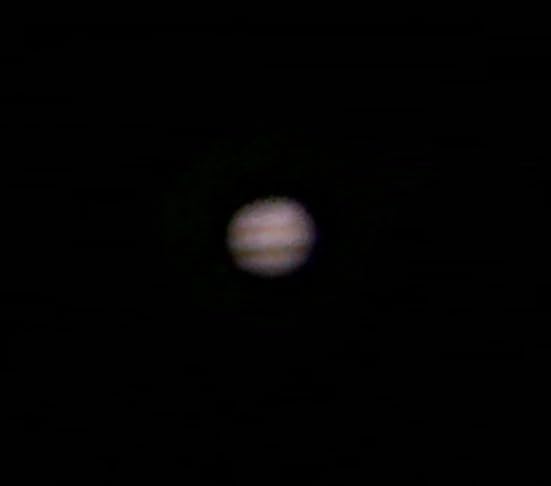
Views are what you would expect from a fully coated 130mm f/5. The Orion Nebula shows clear structure, planets hold detail at moderate magnification, and the wide field suits open clusters and the Milky Way. From suburban skies, owners report it delivers satisfying results on bright nebulae without needing a dark site.
Two details set this apart from similar bundles. The large-diameter adjustable aluminium tripod is stable and carries an accessory tray, which matters when you are changing eyepieces in the dark. The bundle also includes a moon filter, a 1.5x erecting Barlow and a cellphone adapter, so most session needs are covered out of the box.
The accessory quality is inconsistent, and owners are blunt about it. The eyepieces are described in the listing as Plossl but are marked K10 and K20, which are Kellner designs, and the Barlow is noticeably worse than the eyepieces. The straight-through finder is cheap plastic with no replacement offered, so plan to replace it.
Collimation is the main thing to plan for
Owners report that the main mirror has no center marking decal, which makes alignment harder because there is no visible reference point for centring the secondary reflection. Combined with a manual that barely explains the procedure and no collimation tool in the box, this is the single biggest hurdle for a first-time Newtonian owner.
Budget for a laser collimator and an hour of practice the first time. Once set, an f/5 tube like this holds alignment reasonably well, but it will drift as temperatures swing, so a quick check before each session is worthwhile. A 30 percent step up in aperture over the PowerSeeker is only visible if the optics are actually aligned.
Who this scope suits and who it does not
It suits buyers who want a genuine 130mm mirror, a wide field for deep-sky sweeping and an equatorial mount with slow-motion tracking, without moving up in size. It is a solid match for the first deep-sky session where you want to see the Orion Nebula and M13 properly.
Skip it if you want help setting up, because nothing in the box guides you through collimation, and skip it if you need a decent finder immediately. If pointing is your main worry rather than optics, the Celestron StarSense model below solves finding with a phone instead.
8. Celestron StarSense Explorer LT 114AZ: Best Reflector for Smartphone Guided Finding
Celestron StarSense Explorer LT 114AZ Newtonian Smartphone Guided Telescope
114mm aperture
1000mm focal length
f/8.8 focal ratio
Manual altazimuth mount
10.4 pounds
Pros
- StarSense app removes guesswork by identifying the sky pattern
- Generates a curated list of the best targets for tonight
- 114mm Newtonian with aluminum and SiO2 coatings gives sharp views
- Manual altazimuth mount with altitude slow-motion rod for smooth tracking
- Lightest and most compact scope here at 10.4 pounds
Cons
- 114mm is the smallest aperture in this group so faint targets look dimmer
- Manual altazimuth mount offers no motorized tracking
- Requires a compatible phone and app familiarity
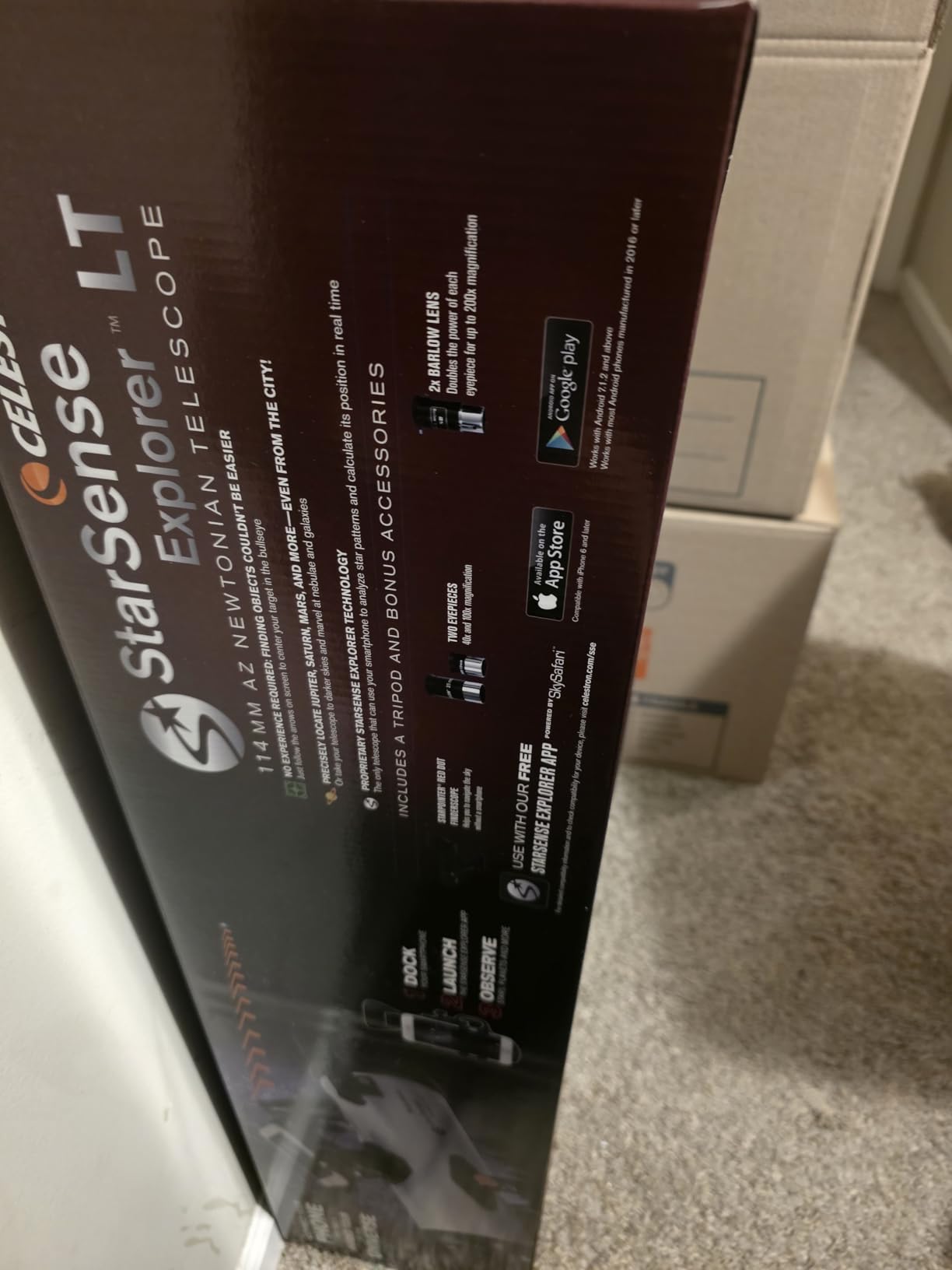
The idea behind this scope is simple and it works. You dock your phone, the StarSense app matches the star pattern overhead to a known position, and on-screen arrows walk you to a target rather than leaving you to star-hop from memory. For observers who cannot yet find faint galaxies unaided, that removes the hardest part of a first deep-sky session.
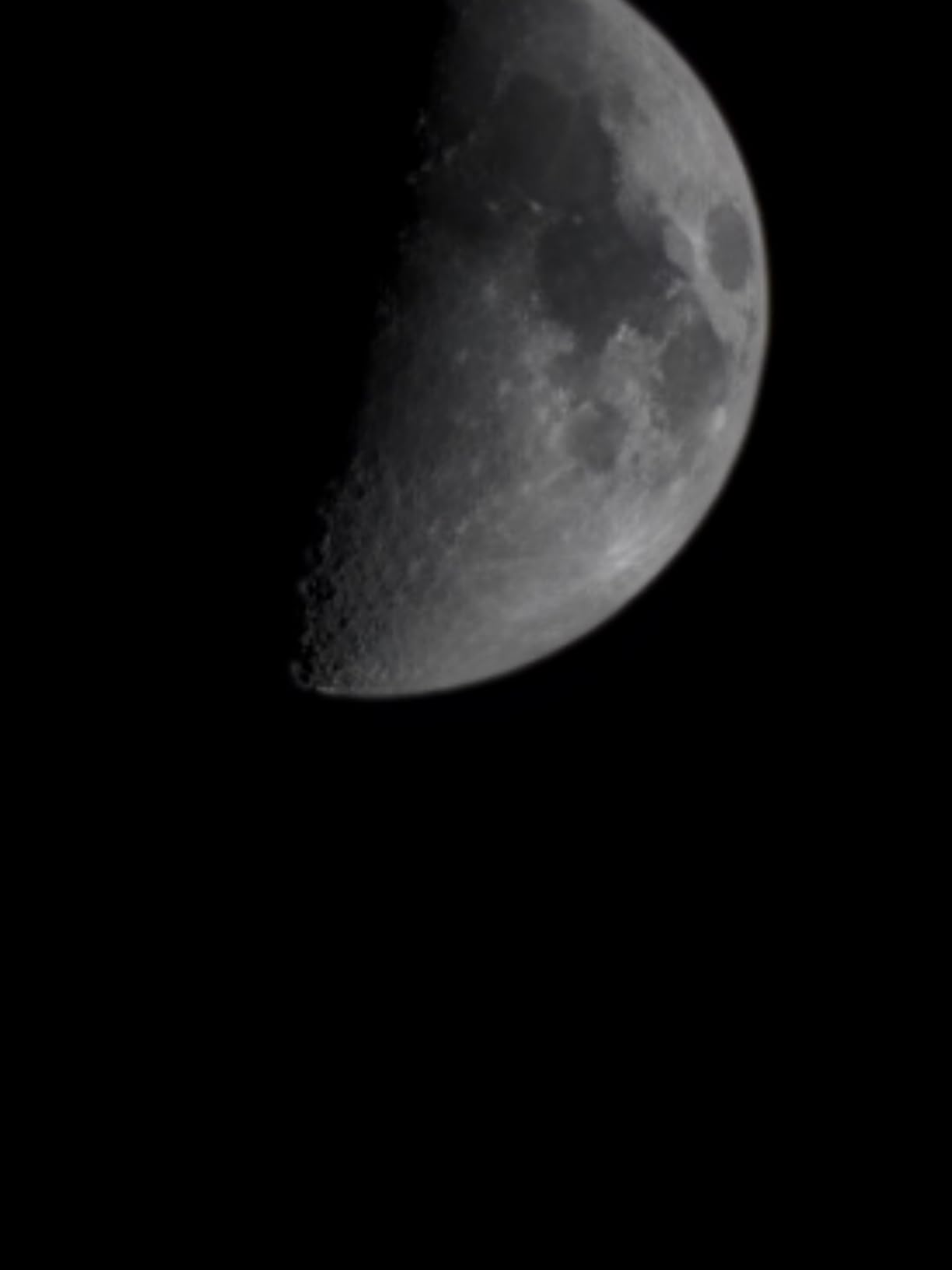
Optically it is a 114mm Newtonian at 1000mm, so around f/8.8, the longest ratio here. That gives about 18x per 10mm eyepiece, which suits compact targets: owners report sharp views of the Moon, Saturn and the Orion Nebula. The field of view listed at 2.04 degrees reflects that long focal length narrowing the sky.
Portability is excellent. At 10.4 pounds and with a 24 inch optical tube, this is the smallest and lightest telescope in the group, which makes it the easiest to carry to a dark-sky site or hand between family members. A manual altazimuth mount with an altitude slow-motion rod lets you track a drifting object briefly without polar alignment.
The app also curates a list of the best targets for the current date and location, which is genuinely useful for beginners who do not yet know what is visible. Buyers credit this with making it one of the easiest 114mm reflectors to point accurately.
Trading aperture for pointing accuracy
Compared with a 130mm scope, this telescope collects about 23 percent less light, and compared with a 150mm it collects about 42 percent less. On faint galaxies that difference is the whole story: the same target that shows structure in a 150mm will look like a grey smudge here. Guiding solves the question of where to look, not how much light arrives.
Alignment also needs patience. Owners report that StarSense can take several attempts before the bullseye turns green, and the whole system depends on a compatible phone held in a stable position. It is a helpful aid rather than an automatic pointing system, since the mount itself is fully manual.
Where this telescope is the wrong choice
Skip it if faint galaxies and small nebulae are your priority, because aperture is the limiting factor and no app fixes that. It is also a poor fit for astrophotography, with no motorized tracking at all. If you already know how to star-hop or use printed charts, you are paying for a feature you will rarely open.
For a first telescope shared by someone learning to find targets, it remains a friendly entry point, and our guide to the best beginner telescopes for adults covers that scenario more broadly.
How We Picked These Reflectors for Deep Sky
We started with every Newtonian reflector in this niche that cleared a meaningful review count, then removed anything that was a size or model variant of a family already selected, or that belonged to a different optical design. Eight scopes survived. We excluded products with thin feedback entirely, because owner reports on collimation stability and mount rigidity only become useful after months of use.
Each telescope was then read against the same criteria. Aperture and focal length came from the published specification data, as did mount type, weight and included accessories. Nothing here is ranked on a single spec alone: a 150mm on a shaky mount can perform worse than a 130mm on a steady one, which is why the mount descriptions above are as detailed as the optics.
Finally, we weighted owner feedback on the questions that decide deep-sky performance. Does the target stay centred? Does collimation hold between sessions? Is the finder usable? How good are the bundled eyepieces? Those complaints shape the cons on every card here, including the ones that keep coming back about bundled accessories.
Buying Guide: Five Steps to Choose a Deep Sky Reflector
Step 1: Buy aperture before anything electronic. Light-gathering scales with the square of the mirror diameter, so a 150mm collects about a third more light than a 130mm and roughly 73 percent more than a 114mm. That difference is visible on every faint galaxy you will ever look at, while the difference between a manual and a motorised mount mostly affects convenience. Within this group, moving from the Celestron StarSense 114AZ to the MEEZAA or Dianfan 150EQ is the single biggest upgrade available.
Step 2: Match the focal ratio to the targets you want. Wide fields around f/4 to f/5 suit sprawling emission nebulae and star clouds, so the 650mm-focal-length scopes here are the better choice for wide-field sweeping. Narrower ratios around f/8 to f/9 push more magnification per eyepiece, which helps with planetary nebulae and globular clusters, so the 1000mm-focal-length scopes fit observers whose list skews toward compact targets.
Step 3: Judge the mount by how the target behaves. A German equatorial mount with two slow-motion knobs lets you follow a drifting object along one axis without re-centring constantly, which matters more than any specification for extended deep-sky sessions. A Dobsonian base needs no polar alignment and turns smoothly, but objects drift out of view faster at high power. Neither of these telescopes has motors, so treat tracking as a manual skill you build with practice.
Step 4: Understand collimation before you choose a fast tube. Collimation is the process of aligning the primary and secondary mirrors so the image is sharp edge to edge. Long focal ratios such as f/8 hold alignment for many sessions, while fast f/4 and f/5 astrograph-style tubes drift as temperature changes and need checking more often. If collimation feels daunting, the PowerSeeker 127EQ at f/7.9 is the most forgiving scope here, and every fast option deserves a laser collimator in the budget.
Step 5: Budget for eyepieces and a finder, not extra electronics. The largest single improvement to any budget Newtonian is a pair of decent 2-inch wide-field Plossl eyepieces, because they fill the fast field and show faint nebulae with better contrast than the small bundled eyepieces. A red dot finder or Telrad costs little and solves pointing far better than adding motors would. UHC and O-III filters help most on emission nebulae from suburban skies, while broadband light-pollution filters suit galaxies.
A few buying mistakes are worth naming. Ignore advertised magnification figures such as the 307x claim on the Gskyer listing, because a 130mm mirror at f/5 has a limited useful range. Do not expect any of these telescopes to photograph deep-sky targets without a motorised tracking mount. And do not judge a reflector before it has been collimated, since a misaligned 150mm will look worse than a well-aligned 114mm.
What to upgrade first, in order: a laser collimator, a red dot finder or Telrad, then two 2-inch wide-field Plossl eyepieces around 25mm and 10mm. Filters come after that, and a focal reducer is worth adding if you own a long-focal-length Newtonian and want wider fields. We have covered the mount side of that decision in our picks for the best computerized telescopes, though none of the scopes here includes motors.
Frequently Asked Questions
What is the best telescope for viewing deep-sky objects?
A reflector telescope with at least 6 inches of aperture on a stable mount is the best value for deep-sky viewing, because aperture determines light-gathering power. An 8-inch Dobsonian gathers roughly double the light of a 6-inch, and a 12 inch adds about 44 percent more than a 10 inch. Match the focal ratio to your targets: f/4 to f/5 for wide nebulae, f/8 or longer for planetary nebulae.
What is the best reflector telescope?
The Celestron AstroMaster 130EQ is our best reflector telescope overall, pairing a 130mm aperture at 650mm focal length with a German equatorial mount that tracks with two slow-motion knobs. Among larger apertures, the Sky-Watcher Heritage 150 tabletop Dobsonian offers a 150mm parabolic mirror in a simple, fast-setting-up base.
What is the best type of telescope for stargazing?
Newtonian reflectors offer the most aperture for the money, Dobsonians are the simplest altazimuth mounts for visual observing, refractors need no collimation and give sharp contrast on planets, and catadioptrics are compact but cost more per inch of aperture. For visual deep sky specifically, a Newtonian reflector on a stable mount delivers the best light-gathering power per dollar.
What is the best refractor for deep sky imaging?
Wide-field refractors of 250mm to 500mm focal length are the easiest deep-sky imaging telescopes because they need no collimation and have no diffraction spikes. Reflectors still win on aperture per dollar and are better for large emission nebulae on an equatorial mount, but they require regular collimation and more demanding backspacing.
Do reflector telescopes need to be collimated?
Yes. A Newtonian reflects light from a curved primary mirror off a small flat secondary, and the two must be precisely aligned for a sharp image. Slow focal ratios around f/8 hold alignment for many sessions, while fast f/4 and f/5 tubes drift as temperatures change and need checking before each session. A laser collimator is the single most worthwhile accessory.
How big a telescope do I need to see galaxies?
A 114mm reflector shows the brighter galaxies including Andromeda, a 130mm reveals faint members of the Virgo cluster and resolves more globular clusters, and a 150mm starts showing dust lanes on nearby galaxies. Moving from 130mm to 150mm adds about 33 percent more light, while 6 inch to 8 inch doubles it.
Conclusion: The Best Reflector Telescopes for Deep Sky in 2026
The Celestron AstroMaster 130EQ is our pick for the best reflector telescopes for deep sky because it pairs a 130mm mirror at f/5 with the most capable tracking mount in this group, and it carries a review history long enough to trust. If aperture matters most, the MEEZAA or Dianfan 150EQ add a third more light, while the Sky-Watcher Heritage 150 gives that 150mm aperture in the simplest base to set up.
Whatever you choose, spend the first night collimating, add a laser collimator and a red dot finder, and start with 2-inch wide-field eyepieces. Aperture decides what you can see, and the eyepieces decide whether you can actually see it. If you also want to compare these against non-reflector designs, our best smart telescopes guide covers scopes that trade aperture for automation.