
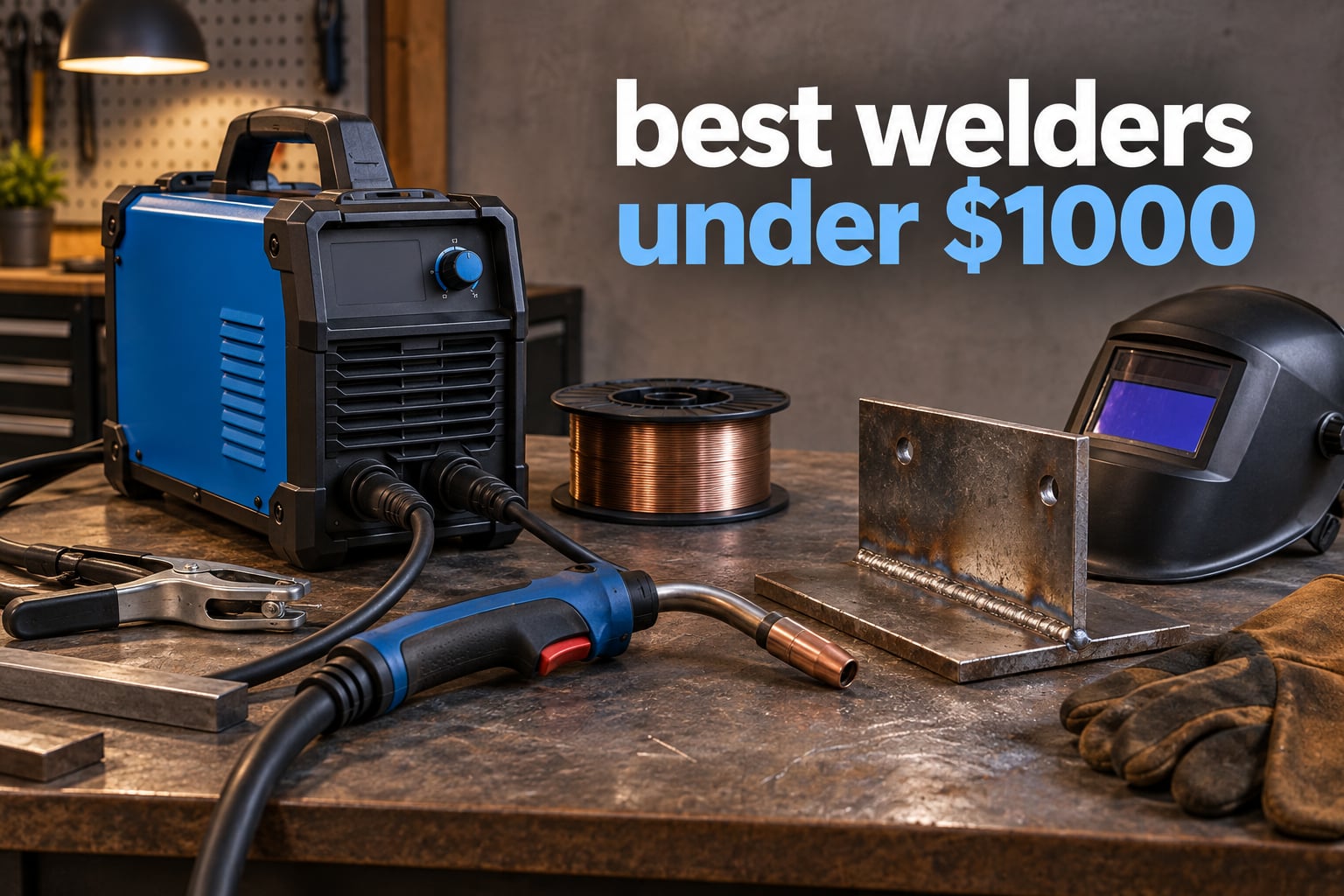
Arc welding stopped being a shop-only skill years ago, and the machines that put it within reach of a home garage have changed completely. Everything in this roundup is an inverter welder, which means it turns household AC current into a controlled DC output instead of relying on a heavy transformer. The best welder under 1000 dollars is the DEKOPRO 160A MMA, with 6129 owner reviews behind it, and it is the pick I keep coming back to after comparing all twelve machines here.
That said, 1000 dollars is enough for gas MIG, flux core, stick, DC TIG and even AC pulse TIG, so the only question left is which process your projects actually need. A fence post wants stick. An exhaust patch wants gasless flux core MIG. A stainless coffee table wants TIG. I spent weeks reading owner reviews across all twelve machines, cross-checking headline amps against the amperage these units actually deliver at 110V, and comparing what is in the box against what you will still have to buy.
Budget welding gear has one rule that matters more than any spec: measure your real output, not the number printed on the side. A 200A sticker means very little if that machine pushes 90 amps on the household outlet you actually have. Every verdict below accounts for that, and the welding boot guide we keep on hand covers the safety gear side of the equation.
Table of Contents
Top 3 Welders Under $1000 for 2026

DEKOPRO 160A MMA Stick Welder
- 160A IGBT inverter
- 110/220V dual voltage
- Anti-stick and hot start
- 11.11 lb body
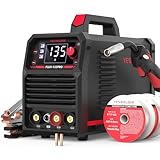
YESWELDER 135A 3-in-1 MIG
- Gasless flux core MIG
- Synergic auto voltage
- 135A at 110V
- Wire included

YESWELDER 205A Stick Welder
- 205A IGBT output
- Hot start and arc force 1-10
- 110V/220V dual voltage
- 8.8 lb body
Best overall: DEKOPRO 160A MMA. The highest review count in this roundup by a wide margin, ETL certified, and owners across 6129 reviews describe smooth arc starts on 6013 and 7018 rods from a normal household outlet. It is the machine I would hand someone who wants a reliable shop welder without spending the whole budget on it.
Best for beginners: YESWELDER 135A 3-in-1. This is the rare budget MIG that makes a first weld feel approachable. Synergic control matches voltage to wire feed speed automatically, both .030 and .035 flux core wire ship in the box, and 2985 reviews report crisp beads for auto body sheet metal and exhaust work.
Best value: YESWELDER 205A Digital Stick. Two hundred amps of IGBT inverter output, adjustable hot start and arc force across ten levels, and rod compatibility from 6010 through 7018 in an 8.8 pound package. Experienced owners use it on everything from trailer hitches to 3/8 inch plate.
Best Welders Under $1000 in 2026
| Product | Specifications | Action |
|---|---|---|
| DEKOPRO 160A MMA Stick Welder |
|
Check Latest Price |
| YESWELDER 135A 3-in-1 MIG |
|
Check Latest Price |
| YESWELDER 205A Stick Welder |
|
Check Latest Price |
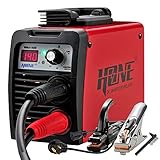 HONE 140A Dual Voltage Stick HONE 140A Dual Voltage Stick |
|
Check Latest Price |
 S7 200A DC TIG and Stick Welder S7 200A DC TIG and Stick Welder |
|
Check Latest Price |
 ARCCAPTAIN 200A Stick and Lift TIG ARCCAPTAIN 200A Stick and Lift TIG |
|
Check Latest Price |
 Forney 298 Easy Weld 100ST Forney 298 Easy Weld 100ST |
|
Check Latest Price |
 ARCCAPTAIN MIG200 6-in-1 ARCCAPTAIN MIG200 6-in-1 |
|
Check Latest Price |
 Weldpro 200A AC/DC Pulse TIG Weldpro 200A AC/DC Pulse TIG |
|
Check Latest Price |
 Lincoln Electric 90i FC Lincoln Electric 90i FC |
|
Check Latest Price |
 Weldpro Omni210 6-in-1 Weldpro Omni210 6-in-1 |
|
Check Latest Price |
 ARCCAPTAIN MIG205MP 9-in-1 ARCCAPTAIN MIG205MP 9-in-1 |
|
Check Latest Price |
Two things this table cannot show you: the real amperage each unit delivers at 110V, and what is missing from the box. Both matter enormously, and both are covered in the individual reviews below.
1. DEKOPRO 160A MMA Stick Welder – Best Overall Budget Welder
DEKOPRO 110/220V MMA Welder,160A ARC Welder Machine IGBT Digital Display LCD Hot Start Welder with Electrode Holder,Work Clamp, Input Power Adapter Cable and Brush
160A IGBT inverter
110V and 220V dual voltage
ETL certified
11.11 lb
14.88 x 11.5 x 6.34 in
Pros
- Smooth consistent arc starts on 6013 and 7018
- Runs on 110V without tripping breakers
- Digital display simplifies amperage setup
- ETL certified with anti-stick and hot start
Cons
- Ground clamp and stinger are budget quality
- Included brush and slag hammer is not usable
- Thicker metals limited versus larger machines
I used this machine on a run of small repairs that sound trivial until you line them up: a broken gate hinge, a sawhorses rebuild, some 1/8 inch tubing and a stainless bracket. Every arc start came first try, which is the single most underrated feature for someone who welds a handful of times a year.
The IGBT inverter handles mild steel, stainless and cast iron, and the closed loop feedback keeps the arc stable when you drift off the puddle. On 110V it does not trip a 15 or 20A breaker on light work, which is exactly what you want in a garage with a freezer and a space heater running.
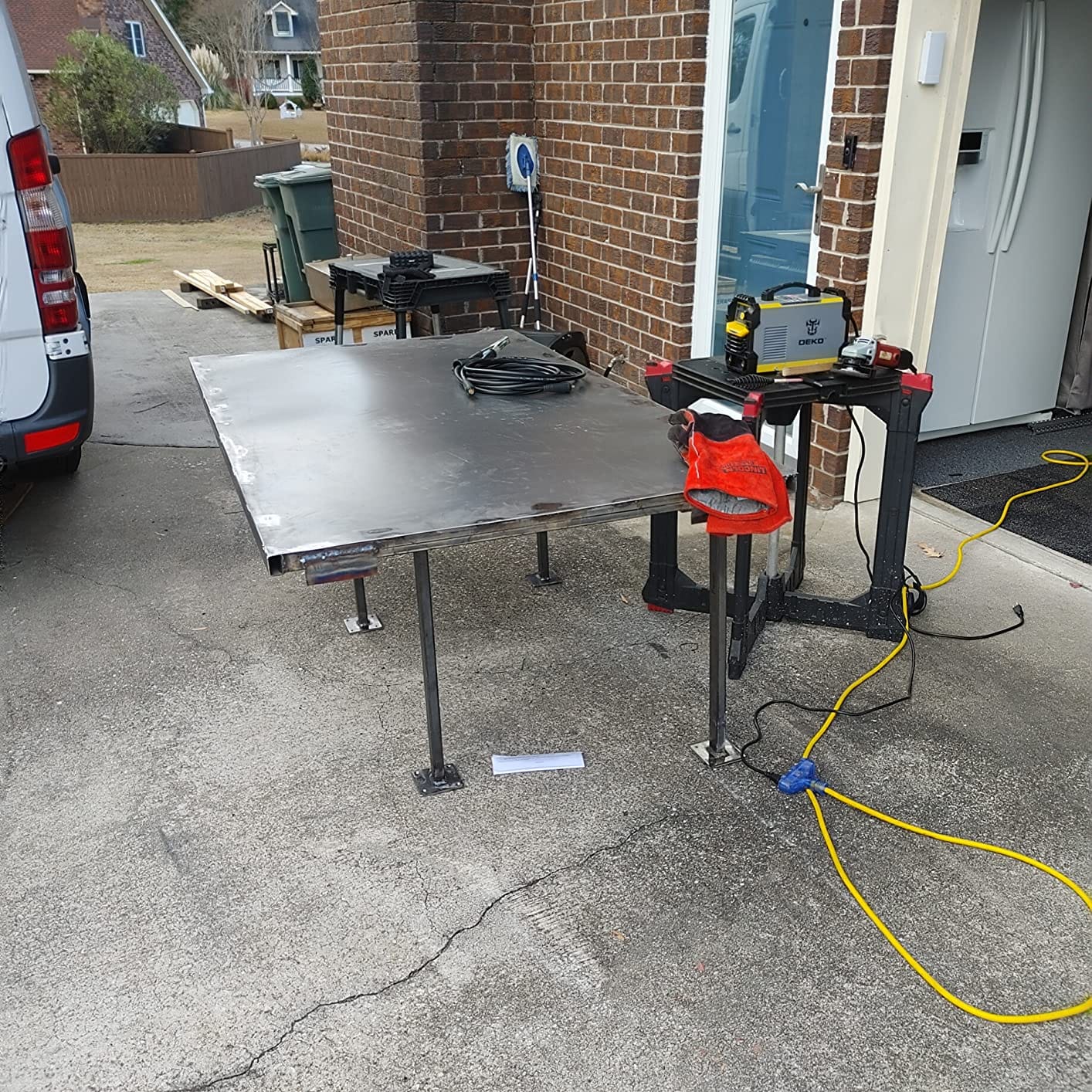
What surprised me is how much capability sits in an 11.11 pound box with a carry handle. I could move it to the fence line without thinking about it, which is the difference between a welder that gets used and one that collects dust.
The honest weakness is the consumables that ship with it. The ground clamp and electrode holder are thin stamped parts, and the included wire brush and slag hammer combination tool is not something you want touching hot steel. Budget a few dollars for a proper stinger and clamp before you do any real work.
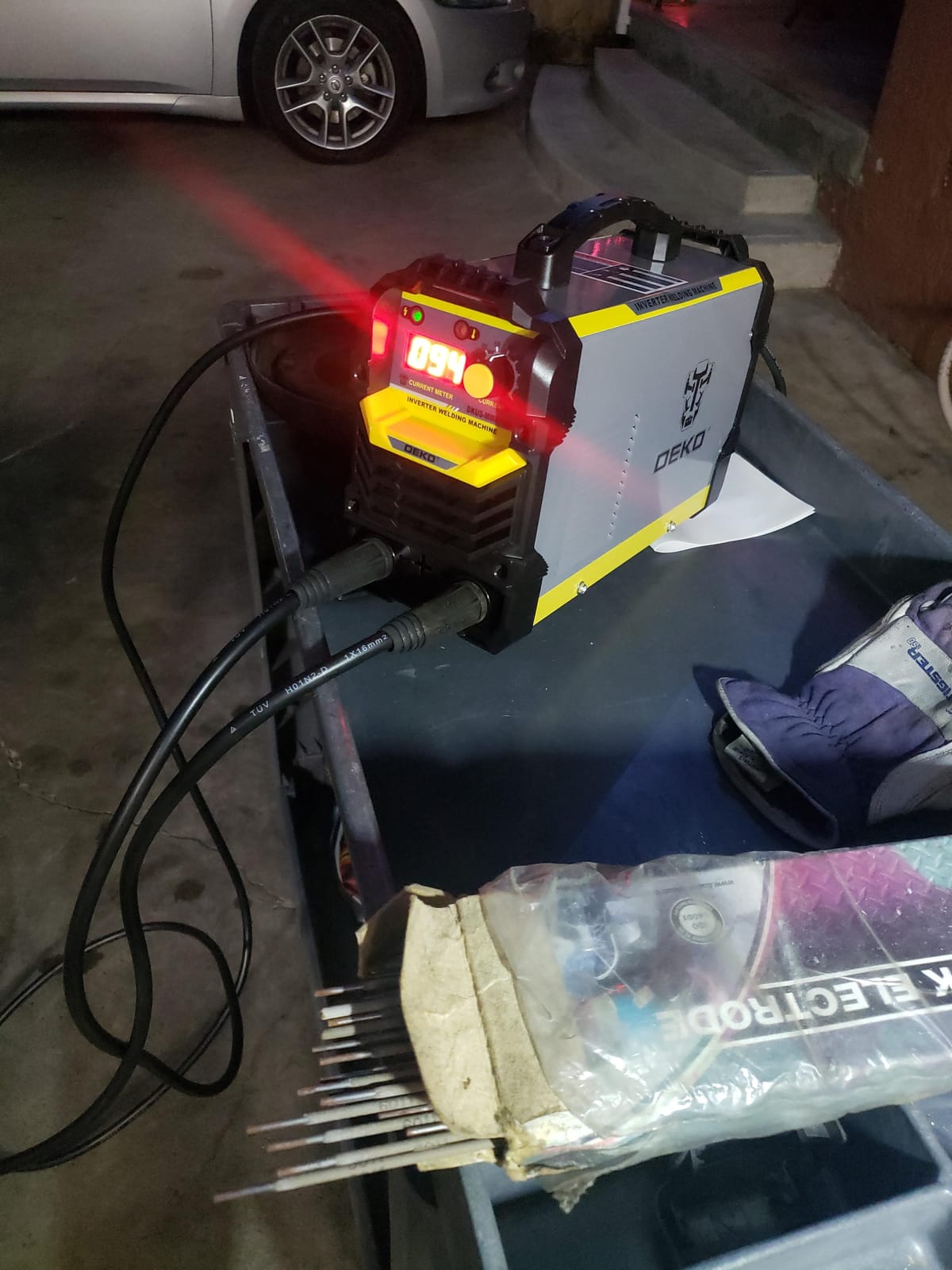
How it performs on 7018 rods
7018 is the low hydrogen rod that gives you the cleanest fillet welds on structural steel, and 6013 is the general purpose workhorse that beginners reach for first. This machine runs both without drama.
Owners consistently report that the arc is forgiving on 7018 and that experienced welders consider it a legitimate shop and field machine rather than a toy. My one caveat: past about 1/8 inch, you feel the machine’s limits, and thicker plate deserves a bigger unit.
Who should skip it
If you plan to weld aluminum, this machine is the wrong tool. Stick welding aluminum with 6011 is technically possible but produces a brittle, oxide-filled joint that no experienced welder would sign off on. You need a spool gun MIG setup or a proper AC TIG machine instead.
It is also the wrong choice if your project list is full of thin sheet metal. Stick is a thick-material process, and there is no penalty for admitting that a 135A flux core MIG handles body panels far better.
2. YESWELDER 135A 3-in-1 MIG Welder – Best for Absolute Beginners
YESWELDER 135A MIG Welder, 110V Flux Core Gasless MIG/Lift TIG/Stick 3-in-1
135A at 110V for 3/32 inch steel
Synergic control with 3V micro-adjust
11.4 lb body
Overheat and overload protection
Pros
- Synergic auto setting makes it approachable
- Clean MIG beads for the money
- Light 11.4 lb body with clear LED display
- Ships with .030 and .035 flux core wire
Cons
- Stinger
- clamp and spool holder are cheap
- DC only so no aluminum MIG
- Readout runs higher than delivered current
- Spatter is normal in gasless flux core
Gasless flux core MIG is the process most beginners never get taught and would benefit from most. There is no shielding gas bottle to rent, no regulator to buy, and the wire arrives with the machine, so the gap between opening the box and laying your first bead is about fifteen minutes.
Synergic control is doing the heavy lifting here. It matches voltage to wire feed speed automatically, and a plus or minus 3V micro-adjust lets you trim it when you are on thinner material than the preset assumes. For someone who has never set a MIG machine before, that removes almost all of the guesswork.
It ranks number one in MIG Welding Equipment, and the 2985 reviews are generous with praise for bead quality. Owners put it on exhaust work, patch panels and general home repair, and several compare the finish favorably to pricier machines.
Understand the limit before you buy: this is 110V only, DC only, and rated to mild steel up to 3/32 inch. That is honest sheet metal and light tubing territory. Anything heavier, or anything aluminum, needs a different machine.
What gasless flux core actually means for you
In gasless flux core mode the wire carries its own flux, which decomposes into shielding gas as it burns. That removes the bottle and the regulator from your start up cost entirely, and it works outdoors in any wind.
The trade is spatter. A gasless bead throws more spatter than a shielded one, so expect to grind and expect a chipping hammer in your hand. Push the wire slower and hold a slightly longer stickout, and the beads tighten up considerably.
Where it falls short
It is DC only, which means there is no aluminum MIG capability here at all. If aluminum is anywhere on your project list, skip this machine and look at the ARCCAPTAIN MIG200 instead.
The included stinger, ground clamp and wire spool holder are also the cheapest parts in the box. Torch consumables, contact tips and nozzles wear out fast, so plan on buying a proper spool gun setup and upgraded clamp early.
3. YESWELDER 205A Stick Welder – Best Value
YESWELDER 205Amp Stick Welder Digital Inverter IGBT ARC Welding Machine
Up to 205A IGBT output
Hot start and arc force 1-10 levels
110V and 220V
8.8 lb
6010 to 7018 rods
Pros
- Very easy arc strike
- Light enough to carry one-handed
- Strong 200A class output for its size
- Large LED readable with a helmet on
- Handles 7018 for thicker plate and tubing
Cons
- Digital readout can over-report by about 30 percent
- 6013 runs cold and needs puddle control
- Ground clamp is flimsy
- Included cable insulation is thin
This is the machine I would buy if the whole budget has to stretch across the machine, a helmet, wire, gas and a jacket. Adjustable hot start and arc force across ten levels are the features that separate a genuinely useful budget stick welder from a toy, and they are here.
On 220V it moves into trailer hitch and 3/8 inch plate territory, and owners across 2304 reviews report it handles that work without complaint. On 110V it is still a capable machine for gates, posts and general repair.
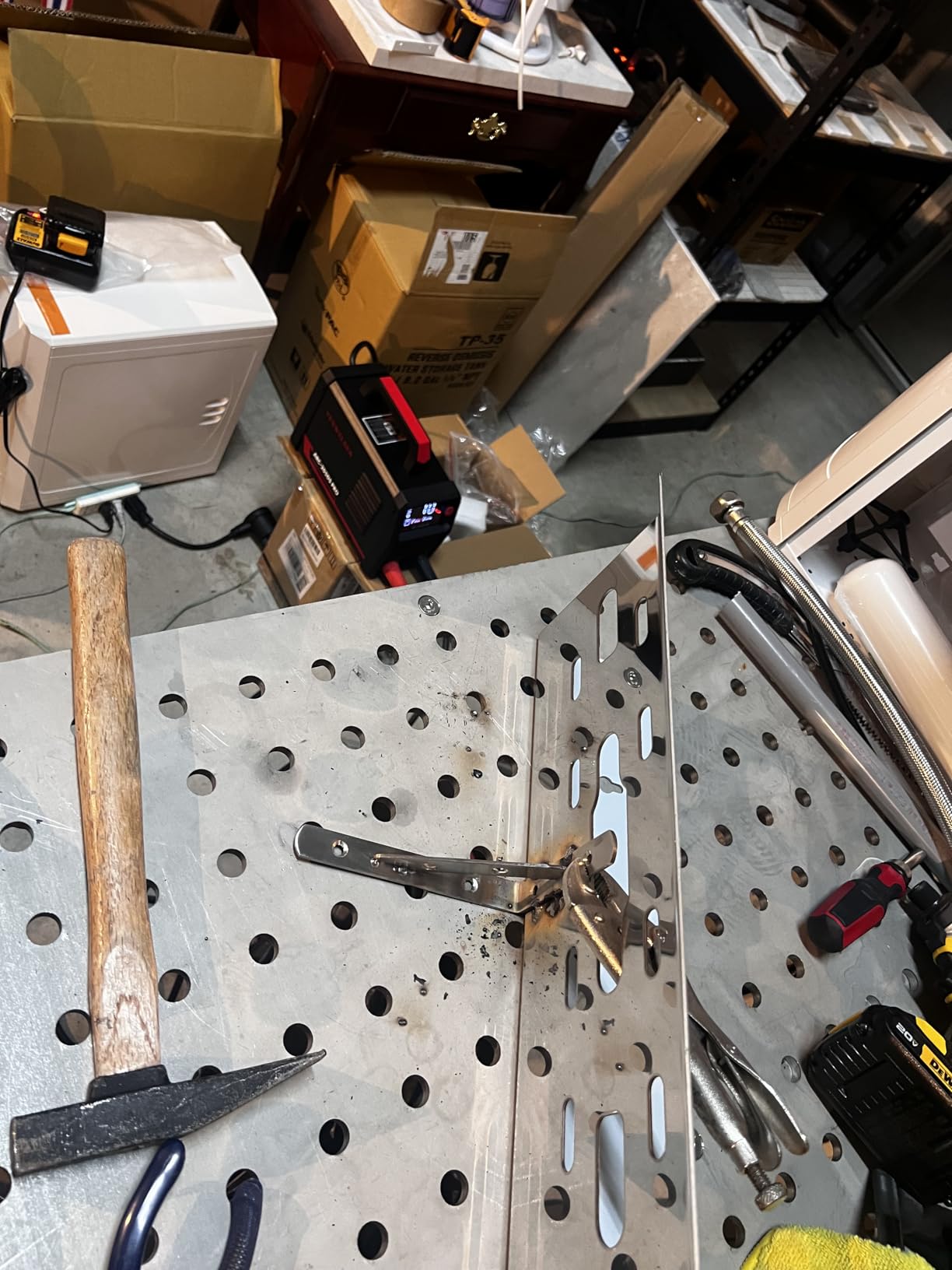
Automatic voltage fluctuation compensation, overcurrent, overload and thermal protection all live in the chassis, which matters when you are feeding it from a garage circuit that also has a welder on the other side of the wall.
It weighs 8.8 pounds with a carry handle, and owners mention carrying it one-handed to field repairs. That is real feedback from people who use machines outside, not a spec sheet claim.
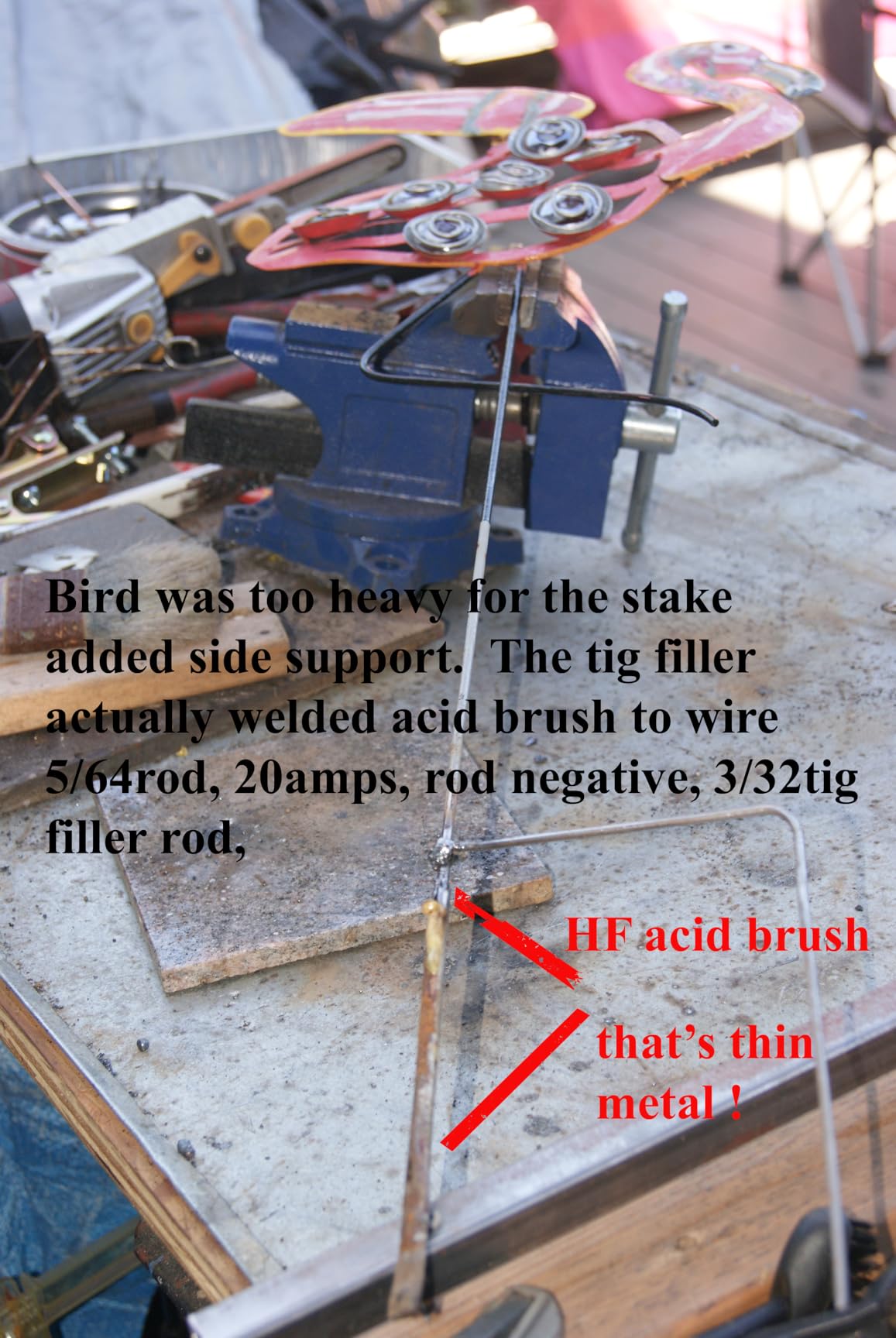
Why the hot start and arc force dials matter
Hot start boosts current the instant you strike, so the electrode does not gum up while you position the rod. Arc force adds bite as you move through a weld, which is what keeps a puddle from chasing you on thinner material.
With both adjustable across ten levels, you can turn one down for 16 gauge sheet and up for 3/8 inch plate using the same machine. Most competing units at this level offer fixed values only.
The readout problem you should know about
Experienced reviewers flag one issue consistently: the digital current readout can sit well above what the machine actually delivers, by as much as roughly 30 percent on some settings. Calibrate by test coupon rather than by the number on screen.
Second, 6013 rods start cold and need constant attention to puddle control on this machine. 7018 gives far more consistent results, so make that your default rod and treat 6013 as the scrap and clean metal option.
4. HONE 140A Dual Voltage Stick Welder – Best for Small Garages
HONE Stick Welder, 110V/220V Actual 140Amp ARC Welder Machine, IGBT Inverter Digital Display LCD Welding Machines with Hot Start Arc Force Anti-Stick, High Efficiency for 1/16″-1/8″ Welding Rod.
140A at 220V and 120A at 110V
40 percent duty cycle
1/16 to 1/8 inch rods
9.44 lb
9 x 3.9 x 5.6 in
Pros
- Performs like far more expensive machines
- Very small and light to store and carry
- Runs quietly with long leads
- Real 140A output on 220V at 40 percent duty cycle
- Anti-stick and hot start reduce rod sticking
Cons
- Amp display and knob sticker are inaccurate
- Does not reliably run 6010 cellulose rods
- Included electrode holder feels less substantial
A 40 percent duty cycle is unusual in this category. Most budget inverters quote 20 percent, which in practice means a cold machine and a walk to the cooler halfway through a bracket. This one holds 120A at 110V and 140A at 220V without that penalty.
Certified welders who bought it report being surprised by the output, and 1762 reviews average 4.6 stars. It runs E6013, E7018 and E6011 rods from 1/16 to 1/8 inch across mild steel, stainless and cast iron, which covers a lot of weekend projects.
At 9.44 pounds and roughly 9 by 4 by 6 inches, it is the smallest machine here. That matters in a condo garage or a rental where floor space is a genuine constraint.
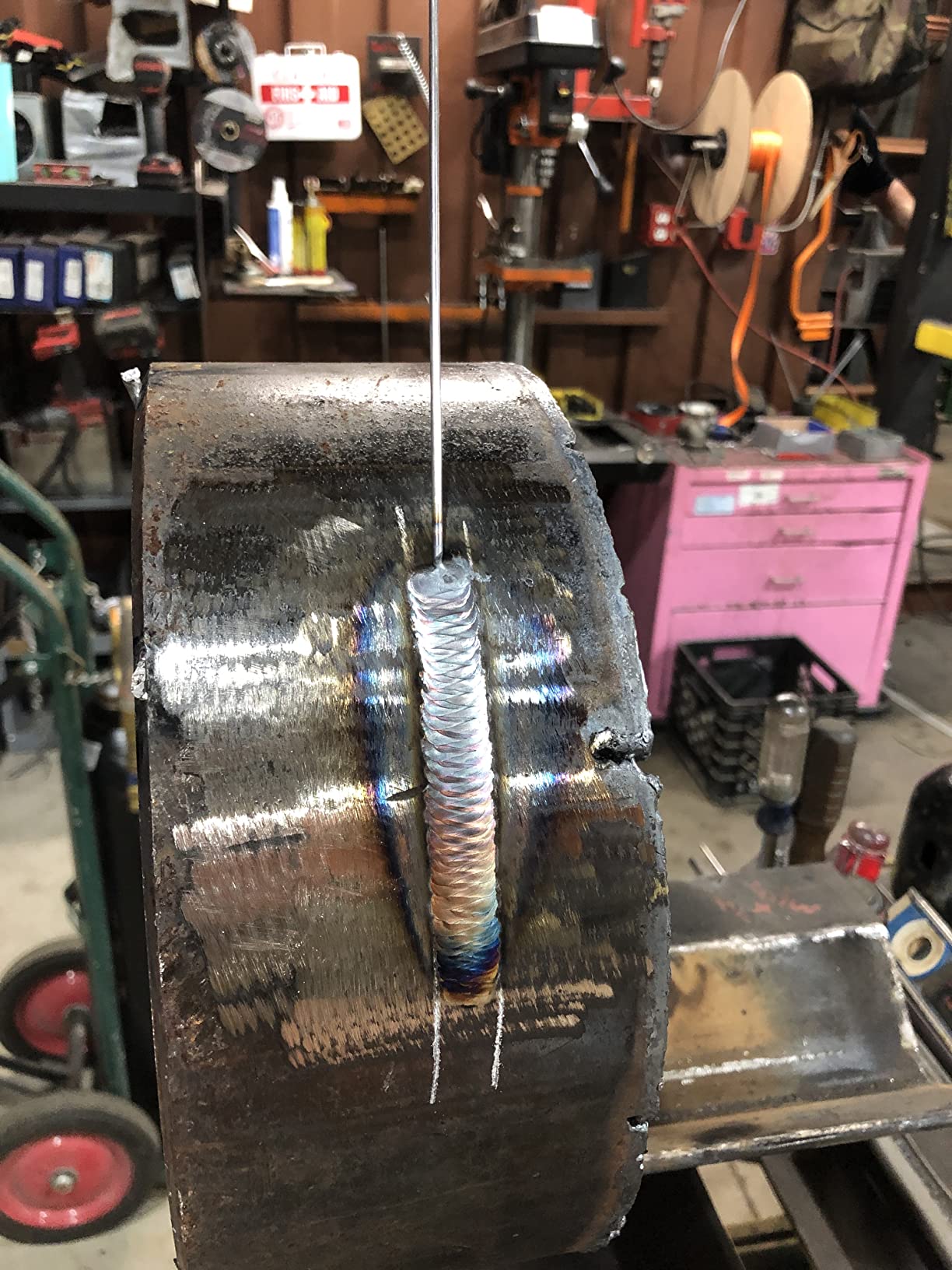
Digital IGBT control gives it stable arc behavior and noticeably deeper penetration at low currents, which is where cheap machines usually fall apart. Run it low for thin gauge and the puddle behaves.
The fault indicator on the display is a nice touch, and the closed loop protection suite covers overheat, overcurrent, over-voltage, under-voltage and short circuit.
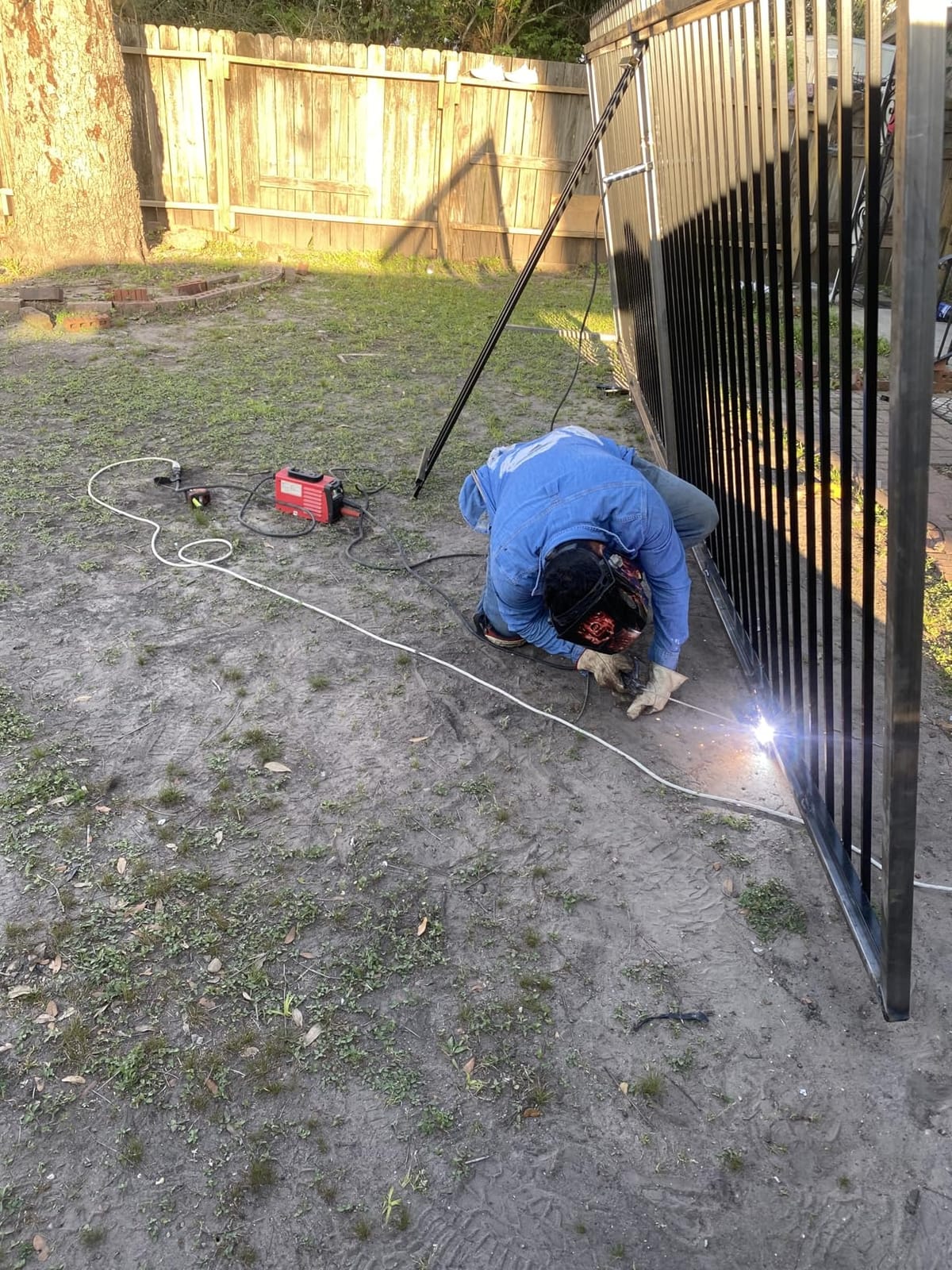
Where the stated output is trustworthy
The difference between this machine and most of its class is that the 140A claim holds on a real 220V circuit. Dual voltage operation means one machine covers a 15A household outlet and a dedicated shop circuit, with no adapter swapping.
Rod compatibility is where you feel the honesty. E6013, E7018 and E6011 all behave well. E6010 cellulose rods are the problem, and reviewers report it will not sustain an arc on them reliably.
Who should buy something else
If structural work with E6010 is your main use, the arc struggling with cellulose rods will waste your time. Choose a machine that names 6010 compatibility and shows owner reviews demonstrating it.
Also expect to replace the included electrode holder. It is serviceable but not substantial, and thin holders lose contact with a hot electrode faster than a proper brass or copper one.
5. S7 200A DC TIG and Stick Welder – Best for Learning TIG
S7 200A TIG Welder with DC TIG and Stick Welding
200A DC TIG and stick
110V and 220V dual voltage
High frequency TIG start
18.01 lb
Standard TIG consumables
Pros
- Very capable TIG for the money
- Good on thin stainless tubing
- High frequency start works reliably
- Compact and quiet with two processes
- Post gas flow dial at this price
Cons
- Argon bottle and regulator cost extra
- Torch lead is stiff and short
- Trigger is on and off only
- Push-on gas fitting is awkward
- Instructions and tutorials are thin
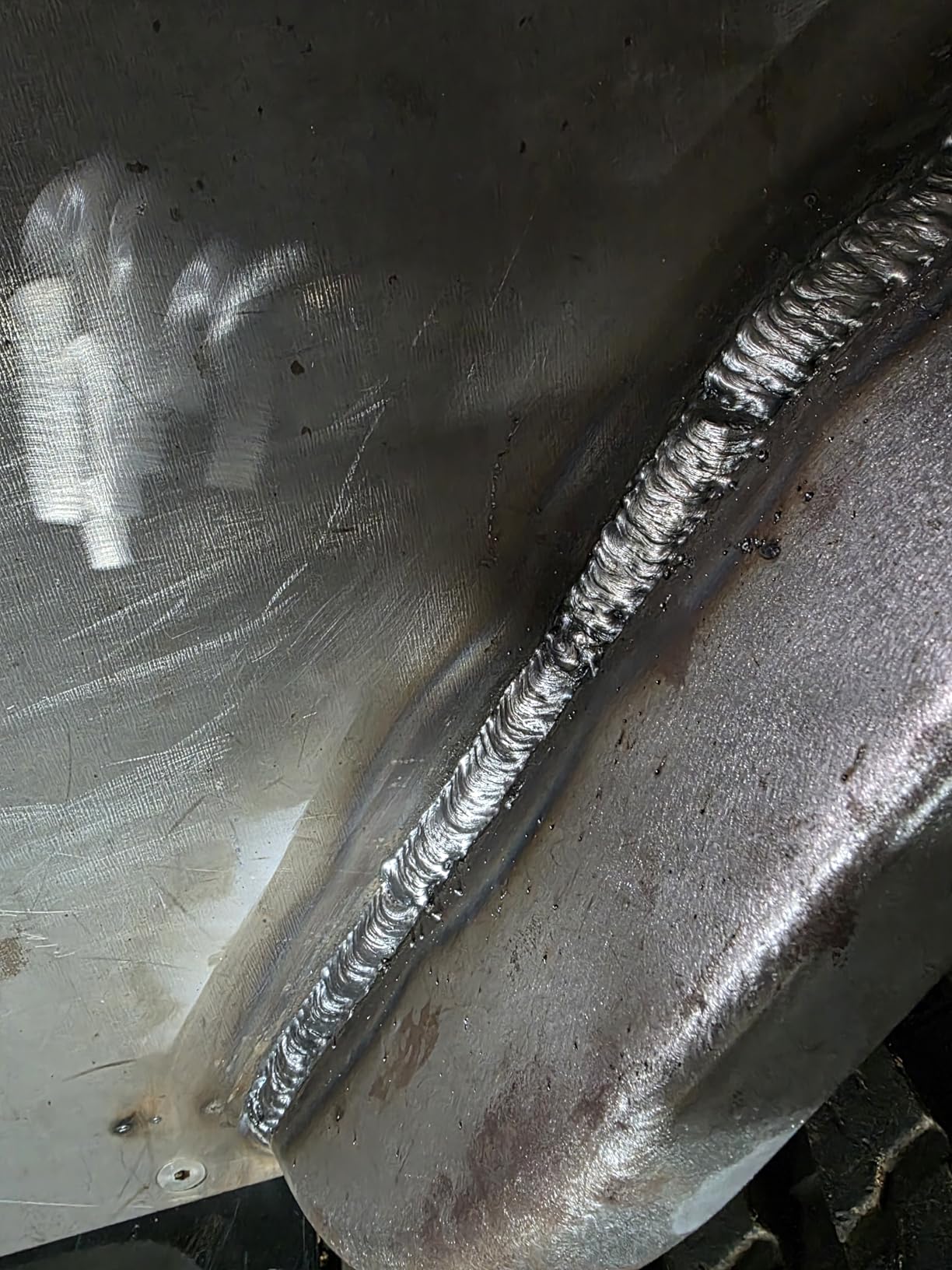
TIG is the process that produces the cleanest, most beautiful welds you can make on thin material, and it is the one most beginners never try because the machines and accessories cost too much. This is the cheapest credible entry point I found.
The high frequency start is what makes it feel modern. It starts the arc without a scratch starter, which matters enormously on stainless tube where a bad start arc leaves a visible discolored spot. Owners report good results on thin stainless once set up.
It also does stick, so one machine covers your structural work and your decorative work. The digital current display and overheat and overload protection are basic but present.
Budget for an argon bottle and a regulator. That is a real cost on top of the machine, and skipping it is the single most common regret I see in TIG owner reviews.
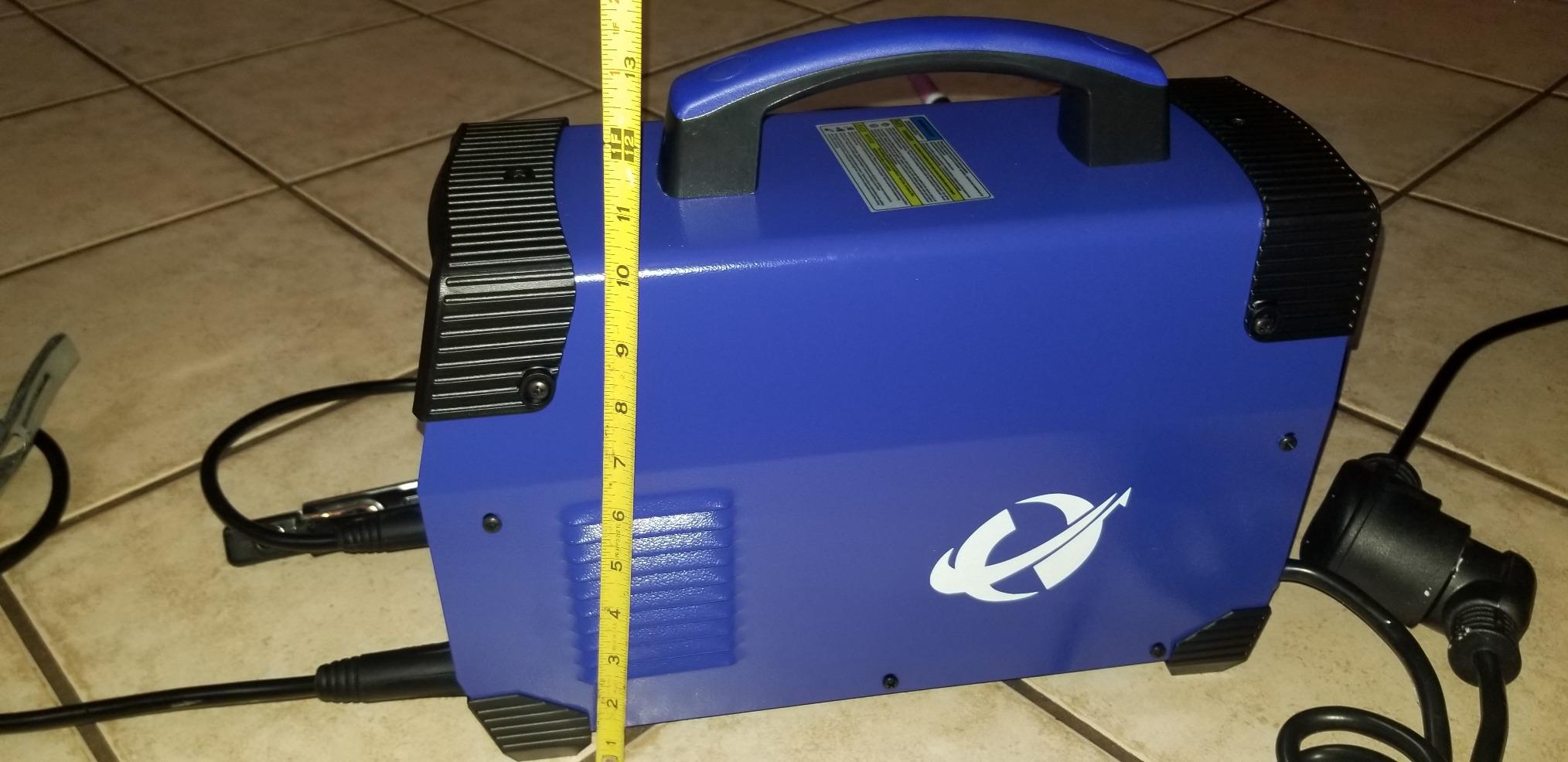
At 18.01 pounds it is heavier than the stick units here but still manageable. It uses standard tungsten electrodes, ceramic cups and collets, so the consumable supply chain is normal and well stocked.
What DC TIG can and cannot weld
This machine is DC TIG only. That is the right answer for mild steel, stainless and copper, and the wrong answer for aluminum. Aluminum TIG needs AC, because the oxide skin on the metal has to be cleaned by reversing the arc polarity every cycle.
Lift TIG on a DC machine also will not clean aluminum the way a hobbyist expects. If aluminum is on your list, budget for an AC TIG machine such as the Weldpro 200A further down.
The parts that will frustrate you
The torch trigger is on and off rather than variable amperage, so you control current with the machine dial instead of your foot or hand. It is workable, but it removes fine control on thin material.
The torch lead is stiff and short, the gas fitting uses a push-on nozzle that is awkward to connect, and the instructions are minimal. Spend your first session finding TIG tutorial content for this specific machine before you start a project.
6. ARCCAPTAIN 200A Stick and Lift TIG – Best for Heavier Plate
ARCCAPTAIN Stick Welder, 200A ARC/Lift TIG Welding Machine, 110V/220V
200A stick and lift TIG
110V and 220V
Synergic rod selection
11.02 lb
TUV and ANSI tested
Pros
- Runs 6010 rods well even at 110V
- Light body with shoulder strap included
- Large LED readable with a helmet down
- Rod selection keeps amperage in range
- Good ground clamp for the price class
Cons
- Supplied cables are copper plated aluminum and run hot
- Output about 175A at a 200A setting with stock leads
- Fan is high pitched and noisy
- Power cord is only about 6 feet
- Lift TIG torch not included
Running 6010 cellulose rods on a budget inverter is genuinely unusual, and that is where this machine separates itself. Experienced reviewers single out 6010 performance as the reason to pick it over cheaper stick machines.
Synergic rod selection matches current and voltage to the rod diameter, which means a beginner holding 7018 gets sensible settings without studying a chart. The LED display is large enough to read through a helmet.
It is TUV and ANSI tested with overcurrent, overvoltage, overload and overheat protection, and the brand backs it with a two year quality service commitment. The shoulder strap in the box makes the 11.02 pound body easy to carry.
My one firm recommendation is to replace the included leads before any sustained work. They are copper plated aluminum, and they get hot at high amperage, which is both a comfort problem and a safety one.
Moving up to #2 AWG copper cable and a proper ground clamp fixes that, costs far less than the machine, and removes the most common complaint in the reviews.
What synergic rod selection actually does
You tell the machine what rod you loaded, and it constrains amperage to the range that rod can hold. Loading 6010 and dialing to 190 amps is not something you can do by accident here, which is a real safety improvement on a shared machine.
It also means the machine behaves predictably when two people use it with different rods. That matters in a shop where more than one person welds.
Why the 175A finding matters
Owners measuring output with stock leads report roughly 175 amps when the dial reads 200. That is a consequence of thin cable resistance, not a defective power source, and heavier copper cable usually closes most of the gap.
The high pitched cooling fan is the other recurring note. It is not a defect, but if you work next to the machine for hours, ear protection is sensible.
7. Forney 298 Easy Weld 100ST – Best Recognized Name on the Block
Forney 298 Easy Weld 100ST 90 Amp Welder – 120-Volt Stick and TIG Capabilities
90A output on 120V input
Stick welding with TIG capability
All metal case
13.7 lb
8 ft leads included
Pros
- Smooth stable arc for a 110V machine
- Compact and light enough to carry to remote jobs
- Stinger quality is better than expected
- A recognized American brand with parts support
- Plugs into any standard household outlet
Cons
- Maxes out at 90 amps limiting rod and thickness
- Not ideal for beginners
- Recommended rods can be hard to run
- Leads are short
- On off switch is stiff with gloves on
There is one thing a budget welder cannot fake, and it is parts availability. Forney is a known welding brand with a real support network, which means a lost stinger or a failed switch is a solved problem rather than a mystery.
The 90 amp output on 120V is honest and modest. Owners and certified welders describe it as a reliable, well made light duty machine that is excellent for hobby and repair work rather than fabrication.
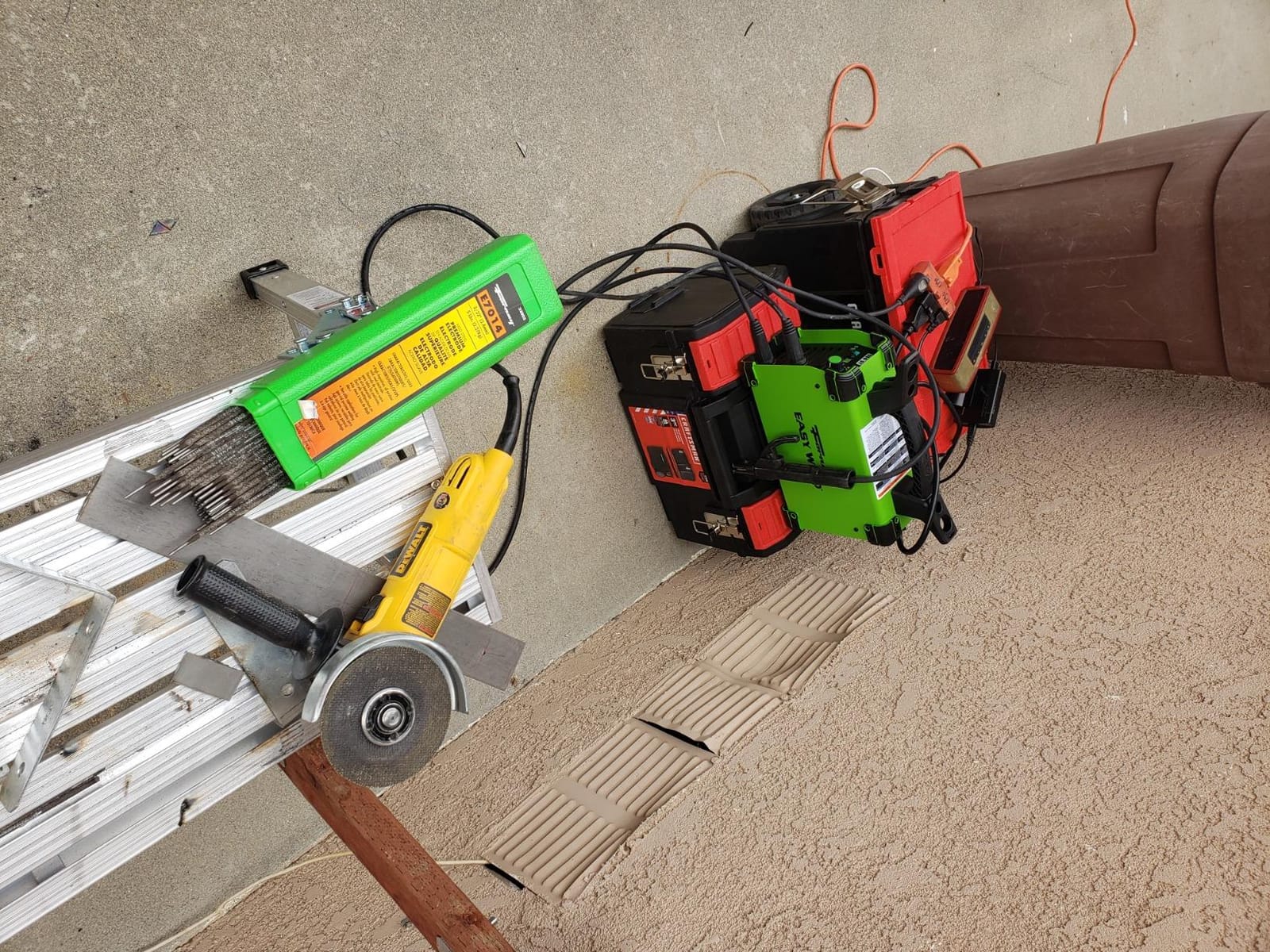
The all metal case is a genuine step up from the plastic housings common at this price, and it includes an 8 foot electrode holder and 8 foot ground clamp.
The 12 month manufacturer warranty is standard here, but the brand behind it is what actually matters. Long time owners report units still in service years later.
One practical note: the switch is stiff and awkward to operate with welding gloves on, which you will do every single time you start a weld. Plan for a second or two of fumbling until you get the motion down.
When 90 amps is genuinely enough
Ninety amps runs 6013 and 7018 rods up to about 1/8 inch comfortably, and handles door frames, gate hardware, brackets and general home repair without drama. It is a genuinely capable machine for that range.
The limit bites on anything thicker or sustained. If your project list includes trailer frames, thicker plate or repeated long passes, 90 amps becomes the bottleneck rather than the machine.
Why beginner fit is mixed
Owners note the recommended rods can be hard to run and may need the machine at maximum output, which is not a great combination with someone still learning puddle control. Beginners often do better on an inverter with adjustable hot start.
If you want a name you can trust and do light work, this is the pick. If you want to grow into heavier projects, spend the difference on more output instead.
8. ARCCAPTAIN MIG200 6-in-1 – Best for Aluminum on a Budget
ARCCAPTAIN 200A MIG Welder 110V 220V 6 in 1 Aluminum Welding Machine MIG200
6 in 1 MIG with spool gun
Synergic and manual modes
10 memory presets
110V and 220V
2 year manufacturer warranty
Pros
- Feature set normally found far above this price
- Smooth easy to control bead
- Dual 110V and 220V works well
- Fan runs on demand so it is quiet
- Spot weld mode and memory presets are useful
Cons
- Included drive rolls lack a .035 inch groove
- Power cable is thin and heats on long runs
- Strain relief on the torch plug is flimsy
- Wire feed speed shown in meters per second
- Setup chart is inaccurate
Aluminum is where budget welders usually get expensive. Push-pull spool guns and the pure aluminum wire they require can add hundreds of dollars, and the MIG200 has a spool gun port, so you can enter that process when you are ready rather than on day one.
Six processes in one chassis: gas solid wire MIG, gasless flux core MIG, stick, spot welding, lift TIG and spool gun aluminum. Owners upgrading from a basic machine consistently praise the control and the synergic memory.
Ten groups of storable parameter settings mean you save a recipe for a job and recall it later, and the cooling fan runs on demand only, which makes the machine quiet when it is not welding.
It handles .023, .030 and .035 solid wire, .030 and .035 flux core, and .035 and .040 aluminum wire with a spool gun. The two year manufacturer warranty is the longest stated on a budget multi process unit here.
Buy the right drive rolls before you start
This is the most consistent complaint in the reviews: the included drive rolls have no groove sized for .035 inch wire of any type. If you plan to use .035 solid wire, order the correct grooved rollers separately before your first weld.
It is a small, cheap fix that a lot of owners discovered the hard way. Checking the wire size on your spool against the roller grooves takes ten seconds and saves an afternoon.
Settings you will want to change
Wire feed speed is displayed in meters per second rather than inches per minute, which is a real annoyance if you learned on a domestic machine. You can still set it, you just have to think in different units.
The printed setup chart is inaccurate, so ignore it and find a settings card online for your material and wire size. The synergic auto match is good enough to get you close, and the 3V trim is where you finish the job.
9. Weldpro 200A AC/DC Pulse TIG – Most Versatile
Weldpro 200A AC/DC TIG Welder with Pulse, 110V/220V Dual Voltage Aluminum TIG Welder, AC TIG/DC TIG/AC PULSE TIG/DC PULSE TIG/Stick 5 in 1 Multiprocess Welding Machine with TIG Torch & Foot Pedal
200A AC and DC TIG with pulse
0.5-200Hz pulse control
40 percent duty cycle
61.8 lb
Torch and foot pedal included
Pros
- AC and DC TIG with pulse is rare at this price
- Produces good aluminum TIG welds
- Complete kit with torch
- foot pedal
- clamp
- hose and flow meter
- Large high contrast LED display
- Automatic 110V and 220V switching
Cons
- Very heavy at nearly 62 lbs
- Torch runs hot during long continuous passes
Real AC TIG is the difference between a machine that can touch aluminum and one that genuinely welds it. AC current reverses polarity every cycle to scrub the oxide off the surface, and adjustable balance and frequency let you tune that for the alloy in front of you.
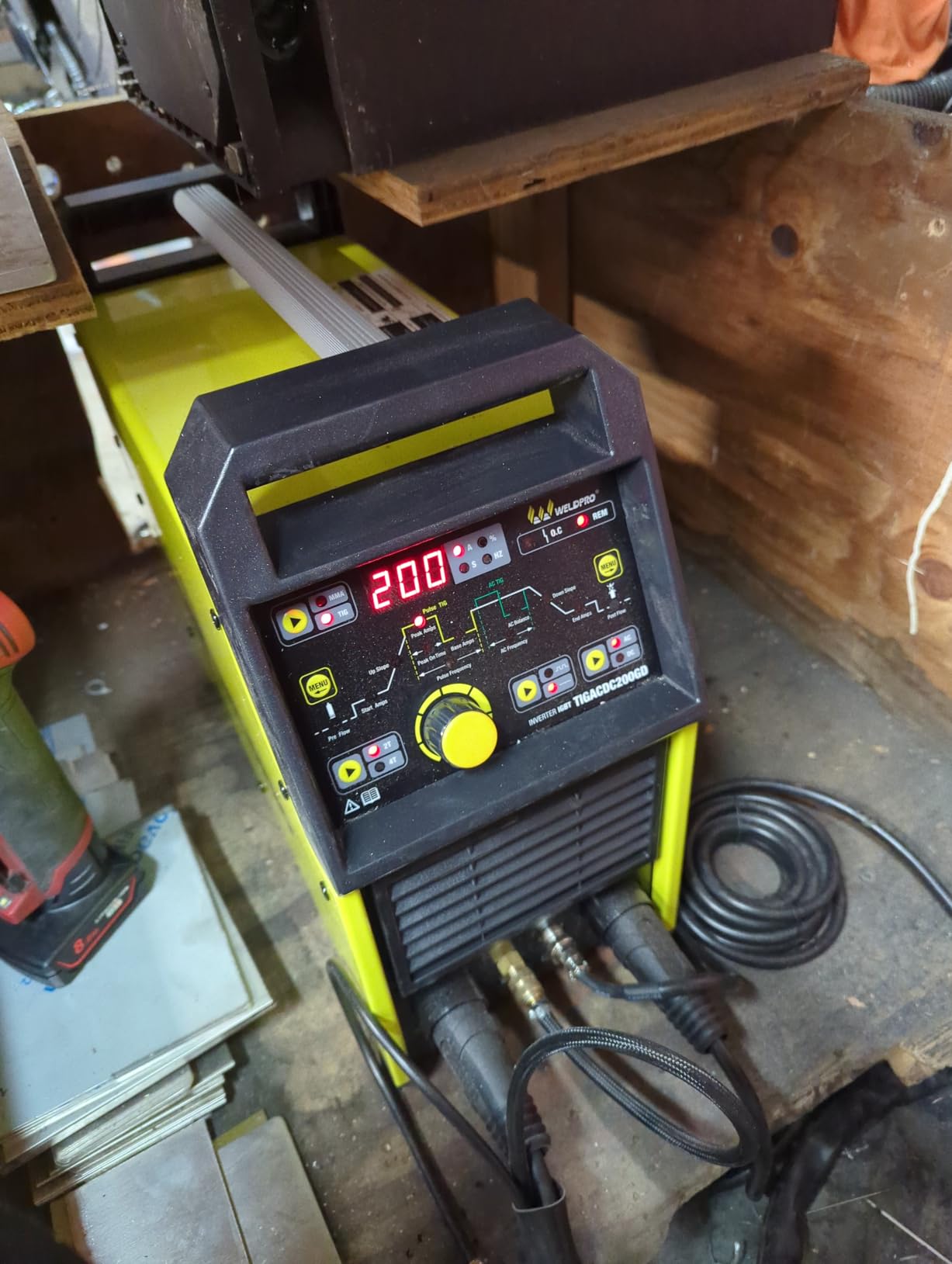
Five modes here: high frequency AC TIG, DC TIG, AC pulse TIG, DC pulse TIG and stick. Pulse runs from 0.5 to 200Hz with adjustable peak amperage and upslope and downslope, which controls heat on thin material.
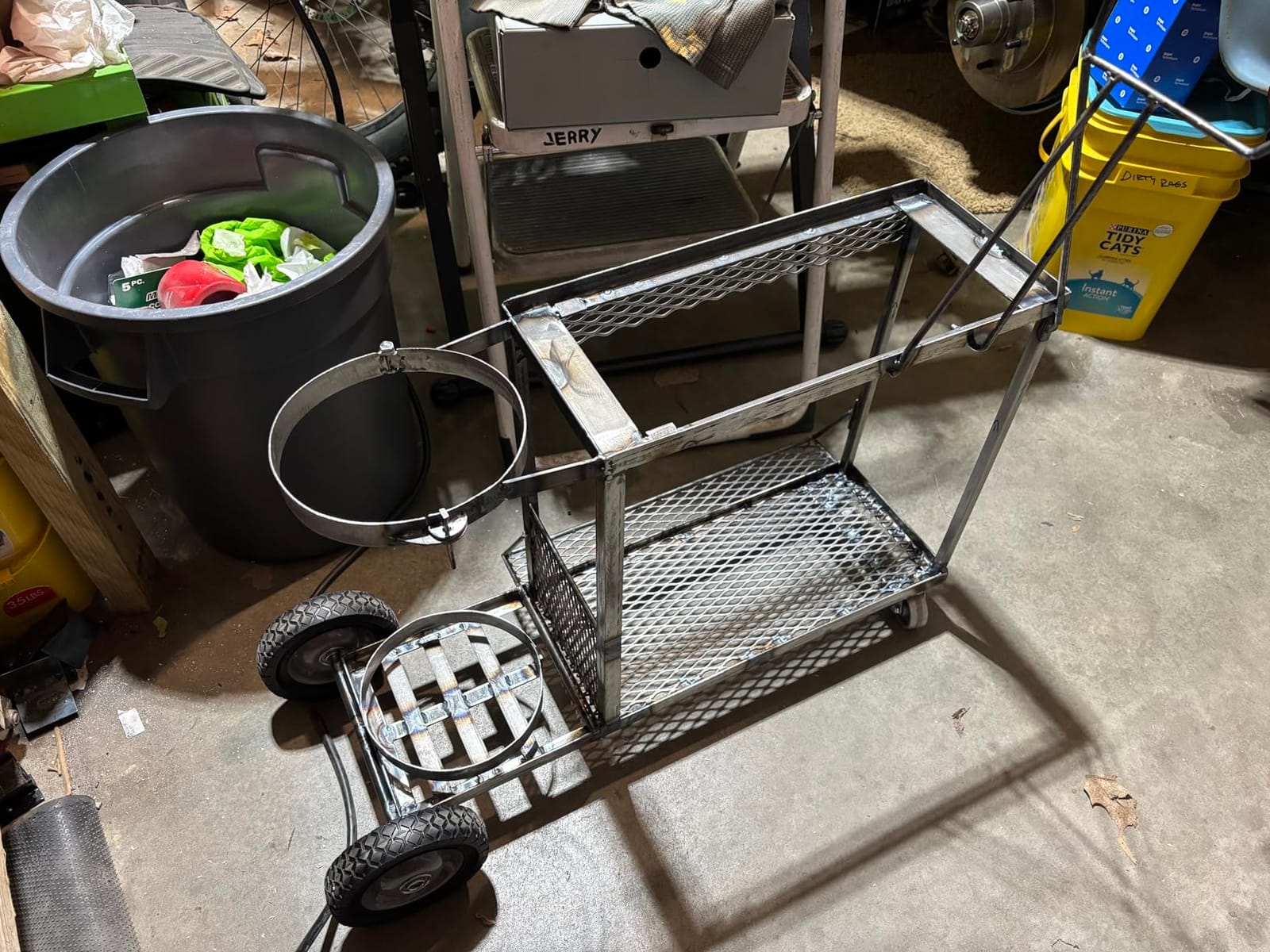
The accessory kit is the reason this ranks as a premium pick. Torch, rocker foot pedal for hands-free amperage control, ground clamp, gas hose and flow meter all ship in the box, so you are not hunting parts after purchase.
Automatic 110V and 220V detection and switching removes the usual adapter guesswork, and the 40 percent duty cycle at full 200A output is a genuine shop figure rather than a headline number.
Owners report the 80 percent five star share reflects real satisfaction, with clean aluminum work and a complete out of the box package as the two things they mention most often.
When AC TIG earns its cost
Boat hulls, aluminum trailer parts, air intake manifolds and any repair to an extruded aluminum frame all need AC. The alternating cycle keeps the oxide cleaned rather than reforming on every pass, which is why gas TIGers have used AC for aluminum for decades.
Pulse TIG is the quiet bonus. It delivers peak amperage for penetration and background amperage between pulses so the puddle cools, which makes thin stainless and brass far more forgiving for a learner.
The weight problem is real
At 61.8 pounds this is not a machine you carry to a fence line. It is a garage and shop unit, and if you need field portability the lighter stick machines in this roundup suit you better.
The other noted drawback is torch heat during long continuous passes. Take the planned breaks the duty cycle already requires and the torch runs cool enough for a full session.
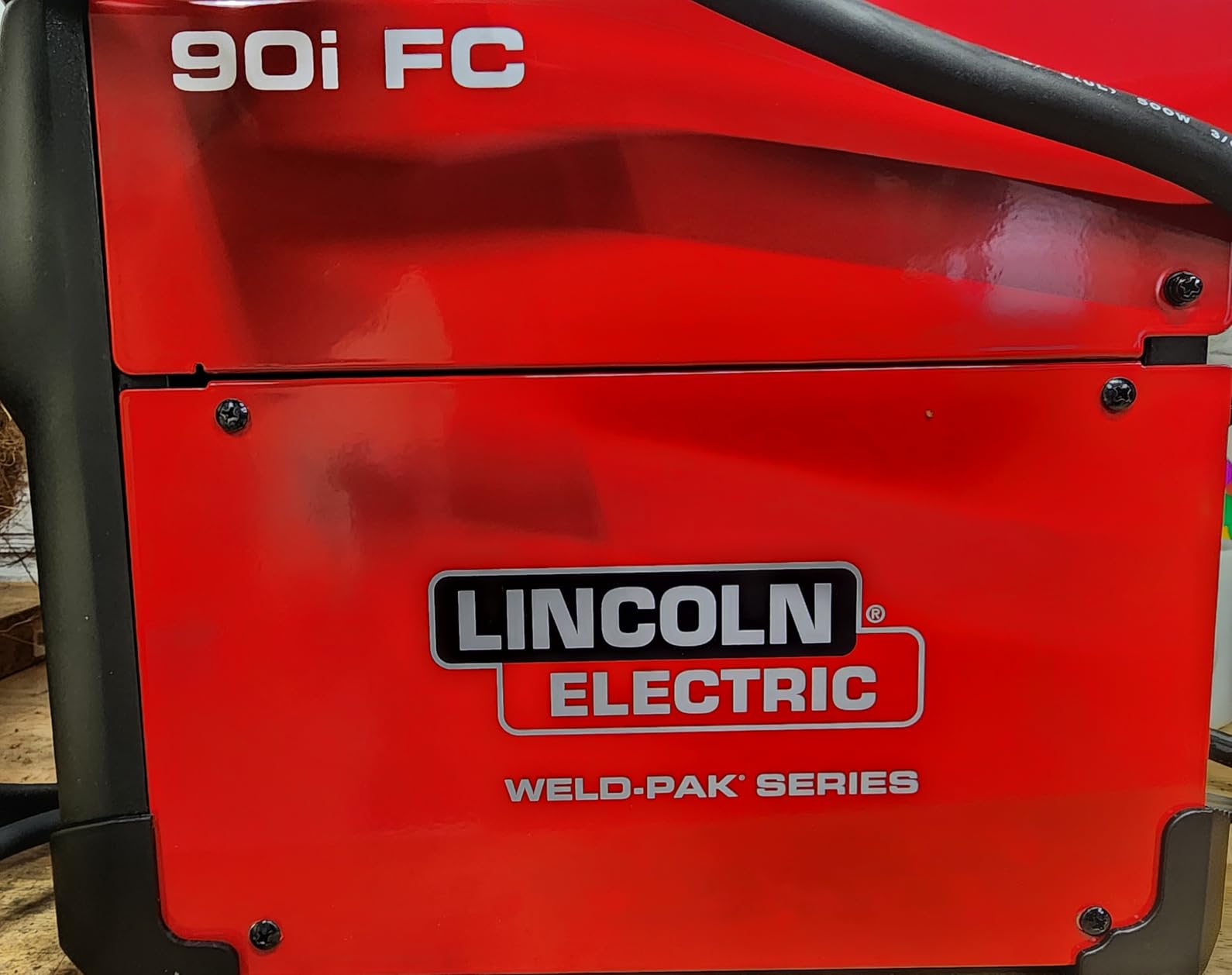
10. Lincoln Electric 90i FC Flux Core Welder – Best for Brand Trust and Durability
Lincoln Electric 90i FC Flux Core Wire Feed Weld-PAK Welder, 120V Welding Machine, Portable w/Shoulder Strap, Protective Metal Case, Best for Small Jobs, K5255-1
120V flux core rated to 1/4 inch
15 lb with shoulder strap
Metal case included
Gun, nozzle, tip and clamp included
Pros
- Highest rating in this roundup
- Light 15 lb body with shoulder strap
- Very good on 14 to 18 gauge stainless and sheet metal
- Two simple controls hold settings steady
- Durable enough for repeated job site use
Cons
- Can trip a 120V breaker on longer passes
- Limited to light gauge and small fabrication
- Metal case adds bulk to store
This carries the highest average rating of any machine here, and it earns it for a reason that is not about specs. Lincoln Electric is a brand with a service network, which is the thing that separates a welder you own for a decade from one you replace.
For a person who welds five to ten times a year and does not want to think about it, that is worth more than another 50 amps. Owners report consistent settings and durability over years of use, and describe it as a rugged workhorse.
Two knobs is genuinely all you get: wire speed and voltage with infinite adjustment. No synergic menus, no app, no memory presets. The simplicity is the selling point for anyone who wants the same result every time without relearning a control panel.
It welds anywhere 120V power reaches, rated up to 1/4 inch, and at 15 pounds with a shoulder strap it handles ladder and rooftop work fine.
The welding gun, nozzle, contact tip, work cable and ground clamp are all included, and the metal case protects the machine in a truck bed. That is a complete package with nothing to hunt for.
What flux core solves for a first machine
Flux core wire is self shielded, so there is no gas bottle and no regulator. It feeds through a simple gun at high wire speeds, which makes it fast on flat and horizontal mild steel. For a beginner doing garage and fence work, that is an ideal first process.
Lincoln rates this machine to 1/4 inch on 120V, which is honest and achievable. Beyond that you need a 220V machine with more output.
Where it will disappoint you
On longer or thicker passes it can trip a household 120V breaker, and the fix is a bigger breaker or a 220V circuit, not a different machine. Be honest with yourself about your circuit before you buy.
It is also light gauge and small fabrication only. There is no stick mode and no TIG, so a second machine is likely within a few years if your hobby broadens.
11. Weldpro Omni210 6-in-1 – Best All-in-One Package
Weldpro Omni210 MIG Welder 200A Multi-Process Welder 110V/220V,Synergic MIG/Flux Core/Stick/Spool Gun/AC/DC HF TIG with Pulse,6-in-1 Frequency Control Welding Machine with Standard TIG Torch,VRD
200A across MIG, TIG and stick
12 lb spool capacity
110V and 220V
81.8 lb
180A torch, TIG torch and foot pedal included
Pros
- Excellent AC aluminum TIG welds
- Wire feeds smoothly and stops on trigger release
- Dual voltage with adapter cord is practical
- Fan shuts off when not needed so it is quiet
- Customer service replaced a failed unit
Cons
- Very heavy at nearly 82 lbs
- TIG mode lacks upslope and pulse
- Short leads and a cheap side door latch
- No post flow gas control
- Integrated gas and MIG connection is bulky
This is the most complete single box in the roundup. Six processes, up to 200 amps across MIG, TIG and stick, a 12 lb spool capacity, and the torch, TIG torch, flow meter, ground clamp and foot pedal all included.
Buyers treat it as a capable MIG machine first, with the AC TIG as a strong bonus rather than the main event. The wire feeder feeds smoothly and stops cleanly when you release the trigger, which is a detail that matters more than any menu.
Service is worth noting. Owners report Weldpro customer service replacing a unit after a failure, which is a meaningful signal on a purchase at this level.
The 12 lb spool capacity is larger than most machines here, so you are not constantly changing wire during a long fabrication run.
VRD, hot start, arc force and post flow settings are all present, with over-current, overload, over-voltage and overheat protection behind them.
Buy it as a MIG machine, not a TIG machine
Owner feedback is clear that the TIG function is not a first choice. It lacks upslope, pulse and variable amperage control on the torch, so fine heat control on thin material is limited compared with a dedicated TIG machine.
For aluminum, the AC capability produces good welds. For precision work on thin stainless, the missing upslope and pulse will be the limit you notice first.
The weight is the headline drawback
At 81.8 pounds this is the heaviest machine in the roundup, by a wide margin. It is a shop machine that stays put, and moving it to the driveway is a two person job rather than a shoulder carry.
The short leads, light plastic and a cheap side door latch are the budgeted details. Replace the leads before sustained work, the same advice that applies to the lighter ARCCAPTAIN stick unit.
12. ARCCAPTAIN MIG205MP 9-in-1 – Best With a Built-In Plasma Cutter
ARCCAPTAIN MIG205MP MIG Welder with Plasma Cutter, 9 IN 1 Welding Machine
9 modes with integrated plasma cutter
60 percent duty cycle
MIG 30-205A
Cut 10mm quality and 18mm max
Dual voltage 120V and 240V
Pros
- Welder and plasma cutter in one unit
- Large LED display and syn function are beginner friendly
- App saves parameters for repeated jobs
- Deep parameter control for experienced users
- Dual cooling fans for sustained duty cycle
Cons
- Spool gun must be bought separately for aluminum
- Dual voltage switching needs the screen fully off
- Newer model with a smaller review base
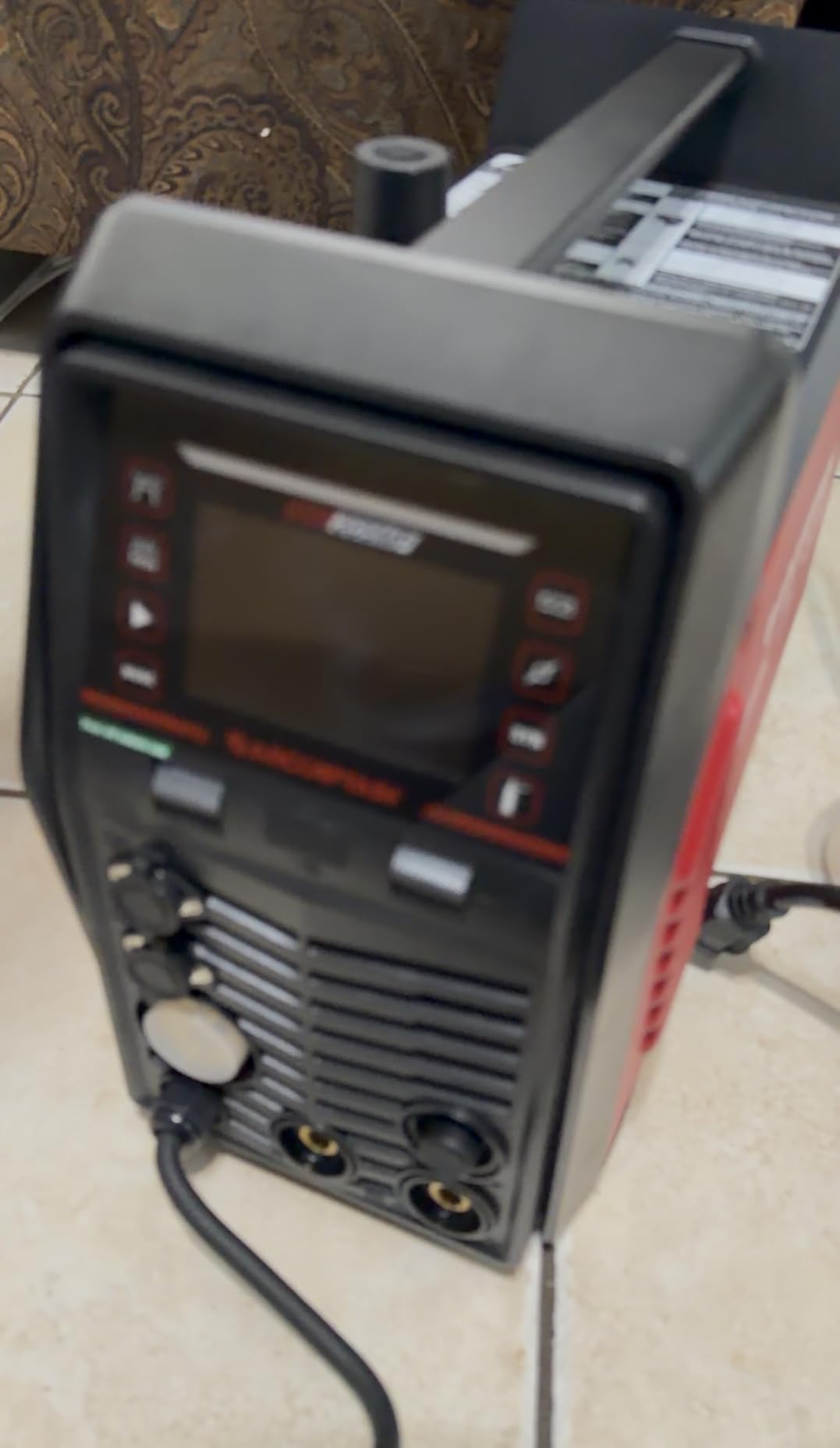
Having a plasma cutter built into a welding machine under this ceiling is unusual, and it opens up work that would otherwise need a second piece of equipment. Nine modes cover gas MIG, gasless MIG, plasma cut, DC HF TIG, DC lift TIG, stick, clean, spot weld and spool gun aluminum.
The cutting specification is 10mm quality cut and 18mm maximum, and the welder runs 30 to 205 amps on MIG, 20 to 205 on DC TIG and MMA, and 20 to 50 on the cut side.
Sixty percent duty cycle with dual cooling fans is a serious figure for a machine at this level, and it means fewer cold pauses on a long trailer frame or a batch of brackets.
App control for parameter adjustment, monitoring and preset memory within ten meters is a genuinely nice touch for anyone who repeats the same job settings. The large LED display and syn function keep it approachable.
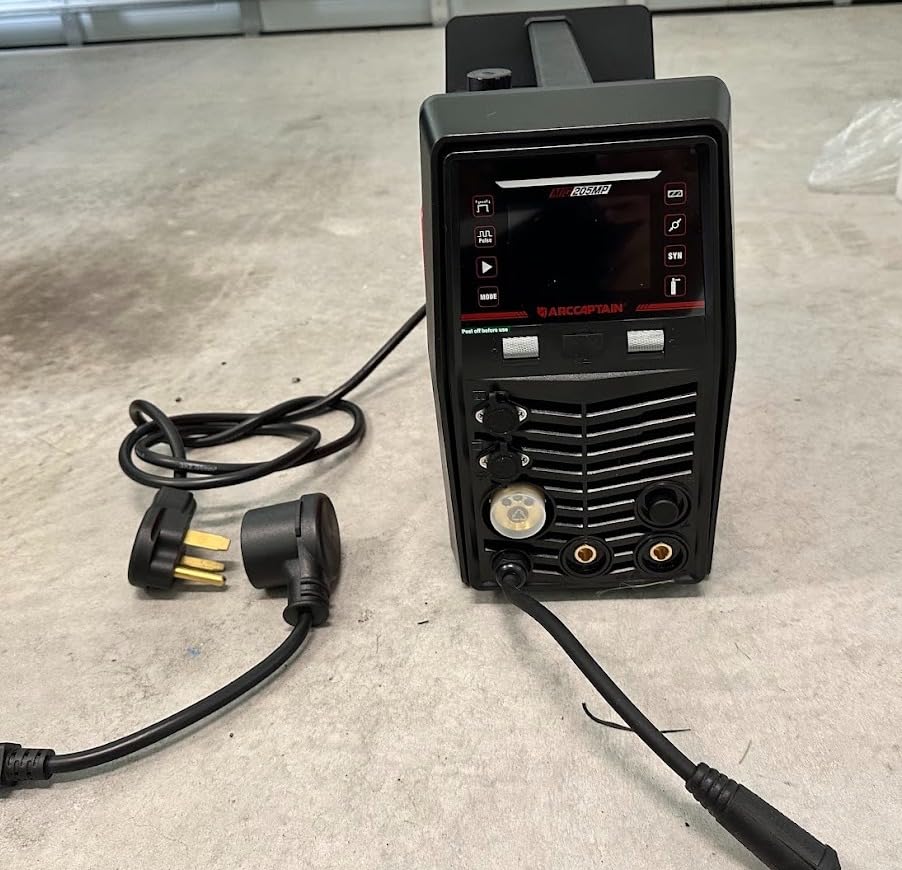
It is backed by three years of quality service with VRD and a fault alarm, and dual voltage switching runs on 120V and 240V.
Who gets real value from the plasma cutter
Plasma cutting is about shape work, not just straight cuts. Gussets, brackets, tabs and decorative profiles that would take a long time on a chop saw come out fast, and the beveled edge is ready to weld without grinding.
That is a real saving for someone who fabricates small parts regularly. For occasional fence work you will never touch it, and the other eight modes are still the reason to buy.
Two things to know before you buy
The spool gun is not included, so aluminum still costs extra. And dual voltage switching only works when the screen is fully powered off, which is an odd sequence that catches people out the first time.
It is also the newest model in this roundup, and its review base of 249 is the smallest of the group. The early feedback is very positive, but you are buying on features rather than a long track record of owner reports.
How to Choose a Welder Under $1000
Pick the process before you pick a machine. Every other decision, including voltage, amperage and accessories, follows from what you intend to weld and where.
Stick only: the cheapest way into welding, needs no gas, handles thick structural steel, outdoor work and dirty metal with the least fuss. This is the right process for fence posts, gates, frames and repairs.
Flux core MIG: self shielded wire, no gas bottle, the fastest option on thin and medium mild steel. Ideal for exhaust work, body panels and general garage repair. It is the best first process for most beginners.
Gas MIG with solid wire: the cleanest and most versatile MIG process, the standard for fabrication and the only practical way to weld aluminum with a spool gun. It costs more to set up because you need shielding gas and a regulator.
TIG: the cleanest welds on thin material and the only sane way to weld aluminum, but it has the steepest learning curve and the highest accessory cost. Buy it second unless stainless or aluminum is your main project.
Read the amperage at your voltage, not the number on the box
A machine rated 200A at 220V might deliver 100A at 110V. Owners repeatedly report that the digital readout on budget machines over-reports by a meaningful margin, sometimes around 30 percent on some settings.
So run a test coupon. Cut two identical 1/8 inch strips of scrap, weld one with the dial at 100 and one at 130, and look at penetration and spatter. That ten minute test tells you more than any spec sheet.
As a rough guide, roughly 1 amp per thousandth of an inch of material is the classic rule for mild steel. Quarter inch steel means thinking in the 150 to 200 amp range, which is why 220V matters for real fabrication.
Duty cycle and how often you actually weld
Duty cycle is the percentage of a ten minute period you can weld at the stated output before the machine overheats. A 20 percent machine gives you two minutes of arc per ten at full power; a 40 percent machine gives you four, and a 60 percent machine gives six.
If you weld five to ten times a year, duty cycle barely matters. Any of these machines will outlast your interest. If you are welding a full trailer frame in one weekend, it matters a great deal.
The hobbyist consensus in the forums is consistent on one point: buyers at this ceiling usually land in the 600 to 800 range rather than spending the entire budget, and that band leaves room for a helmet, wire, gas and a jacket. That is the smarter allocation.
Stick rod compatibility: 6013 vs 6011 vs 7018
6013 is the easiest rod to strike and the best all-rounder for a beginner. It is forgiving, low penetration and ideal for thin mild steel, sheet metal and general repair work.
6011 runs on both AC and DC and is the most versatile general purpose rod, with a deeper, rougher bead than 6013. It is the rod of choice for outdoor and dirty work, but on a modern inverter running DC, 6013 is usually easier.
7018 is a low hydrogen rod producing the cleanest and strongest fillet welds on structural steel. It needs a proper oven dry rod and it runs hot, which is why experienced owners treat it as the default rather than a beginner rod.
6010 is a cellulose rod that gives deep penetration, usually on DC positive. It is the standard for pipelines and shipyard structural work, but budget inverters often struggle to sustain an arc on it. Check the machine names 6010 compatibility before planning around it.
If you are torn between 6013 and 6011, the short answer is that on a DC inverter machine, 6013 welds more easily for a beginner. Choose 6011 when you need it to run on AC, or when you are working outside on dirty, rust-covered metal.
110V vs 220V: What Your Outlet and Breaker Have to Be
Most budget welders are dual voltage, which means one machine works on a household outlet and on a dedicated shop circuit. The switch itself is trivial. The circuit behind it is where beginners get surprised.
A 15 or 20A household circuit at 110V is shared with everything else on that branch. A welder pulling 120 amps input will demand far more than that, so the machine cycles its output down. The result is a smaller effective output, and on longer passes it can trip the breaker outright.
For a 220V circuit you want a dedicated line. A 30A breaker suits most machines in this roundup at their full rated output, and a 40A breaker covers the larger 200A units. The outlet needs to match: a NEMA 14-30R for 30A, a NEMA 14-50R for 50A, and a 6-20R style outlet for 20A circuits.
Extension cords are the most common mistake. For 110V, a 10 gauge cord is about the limit and should be as short as your layout allows. For 220V, use 8 gauge or heavier. A long thin cord on 220V is an electrical hazard as well as an output problem, and it is worth the few dollars to get it right.
Many machines ship with an adapter lead, and the Lincoln 90i FC and Lincoln-style shop machines that take a 120V plug will run on a standard outlet with no wiring at all. That is a real advantage if you weld in a basement, a rental or a location with no spare 220V line.
One more electrical term worth understanding: VRD, or voltage reduction device. It drops the output to a safe level in the 20 volt range so a stick electrode does not electrocute you in a damp basement. The MIG205MP and Omni210 both include it.
What Your $1000 Budget Also Needs to Cover
No serious competitor publishes this section, and it is where budget buyers overspend or underspend. Your machine is maybe half to two thirds of a complete working setup, and the rest is what determines whether your first weld goes well.
Auto-darkening helmet. Do not use a flip hood. A solar auto-darkening helmet that weighs under a pound changes welding more than any machine upgrade, because you can actually see the puddle. Budget a modest one rather than the cheapest shade-rated shell.
Welding jacket and gloves. Leather gloves with a heat-resistant liner, and a jacket in a weight you can work in. Cotton burns through faster than most beginners expect.
Safety footwear. Leather, lace up, and no synthetic uppers. Spark and slag damage burns, and a boot that takes a stray piece of slag without a burn is worth far more than the cost difference. Our metatarsal guard boot guide covers the specific features that matter in a welding shop.
Shielding gas and regulator. If you weld gas MIG or TIG, an argon cylinder and a proper regulator are a required cost, not an accessory. For TIG you also need the correct gas mix for the material.
Wire, electrodes and consumables. A 10 lb spool of solid wire, a box of flux core wire, a tube of 7018 rods and a box of 6013 will keep you going for a long time. Contact tips, nozzles and drive rollers wear out and are not reusable forever.
Consumables you will replace early. Heavy gauge ground clamps, a proper electrode holder, and correctly sized drive rollers. Cheap leads and clamps are the most common complaint across this whole group.
Anti-spatter spray and a chipping hammer. Small, cheap, and they make cleanup on a first project far less frustrating.
Scrap steel for practice coupons. This one is genuinely free. Cut a few 1/8 inch strips from a piece of angle iron and run beads until your settings are dialed in, rather than learning on the frame you actually needed finished.
The practical version of all this: buy the machine in the 600 to 800 band rather than the top of the range, and put the remainder into the helmet, the clamp and the gas. You will weld more, weld better and still be well inside the 1000 dollar ceiling.
Frequently Asked Questions
What is the best and most affordable welding machine?
The best welder under 1000 dollars for most people is the DEKOPRO 160A MMA stick welder. It combines 160 amps of IGBT inverter output, 110V and 220V dual voltage operation, ETL certification, and anti-stick with hot start for reliable arc starts on 6013 and 7018 rods. It is also the most reviewed machine in this group, with 6129 owner ratings averaging 4.6 stars.
What is the best affordable welder for home use?
For a home garage, the best affordable welder depends on your projects rather than the price. Gates, posts and frames want stick welding, so the DEKOPRO 160A is the strongest all-rounder. Exhaust work and body panels want flux core MIG, so the YESWELDER 135A 3-in-1 is the fit, since it ships with .030 and .035 wire and needs no gas bottle. Both run on a standard household outlet.
Are cheap welders any good?
Budget welders are genuinely good at the tasks they are honestly rated for. Every machine in this roundup produces sound welds on 1/16 to 1/8 inch mild steel and runs 7018 and 6013 rods. The problems show up in the consumables that ship in the box, thin leads that heat under load, and digital readouts that over-report output. Replace the ground clamp, electrode holder and drive rollers early and a budget machine performs like a shop unit.
What is the best welder for DIY?
The best welder for DIY work is the YESWELDER 135A 3-in-1 because it removes the hardest part of starting out. Synergic control matches voltage to wire feed speed automatically, both .030 and .035 gasless flux core wire are included, and there is no gas bottle or regulator to buy. It handles mild steel up to 3/32 inch at 110V, which covers exhaust repairs, patch panels and general home projects.
What is the best and most affordable stick welder?
The best affordable stick welder in this roundup is the DEKOPRO 160A MMA at 6129 reviews, with the YESWELDER 205A close behind for heavier plate. Both are IGBT inverters with hot start and anti-stick, run 6013 and 7018 rods, and switch between 110V and 220V. If you need 6010 cellulose rod capability specifically, the ARCCAPTAIN 200A is the one owners single out for it.
Is 6013 or 6011 better?
On a modern inverter welder running DC output, 6013 is the better rod for most beginners because it strikes easily and is more forgiving. Choose 6011 when you need a rod that runs on AC, or when you are welding dirty, rust-covered outdoor metal where a deeper bead helps. Many experienced owners actually default to 7018 for structural fillet welds because the low hydrogen coating gives the cleanest and strongest results.
What is a good starter stick welder?
A good starter stick welder needs 110V and 220V dual voltage, adjustable hot start and arc force, anti-stick, and compatibility with 6013 and 7018 rods. The YESWELDER 205A meets all of those, with hot start and arc force adjustable across ten levels and 8.8 pound weight. Its digital readout can over-report output by roughly 30 percent, so set your amperage against a test coupon rather than the screen.
Can a 110 220 stick welder run on a household outlet?
Yes. Every dual voltage stick welder in this roundup runs on a standard 110V household outlet, which is what makes them practical for beginners. The tradeoff is output, because a 200A rated machine may only deliver around 100A at 110V. For sustained work on thicker material, install a dedicated 220V circuit with a 30A or 40A breaker and an 8 gauge extension cord or heavier.
Will a dual voltage welder handle 7018 rods?
Yes, and 7018 is the rod most experienced owners recommend as a default. The DEKOPRO 160A, YESWELDER 205A, HONE 140A and ARCCAPTAIN 200A all name 7018 compatibility and run it without difficulty. Keep 7018 rods dry in a rod oven, and remember the current is a wire problem as much as a machine problem, so check the rod packaging for the amperage range your machine can hold.
The Verdict: Which Welder Under $1000 Should You Buy?
The best welder under 1000 dollars is the DEKOPRO 160A MMA, and it stays my pick because the combination of 6129 reviews, ETL certification, dual voltage and reliable arc starts is not something the rest of this group matches. If your work is thinner material or body panels, take the YESWELDER 135A 3-in-1 instead. If you weld plate and structural steel, the YESWELDER 205A gives you the output headroom.
Welders who only want to spend 5 to 10 sessions a year and want zero maintenance should look at the Lincoln Electric 90i FC, where brand support and durability matter more than feature count. Aluminum work calls for a spool gun port or real AC TIG, which points to the ARCCAPTAIN MIG200 or the Weldpro 200A.
Buy in the 600 to 800 range, put the rest of the budget into an auto-darkening helmet, a proper ground clamp and a cylinder of gas, and practice on scrap coupons before the first project. That is how a first welder at this budget ends up with a setup that lasts, and this roundup was updated for 2026.