
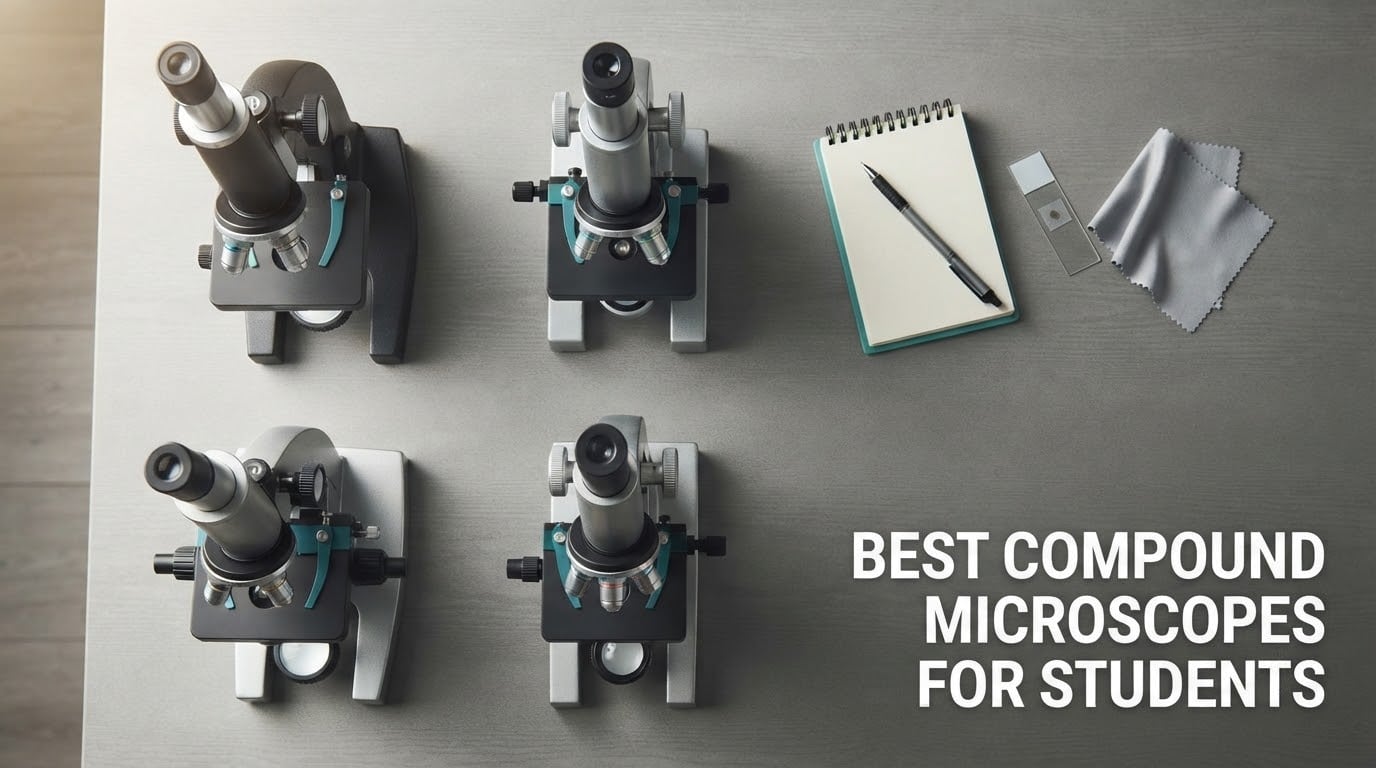
The best compound microscope for students is the OMAX M82ES: it is one of the few models in this roundup that ships with a real 100X oil-immersion objective, a double-layer mechanical stage and a five-year warranty, which is exactly the hardware you need if you plan to take biology past the onion-cell stage. If your budget is tighter, the TOMLOV CM101 gives you achromatic objectives, dual LED lighting and a colour filter wheel for a fraction of the cost, and it is the model I would hand to a student starting their first lab course.
That is the short answer. The long answer takes ten models, because the difference between a scope that shows you a blurred grey smudge and one that resolves cell walls changes completely depending on what you put under the lens.
I compared optics, objective sets, stage design, illumination and included accessories across ten of the most-reviewed student compound microscopes available now, then cross-checked every claim against customer review patterns and the manufacturer spec sheets. What follows is what actually separates them, which ones to skip, and how to work out the magnification number on a listing before you buy anything.
One thing to clear up before we start, because it is the single biggest source of confusion in this category: a listing that says 2000X or 2500X is almost never showing you 2000X or 2500X of optical magnification. It is a 100X objective multiplied by a 20X or 25X eyepiece, and the extra power adds glare and blur rather than detail. More on that below.
Table of Contents
Top 3 Best Compound Microscopes for Students in 2026
These three cover the realistic range of student needs, from a first semester of general biology to a full two-year lab sequence.
OMAX M82ES 2000X Binocular
- True 100X oil objective
- Double-layer X-Y mechanical stage
- NA1.25 Abbe condenser
- 5-year warranty

TOMLOV CM101 40X-2000X
- Achromatic 4X/10X/40X objectives
- 6-position colour filter wheel
- Dual top and bottom LED
BEBANG YW-3006 2000X
- WF25X eyepiece plus 2X lens
- Coarse and fine focus on metal frame
- 15 prepared slides and phone adapter
All 10 Compound Microscopes Compared in 2026
Every model below appears with its own ASIN and the features that actually separate it from the others. Ratings and review counts are copied directly from the product listings.
| Product | Specifications | Action |
|---|---|---|
| OMAX M82ES 2000X Binocular |
|
Check Latest Price |
| TOMLOV CM101 |
|
Check Latest Price |
| BEBANG YW-3006 |
|
Check Latest Price |
 AmScope B120C-E1 2500X AmScope B120C-E1 2500X |
|
Check Latest Price |
 Emarth 1405 52-Piece Kit Emarth 1405 52-Piece Kit |
|
Check Latest Price |
 AmScope M150C-PS25 1000X AmScope M150C-PS25 1000X |
|
Check Latest Price |
 SWIFT SW380B 2500X SWIFT SW380B 2500X |
|
Check Latest Price |
 PalliPartners SWXWJ-1 PalliPartners SWXWJ-1 |
|
Check Latest Price |
 Herwicm Binocular 2500X Herwicm Binocular 2500X |
|
Check Latest Price |
 JECONE ET1 2500X JECONE ET1 2500X |
|
Check Latest Price |
1. OMAX M82ES 2000X Binocular – Best Overall for Students
Awarded Best Compound Microscope 2016 – OMAX 40X-2000X Lab LED Binocular Microscope with Double Layer Mechanical Stage w Blank Slides Covers and Lens Cleaning Paper
40X-2000X with DIN 4X/10X/40X/100X oil objectives
Double-layer X-Y mechanical stage
NA1.25 Abbe condenser
5-year warranty
Pros
- True 100X oil-immersion objective included
- Double-layer X-Y mechanical stage with stage lock
- NA1.25 Abbe condenser with iris diaphragm
- Binocular head with diopter adjustment on both eyetubes
- 5-year warranty with 100 slides and 100 coverslips
Cons
- 9.6 lb weight makes it less portable than a student monocular scope
- Diopter and interpupillary adjustments need occasional readjustment between users
This is the one I would put on a lab bench if the bench is mine to choose. It weighs 9.6 pounds, which sounds like a complaint until you spend an hour trying to find a moving cell in pond water on a scope that drifts, and then a heavy frame stops feeling heavy and starts feeling like insurance.
The optics are the reason this leads. You get achromatic DIN objectives at 4X, 10X, 40X spring-loaded and 100X spring-loaded oil, on a revolving quadruple nosepiece. DIN mounting is not a marketing word here: it is a standard thread size, which means you can replace or upgrade a single objective later instead of buying a new head.
Underneath sits a double-layer X-Y mechanical stage measuring 115mm by 125mm with a 70mm by 30mm travel range and an upward lock. The lock is the detail that separates this from cheap scopes. You raise the stage to focus, then lock the position so your hands are free to change objectives, swap a slide or take a note without losing your specimen.
The condenser is a proper NA1.25 Abbe type with an iris diaphragm, fed by a transmitted LED with adjustable intensity. That combination is what gives you contrast control: closing the diaphragm down slightly darkens the background and makes a transparent cell look like a cell instead of a smudge.
What this microscope shows you that the cheap ones cannot
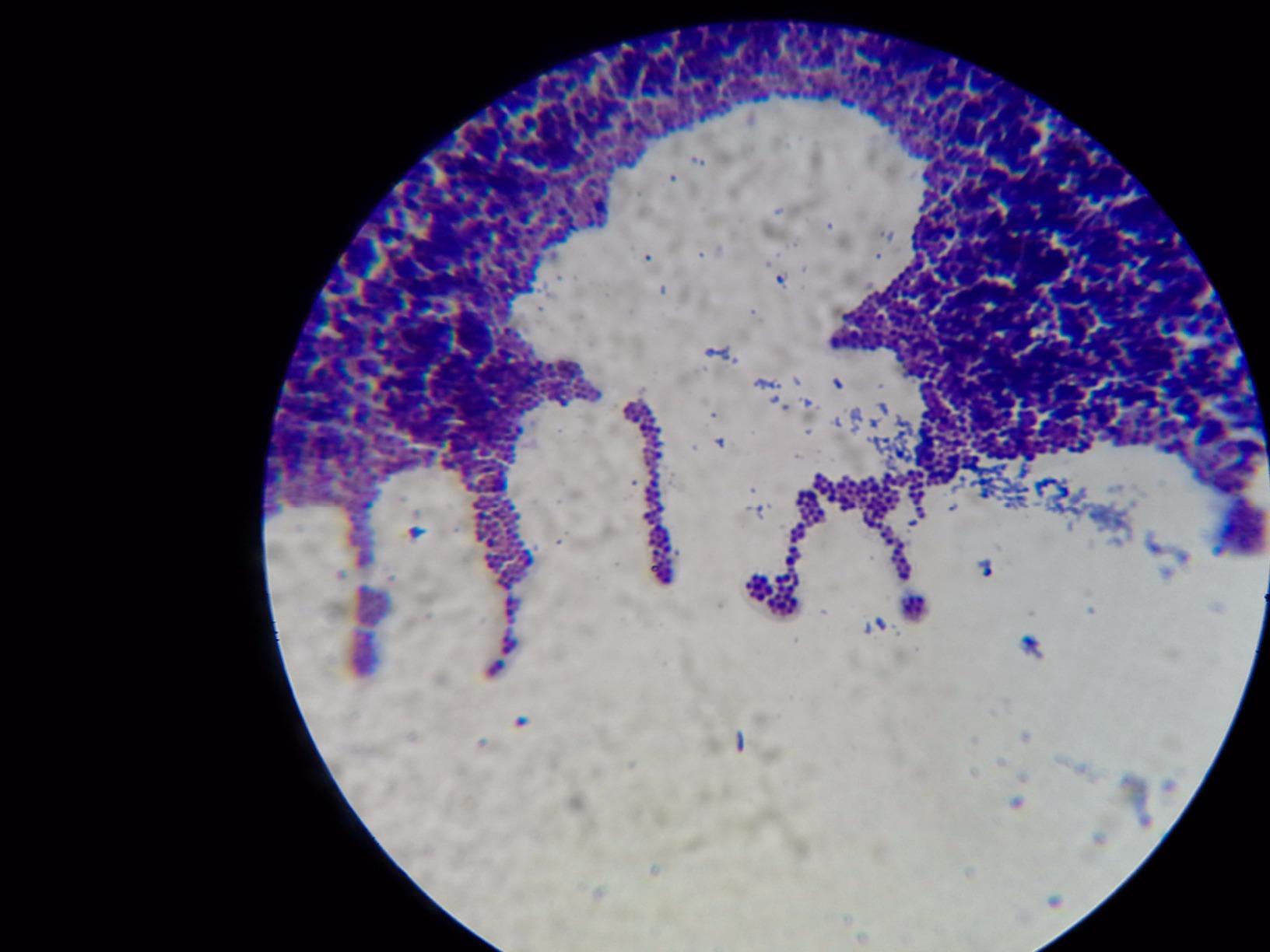
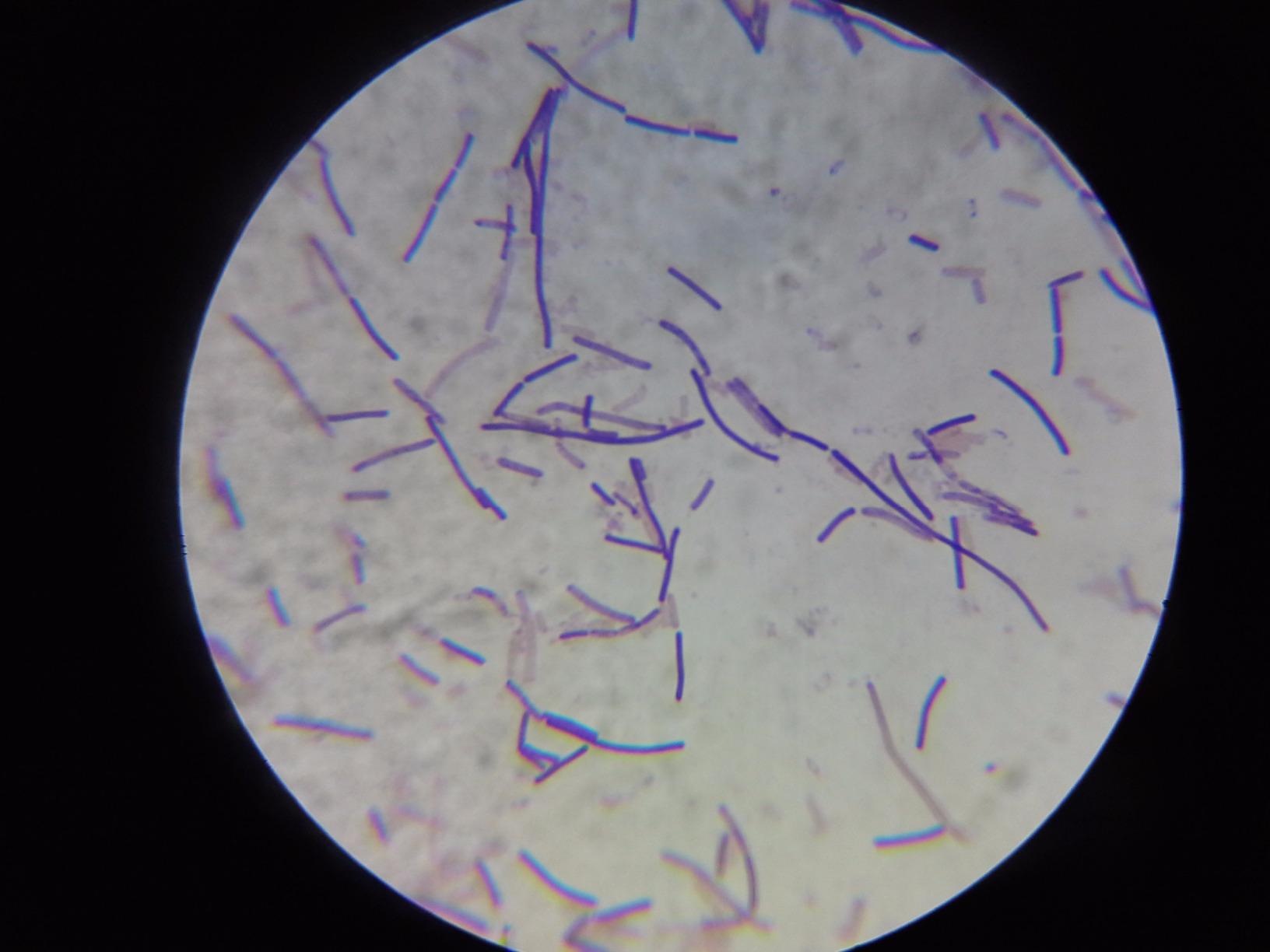
Oil immersion at 1000X, which on cheaper units is a number rather than an experience. You put a drop of immersion oil on the coverslip, rotate the 100X objective into it, and bacteria in a smear become individually countable instead of a grey field. The catch is real: you also need a gram-stain kit, and on r/microbiology that pairing is the standard advice for anyone who actually wants to see bacteria rather than guess at them.
You also get a genuine binocular head with a 45-degree incline, 360-degree swivel, sliding interpupillary distance from 55 to 75mm and independent diopter adjustment on both eyetubes. Two eyes cut fatigue roughly in half, and over a full double lab period that is the difference between a usable instrument and a sore one.
Who should skip this microscope
Anyone who has to carry it between rooms. At 9.6 pounds it is a bench instrument, not a field tool, and the included 100 blank slides and 100 coverslips mean you will be burning through consumables for years before the box is empty.
If your entire plan is looking at pond water and onion cells once a week for a semester, this is more microscope than you will use, and the money is better spent on slides and stains. The justification for this model is the second year of biology, not the first week.
2. TOMLOV CM101 – Best Value Monocular for a First Semester
TOMLOV Compound Microscope with Coarse & Fine Focus for Students, 40X-2000X
Achromatic 4X/10X/40X objectives
WF10X and WF25X eyepieces
6-position colour filter wheel
Dual top and bottom LED
5 prepared and 5 blank slides
Pros
- Achromatic objectives reduce colour fringing
- 6-position colour filter wheel helps low-contrast specimens
- Dual LED covers transmitted and reflected light
- Coaxial coarse and fine focus on a metal frame
- Prepared and blank slides included so you can start immediately
Cons
- Monocular viewing only with no binocular or camera port as standard
- Maximum usable magnification is well below the advertised 2000X without a 100X oil objective
Most of the review volume in this roundup sits with models like this one, and the pattern in the reviews is consistent enough to trust. Owners rate the build quality, the illumination and the ease of use very highly, and they almost all make the same correction about the headline number.
The hardware is a 360-degree rotatable monocular head, achromatic 4X, 10X and 40X objectives on a rotating nosepiece, and coaxial coarse and fine focus. That focus arrangement matters more than it sounds: both knobs drive the same axis, so you can use the coarse knob to find your image and the fine knob to hold it without relearning anything.
The 6-position disc diaphragm with colour filters is a genuinely useful inclusion at this level. Stained or low-contrast specimens that look flat in white light often snap into visibility under a yellow or green filter, and the filters cost nothing once you own the wheel.
Dual top and bottom LED covers the two lighting situations you will actually meet. Bottom light for prepared slides and pond water drops. Top light for opaque specimens like a leaf, a hair, an insect wing or a coin, which would otherwise be a black silhouette.
What this microscope is genuinely good for
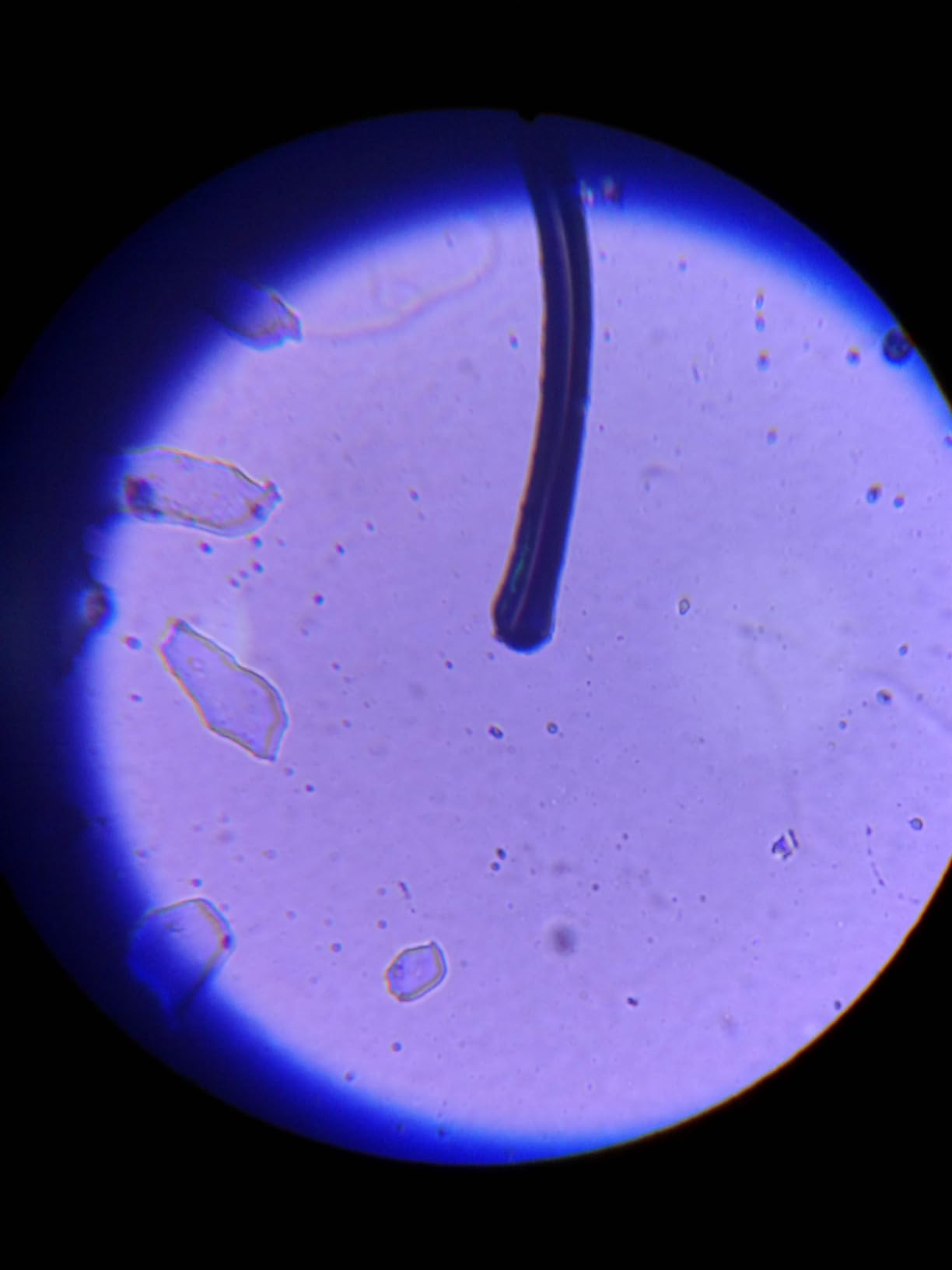
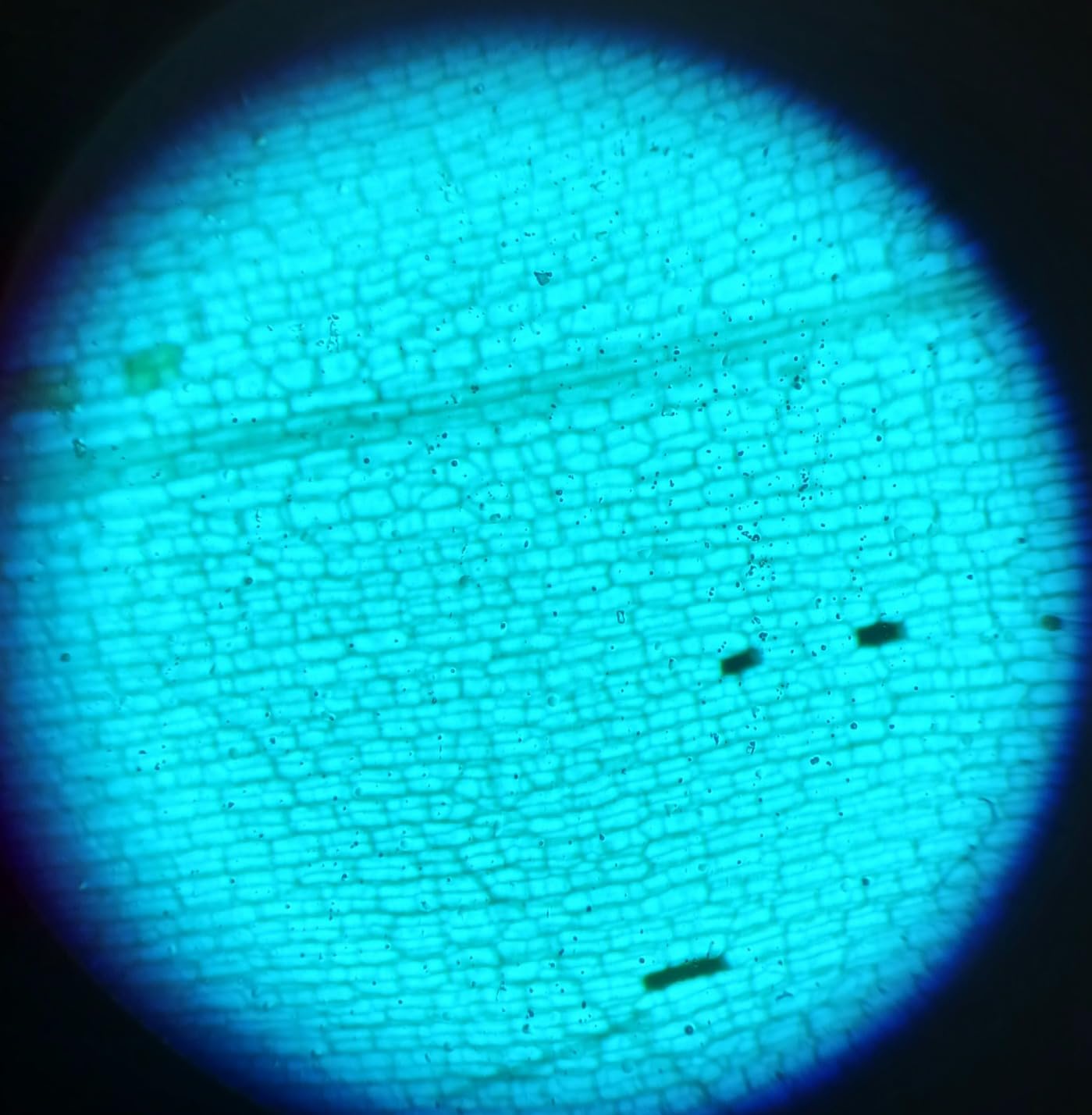
Onion cheek epithelium, which is the first slide every student makes, and the detail is there: cell walls, the darker nucleus, the fact that the cells are not rectangular. Then prepared slides of plant tissue, a cheek swab, and a pond water drop. Across a 10X eyepiece and a 40X objective you are working at up to 400X, which is where this scope is at its sharpest.
Reviewers also mention responsive customer support for replacement parts, which is worth more than it sounds when a student scope lives in a bedroom and gets knocked.
Where the limits show up
Single-eye viewing is the main cost. A monocular head is entirely workable for a first semester, and forum experience suggests plenty of students use one for years without trouble, but a full double period with one eye covered is genuinely tiring.
There is no 100X oil objective, so 1000X is out of reach and the top of the range is achieved with the WF25X eyepiece. If your course involves microbiology or blood smears, this is not the model, and the OMAX or the AmScope B120C is the sensible jump.
3. BEBANG YW-3006 2000X – Best Starter Kit with the Biggest Accessory Bundle
2000X Compound Microscope for Kids Adults: Microscope for Biology Education
Achromatic 4X/10X/40X objectives
WF25X eyepiece plus 2X auxiliary lens
Top and bottom LED
0.65 NA condenser
2.4 lb metal frame
Pros
- Six magnification settings from 100X to 2000X
- Coarse and fine focus on a solid metal frame
- Top and bottom LED with condenser and disc diaphragm
- Phone adapter plus 15 prepared slides and a carrying bag
Cons
- Monocular head only so viewing is single-eye
- 2000X relies on a 2X auxiliary lens rather than true optical 2000X resolution
This is the kit you buy when the point is to hand someone a complete box and have them view a cell that day. Fifteen prepared slides, a phone adapter, a wire shutter, ten operating accessories and a carrying case, with a solid metal frame underneath it all.
At 2.4 pounds it is one of the lighter units here, which makes it the practical choice for a student moving between a kitchen table and a classroom. The dual top and bottom LEDs cover both transparent and opaque specimens, and the single-lens condenser at 0.65 NA does a respectable job for the magnification range it actually serves.
The review pattern here is worth reading carefully. Buyers consistently report that it works well for students and beginners, and a recurring note says the highest claimed magnification exceeds what the optics truly resolve. That is honest, and it is also a reason not to let the 2000X figure drive this purchase.
What you are buying is a complete first laboratory, not a performance instrument. The prepared slides get you through the first month of assignments without ordering anything else.
Where this kit earns its place
Gift and starter scenarios. A parent buying for a child aged ten or eleven gets a metal frame, real achromatic objectives and a slide supply in one box, which is a far better foundation than the plastic toy scopes that dominate the same aisle.
It also works as a second instrument. A monocular at 2.4 pounds is easy to move to wherever the interesting sample is, while a heavier binocular scope stays on the desk.
What to know before you order
Treat everything above 1000X on this scope as enlargement rather than new information. If your assignment depends on resolving internal cell detail at high power, look at a model with a real 100X oil objective instead.
The 0.65 NA single-lens condenser is a fixed condenser with a disc diaphragm, not a movable Abbe condenser, so contrast control is limited to rotating a disc. That is fine for teaching and frustrating for research.
4. AmScope B120C-E1 2500X – Best for High School and College Labs
AmScope B120C-E1 LED Binocular Compound Microscope, 40X-2500X
40X-2500X binocular with Siedentopf head
LED with fly-eye condenser lens
Abbe condenser with pivot-out blue filter
Bundled 1.0 MP USB camera
5-year warranty
Pros
- Sturdy metal and plastic frame with mechanics that do not shake
- Smooth mechanical stage and adjustable LED dimmer
- Well suited to student and college microbiology
- 5-year manufacturer warranty with responsive parts support
Cons
- Bundled 1.0 MP camera is soft compared to a phone camera at 400X
- At 1000X you get mostly empty magnification without immersion oil
- No holder for the unused eyepiece so it collects dust
This is the AmScope model that shows up constantly in school and hobby contexts, and the reviews treat it as a serious instrument rather than a starter toy. Users praise the solid mechanics and the optics, and several report the company honouring the five-year warranty with free parts.
The Siedentopf binocular head is the design worth understanding. Unlike a fixed head, it rotates to bring the eyepieces to a comfortable height, which is why you will often see this style recommended for classroom work where students of different heights share a bench.
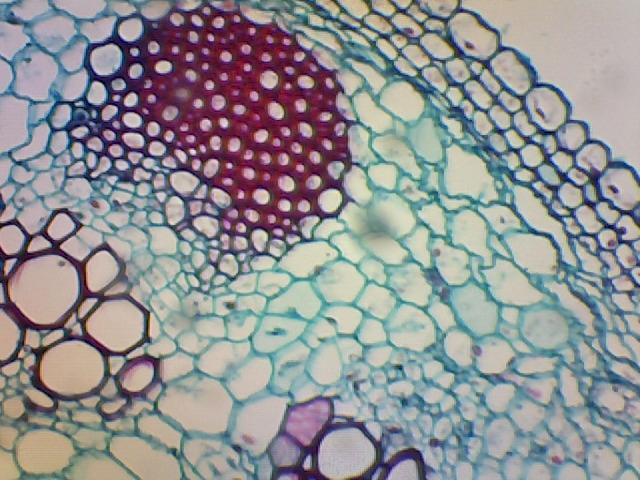
The LED illumination uses a fly-eye lens to produce bright, daylight-balanced light, and the Abbe condenser carries a pivot-out blue filter that is useful for stained blood work. The mechanical stage moves smoothly enough that reviewers describe it as precise.
There is also a bundled 1.0 MP USB camera with Windows microscopy software. This is where I would temper expectations, and the reviews are blunt about it: at 400X a phone camera produces a sharper image than the bundled unit.
What this microscope does better than the cheaper picks
Mechanics. A frame that does not shake when you position a slide means the difference between framing a cell and hunting for it repeatedly. For a student doing repeated field work over a term, that consistency matters more than any headline magnification.
Photographing what you see is also easier here than on a monocular, because you can remove one eyepiece and fit the camera. Several reviewers describe it as good value for students and college microbiology specifically.
Who should not buy it
Anyone expecting the bundled camera to produce publication-quality lab report images. Buy a USB camera add-on with a higher sensor resolution instead, or use a phone adapter at the eyepiece.
Reviewers also flag that 1000X without immersion oil gives mostly empty magnification, and that the shipped documentation may reference a different model number. If your course is microbiology-heavy, budget for a stain kit alongside it.
5. Emarth 1405 52-Piece Kit – Best for Kids Aged 8 to 12
Microscope for Kids Beginners Children Student, 40X- 1000X Compound Microscopes with 52 pcs Educational Kits
40X-1000X true compound microscope
Switchable top and bottom LED with dimmer
Interchangeable 10X and 25X eyepieces
52-piece accessory kit
Pros
- Image stays clear and bright at the top of the 1000X range
- Metal objective lens housings are more durable than typical plastic
- Adjustable intensity with 6 built-in colour filters
- Swappable 10X and 25X eyepieces for a different view
Cons
- Plastic frame makes it noticeably shakier than a metal-bodied scope
- The stage drifts out of position after adjustment so refocusing is sometimes needed
- Instructions reference a dust cover that is not in the box
This one is listed in the kids category, and I would normally discount anything filed there. The specs pushed me the other way: a true compound design, achromatic objectives, switchable illumination, and 52 pieces in the box.
Two details stand out. The metal objective lens housings are far more durable than the plastic barrels on most scopes at this level, and the illumination is switchable between below, above, or both, with adjustable intensity and six colour filters.
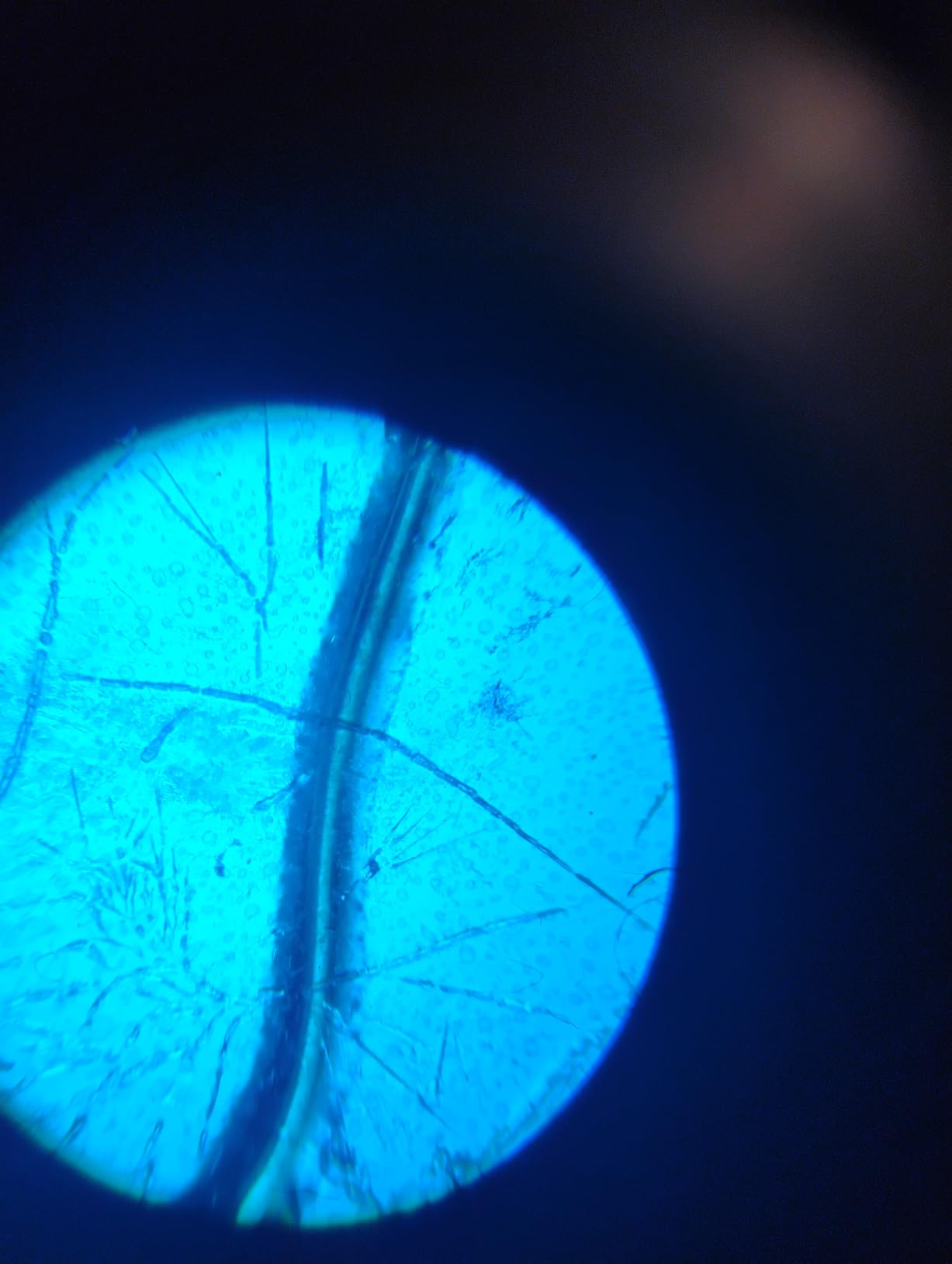
One comparison reviewer who tested it against two competing kid scopes rated it the best of the three for image clarity at high magnification. Parents buying for children aged eight to twelve describe it as easy to use and genuinely exciting, which is a reasonable thing to optimise for at that age.
Note that it is rated to a real 1000X, with 4X, 10X and 40X objectives and interchangeable 10X and 25X eyepieces. No inflated headline figure to explain away, which makes it easier to recommend honestly.
What this microscope handles well
The full beginner sequence. Cheek cells, onion skin, a drop of pond water, a hair, a printed fabric fibre. At 1000X total the image is still clear and bright, and for a child learning that a microscope is a real instrument rather than a novelty, that clarity is the point.
The 52-piece kit means the accessories, including blank slides and simple tools, are in the box, so a parent does not have to guess what else is needed.
What to watch for
The frame is plastic, and reviewers consistently call it shakier and less stable than a metal-bodied scope. Combined with a stage that drifts out of position after adjustment, that means occasional refocusing mid-session.
Some reviewers also suggest buying extra glass slides, because the included plastic ones are limiting for serious work. Batteries are not included, which is a small but predictable frustration on first assembly.
6. AmScope M150C-PS25 1000X – Best Portable Metal Microscope
AmScope M150C-PS25 Series Portable Monocular Compound Microscope – 1000X
40X-1000X with achromatic objectives
LED ring light with fly-eye lens
Metal construction
25 prepared biology slides
5-year warranty
Pros
- Solid metal build that stands up to being handled roughly
- Sturdy enough for classroom use and abuse
- 25 prepared biology slides included for immediate use
- Magnification matches what is stated in practice
Cons
- Camera attachment is shown in the listing but not included in the box
- Monocular head means single-eye viewing with no binocular comfort
- Limited detail at the higher end of the range without extra accessories
This is the model I would trust in a room full of teenagers. Buyers consistently describe it as a solid first real microscope rather than a toy, and they single out the metal build and the 25 prepared slides as the two things that justify it.
It weighs 3.3 pounds, which makes it lighter than most of the binocular scopes here while still being a metal construction throughout. The LED illumination uses a ring light and a fly-eye lens for even brightness across the field.
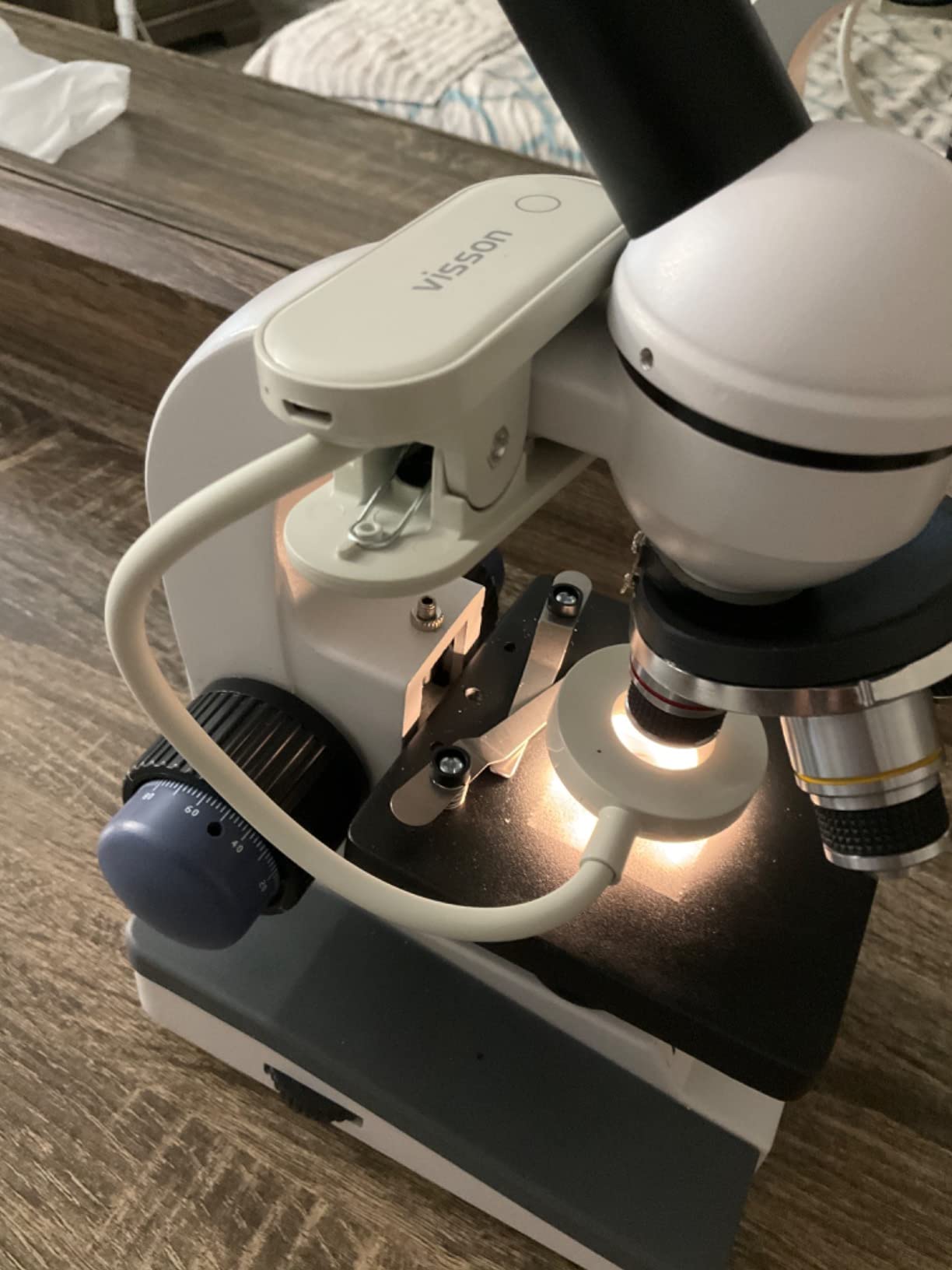
The most common caveat in the reviews is straightforward: the computer camera shown in the listing imagery is not in the box. If you need images for a lab report, budget for a USB microscope camera separately or use a phone adapter at the eyepiece.
The 40X to 1000X range is a real 1000X rather than a multiplied one, which is why reviewers say the magnification matches what is stated. That honesty makes it easier to learn on.
What this microscope is good at
Everything a middle school or early high school course asks for. Prepared biology slides out of the box, an achromatic objective set, and a frame that survives being moved between a cupboard and a kitchen table without developing a wobble.
Reviewers also frame it as good value next to scopes claiming 2500X that cost several times more. On the evidence, that comparison holds.
Where it will frustrate you
Monocular viewing again, and at some point in a two-year biology course that becomes the limiting factor. Nothing else on this list is as aggravating for long sessions when you know the alternative exists.
At the top of the range the detail is limited, and there is no camera port, so photographing specimens means a separate accessory. If your course requires a written lab report with images, budget accordingly or step up to a binocular model.
7. SWIFT SW380B 2500X – Best for Shared Lab Benches
SWIFT SW380B 40X-2500X Magnification, Siedentopf Head, Research-Grade Binocular Compound Lab Microscope with Wide-Field 10X and 25X Eyepieces, Mechanical Stage, Ultra-Precise Focusing
40X-2500X binocular
Metal frame
Mechanical stage and ultra-precise coarse and fine focus
Interpupillary adjustment without focus loss
Pros
- Fully rotatable Siedentopf head is practical for shared lab work
- Interchangeable wide-field 10X and 25X eyepieces
- 30-degree eyepiece tilt reduces neck strain
- Metal frame and precise focus
Cons
- 11 lb weight and large footprint make it difficult to move or store
- The 25X eyepiece narrows the field of view so finding specimens takes practice
Shared-bench comfort is what this scope is designed around, and reviewers who bought it for classroom or lab study point at exactly that. The Siedentopf head rotates fully, so the eyepieces can be brought to a comfortable angle for each user instead of one person stooping.
The 30-degree eyepiece tilt is a smaller detail with a real effect. Over a long session a shallower incline forces your neck forward, and the difference shows up as a headache by the end of a practical.
Interchangeable wide-field 10X and 25X glass eyepieces give you two viewing options on one instrument, and the interpupillary distance adjustment is designed not to lose focus as you change it. That last point is a small engineering detail that most cheaper scopes skip.
At 11 pounds with a large footprint, this is a permanent bench fixture. Plan where it goes before it arrives.
What works well here
Two or more students taking turns, or a teacher demonstrating while students rotate in. A rotatable head and dual eyepieces are exactly the features that stop the queue from getting uncomfortable, and reviewers highlight them as the standouts.
The mechanical stage and precise coarse and fine focusing also suit repeated scanning of a prepared slide or a large smear, where stage control determines how efficiently you can work.
What to consider before buying
Size and weight are the real trade-offs here. An 11-pound body with a large footprint is difficult to move, store above a bench or carry to another room, and that is a genuine problem in a small bedroom laboratory.
The 25X eyepiece narrows the field of view considerably, so finding a specimen takes practice. Start on the 10X eyepiece and swap up once you know where things are.
8. PalliPartners SWXWJ-1 – Best All-in-One Kit for Homeschool
PalliPartners Compound Microscope for Adults & Students, White
4X/10X/40X objectives with WF25X eyepiece
Adjustable top and bottom LED
Coaxial coarse and fine focus
28-slide kit with phone clip and remote shutter
Pros
- Illuminates brightly and evenly with the included powered light
- 28 slides plus phone adapter and Bluetooth shutter in one box
- Ships with a power adapter and is SGS certified for classroom and home use
- Lightweight and compact enough for small rooms and travel
Cons
- Lenses can wobble in the housing if handled roughly
- Focus is basic with no fine-focus feel comparable to a real lab scope
- Some buyers report the power supply and manual are not suited to non-US use
This is the most complete kit per unit of space in the roundup. Twenty-eight slides, a phone clip adapter, a Bluetooth remote shutter and a power adapter, with the microscope itself weighing 1.65 kg, which makes it easy to move between rooms or pack for a trip.
Owners and parents frequently praise the illumination and the slide bundle for children and students. The adjustable top and bottom LEDs with coaxial coarse and fine focus handle both opaque and translucent specimens, which covers almost any homeschool experiment you can think of.

The SGS certification for non-toxic materials and electrical safety, with a stated recommendation for ages eight to eighteen, is a reasonable signal for a family setting where younger siblings will be nearby.
Experienced users are more measured. A minority describe it as a practice scope rather than a real light microscope, and cite lens wobble in the housing and coarse focusing as the reasons.
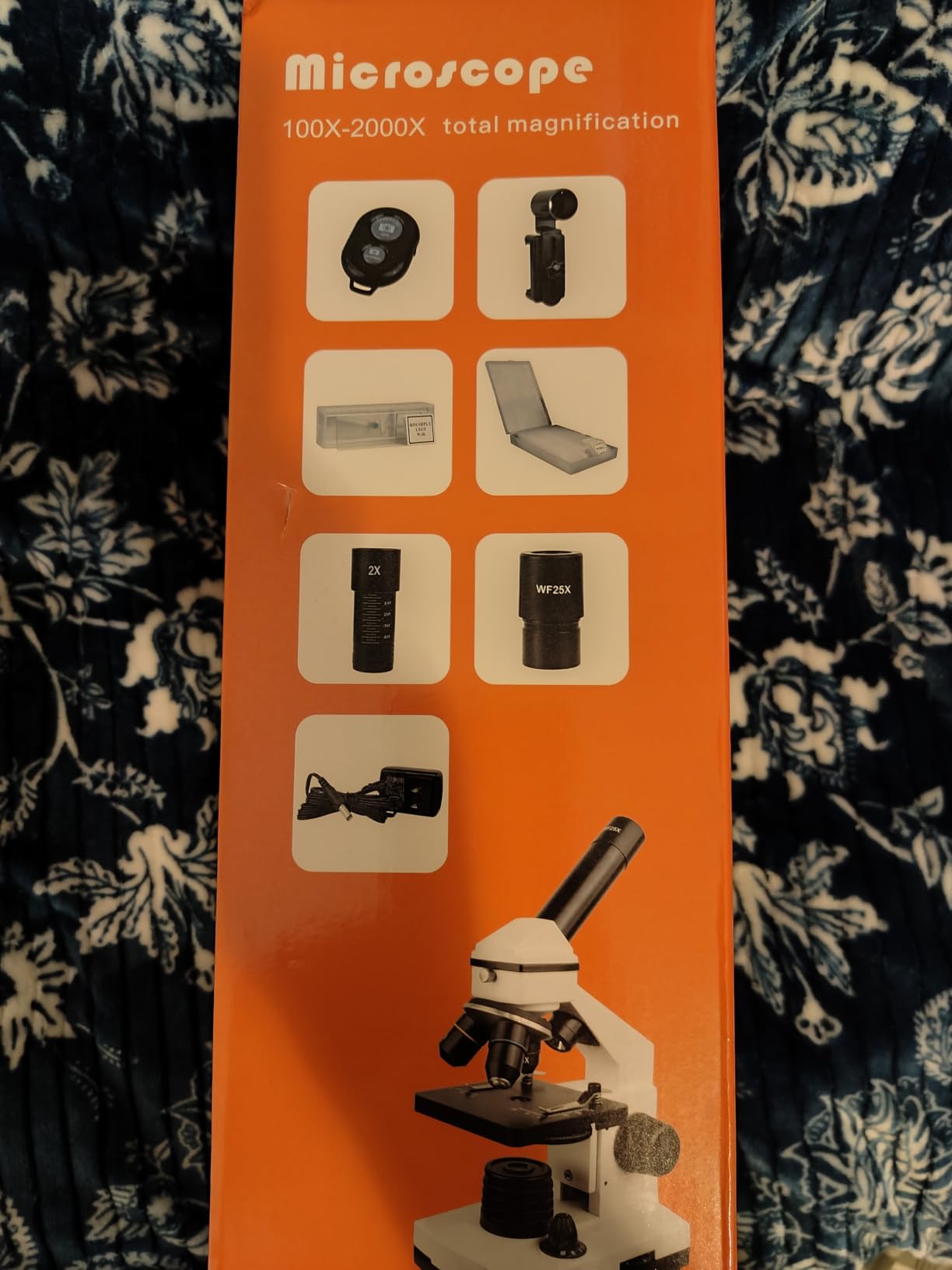
What this kit is well suited to
Homeschool use across a wide age range, where the priority is a complete supply of consumables more than optical finesse. The 28-slide mix of 10 prepared and 18 blank slides means a family can make their own slides from day one instead of waiting for deliveries.
The Bluetooth remote shutter is a small touch that pays off immediately. It lets you capture a photo of a specimen without your hand resting on the focus knobs, which is exactly what you need for a homeschool notebook record.
What to watch for
Lens wobble is the main concern. If the barrel moves inside the housing, alignment is compromised and images suffer, and reviewers report this happens when the scope is handled roughly.
Focus feel is basic compared with a real lab scope, and some buyers note the power supply and manual are not suited to non-US use. If you are outside the United States, check the adaptor before ordering.
9. Herwicm Binocular 2500X – Best Wide Field of View on a Budget
Compound Microscope,40X-2500X ,WF10x and WF25x eyepieces, Dual LED Lighting and Two-Layer Mechanical Stage,Microscope for Adults…
Ultra-wide all-optical binocular eyepieces
Dual LED with integrated fill light
Coaxial focus on both sides
Two-layer mechanical stage with scale
Pros
- Wide-field eyepieces give a large field of view and reduce eye fatigue
- Coaxial coarse and fine focus knobs on both sides make adjustment quick
- Two-layer mechanical stage with a spiral moving scale
- Telescopic lens protection helps prevent the sample and objective colliding
Cons
- Body and stage are plastic while the frame is metal so it is less rigid than an all-metal scope
- The magnification figure in the listing specifications is inconsistent with the 40X-2500X stated in the title
This one answers a question most lists ignore: can you get a binocular head with a mechanical stage without stepping up to the binocular price bracket? The answer here is yes, with some compromises you should know about.
The eyepieces are all-optical ultra-wide-angle designs with a large field of view, and reviewers describe comfortable viewing over extended sessions. Field of view is a genuine comfort factor: a wider view means your eye moves around less, which reduces strain during long sessions.
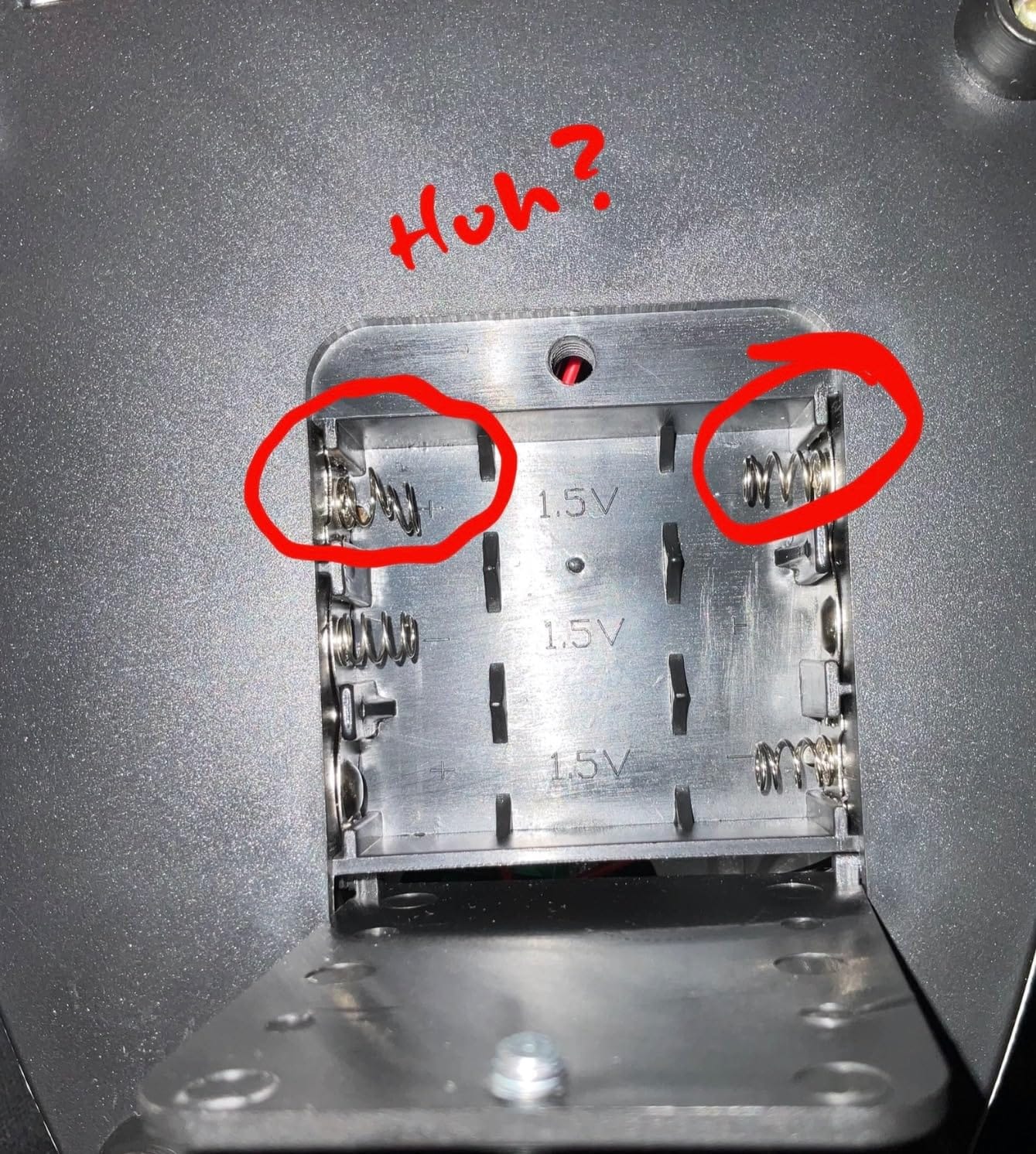
The two-layer mechanical stage carries a spiral moving scale, which makes positioning a slide far more precise than a plain stage with clips. Coarse and fine handwheels sit on both sides of the base, so you can work from whichever hand you prefer.
One feature I had not seen on a budget scope: telescopic or auto-retracting objective lenses that pull down if you drive them into a slide. For a student learning to handle a microscope, that removes an expensive and common beginner mistake.
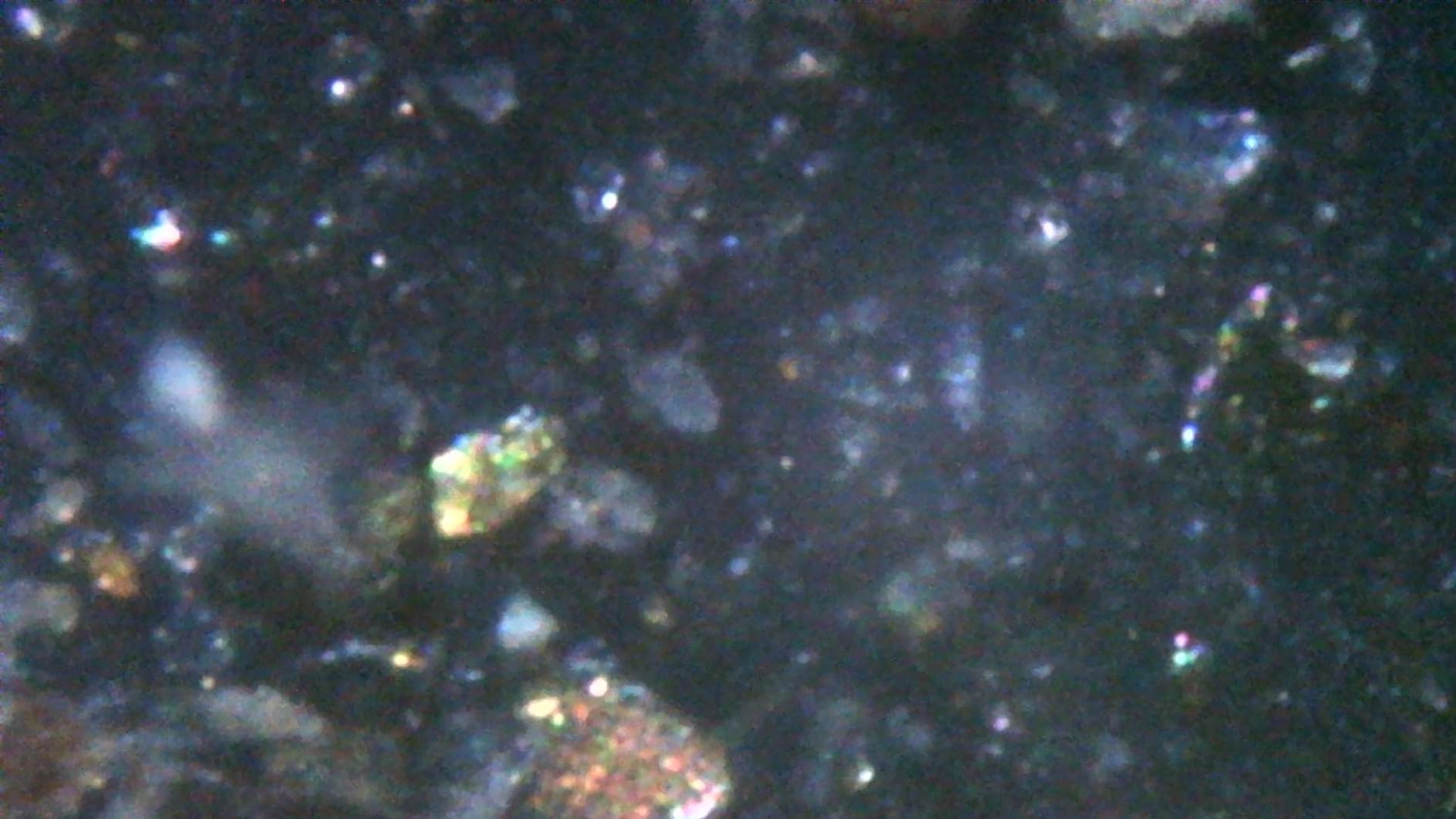
What this microscope is good for
Extended viewing on a budget. The wide field of view and binocular head make this a reasonable choice for a student who will spend long sessions looking through the eyepieces rather than a few minutes a week.
Specimens that need repositioning benefit from the stage scale. When you find something interesting at 100X, the scale lets you return to it after a change in magnification instead of searching again.
What to be careful about
Body and stage are plastic while the frame is metal, and reviewers flag that this makes it less rigid than an all-metal scope. On a desk that gets knocked, that rigidity is what stops the image from shifting.
There is also an internal inconsistency in the listing, where the magnification field reads 40x while the title states 40X-2500X. Treat the 2500X figure with the same suspicion as every other one, and the review base here is smaller than the other models in the roundup.
10. JECONE ET1 2500X – Best for Phone Photos of Specimens
Microscope for Adults & Kids, 40X-2500X High-Power Compound Microscope for Students, School Lab & Home Schooling,Equiped with Slides Set & Phone Holder (White)
WF25X and WF10X eyepieces with 4X/10X/100X objectives
Dual incident and transmitted LED with dimmer
5-colour filter wheel
Phone holder and rotating eyepieces
Pros
- Dual incident and transmitted LED with a dimmer knob
- Coarse knob finds the image and a fine knob holds focus
- 5-colour filter wheel tints samples without staining
- Phone holder plus rotating eyepieces make capture easy
- Metal construction with a generous accessory bundle
Cons
- Monocular head only so it is not suitable for long binocular viewing
- The 2500X top end depends on a 100X objective so real detail at that power is limited
If your coursework requires images in a lab report, this is the model built around that. The included phone holder clamps to the body so your camera sits at the eyepiece, and the 360-degree rotating eyepieces let you set the angle without moving the scope.
It is also one of the smaller and lighter units here at 1.59 kg and just over 8 inches tall, which suits a desk with limited space.
The dual illumination system covers both transmitted and incident light with a dimmer knob for intensity control, and the 5-colour filter wheel sits on a rotating disk under the stage. Reviewers highlight the lighting, the filter wheel and the phone holder as the practical features for school and homeschool work.
Coaxial coarse and fine focusing means the coarse knob finds your image and the fine knob holds it, which is the right arrangement for beginners working through a prepared slide set.
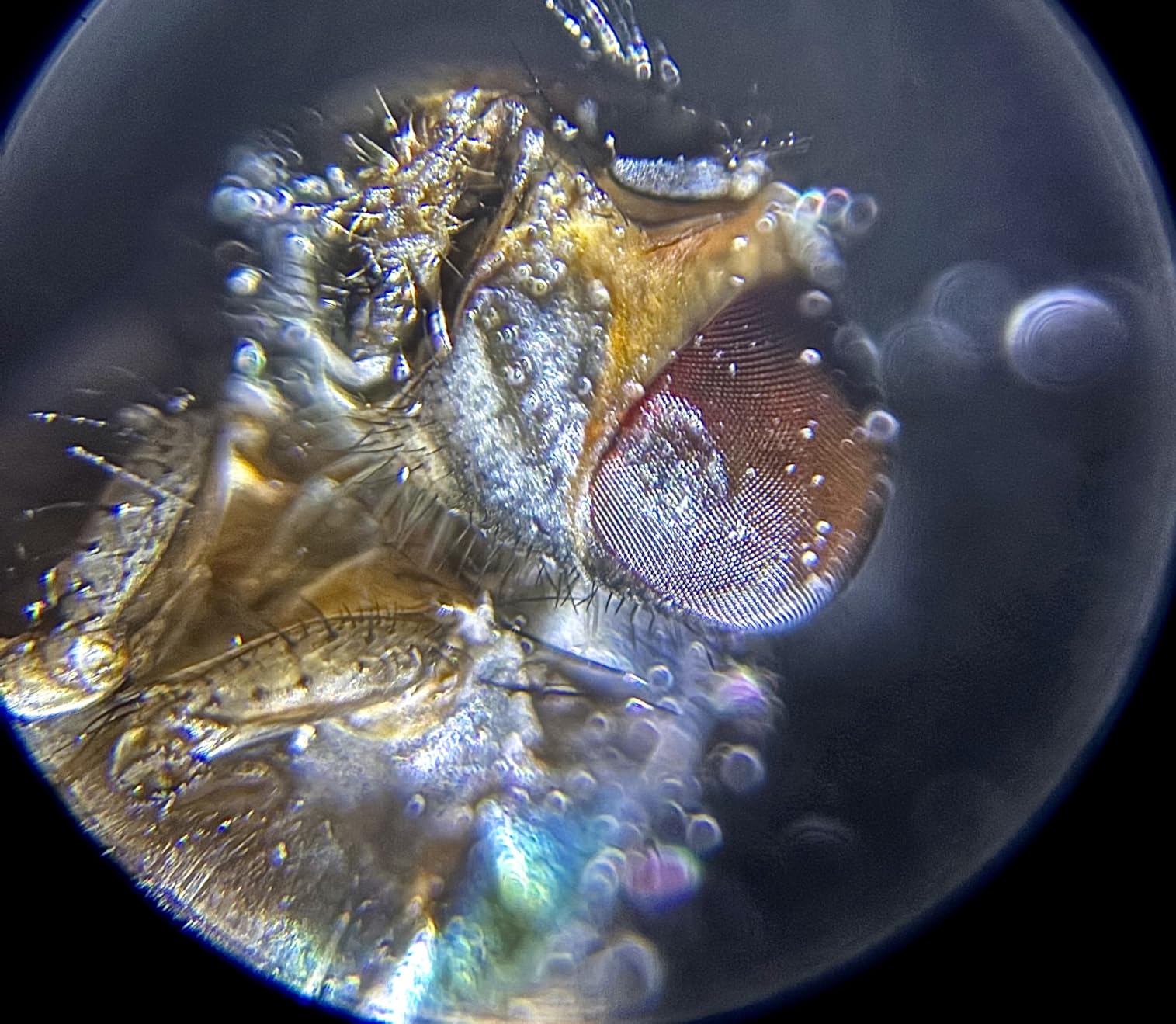
What this microscope handles well
Documenting your work. Phone capture at the eyepiece produces an image good enough for a notebook record or a class handout, and the accessory bundle includes specimen slides, blank slides, coverslips, tweezers and droppers so you can start immediately.
The filter wheel tints transparent samples without staining them, which is a quick way to increase contrast on a fresh pond water drop when you have no stains to hand.
Where it stops
Monocular viewing limits it for long sessions, and the top of the 2500X range depends on a 100X objective, so real detail at that power is limited. Use the 400X step for anything you intend to photograph seriously.
The review volume here is the smallest in the roundup, so there is less long-term evidence about durability than the other models carry. For a single year of coursework that is an acceptable risk; for a scope you expect to keep for a decade, pick one with a longer review history.
How to Choose a Compound Microscope for Students
Work through these six decisions in order and the model will choose itself. The sequence matters, because each step narrows the next.
Which magnification you actually need for class
Start by asking what your course requires, not what the listing advertises. At 40X you scan the slide and locate your specimen. At 100X you see cells clearly, which is where onion epidermis and cheek swabs are comfortable. At 400X high dry you see internal structure in a plant section or a stained smear. At 1000X with oil immersion you count bacteria, and you need both a genuine 100X oil objective and a stain to see anything useful.
For middle school and most of high school biology, 40X to 400X covers the syllabus. Do not pay extra for 1000X you will not use.
Monocular or binocular
A monocular head has one eyepiece. It is cheaper, lighter and perfectly capable, and forum experience shows plenty of students complete a full course on one without regret. The cost is fatigue: you are working with one eye open over a long session, and in a double-length lab class that becomes uncomfortable.
A binocular head uses two eyepieces at the correct distance and roughly halves the strain. If your course includes weekly lab sessions of an hour or more, the jump is worth it. Look for interpupillary adjustment and, ideally, diopter adjustment on at least one eyetube.
Achromatic vs plan achromatic objectives and DIN mounts
An achromatic objective is the standard: it corrects the two most common wavelengths of colour fringing, which is why the images look neutral rather than ringed with blue and red edges. A plan achromatic objective also flattens the field of view, so the whole slide stays sharp at once. That is worth paying for if you photograph specimens or count cells across a wide area; otherwise achromatic is the sensible default.
A DIN mount is a standard thread diameter for objectives, and it costs nothing to have. It means any single objective can be replaced or upgraded later instead of being welded into a proprietary system.
Why the mechanical stage decides long sessions
A mechanical stage moves the slide in X and Y directions with two control knobs, so you can centre a cell and then change magnification without touching the slide itself. Without one, you move the slide by hand, and the moment you let go the specimen drifts out of position.
Look for a stage lock or an upward lock. That locks the stage height so you can swap objectives or write a note without refocusing from scratch. It sounds minor until you spend a two-hour practical using it.
Abbe condenser and iris diaphragm
This is the contrast control, and it is what separates a toy from a lab instrument. An Abbe condenser focuses light precisely through the specimen, and the iris diaphragm lets you vary the cone of light reaching it. Closing the diaphragm a little darkens the background and makes transparent structures pop; opening it fully gives a flat, washed-out image.
An NA1.25 condenser supports the full resolution of a 100X oil objective. A fixed single-lens condenser with a disc diaphragm, as on the cheaper kits, cannot be adjusted this way.
LED illumination versus mirror and tungsten
LED is now the default for a reason: even, cool, low-heat light that needs no bulb changes and adjusts for ambient room brightness. Top and bottom LEDs together let you handle opaque specimens like leaves and hairs as well as transparent slides.
Mirror illumination is still found on secondhand school scopes and needs a light source aimed at it. It is a maintenance item, not a dealbreaker, but it is one more thing to fail.
Budget tiers mapped to grade level
Elementary and early middle school: the Emarth 1405 or the PalliPartners SWXWJ-1. Both bundle slides, both are built for children, and both teach the fundamentals without requiring you to explain a condenser.
Middle school through early high school: the AmScope M150C-PS25 or the TOMLOV CM101. Both have metal construction, achromatic objectives, LED lighting and a real magnification range you can rely on.
High school with a microbiology component: the Herwicm binocular or the OMAX M82ES, both of which give you a mechanical stage. Add a gram-stain kit, which is the advice that comes up most often in microbiology communities for anyone who actually wants to see bacteria.
College and serious independent work: the OMAX M82ES or the AmScope B120C-E1. Real oil immersion, a proper condenser, a mechanical stage and multi-year warranties.
Brands, warranties and the used microscope route
AmScope and OMAX both build solid instruments and both carry five-year manufacturer warranties, which several reviewers cite as a reason to buy. Reviews of both brands also mention free replacement parts being supplied under warranty, and that is the kind of service that matters when a student scope lives in a shared room.
The budget brands here are cheaper largely because the condenser, stage and frame are simpler, and several reviewers make exactly that point, calling some of them practice scopes rather than real light microscopes.
There is also a legitimate second route. r/microscopy consistently steers students toward surplus and used school microscopes from educational goods auctions, where a simple used compound scope costs a fraction of a new one. Experienced owners also advise against overpaying at the entry level, on the grounds that you will realise later you need something more advanced and spend again anyway.
On a used scope, check the glass for cracks, test that the focus knobs move smoothly without a seized feel, and look inside the optical tube for fungus or internal haze. A clean tube and smooth focus mean most of the work is still ahead of the instrument.
Your First Slide: Onion Cheek Epithelium in Five Steps
Every microscope in this roundup can make this slide, and making it yourself teaches more than a prepared slide will. You need a raw onion, a clear plastic cup, clean water, a cotton swab, a slide, a coverslip and a dropper.
Peel a thin piece of skin from the inside of a fresh onion scale and hold it under your tongue for a minute or two. The moisture is what makes the cells separate rather than tear. Scrape the inside of your cheek gently with the cotton swab, then dab the swab onto the onion skin you have peeled.
Place the sample in a drop of water on a clean slide, lower the coverslip at an angle to avoid air bubbles, and place the slide on the stage. Start on the 4X objective with the bottom light on, find your image, then step up through 10X and 40X, adjusting the iris diaphragm as you go.
At 400X you should be able to distinguish the cell walls from the darker nuclei inside them. Onion cells are rectangular, arranged like bricks, which is the fastest way to confirm your focus and your optics are both working.
Cheek epithelium is the second slide, and it needs a stain to be worth viewing. A drop of iodine or methylene blue on the swabbed sample before you cover it makes the nuclei obvious. Without a stain, your cheek cells are nearly invisible except for their outlines, which surprises most beginners.
Frequently Asked Questions
Which microscope is best for students?
For most students, a binocular compound microscope with a mechanical stage and a real 100X oil-immersion objective is the right answer, because it covers everything from onion cells to stained bacterial smears. In this roundup the OMAX M82ES meets that bar with achromatic DIN objectives, a double-layer X-Y stage, an NA1.25 Abbe condenser and a five-year warranty. If your course never goes past basic tissue and plant cells, a metal monocular scope such as the AmScope M150C-PS25 is a cheaper and lighter alternative that still handles 1000X honestly.
What is the best microscope for a beginner?
Beginners need a metal frame, achromatic objectives, LED lighting, coaxial coarse and fine focus, and a supply of slides in the box, because those four things decide whether a first microscope survives a term of use. The TOMLOV CM101 meets all of them and adds a six-position colour filter wheel that makes faint specimens easier to see. Avoid starting with a plastic-bodied toy scope: reviewers repeatedly report stage drift and lens wobble on that construction.
What is a good microscope with 1000x magnification?
A good 1000X microscope has a genuine 100X oil-immersion objective, not a 100X objective multiplied by a 20X or 25X eyepiece. Look for oil listed in the objective description and an Abbe condenser with an NA of 1.25 or higher to support full resolution. The OMAX M82ES and the AmScope B120C-E1 are the two models here that reach real optical detail at high power, though even those need a stain to show anything useful.
Do I need a monocular or binocular microscope?
A monocular head is entirely workable for a first semester and costs less, because you view with one eye and the instrument is lighter and simpler. Choose binocular if your weekly lab sessions run an hour or more, because two eyepieces at the correct distance roughly halve eye strain over a double period. If the scope is shared, a rotatable Siedentopf head such as the one on the SWIFT SW380B lets each user set the eyepiece height independently.
Is a digital microscope better than an optical one for students?
No, not for learning. A digital or USB microscope shows you an image on a screen, but the camera sensor, not your eye, becomes the limiting factor, and bundled cameras of one megapixel or less are soft compared with a phone camera at 400X. Optical light microscopes are also the standard in every school and university lab, so learning on one transfers directly. If you need images, buy a good optical scope and add a USB camera or a phone adapter afterwards.
Final Recommendation
If you are choosing one compound microscope for students and want it to survive a full biology sequence, the OMAX M82ES is the one I would buy. The real 100X oil objective, the double-layer mechanical stage with a lock, the NA1.25 Abbe condenser and the five-year warranty are the four features that separate it from everything cheaper, and 2112 reviews with a 4.4 rating give you a long public record of how it holds up.
On a smaller budget, the TOMLOV CM101 is the better buy, and it is the model I would hand to someone starting their first course. The AmScope M150C-PS25 is the alternative if you want a metal monocular with an honest 1000X range and 25 prepared slides in the box, and the AmScope B120C-E1 is the step up when a shared bench or a microbiology module is on the horizon.
Whatever you choose, judge it on the objective, the stage, the condenser and the frame, not on the magnification number. The number is marketing; the hardware is what determines whether you can actually see the cell.