
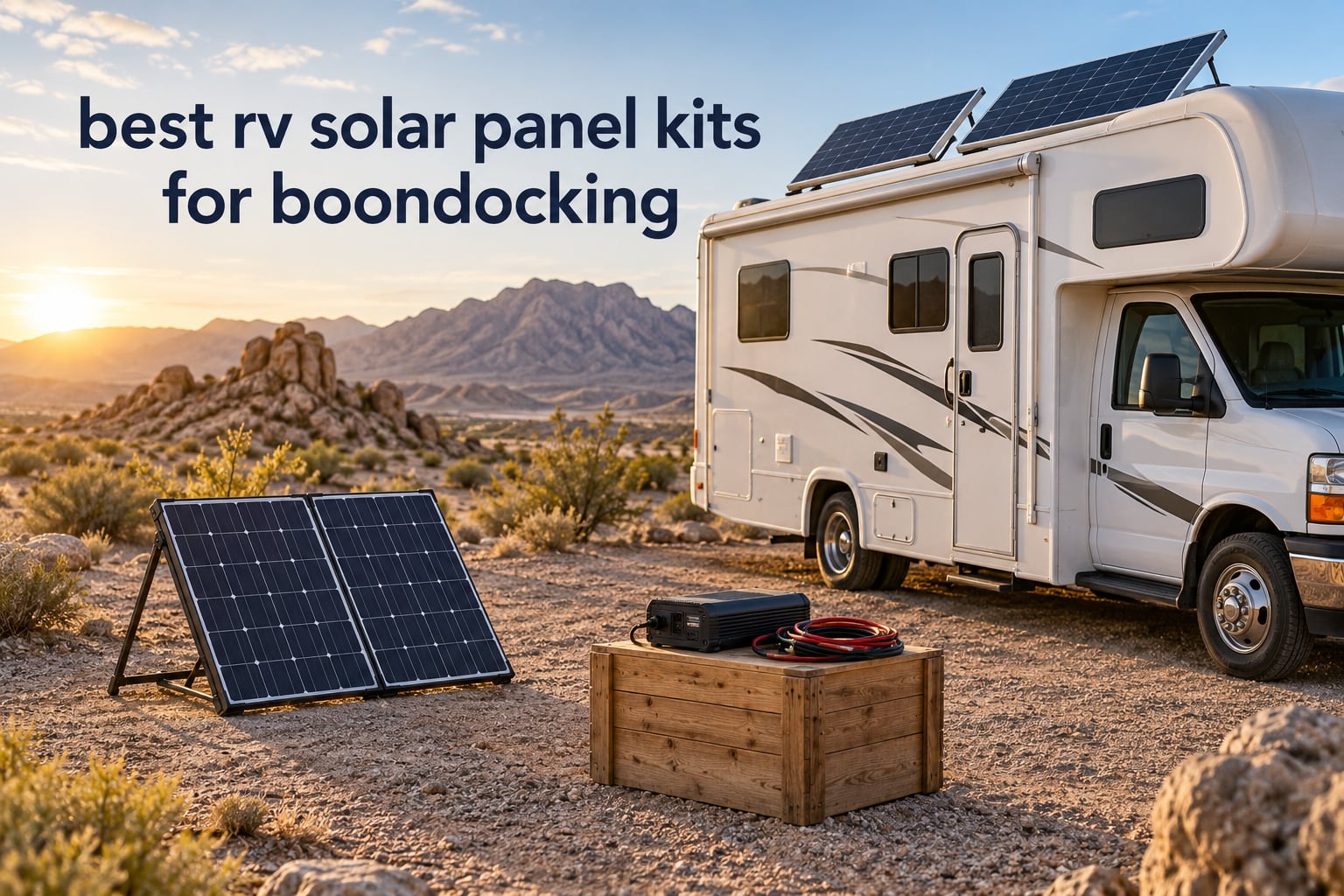
Boondocking on solar is one of those upgrades that looks simple on paper and turns into a sizing puzzle the moment you start reading kit listings. Every seller calls their bundle an RV solar panel kit, but a 200W panel with a 30A controller and a 200W panel with a battery, an inverter and a LiFePO4 charger are not the same product.
An RV solar panel kit is a pre-matched bundle: solar panels, a charge controller, mounting hardware and wiring, and in some cases a battery and inverter. The panels convert sunlight to DC power, the controller regulates it to your battery bank’s charging profile, the bank stores it, and an inverter turns that stored DC into the 120V AC your appliances run on. Solar charges batteries. It does not power your coffee maker directly.
We compared 10 of the best rv solar panel kits for boondocking currently on the market, weighing what each one actually delivers per day, how heavy it is to get onto a roof, whether you can add panels later, and what the box does not contain. Ten kits, same criteria, and the honest notes where the marketing language and the specification sheet disagree.
Table of Contents
Top 3 Best RV Solar Panel Kits for Boondocking (October 2026)

Renogy 100W 12V Starter Kit
- 100W mono panel at 22.5% efficiency
- 30A PWM controller
- Expandable to 400W
- About 500Wh daily output

Renogy 200W Monocrystalline Kit
- 200W from two 100W panels
- About 1000Wh daily in 5 hours of sun
- 4-stage charging
- Expandable to 400W
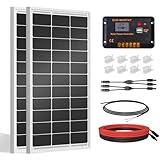
ECO-WORTHY 200W 12V Panel Kit
- 200W from two 100W mono panels
- 30A PWM controller
- Up to 800Wh daily
- Z-brackets and cables included
The Renogy 100W starter kit takes the top slot because it combines the highest average rating in the group with the largest warranty package and a controller that grows to 400W without a replacement. Owners on r/vandwellers describe Renogy panels and controllers as the compact permanent-install default, with no failures across seasons of use.
The Renogy 200W kit is the better match if your main load is a 12V fridge, and the ECO-WORTHY 200W kit is the one to buy when you want two rigid panels, a 30A controller, brackets and cables for less than either Renogy package.
All 10 Kits at a Glance in 2026
Every kit below is a charge-only package unless the features column says otherwise. Only the ECO-WORTHY complete system includes a battery and an inverter; the rest stop at the controller, which means you still need an inverter for 120V appliances and breakers for a code-compliant install.
| Product | Specifications | Action |
|---|---|---|
| Renogy 100W 12V Starter Kit |
|
Check Latest Price |
| Renogy 200W Monocrystalline Kit |
|
Check Latest Price |
| ECO-WORTHY 200W 12V Panel Kit |
|
Check Latest Price |
 Go Power Overlander 200W Kit Go Power Overlander 200W Kit |
|
Check Latest Price |
 Renogy 100W Portable Folding Kit Renogy 100W Portable Folding Kit |
|
Check Latest Price |
 ECO-WORTHY 200W Complete System ECO-WORTHY 200W Complete System |
|
Check Latest Price |
 ECO-WORTHY 260W Flexible Kit ECO-WORTHY 260W Flexible Kit |
|
Check Latest Price |
 XINPUGUANG 200W Flexible Kit XINPUGUANG 200W Flexible Kit |
|
Check Latest Price |
 DOKIO 300W Foldable Kit DOKIO 300W Foldable Kit |
|
Check Latest Price |
 DOKIO 200W Foldable Kit DOKIO 200W Foldable Kit |
|
Check Latest Price |
1. Renogy 100W 12V Starter Kit – the best all-round entry point
Renogy 100W 12V Solar Panel Starter Kit with 30A PWM Controller
100W mono panel at 22.5% efficiency
30A PWM controller
Expandable to 400W
About 500Wh daily output
Pros
- Highest average rating in the group at 4.7 across more than 4000 reviews
- Panel plus 30A controller plus cables and Z-brackets in one box
- UL 61730 CSA and IEC 61730/61215 certified
- Every panel is EL tested before dispatch
- 10-year material warranty and 25-year output coverage
Cons
- A single 100W panel caps total system output
- PWM control gives up efficiency versus MPPT
- Bluetooth monitoring needs a separately purchased BT-1 module
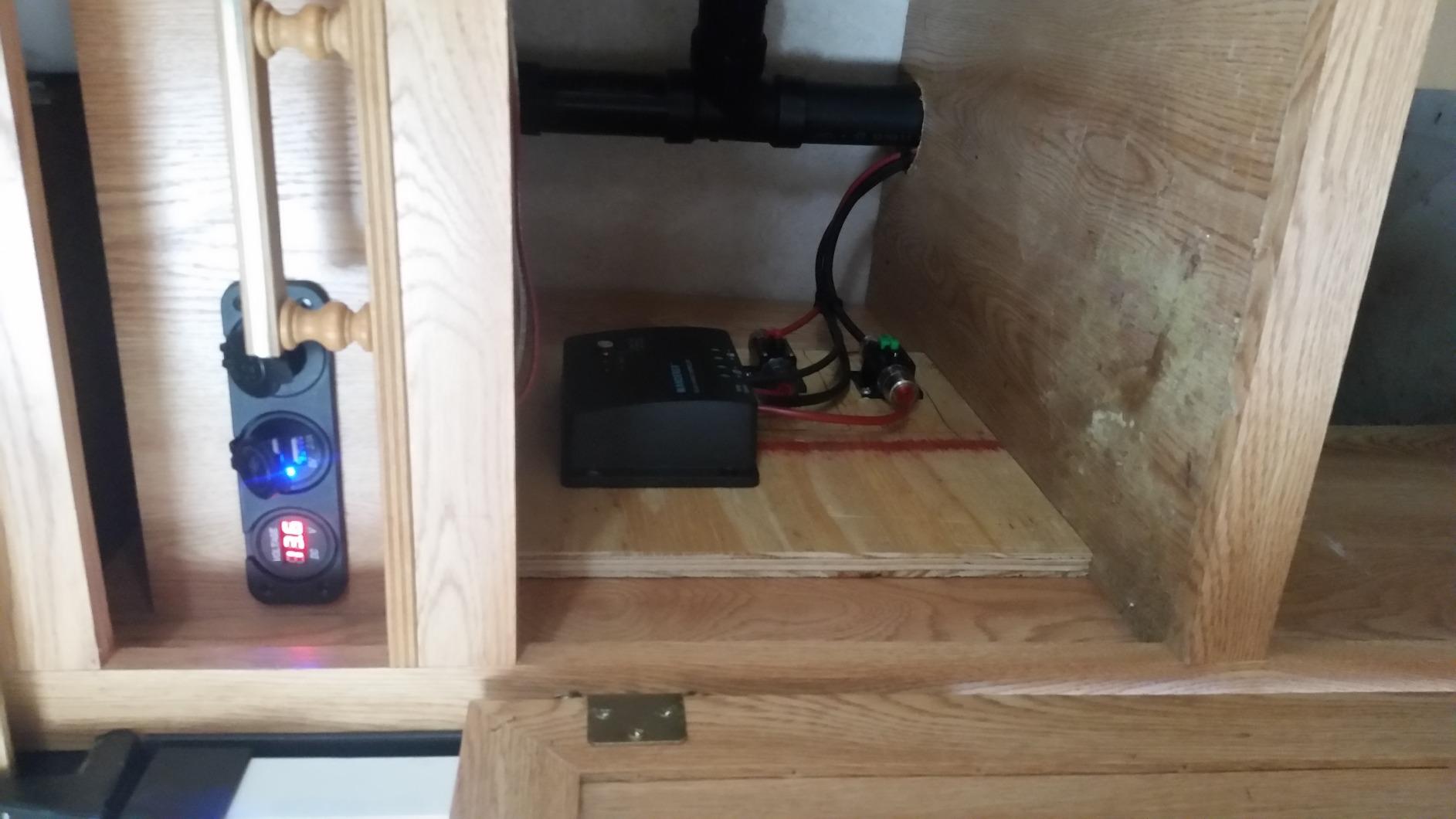
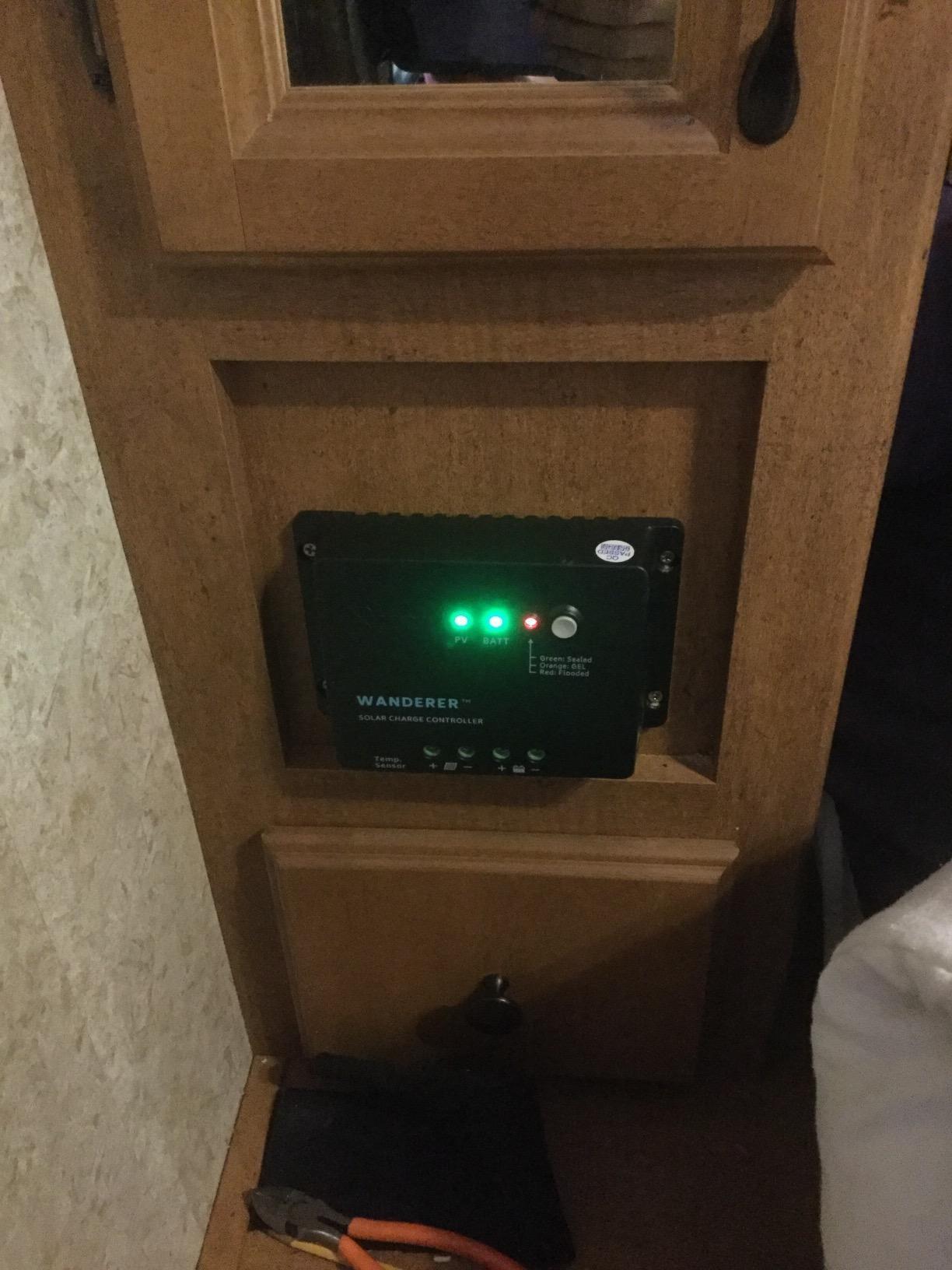
This is the kit we keep coming back to. The box holds one 100W monocrystalline panel at 22.5 percent cell efficiency, a Wanderer 30A PWM controller, cables and Z-brackets, so the only things you source separately are a fuse and a roof-safe attachment method.
The manufacturer rates average daily production at about 500Wh depending on sunlight, and that number lines up with what owners report running a small 12V fridge plus lights and a fan. For a weekend boondocker or a first step toward full-time, it is enough to stop the deep-cycling that drains lead-acid banks.
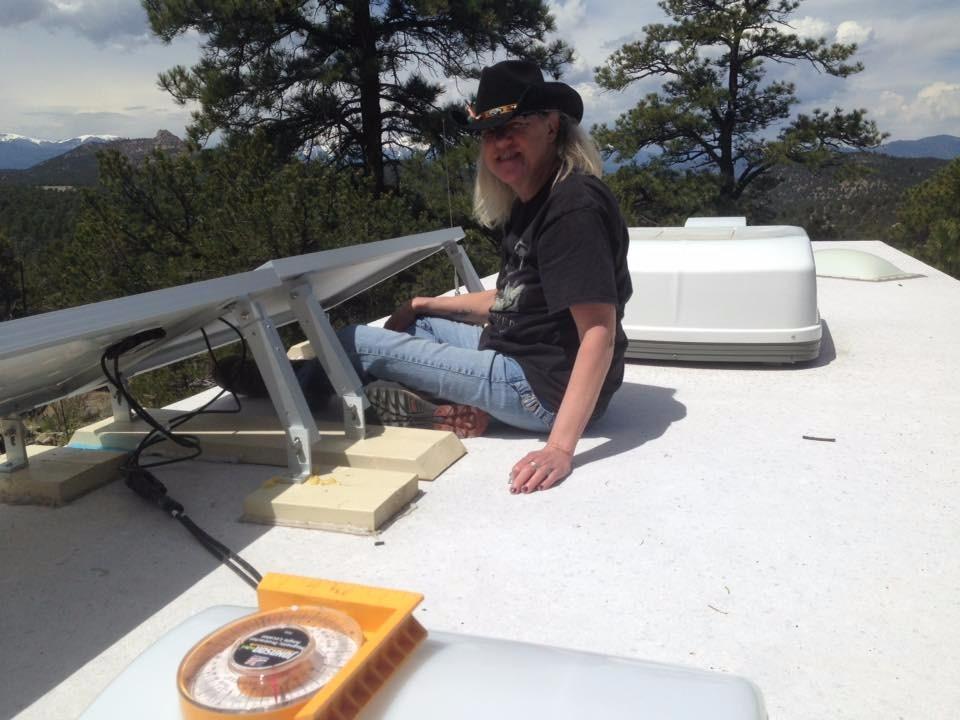
The certifications are the quiet differentiator. Every panel goes through electroluminescence testing before it leaves the factory, and it carries UL 61730, CSA C22.2 No. 61730 and IEC 61730/61215 listings. The controller expands to 400W, and the optional BT-1 Bluetooth module plugs into the RS232 port for phone monitoring.
What you give up is efficiency. A PWM controller clips panel voltage down to battery voltage, so it loses roughly 10 to 25 percent of the harvest compared with MPPT. At 100W of panel that is a few amp-hours a day; at 400W it matters more.
Why it works for first-time boondockers
The 30A controller gives you roughly 25 percent more capacity than a 100W panel can feed, so you can add a second panel later without replacing the controller.
The warranty is the strongest in the roundup: 10-year material and workmanship coverage, a 2-year controller plan and 25-year output coverage.
Where it falls short
One 100W panel produces roughly 8.3 amps at peak. Against a 12V bank that covers a fridge but not much else, so full-time boondockers should read this as step one.
Remote monitoring is an add-on rather than included, so budget for the BT-1 module or run a separate shunt.
2. Renogy 200W Monocrystalline Kit – best value for a 12V fridge
Renogy 200W 12V Monocrystalline Solar Panel Kit + 30A PWM Charge Controller
200W from two 100W mono panels
About 1000Wh daily
30A PWM Wanderer Li controller
Expandable to 400W
Pros
- Roughly double the panel capacity of the 100W kits for a modest step up
- About 1000Wh average daily production in 5 hours of direct sun
- 4-stage charging including equalization
- Pre-drilled holes and Z-brackets included
- 5-year material and workmanship warranty
Cons
- Two rigid panels add roof weight and roof area
- PWM is less efficient than MPPT in cool or shaded conditions
- Listed weight and dimension fields on the page are inconsistent with a two-panel kit
Owners treat this as the value sweet spot for RV solar: twice the panel capacity of a 100W starter kit for a modest step up in cost, and stated daily production of about 1000Wh in five hours of direct sun.
The Wanderer Li 30A controller runs four stages – bulk, boost, float and equalization – and handles sealed, gel, flooded and lithium chemistries, so the kit pairs with whatever bank you already own.
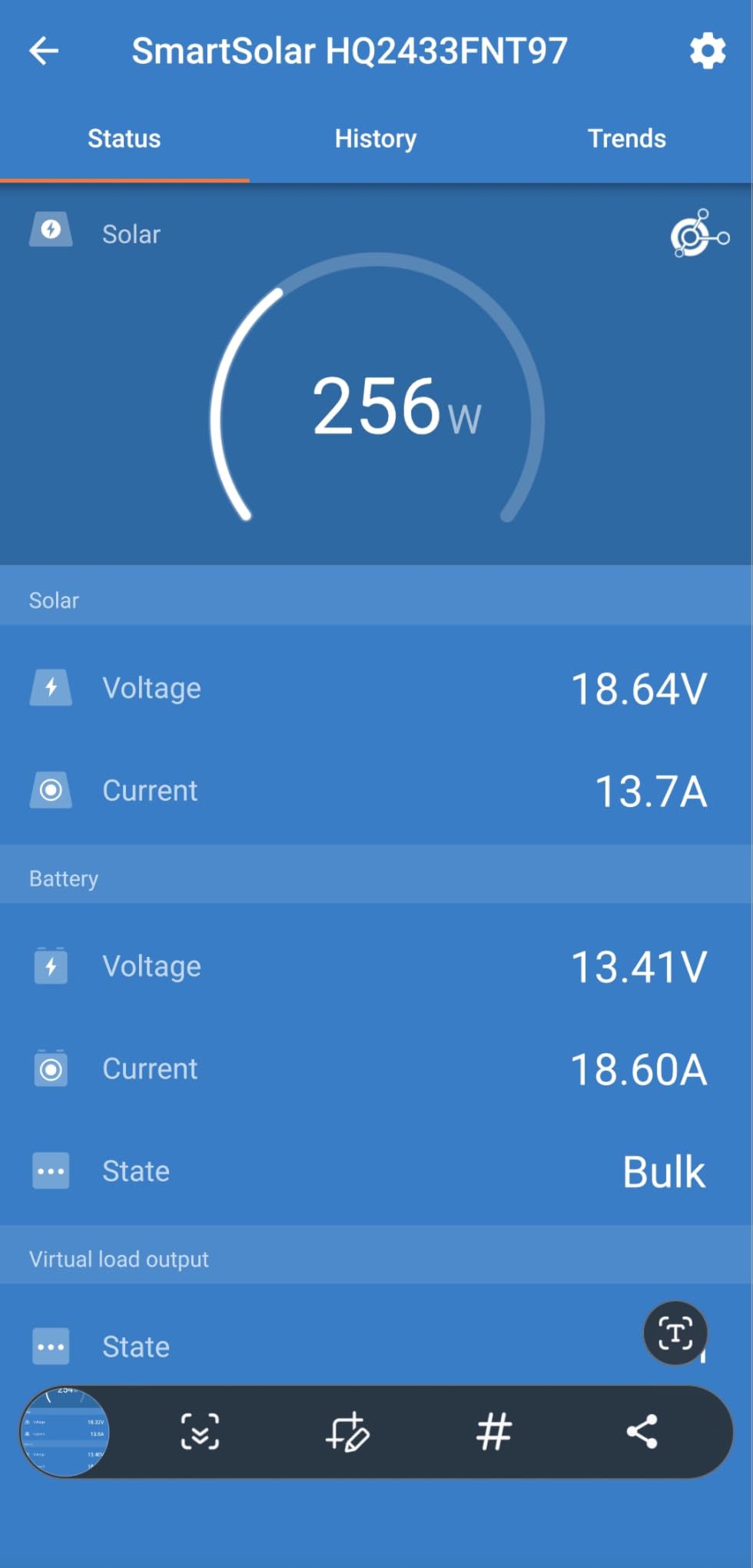
Cell efficiency reaches 22 percent, with bypass diodes for low-light performance and a TPT back sheet for heat dissipation. Protection covers reverse polarity, overcharge, overload and short circuit, and the array expands to 400W with matching panels.
Be realistic about the roof. Two rigid aluminum panels need two clear rectangles of roof, which on many rigs means working around an air conditioner, a vent and a satellite dome.
What a 200W array really runs
A 12V compressor fridge averages roughly 40 to 60Ah a day once you account for compressor cycling, and a 200W array in good sun produces close to that. Add a couple of LED lights, a phone charger and a 12V fan and you are comfortably positive on a normal day.
Panel work, a laptop, a CPAP with humidifier and an electric blanket push the same array into deficit. Those loads are what 400W is for, and the expansion path here means you can get there by adding two more panels later.
What to check before ordering
The product page lists weight and dimensions that do not match a two-panel kit, so do not plan your layout from those fields. Measure the physical panel size yourself and check it against your usable roof area.
PWM control is the other compromise. In warm conditions the loss is modest, but as panels cool toward late afternoon the gap widens, which is exactly when you are trying to claw back the last amp-hours before dark.
3. ECO-WORTHY 200W 12V Panel Kit – Most Versatile for a permanent roof mount
ECO-WORTHY 200 Watts 12 Volt/24 Volt Solar Panel Kit with High Efficiency Monocrystalline Solar Panel and 30A PWM Charge Controller for RV, Camper, Vehicle, Caravan and Other Off Grid Applications
200W from two 100W mono panels
30A PWM controller
Up to 800Wh daily
Z-brackets and cables included
Pros
- Panels plus brackets plus 30A controller plus all cabling in one package
- Up to 800Wh daily output from two 100W panels in good sun
- Aluminum frame rated for 2400Pa wind and 5400Pa snow loads
- Plug-and-play pre-drilled mounting holes
- Series or parallel wiring for 12V or 24V systems
Cons
- Two rigid panels are bulky next to foldable or flexible options
- PWM control is less efficient than MPPT
- At 31.6 lb the roof install is a two-person job
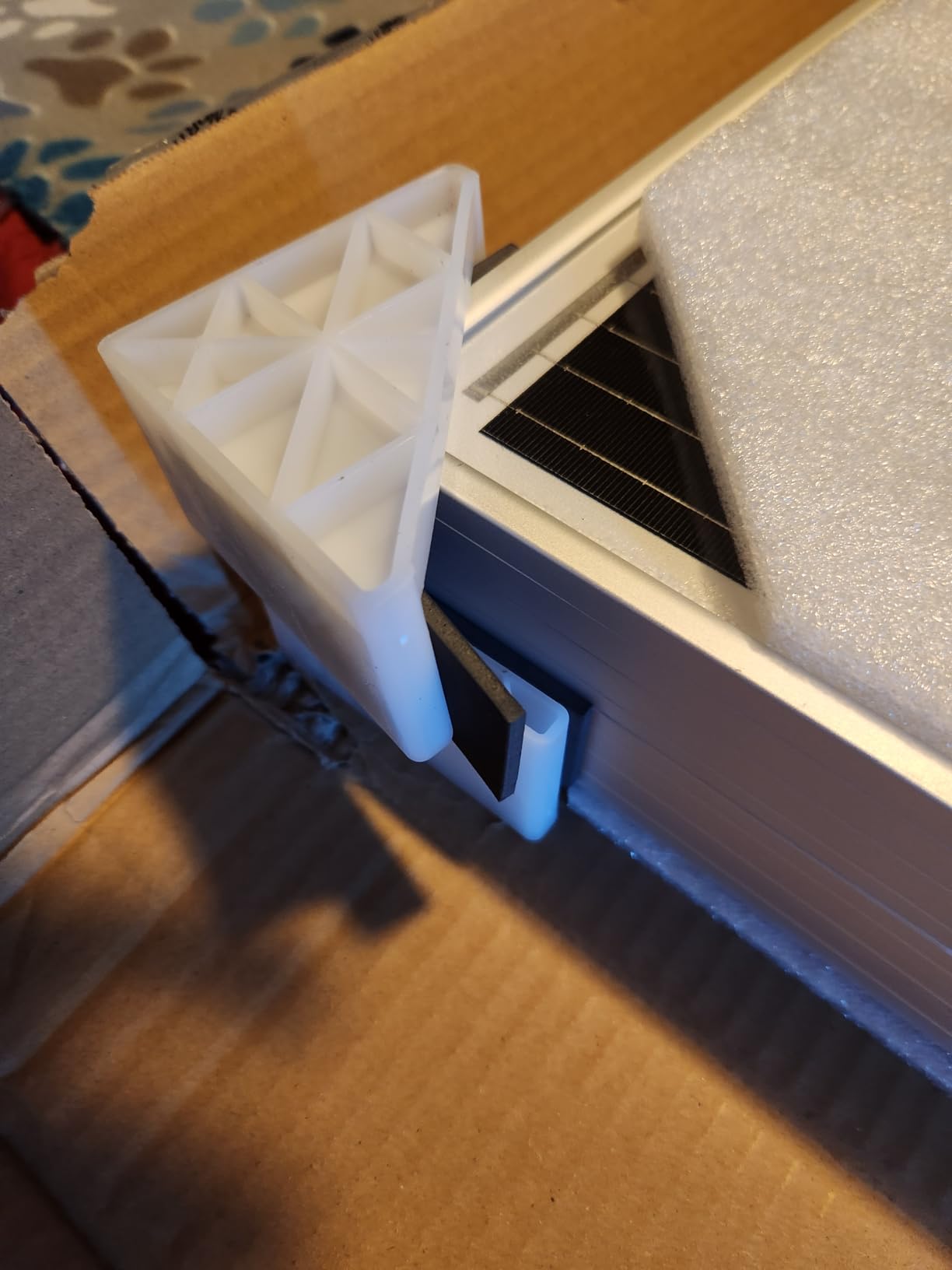
This kit is the one we recommend to anyone who wants two rigid panels, a controller and all the wiring without shopping four listings. Included are two 100W monocrystalline panels, two sets of Z-mounting brackets, a 30A controller, a pair of 16.4 ft 10 AWG solar cables, 2-in-1 connectors and a tray cable.
Each panel is 35.2 by 23.1 inches with a 1.3 inch profile. Stated daily output is up to 800Wh under four hours of full sunshine, with an IP65 junction box and bypass diodes built in through the MC4 connectors.
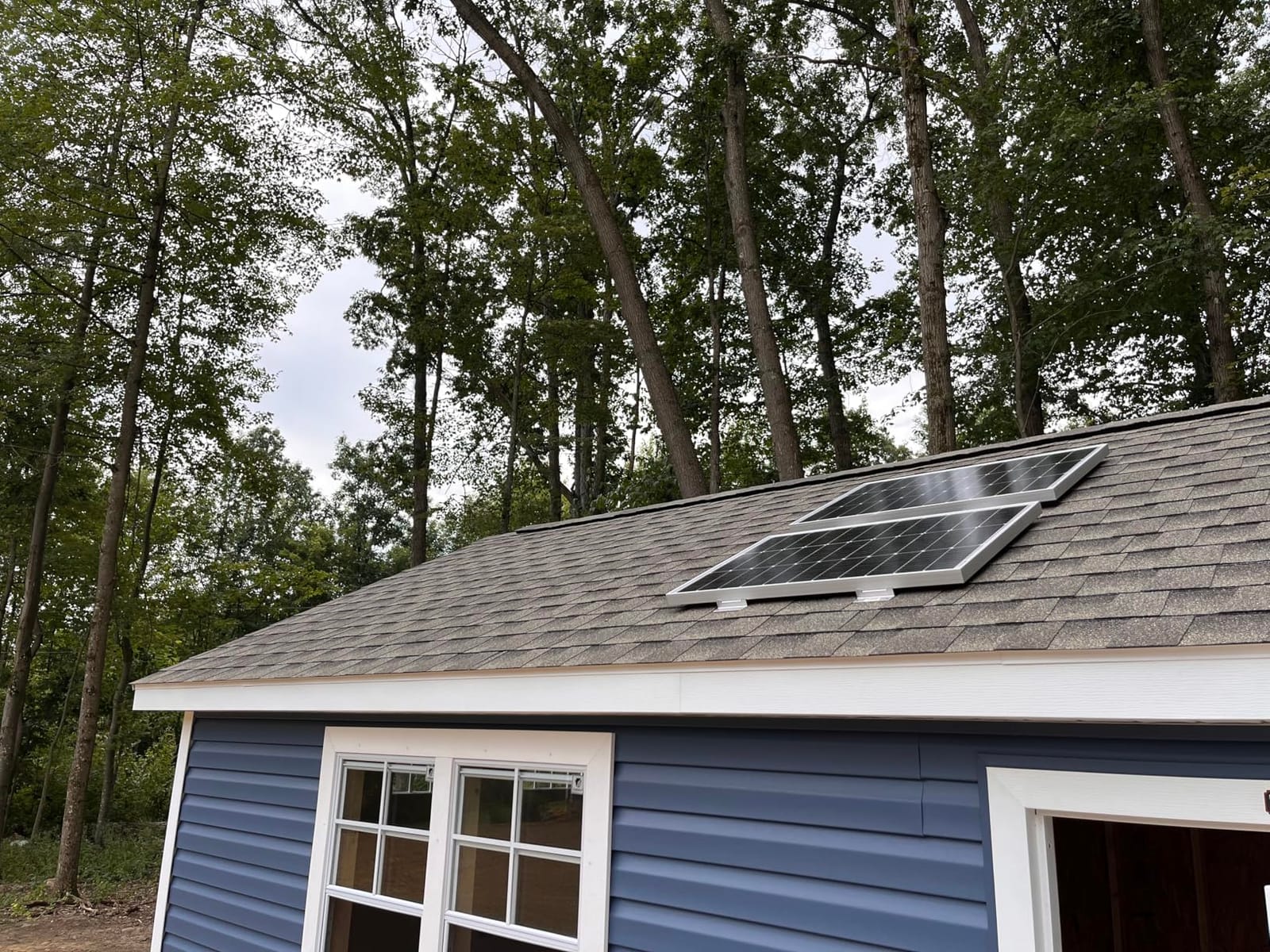
Wiring options matter for upgrades. Wire the panels in parallel for a 12V system or in series for 24V, and the 27.4V maximum panel voltage tells you where you can go before needing a different controller.
At 31.6 lb for the pair, this is a two-person roof install with proper fall protection. Seal every bracket penetration with approved roof sealant rather than relying on the fastener alone.
Why the 200W tier is the sweet spot
Boondoctor.com describes 200W as the conservative floor and 400 to 600W as the typical full-time average. Two 100W panels in parallel push roughly 16 amps into a 12V bank, enough to hold a fridge and small loads steady.
Owners cite the kit’s completeness and straightforward installation as the main strengths, with 79 percent of reviews at five stars.
Where buyers push back
PWM is the repeated criticism, along with the bulk of two rigid panels next to a single foldable. Neither is a dealbreaker at this wattage, but both cap how much you can add later.
The one-year warranty with 24/7 technical support is thinner than the multi-year coverage on the Renogy kits, which matters on a permanent install you keep for a decade.
4. Go Power Overlander 200W Kit – best for long-term RV upgrades
Go Power Overlander 200W 12V Solar Panel Charging Kit
200W mono panel at 9.6 amps
30A Bluetooth PWM controller
Expandable to 600W
25-year output warranty
Pros
- Panel plus controller plus two 25 ft cables so nothing extra is needed to install
- Bluetooth app shows charge state voltage and current
- Reported charging around 8 amps in full sun
- 25-year panel output warranty
- Controller expands to 600W of panel capacity
Cons
- Bluetooth app connection needs frequent re-pairing
- 35 lb panel is awkward to lift onto a high roof
- No inverter included so AC appliances need a separate purchase
The Go Power Overlander is the kit we would put on a rig that is going to grow. The 30A single-bank controller is rated for up to 600W of panel capacity, the highest expansion ceiling here, and the panel carries a 25-year limited output power warranty.
Monitoring is built in. The Bluetooth PWM controller pairs with an app reporting charge state, voltage and current, and owners report real-world charging around 8 amps in full sun against the panel’s 9.6 amp rating.
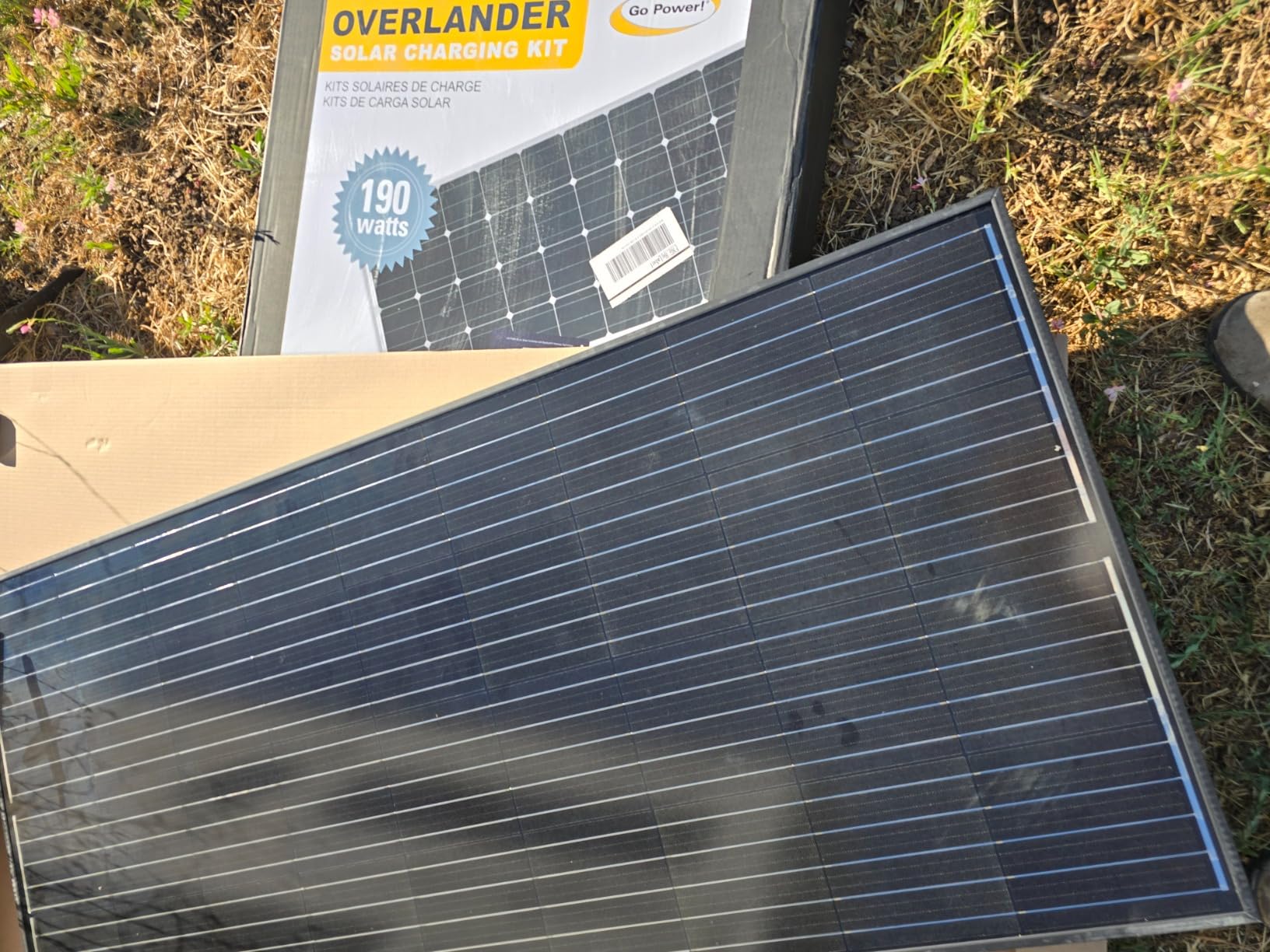
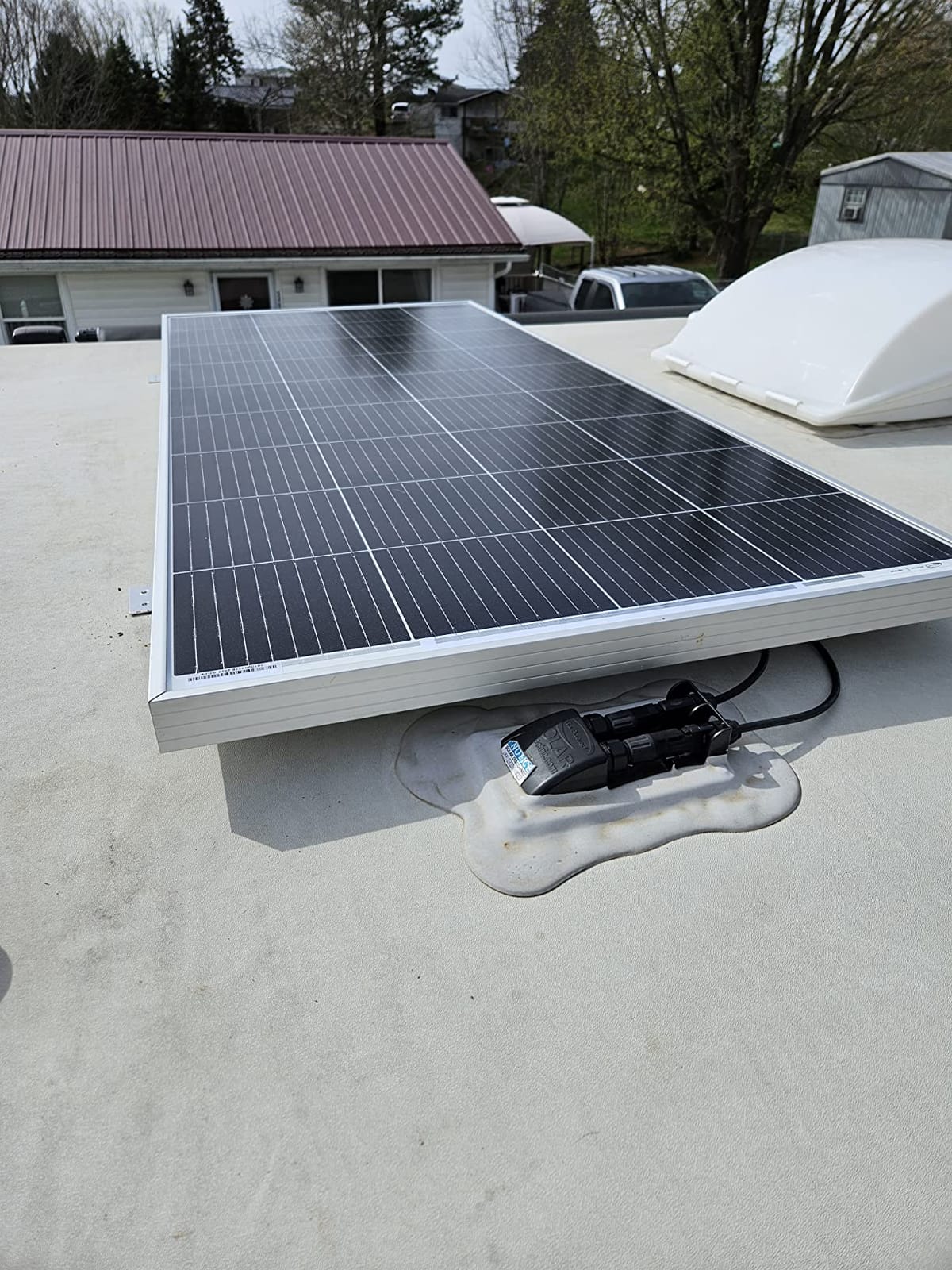
The panel is a rigid aluminum-framed monocrystalline unit rated at 200W with a maximum operating temperature of 149 degrees Celsius. Two 25 ft number 10 solar output cables with MC4 connectors are included, which is generous reach from a roof panel down to a battery bay.
Long-standing owners install this kit in a few hours and report that it keeps house batteries topped up well enough to reduce or eliminate generator use.
Why expansion headroom matters more than raw watts
A controller is cheap compared with panels, and replacing one means new wiring and a second roof visit. Starting with a controller that handles 600W lets you add panels in 200W increments, which is how owners on mygrandrv.com describe building a system over time.
The 25-year output coverage is the longest panel warranty here, which carries real weight on a permanent install.
What to watch out for
The Bluetooth connection is the recurring complaint. Owners report the app needing frequent re-pairing, which defeats the point of checking charge state from a comfortable seat.
At 35 lb this panel is heavy for a high roof, and no inverter is included, so AC appliances still need a separate inverter and a code-compliant 120V branch.
5. Renogy 100W Portable Folding Kit – best portable pick
Renogy 100W Portable Solar Panel, 25% High Efficiency Solar Panel Kit with 20A Charger Controller for 12V Battery&Power Station, N-Type Foldable Solar Panels w/Tempered Glass for RV, Camping Off-Grid
100W N-Type panel at 25 percent efficiency
Folds to 24.8 by 2 by 2.8 inches
Pre-installed 20A PWM controller
Pros
- Folds to 24.8 x 2 x 2.8 inches so it can follow the sun instead of being drilled down
- Real output around 5.8 to 7 amps reported in good sun
- Build quality praised for reinforced corners and riveted hinges
- Controller display readable in bright daylight showing amps voltage and watt-hours
- Works with power stations and gel AGM flooded and lithium banks
Cons
- About 5A output means a 12V bank sees roughly 40-60W not the 100W nameplate
- Included cable is just under 10 ft so an extension is usually needed
- Light-duty latches and support arms are the most criticized hardware
This is the kit we recommend to anyone whose roof is already full. A 100W N-Type monocrystalline panel folds to 24.8 by 2 by 2.8 inches at 17.4 lb, with an adjustable aluminum kickstand and a 20A PWM controller pre-installed in a waterproof housing.
Cell efficiency is rated at 25 percent with good low-light performance, and stated output is up to 500Wh daily with five hours of sunlight. Low-iron tempered glass, an anti-corrosion aluminum frame and an IP65 junction box make it a reasonable outdoor traveler.
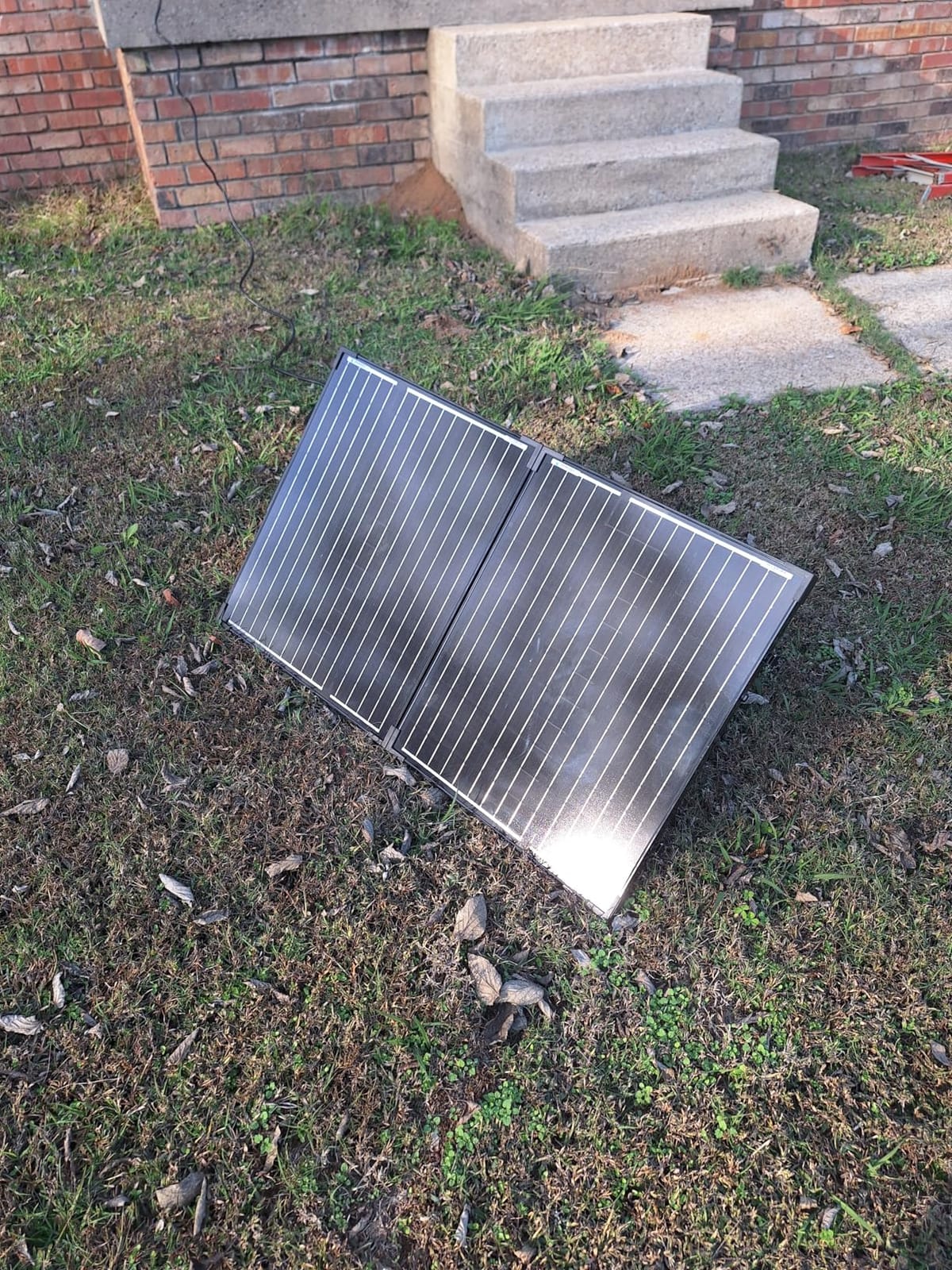
Understand the 5A ceiling before you buy. A single 100W panel puts out about 5 amps regardless of the nameplate, so a 12V battery bank receives roughly 40 to 60W of usable energy. That is the one point owners flag most, and most consider it expected rather than misleading.
Long-term reports are strong. Multiple owners describe three years or more of continuous RV use with no failures, and the display is readable in bright daylight, showing battery type, amps, voltage and watt-hours.
Why portability beats fixed panels on a shaded rig
A portable panel can chase the sun all day, which no fixed panel can. Under partial shading from an air conditioner or a satellite dome, repositioning one panel often harvests more than a permanently mounted array that stays partly shaded.
It also stows in a closet between trips. For a rig that moves between shaded forest and open desert, a movable 100W panel is often more honest than a permanent array you have to work around.
What weakens it over time
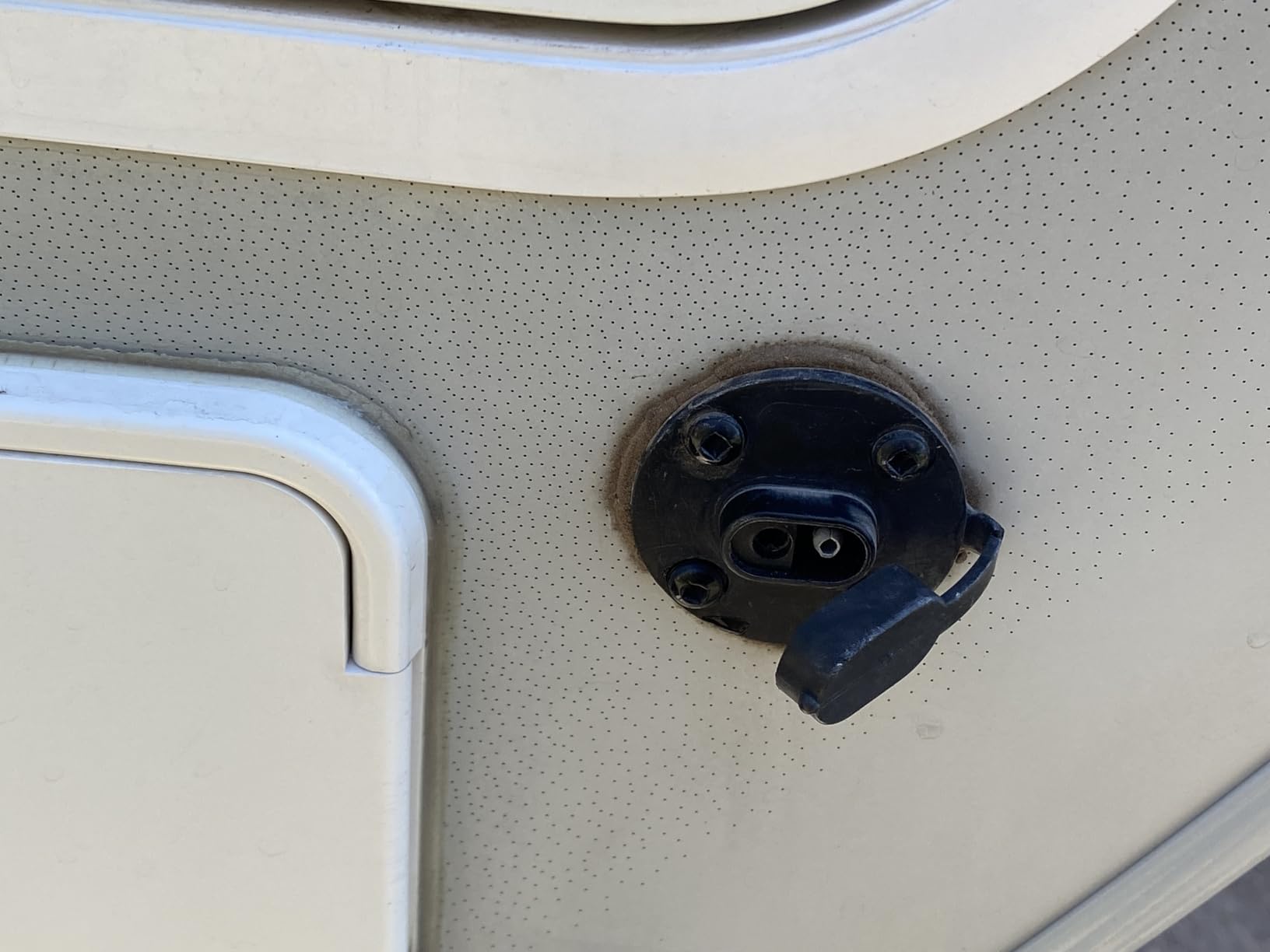
The included cable is just under 10 ft, so plan on buying an extension. Reviewers repeatedly single out the extension cable and alligator clip connectors as weak where the wire meets the connector, a known failure point under vibration.
The latches and support arms are light duty relative to the rest of the build. Treat the kickstand as a daytime-only support and do not leave the panel standing unattended in wind.
6. ECO-WORTHY 200W Complete System – battery and inverter included
ECO-WORTHY 200 Watt 12V Complete Solar Panel Starter Kit for RV Off Grid
200W N-Type array at 25 percent efficiency
50Ah LiFePO4 battery
600W pure sine wave inverter
Pros
- Panels plus controller plus battery plus inverter in one package
- N-Type cells at 25 percent efficiency with good low-light behavior
- LiFePO4 battery rated for 4000 to 15000 deep cycles
- 0V activation and 20ms UPS switchover suit sensitive loads
- USB and Type-C outputs on the battery for device charging
Cons
- Heaviest package in the roundup
- XT60 interface limited to 30A maximum input and output current
- 50Ah bank is small for multi-day cloudy stretches
Only one kit here is a genuine complete system. You get two 100W N-Type monocrystalline panels at 25 percent efficiency, a 30A controller with an LCD display, a 12V 50Ah LiFePO4 battery with an XT60 port, and a 600W pure sine wave inverter with a 20ms UPS auto-switch.
The inverter earns its place. Pure sine wave output is what you want for CPAP machines, laptops and sensitive electronics, and the 20ms switchover plus 0V activation keeps loads running through an interruption. Charging current is adjustable from 5A to 40A.
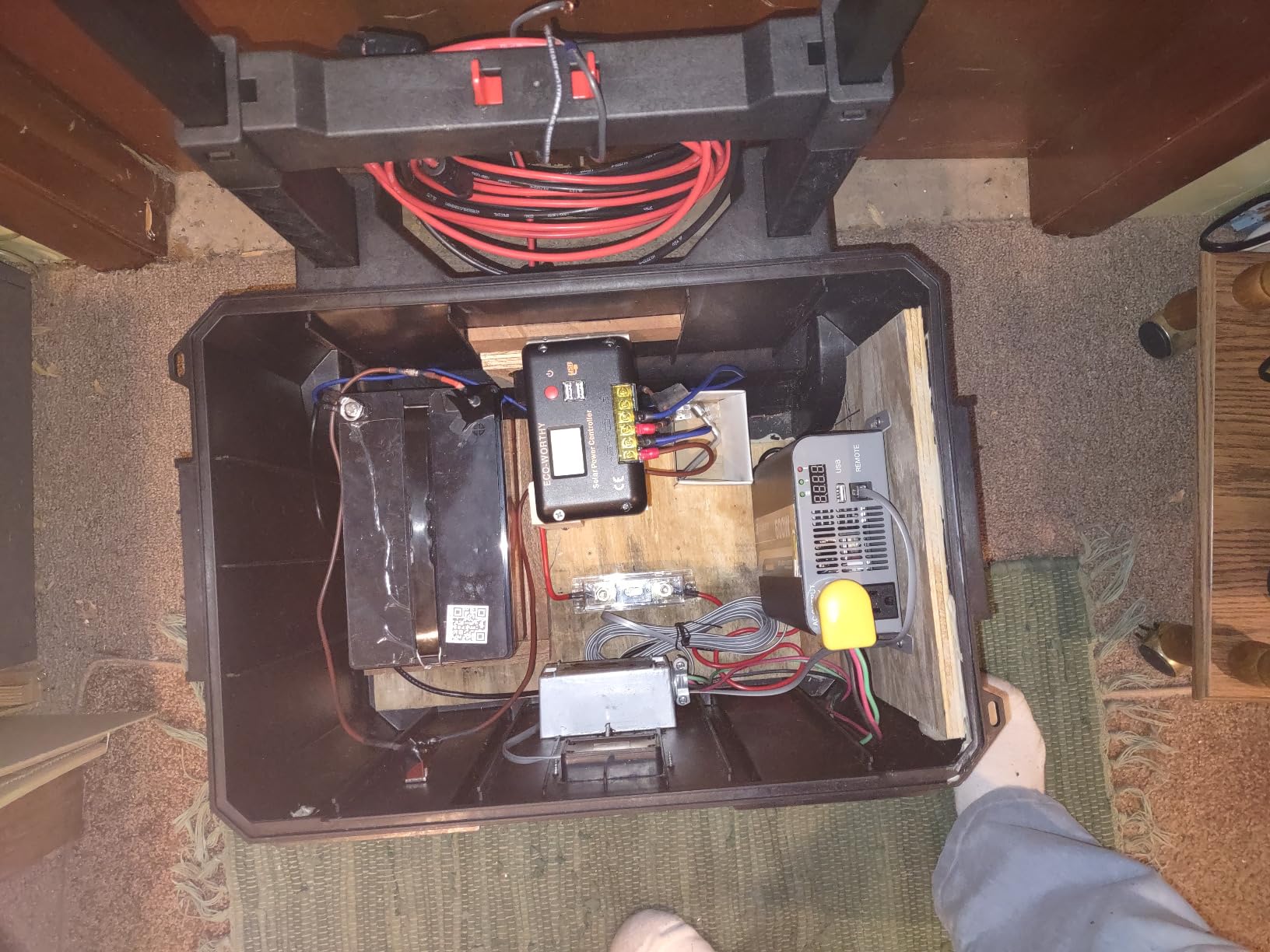
The battery is rated for 4000 to 15000 deep cycles against a few hundred for lead-acid. The cells use dual-sided light capture for up to 15 percent extra output from reflected light, and USB and Type-C ports handle device charging directly.
Be clear-eyed about the limits. The XT60 interface is capped at 30A for input and output, and 50Ah is a small bank that will not carry a multi-day overcast stretch without shore power or a generator nearby.
Who benefits from an all-in-one package
Buyers new to solar value having every component in one box and report that the battery and inverter combination cuts generator run time substantially.
The 4.1 average reflects real friction rather than disappointment: the XT60 current cap, app-based controls and the weight of the full system are the recurring complaints.
Why you might skip it anyway
This is the heaviest package in the roundup, and the included battery is the smallest capacity in the group. Someone who already has a healthy 200Ah-plus battery bank is paying for something they do not need.
Owner reports describe real-world full-time setups running 280 to 320Ah of lithium alongside 400W or more of solar. This kit is a starting point, not that configuration.
7. ECO-WORTHY 260W Flexible Kit – lightest roof-friendly option
ECO-WORTHY 260Watt 12Volt Flexible Solar Panel Kit for Off Grid Home RV, Boat and Uneven Surfaces:2pcs 130W Mono Solar Panel + 30A 12V Charger Controller + Solar Cable + Tray Cable + Y Branch
Two 130W flexible mono panels
Up to 1040Wh daily
4.5 lb for the full kit
30A LCD controller with USB
Pros
- Very light at 4.5 lb for the whole kit so it is easy to handle on a roof
- Panels conform to RV roofs and uneven surfaces without drilling
- Two 130W panels deliver up to about 1040Wh per day in good sun
- 30A LCD controller with dual USB outputs
- Short-circuit open-circuit reverse and overload protection
Cons
- Flexible cells do not last as long as rigid glass panels
- PWM charging is less efficient than MPPT for the same array
- Panels and accessories arrive in two separate shipments
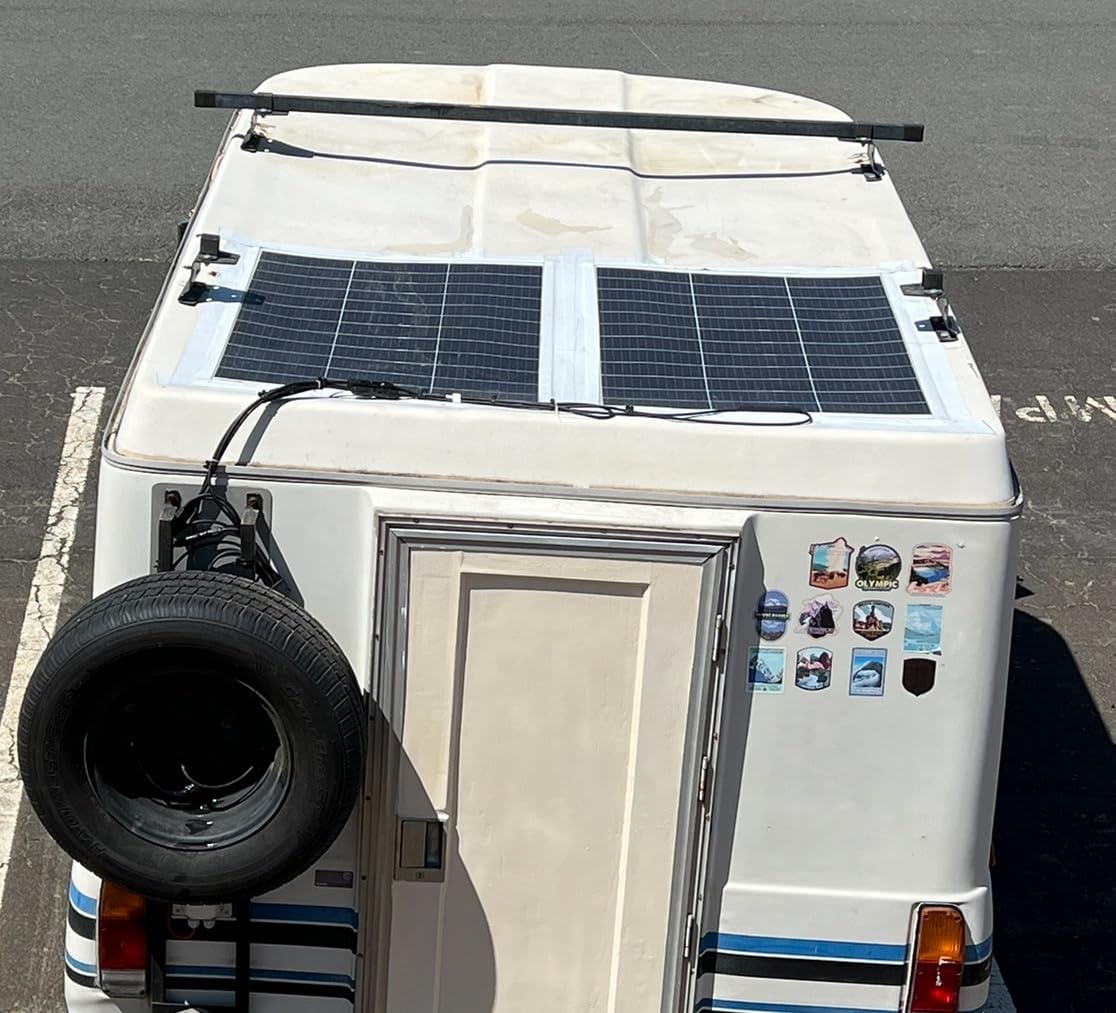
This kit weighs 4.5 lb for the full package, and that changes who can install it. The two 130W monocrystalline flexible panels measure 37.78 by 27.17 inches at 0.1 inch thick and conform to uneven surfaces, so there is no drilling and no heavy lifting onto a high roof.
Cell efficiency is listed at 22.4 percent and stated daily output is up to 1040Wh from the pair under four hours of full sunshine. The polymer construction is about 70 percent lighter than glass.
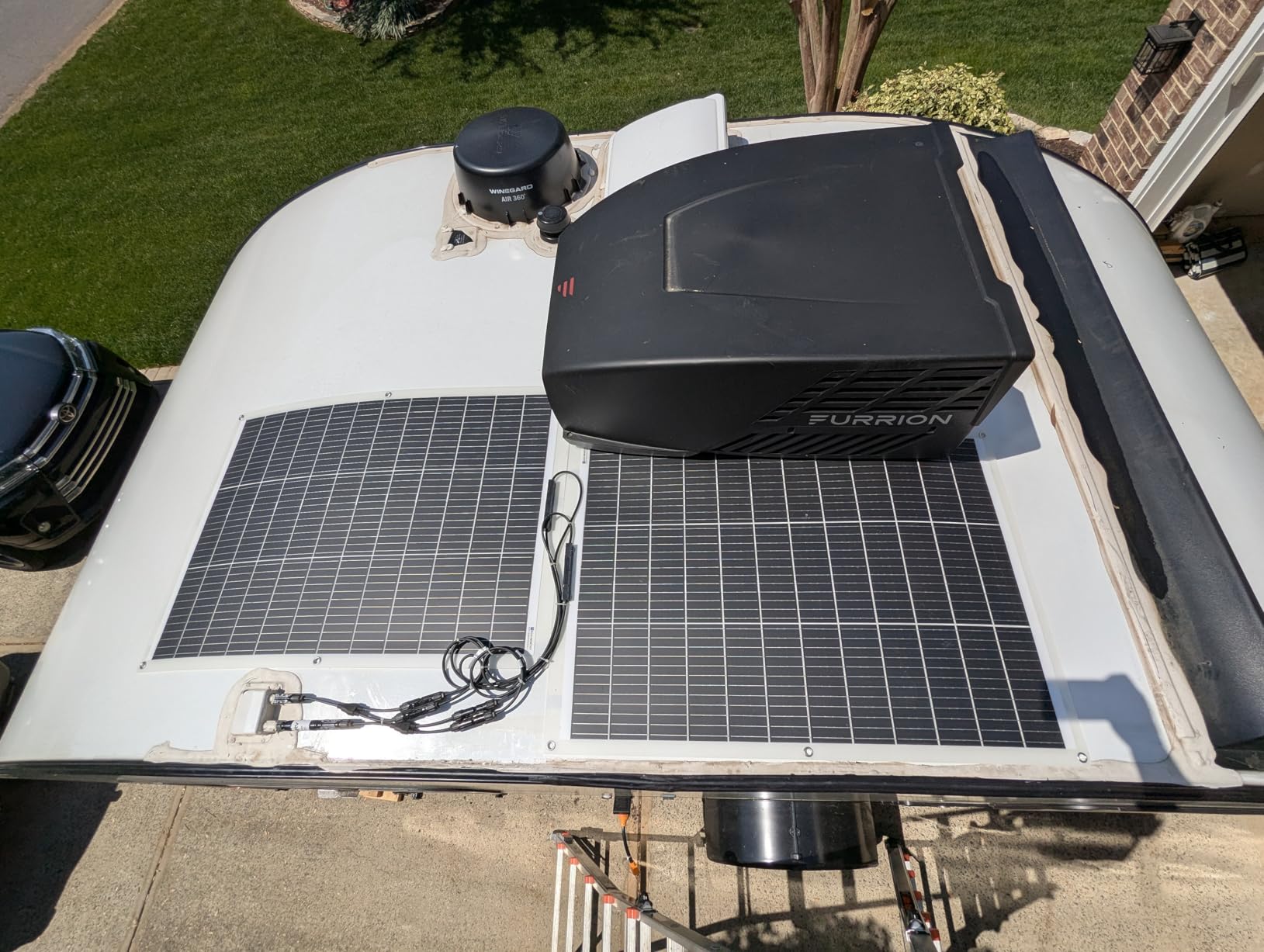
The 30A LCD controller suits lead-acid, gel and LiFePO4 batteries and adds dual USB outputs at 5V and 2A for phone charging. It provides short-circuit, open-circuit, reverse and overload protection with three-stage PWM charge management.
The upgrade from 100W to 130W cells is roughly 30 percent more generation per panel, and buyers treat that as a real gain over earlier versions of the same flexible design.
When flexible panels make sense
If your roof has an awkward curve, a fiberglass cap or a surface you do not want to perforate, a flexible panel is the realistic answer. Adhesive mounting avoids penetrations and lets you relocate the array between rigs.
At 260W total this sits above most of the rigid kits here while staying under the roof load of a comparable glass array by a wide margin.
What you trade away
Flexible cells do not have the service life of rigid glass panels, which matters if you keep the rig for a decade.
The panels and accessory kit arrive in two separate shipments, so plan the install around both arriving. PWM charging also leaves efficiency on the table compared with MPPT.
8. XINPUGUANG 200W Flexible Kit – best for curved roofs
XINPUGUANG Flexible Solar Panel 200W 12V Solar System kit for RV Boat Van
Two 100W flexible mono panels
Bends up to 260 degrees
IP67 waterproof
4.0 lb per panel
Pros
- Panels bend up to 260 degrees so they fit awkward curved roof lines
- Only 4.0 lb per panel and 0.098 inch thick
- IP67 waterproof with 5400Pa snow and 2400Pa wind ratings
- Owners report holding two AGM group 27 batteries charged over multi-day trips
- Works on 12V or 24V systems and includes a bypass diode
Cons
- Several buyers report output well below the 100W per panel rating
- Included 20A controller shows battery voltage but not panel voltage
- Adhesive sealing of flexible panels can be tricky
The defining spec is flexibility. Each 100W monocrystalline panel is 4.0 lb, 0.098 inch thick and bends up to 260 degrees, letting it follow a curved fiberglass roof, a boat deck or a rounded van shell that rigid glass cannot sit flat on.
Environmental ratings are solid on paper: IP67 waterproof, 5400Pa snow load and 2400Pa wind load, with a built-in bypass diode and cells listed at 24 to 25 percent conversion efficiency.
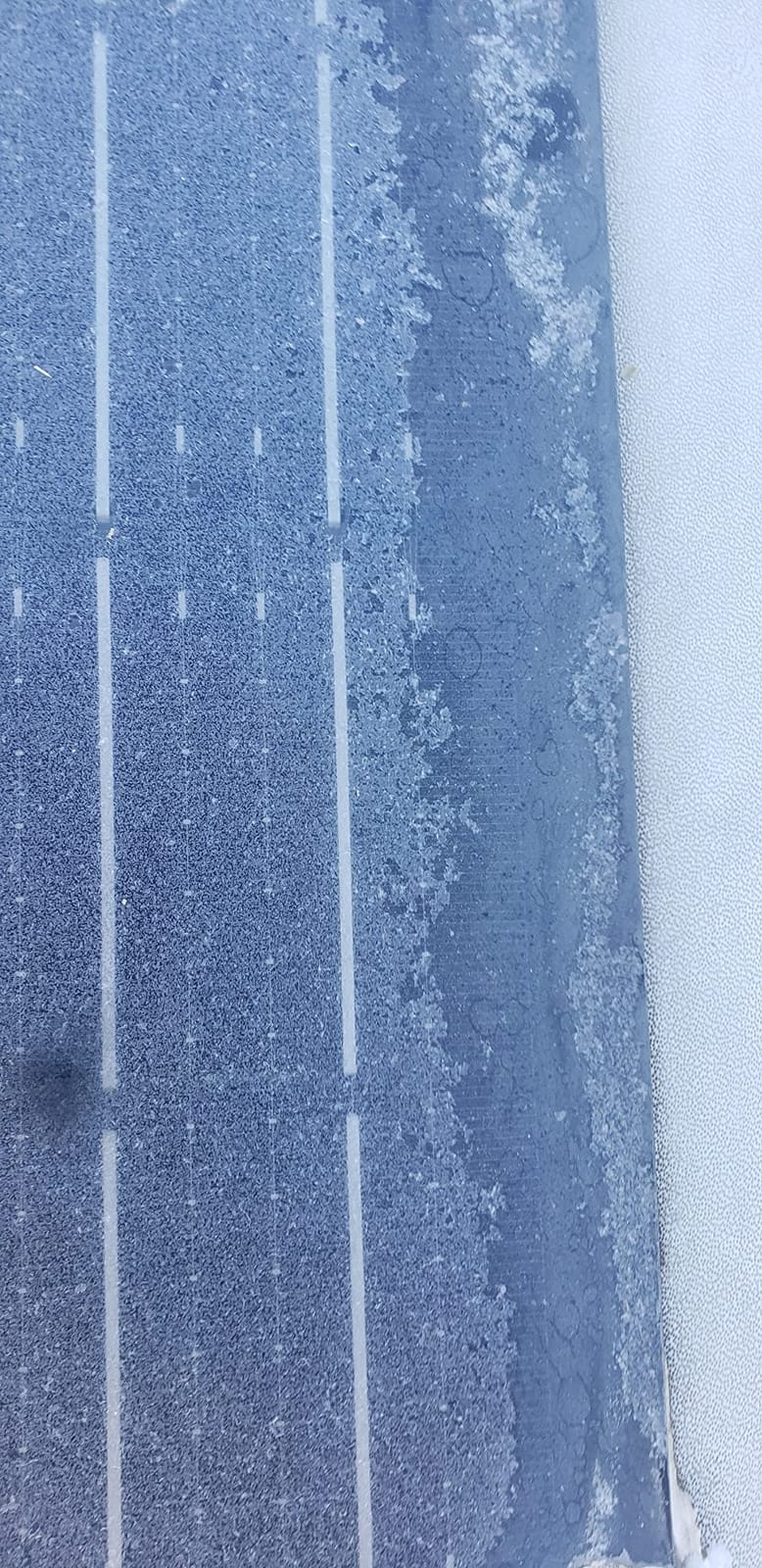
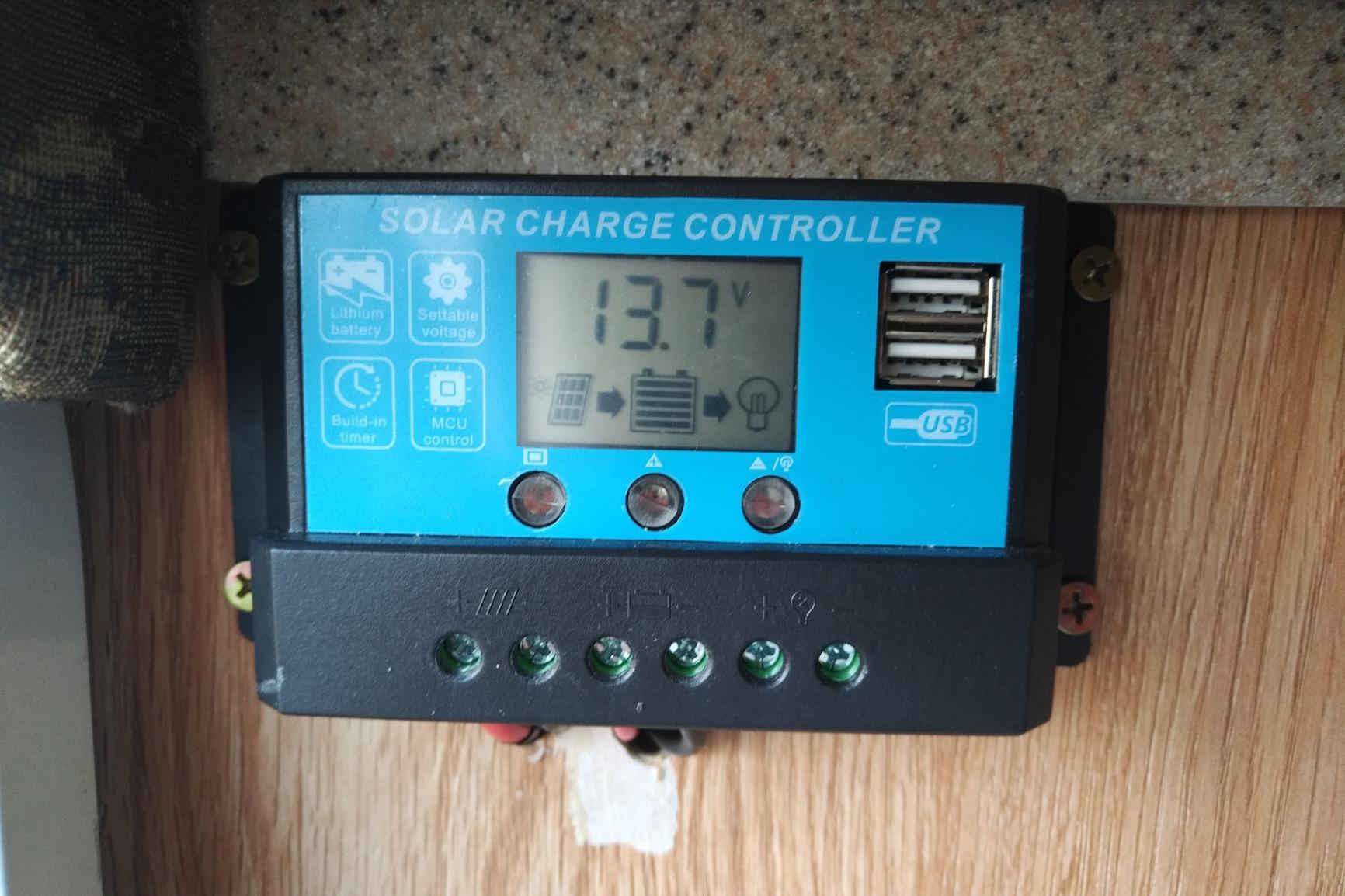
Real-world reports are mixed, and that is the honest headline. One installer logged a steady 13.8V charge sufficient to run a small refrigerator, and owners report holding two AGM group 27 batteries charged over multi-day trips. Several buyers say combined output lands around 90W or less rather than the 200W nameplate.
Charging in overcast conditions is described as adequate, which is more than many fixed-array owners can say. The included 20A controller shows battery voltage but not incoming panel voltage, and its buttons draw repeated criticism.
When bending matters more than raw output
If your roof surface curves sharply or you refuse to drill, the 260-degree bend radius is a genuine advantage. These panels also weigh about a fifth of a comparable rigid pair, making solo installation realistic.
The IP67 rating and bypass diode make them a reasonable second array mounted alongside a rigid kit, where adding rigid panels would exceed your roof load or available space.
What reviewers are unhappy about
Output below the stated wattage is the recurring complaint, and with only a 20A controller you have no headroom to add capacity without replacing it.
Sealing flexible panels with adhesive takes practice, and a poor bond lets water sit at the edges. If you are not patient with surface preparation, choose a rigid panel with brackets.
9. DOKIO 300W Foldable Kit – most wattage you can carry
DOKIO 300W Portable Foldable Solar Panel Kit with Charge Controller
300W foldable mono panel
15.2 lb packed
Replaceable standalone controller
9.85ft cable plus adapters
Pros
- High rated wattage in a genuinely portable foldable format at 15.2 lb
- Standalone replaceable controller so it can be swapped for MPPT later
- 9.85ft cable lets the panel sit in sun while the controller stays shaded
- Wide adapter bundle covers SAE XT60 alligator clips and DC barrel sizes
- Large body of owner reports on a proven design
Cons
- Real-world output often falls well below the 300W nameplate
- Many power stations cap solar input at 100-200W
- 1-year manufacturer warranty is the shortest in the roundup
At 300W rated and 15.2 lb packed, this is the most wattage in a portable format in the roundup. It folds to 19.3 by 37.4 by 1.1 inches and uses monocrystalline cells for better conversion efficiency and lower mismatch loss across the panels.
The architecture is what we like most. The PWM controller is standalone and user-replaceable, so you can upgrade to MPPT later instead of being locked into what came in the box. The 9.85 ft cable keeps the panel in full sun while the controller stays shaded and cooler.
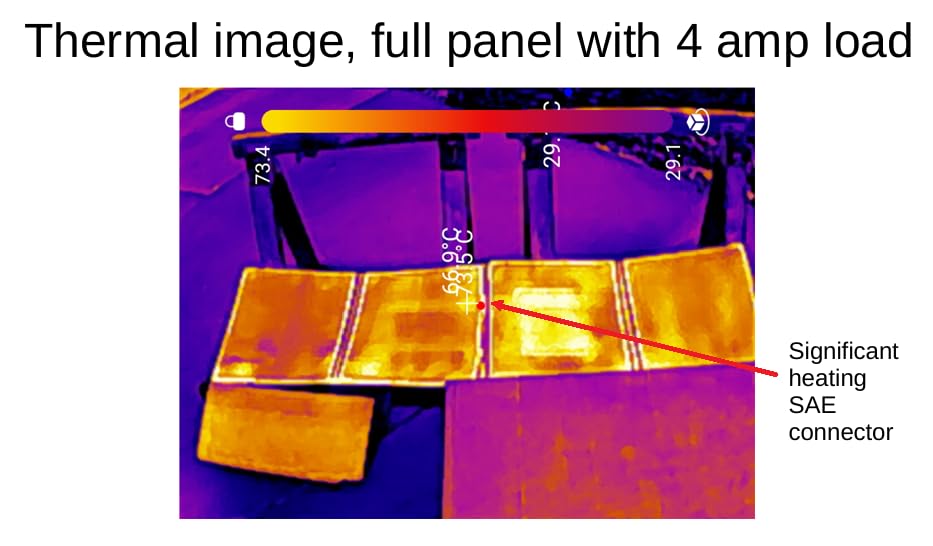
The adapter bundle is unusually complete, covering SAE, XT60, alligator clips and several DC barrel sizes, and dual USB ports handle phones and small devices. Protection covers reverse polarity, overcharge, overload and short-circuit.
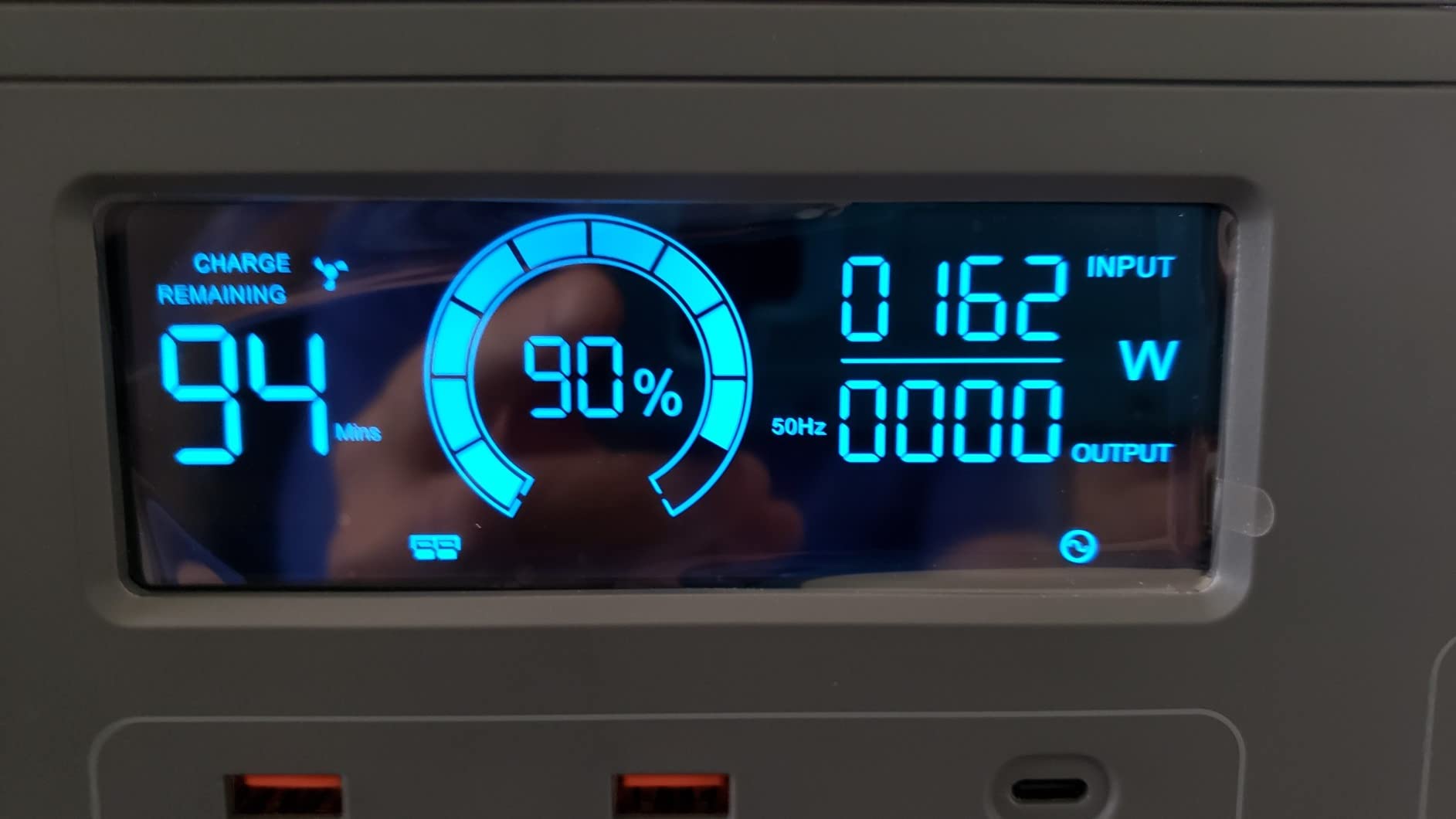
Two practical warnings carry over from owner reports. Plenty of power stations cap solar input at 100 to 200W, so the panel cannot deliver its rating into those units regardless of conditions, and the fabric case should not sit in prolonged sun or weather.
Why a replaceable controller matters
Because the controller is separate and swappable, you can start with what is included and move to an MPPT unit when you add a second panel or a longer run. Kits with a pre-installed controller force a full replacement to change anything.
Owners who test carefully get real numbers rather than nameplate figures, and the consensus is that the design holds up over time. With more than 3,800 reviews, this is one of the most proven designs in the category.
Where expectations should be reset
Output frequently lands well below the 300W nameplate in real use, and pairing it with a power station that caps input makes the gap larger. Treat the nameplate as a ceiling rather than a daily expectation.
The 1-year manufacturer warranty is the shortest here, and owners report fabric edging, stitching and metal tie-down rings weakening after months of outdoor exposure. It is a portable panel, not a permanent roof install.
10. DOKIO 200W Foldable Kit – lightest 200W foldable
DOKIO 200W Portable Foldable Solar Panel Kit for 12V Battery Charging
200W-class foldable mono panel
9.7 lb packed
Panels wired in parallel
Pros
- Very light at 9.7 lb for a 200W-class foldable panel
- Measured output of 128 to 149W reported by careful testers
- Panels wired in parallel so one shaded panel does not cap the array
- Standalone replaceable controller
- 9.84ft cable plus USB ports for device charging
Cons
- SAE connectors soften in heat and pull apart easily
- SAE and XT60 are non-standard so they reject MC4 series wiring
- Included PWM controller is not compatible with LiFePO4 batteries
This is the portable option we suggest for weekend campers who want more than a 100W suitcase without carrying 300W around. It weighs 9.7 lb, folds to 20 by 27 by 1.1 inches and uses monocrystalline cells with a standalone PWM controller and a 9.84 ft cable.
Measured output is the story. Careful testers report 128 to 149W, ahead of several 100W competitors on the same hardware, and most owners land around 75 to 80 percent of nameplate.
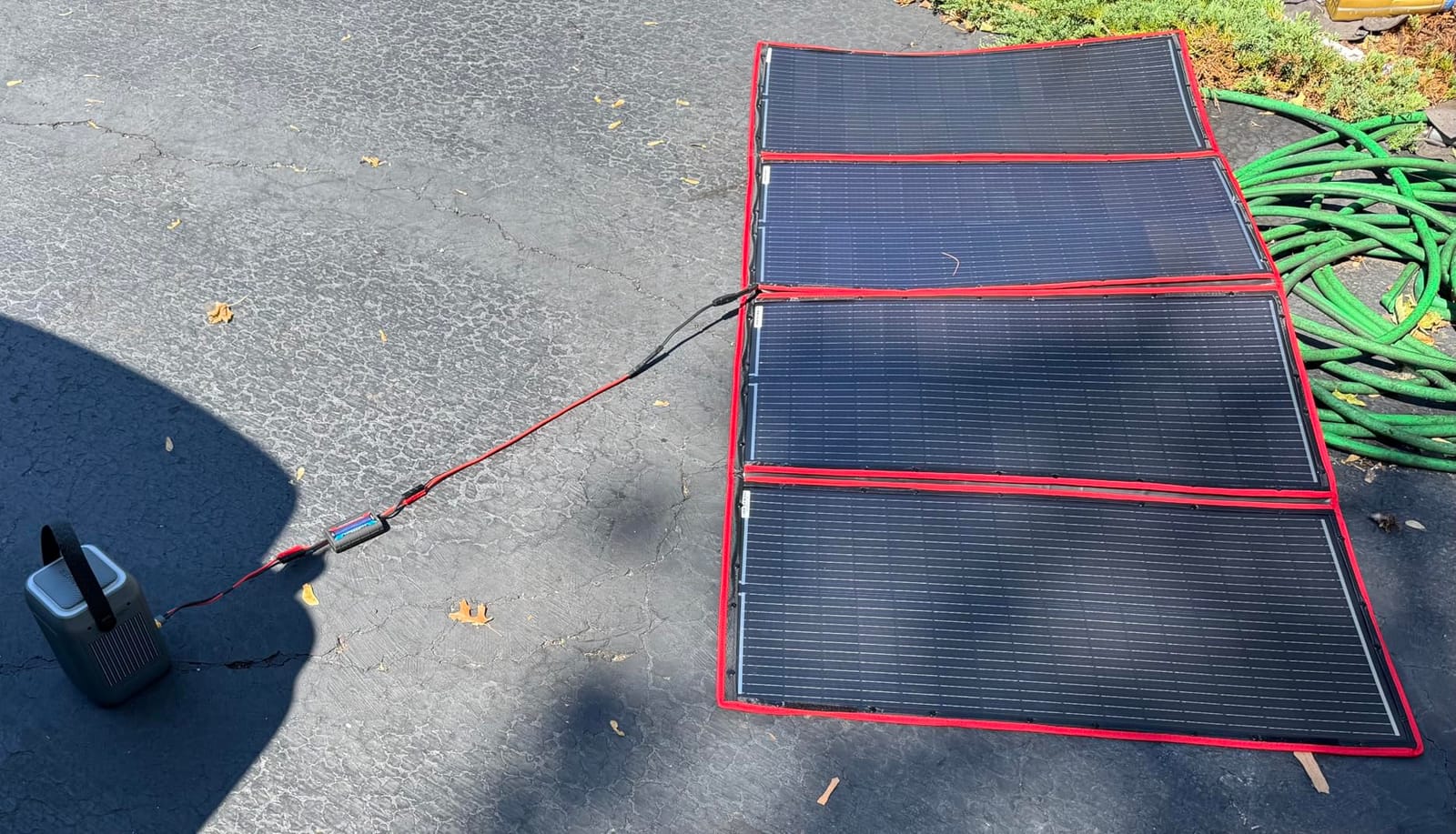
The panels are wired in parallel, so a shaded panel does not drag down the whole array the way a series string would. That is a real advantage at a campsite with a tree line.
Durability reports are mixed. Owners note the panels survived being blown off a van onto grass without damage, yet also describe fabric edging and metal tie-down rings as flimsy, and some report output declining noticeably within a few months.
Why parallel wiring matters at a campsite
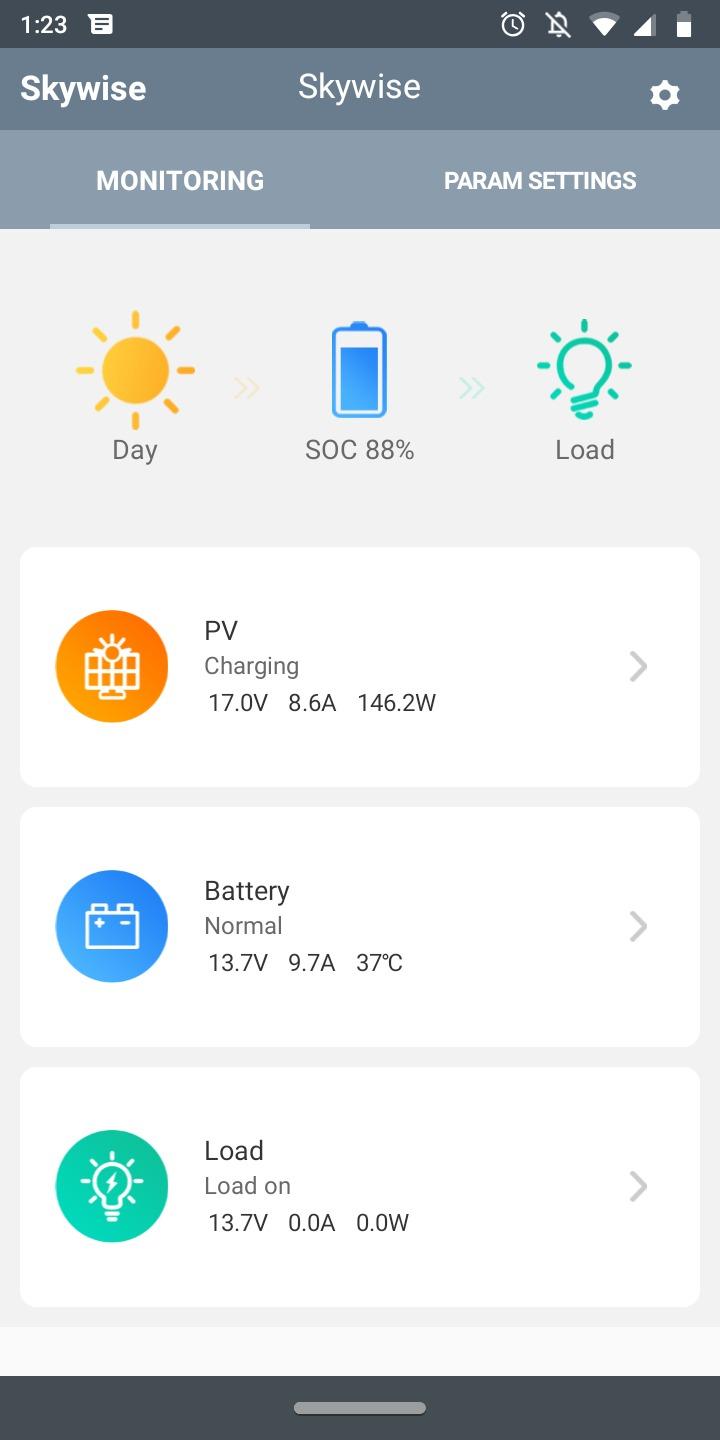
In a series string, one shaded panel reduces current for the entire array. In parallel, the unshaded panel keeps producing at full current, which is why this kit holds up better under the tree-line shade where most portable panels fall short.
The standalone controller is also replaceable. The included version will not charge a LiFePO4 battery correctly, so verify your battery chemistry before pairing them.
What to plan around
Connector quality is the most common complaint. SAE plugs soften in heat and pull apart easily, and they will not accept standard MC4 series wiring from your other panels.
If you plan to mix arrays, use MC4 panels instead. If you are running lead-acid and staying portable, this kit is hard to argue with on weight and measured output.
How to size an RV solar kit for your boondocking style
Start with your measured daily load in amp-hours. A representative full-time profile described on r/FullTimeRVing runs a 12V fridge, a couple of lights, music, a fan and a laptop with occasional Starlink. That lands around 150 to 200Ah a day, and at four to five peak sun hours it takes 400W of panels to keep pace.
The three tiers we use: 200W for weekend trips and battery maintenance, 400W for full-time boondocking with a fridge and small electronics, and 800W for a microwave, CPAP, power tools or satellite internet. Owners on r/boondocking worry constantly about oversizing, and an oversized array is wasted money unless the roof space and controller headroom exist to use it.
Size the controller at 25 to 30 percent above your panel wattage, and check the maximum input voltage before wiring anything. MPPT controllers commonly cap at 100V, which decides how many 12V panels you can put in series. Under-sizing the controller is the most common reason an installed system appears not to charge.
Buy the monitor before the panels. A Bluetooth shunt such as a Victron BMV-712 turns a vague feeling into a number, and it is the fastest way to tell whether undersized wiring, an undersized controller or a panel fault is the cause of a charging problem.
Finally, remember that output collapses under heavy overcast and in winter. We will say plainly what owners in this category say: no kit here replaces a generator for winter trips in heavy cloud.
MPPT vs PWM: what the difference costs on your roof
MPPT controllers harvest 10 to 25 percent more energy than PWM controllers and accept higher input voltages, but PWM units cost less. Every kit in this roundup ships with a PWM controller, which tells you where this category sits right now.
The loss grows as panels cool. PWM clips panel voltage down to battery voltage, so a panel producing 18V into a 12.6V bank gives away most of that difference. At 100W the loss is a few amp-hours a day; across a 400W or 600W array it is the difference between covering a load and covering most of it.
Two practical consequences. An MPPT controller with a 100V input limit lets you series-wire panels, cutting controller current by a third and reducing wiring loss. And a 30A MPPT controller handles far more panel wattage than a 30A PWM unit, which is the cheapest expansion strategy available.
Compatibility matters too. Check that the controller lists your battery chemistry, since one kit below ships with a PWM controller that is not suitable for LiFePO4.
Roof-mounted vs portable solar panels: which fits your rig
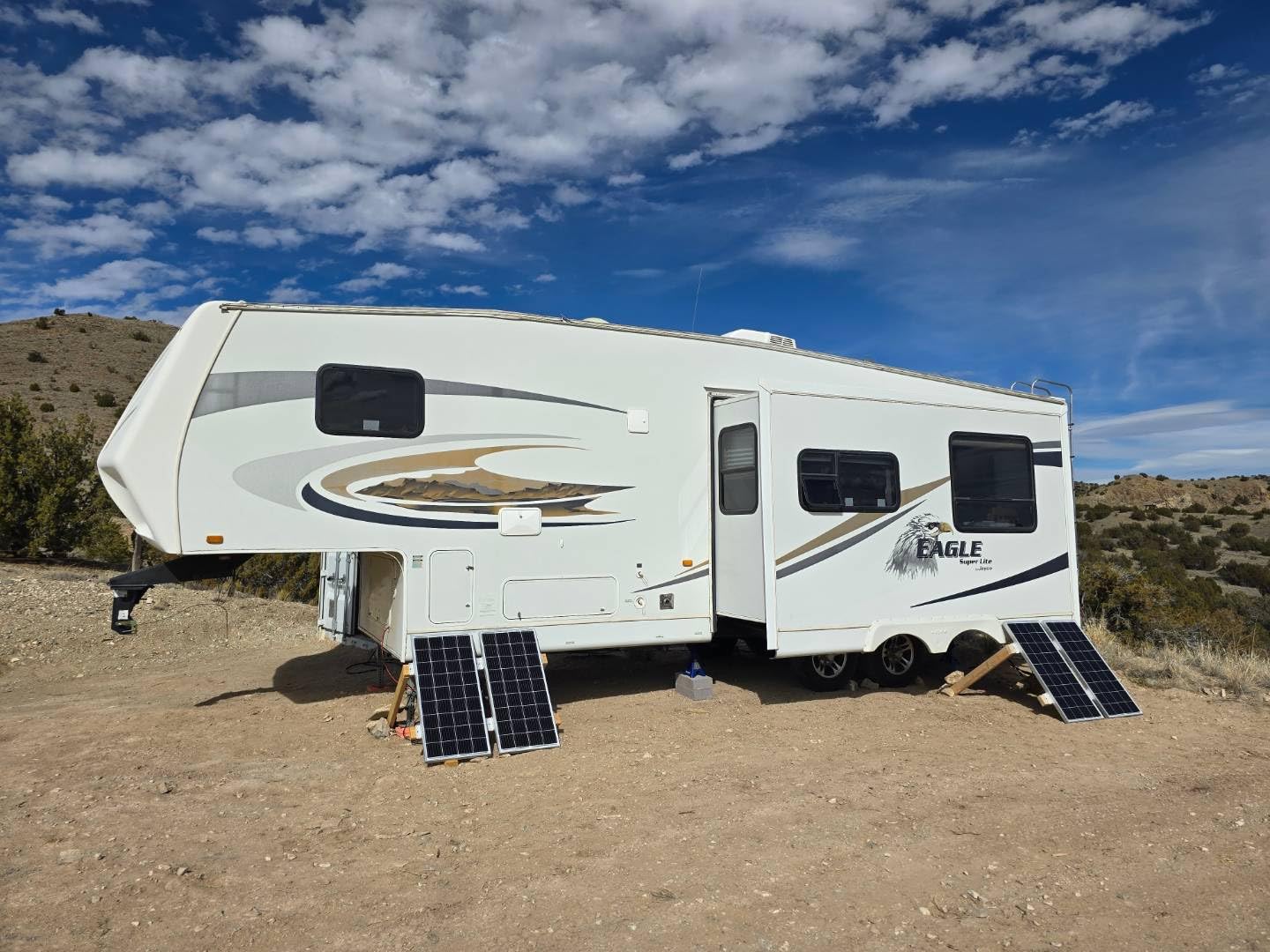
Roof-mounted panels win on output and security; portable panels win on flexibility. A fixed array works while you drive away from the site, but partial shading from an air conditioner, a vent, an antenna or a satellite dome can cut output dramatically, and forum reports make clear that roof-accessory shading is a leading cause of disappointing systems.
Plan the layout before you buy. Measure usable roof area excluding every obstruction, keep panels clear of walkways and hinges, and avoid placing a panel where a tree or the trailer in front shades it at midday. If your roof is crowded, a portable panel repositioned through the day often out-performs a bigger permanently shaded array.
Weight is the other constraint. Rigid glass panels here run from 14.1 lb to 35 lb each, while flexible panels weigh 4.0 to 4.5 lb. Check your payload before adding several rigid panels plus a large lithium bank.
For permanence and low maintenance, roof mounting wins; our [solar generator comparison](https://www.drunvalo.net/best-solar-generators/) is worth reading if you want the generator as a backstop. For shading or a crowded roof, the portable and flexible options here are the ones we would pick.
One last note from owner threads: secure any rooftop wiring, keep connectors off the ground where moisture sits, and if you add low-draw campsite accessories like [solar lanterns](https://www.drunvalo.net/best-solar-lanterns-for-gardens/), [outdoor solar lights](https://www.drunvalo.net/best-outdoor-solar-lights/) or [solar security cameras](https://www.drunvalo.net/best-solar-security-cameras/), size for the extra load rather than assuming it is free.
Frequently Asked Questions
What are the best solar panels for boondocking in an RV?
The best panels for boondocking are a rigid monocrystalline roof array sized to your daily amp-hour load, paired with an MPPT charge controller with 25 to 30 percent headroom. For most owners that means 200W for weekends and 400W for full-time boondocking, with portable foldables as a supplement on shaded rigs.
Will a 200W solar panel run a 12V fridge?
Yes, usually. A compressor fridge draws roughly 40 to 60Ah a day, and a 200W array in good sun produces close to that. You will still have some margin for lights, fans and phone charging, but add panels before adding a microwave, CPAP with humidifier or satellite internet.
How many solar panels do I need to run my RV?
Divide your daily amp-hour requirement by roughly four to five peak sun hours to get panel wattage. A weekend profile with a fridge and small electronics needs about 200W, full-time boondocking needs 400W, and power-hungry rigs running an air conditioner or microwave need 800W or more.
Is 400W solar enough for RV?
For most full-time boondockers, yes. A 400W array covers a 12V fridge, lights, fans, a laptop and phones comfortably, and real-world setups running 280 to 320Ah of lithium alongside 400W of solar handle it well. Add capacity if you run a microwave, a CPAP with humidifier or satellite internet daily.
What will an 800 watt solar panel run?
An 800W array can carry a large battery bank, a 12V fridge, all lighting, electronics, a CPAP machine and short-duration high-draw appliances such as a microwave. It will not run a rooftop air conditioner for long, because compressor units draw well over a thousand watts once started.
Should I roof mount or use portable solar panels?
Roof mount when you have clear, unshaded roof space and want output while driving away from the site. Go portable or flexible when the roof is crowded, when obstructions cause partial shading, or when you move rigs often. Portable panels can be repositioned to follow the sun all day.
Final verdict on the best rv solar panel kits for boondocking
The Renogy 100W 12V Starter Kit is our pick for 2026 because it pairs the highest average rating in the group with certified panels, an expandable 30A controller and the longest warranty coverage. If your main load is a fridge, step up to the Renogy 200W kit; if you want two panels plus every bracket and cable in one package, the ECO-WORTHY 200W kit is the value choice.
Whichever route you take, buy the battery monitor first, size the controller with expansion headroom, and lay out the roof around every obstruction before you drill. Check the current listing for each kit, compare it against your measured daily load, and pick the one that matches your rig rather than the biggest number on the box.