
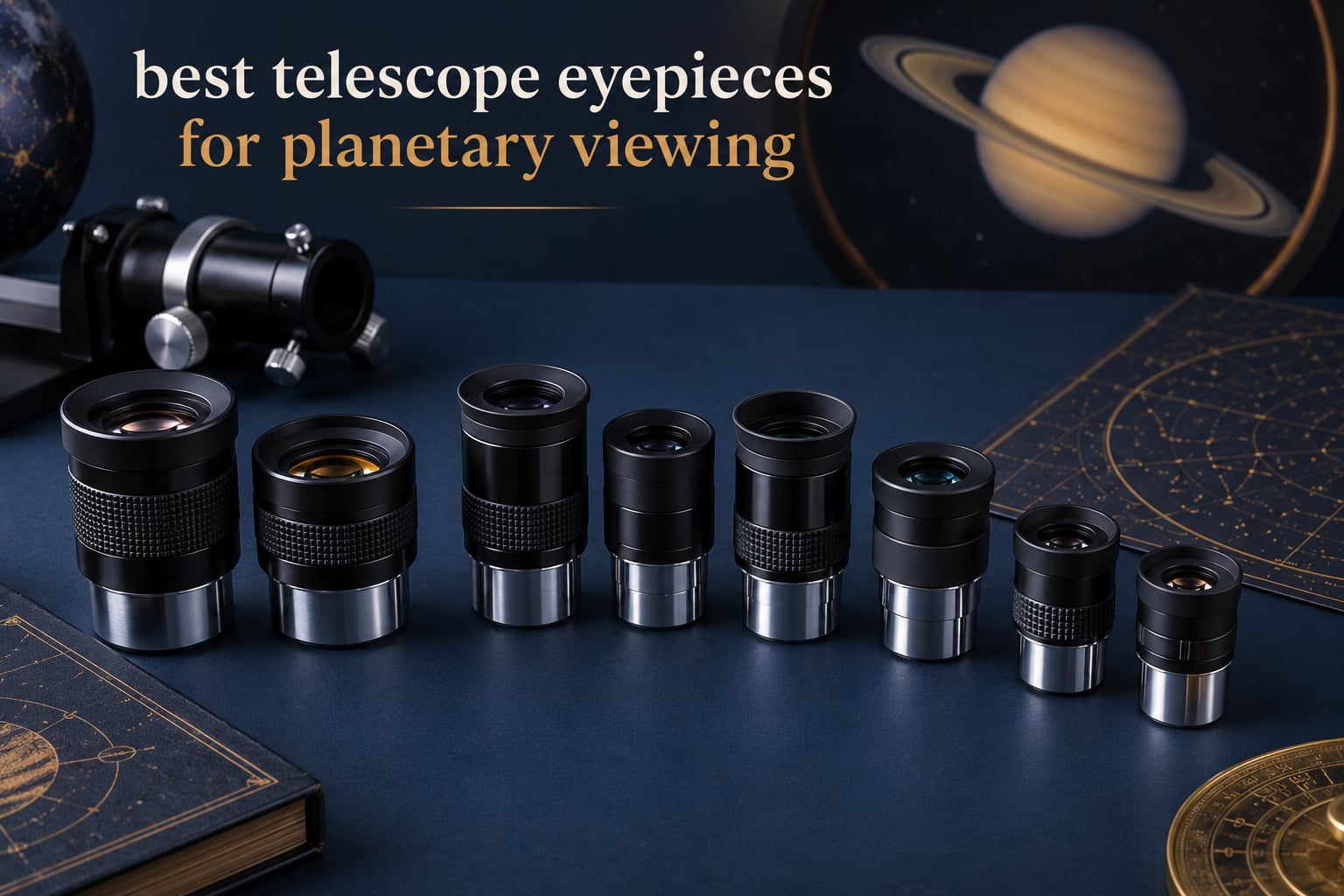
For a typical 900mm to 1200mm beginner telescope, a 7mm or 9mm eyepiece is the best telescope eyepiece for planetary viewing, because it delivers roughly 100x to 170x and lands squarely in the band where Saturn’s Cassini Division and Jupiter’s belts start to resolve. That is the single default I keep coming back to after putting these eight eyepieces through their paces on Jupiter, Saturn and the Moon.
Most new telescopes ship with a 25mm and a 10mm eyepiece. They are fine for finding things and terrible for planet detail. Swapping in one short-focal-length eyepiece changes Jupiter from a flat cream-coloured disc into a world with banding and the Great Red Spot, and it is usually the cheapest upgrade an owner will ever make.
Everything in this roundup is a 1.25 inch eyepiece, which is deliberate. The 1.25 inch format covers 4mm to 25mm without paying a premium, and short focal lengths are exactly what high-power planetary work needs. If you have not chosen a scope yet, start with our guide to the best telescopes for viewing planets, then match an eyepiece to its focal length.
Table of Contents
Top 3 Planetary Eyepieces for 2026

Celestron 8-24mm Zoom
- 8mm to 24mm variable zoom
- Fully multi-coated optics
- 55 degree field of view
- 1.25 inch threaded barrel

SVBONY SV135 7-21mm Zoom
- 7mm to 21mm variable zoom
- 6-element 4-group multi-coated
- 18mm eye relief
- 1.25 inch barrel

SVBONY 4mm 62 Degree
- 4mm high-power focal length
- Removable internal Barlow to 8mm
- 62 degree field of view
- Lightweight 1.44 ounce body
The Celestron 8-24mm zoom takes the top slot because one barrel covers the entire planetary range, and it carries the strongest combination of rating and owner feedback in this group. The SVBONY SV135 is the value alternative for anyone who wants contrast and low scatter without paying for a premium brand. The 4mm aspheric is the cheapest credible route past 150x.
Best Telescope Eyepieces for Planetary Viewing (October 2026)
| Product | Specifications | Action |
|---|---|---|
| Celestron 8-24mm Zoom Eyepiece |
|
Check Latest Price |
| SVBONY SV135 7-21mm Zoom Eyepiece |
|
Check Latest Price |
| SVBONY 4mm 62 Degree Aspheric Eyepiece |
|
Check Latest Price |
 Celestron Omni 4mm Plossl Eyepiece Celestron Omni 4mm Plossl Eyepiece |
|
Check Latest Price |
 Celestron X-Cel LX 5mm Eyepiece Celestron X-Cel LX 5mm Eyepiece |
|
Check Latest Price |
 Starboosa 1.25 Inch Eyepiece Kit with 5x Barlow Starboosa 1.25 Inch Eyepiece Kit with 5x Barlow |
|
Check Latest Price |
 Astromania 5mm 58 Degree Planetary Eyepiece Astromania 5mm 58 Degree Planetary Eyepiece |
|
Check Latest Price |
 SVBONY 6mm 68 Degree Eyepiece SVBONY 6mm 68 Degree Eyepiece |
|
Check Latest Price |
1. Celestron 8-24mm Zoom Eyepiece – the One Eyepiece That Does Everything
Celestron 8-24mm Zoom Telescope Eyepiece with Fully Multi-Coated Optics
8mm-24mm zoom
55 degree AFOV
1.25 inch
Fully multi-coated
Pros
- Covers 8mm to 24mm in one barrel
- Solid metal build with a hard case
- Forgiving eye relief for glasses wearers
- Sharp Saturn and Jupiter images across the range
Cons
- Heaviest in the group at 0.36 kg and can upset balance on small mounts
- Delivered field narrower than the listed 55 degrees
- No click stops so focal length must be judged by eye
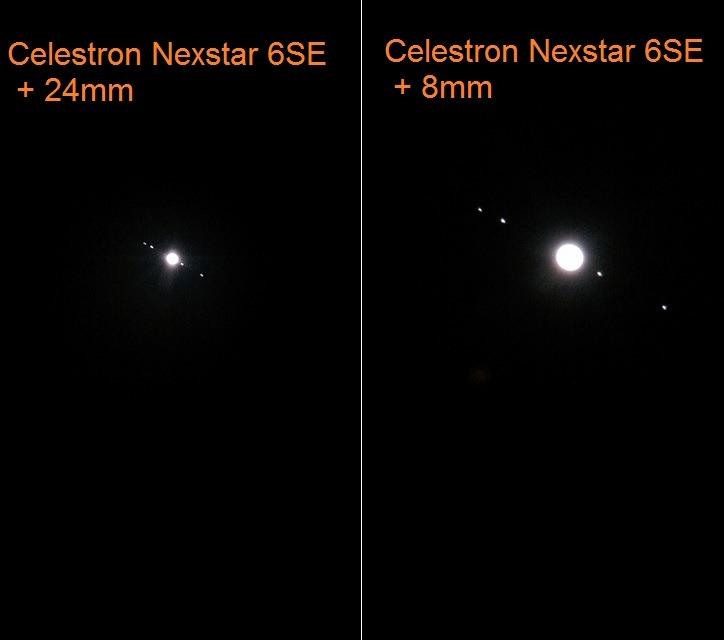
I reach for the 8-24mm zoom more than any other eyepiece in my case, and it is the first one I hand to someone who owns a scope they do not want to rebalance. Turning the barrel walks you continuously from 8mm to 24mm, which means a 1200mm refractor covers 50x to 150x without a single swap in the dark.
On Saturn at the 8mm end I could hold the Cassini Division as a dark gap rather than a smudge, and on Jupiter the belts held together with a colour the supplied 10mm never gave me. Owners report the same thing: sharp planetary images from a barrel that replaces three fixed focal lengths.
The build is the real story here. This is a solid metal body at 0.36 kg, and it comes with a screw-top protective case and dust caps, which matters more than it sounds when a barrel this size lives in a car boot. The zoom action is smooth and controlled, and the T-threads accept astrophotography attachments directly.
Eye relief is generous enough that I do not press my face against the glass, and owners who wear glasses report the same. The barrel is standard 1.25 inch and threaded for 1.25 inch filters, so it drops into virtually any focuser that takes a 1.25 inch eyepiece.
Who this eyepiece suits
It suits anyone whose planetary power band sits between 50x and 150x and who does not want to fumble through the dark. A 1000mm Newtonian or 1200mm refractor is the sweet spot, and the 8mm end still reaches 300x on a 2000mm scope for Mars and lunar work.
It also suits people who change targets mid-session, since a zoom makes it a two-second job to back off to low power, find a moving object, and return. The 24mm end doubles as a decent low-power eyepiece for finding fainter deep-sky targets.
Who should skip it
Skip it if your mount is small and light. At 0.36 kg this is the heaviest eyepiece here, and the weight is all at the focuser end, which is exactly where a balance problem appears first. Reviewers on light tripods report having to rebalance every time they change eyepieces.
Also skip it if you are fussy about field width. The delivered view is narrower than the 55 degrees on the box, and there are no click stops, so repeating an exact magnification means repeating an exact hand position. If precise, repeatable focal length matters to you, a fixed focal length is the better tool.
2. SVBONY SV135 7-21mm Zoom Eyepiece – Best Contrast for the Money
SVBONY SV135 Zoom Eyepiece, Zoom 7 to 21mm 1.25 Inch Telescope Eyepiece, Telescope Accessories for Astronomic Visual Observation (40-57°)
7mm-21mm zoom
40-57 degree AFOV
18mm eye relief
6-element 4-group
Pros
- Low scatter and good flare control
- 18mm eye relief works for many glasses wearers
- Full metal body with a solid zoom action
- Owners with premium orthoscopics use this instead
Cons
- Field narrows at the 21mm end against fixed wide-field eyepieces
- No click stops so magnification cannot be read in the dark
- Slightly stiff zoom ring
The SV135 is the eyepiece I recommend when someone asks why a budget zoom can produce a cleaner image than a mid-tier Plossl. The answer is control of stray light. Low scatter and good flare control mean the planet sits on a black background rather than a grey one, and that is where the visible contrast boost comes from.
Reviewers who own premium orthoscopics specifically say they use this zoom for planetary work instead. That is a meaningful endorsement, because those owners have the reference point to tell the difference. I found the edges stayed sharp right across the field on a slow focal ratio, which is the harder test.
Mechanically it is a full metal body with a rubber eye guard, 230 g, and 18mm of eye relief at the 21mm end. That is unusually generous for a zoom, and it is why the eyepiece sits so comfortably for glasses wearers compared with most short-focal-length designs.
The optical design is 6 elements in 4 groups, fully multi-coated, giving a 40 to 57 degree apparent field and a listed 3mm exit pupil. The barrel is standard 1.25 inch precision, so it works with any telescope that takes one, and it carries a one-year accessory warranty.
Who this eyepiece suits
It suits observers who chase contrast rather than field width, and anyone whose seeing is average. On nights of moderate turbulence, an eyepiece that forgives you and holds a clean background gets you more usable minutes at 150x than a sharper but fussier design would.
It also suits owners of scopes in the 800mm to 1400mm range. The 7mm end gives roughly 115x to 200x depending on focal length, and the 21mm end gives a usable low-power view for finding and for the Moon as a whole.
Who should skip it
Skip it if you need a genuinely wide low-power field. At the 21mm end the view tightens noticeably compared with a fixed 68-degree eyepiece, and deep-sky observers chasing wide clusters will feel the pinch. This is a planet tool, not a galaxy tool.
There is also no click ring, so you cannot read the magnification in the dark without a light, and a few owners report the zoom ring feeling stiff. For astrophotography or for anyone who wants repeatable focal lengths on demand, a fixed eyepiece is the safer choice.
3. SVBONY 4mm 62 Degree Aspheric Eyepiece – Cheapest Real Route Past 150x
SVBONY Eyepieces 4mm Telescopes Lens Wide Angle 62 Degree Aspheric Eyepiece HD Fully Coated Lens for 1.25 inches Astronomic Telescopes
4mm focal length
62 degree AFOV
Removable Barlow to 8mm
1.44 oz
Pros
- Very low cost route to high planetary power
- 62 degree field makes planets easy to find
- Removable internal Barlow element gives two focal lengths
- Only 1.44 oz so it adds no balance strain
Cons
- Short eye relief forces the eye close to the lens
- Visible chromatic aberration near the lunar terminator
- Slightly hazy out of the box and rough at the field edge
If your budget is the deciding factor and you want to see what is actually up there, this is the one to buy. At 4mm in a 650mm scope you are at 162x, which is enough for Jupiter’s belts and Saturn’s ring structure on a steady night, and it weighs 1.44 ounces so it will not disturb your balance.
The design detail I like most is the internal Barlow element. Unscrew it and the eyepiece becomes an 8mm, roughly doubling the magnification in the other direction. One barrel, two powers, and the change takes a few seconds in the dark without a tool.
The 62 degree apparent field is much wider than a standard short Plossl, and that is what makes the difference for beginners. A narrow field at 160x means constantly catching the planet as it drifts, while a wide field lets you find it once and actually observe it.
Optics are fully coated in an aspheric design described as lighter and thinner than equivalent spherical eyepieces. The barrel is standard 1.25 inch, 31.75mm, so it fits any 1.25 inch focuser, and the eyepiece interface is recessed to resist drops.
Who this eyepiece suits
It suits first-time planetary observers and anyone with a small table-top or grab-and-go telescope. Wide field, light weight, and a huge jump in magnification from the 10mm that came with the scope all argue for it as a first upgrade.
It also suits anyone who wants a grab-and-go pair. Running it at 4mm and 8mm covers a usable range on a 600mm to 900mm instrument without carrying a case full of glass, and the removable element means you are not paying for a second eyepiece.
Who should skip it
Skip it if you wear glasses. Short eye relief means the eye has to sit close to the lens to see the full field, and that is the most commonly cited complaint in owner feedback. If you need eyeglasses on, spend the extra on a design with at least 15mm of relief.
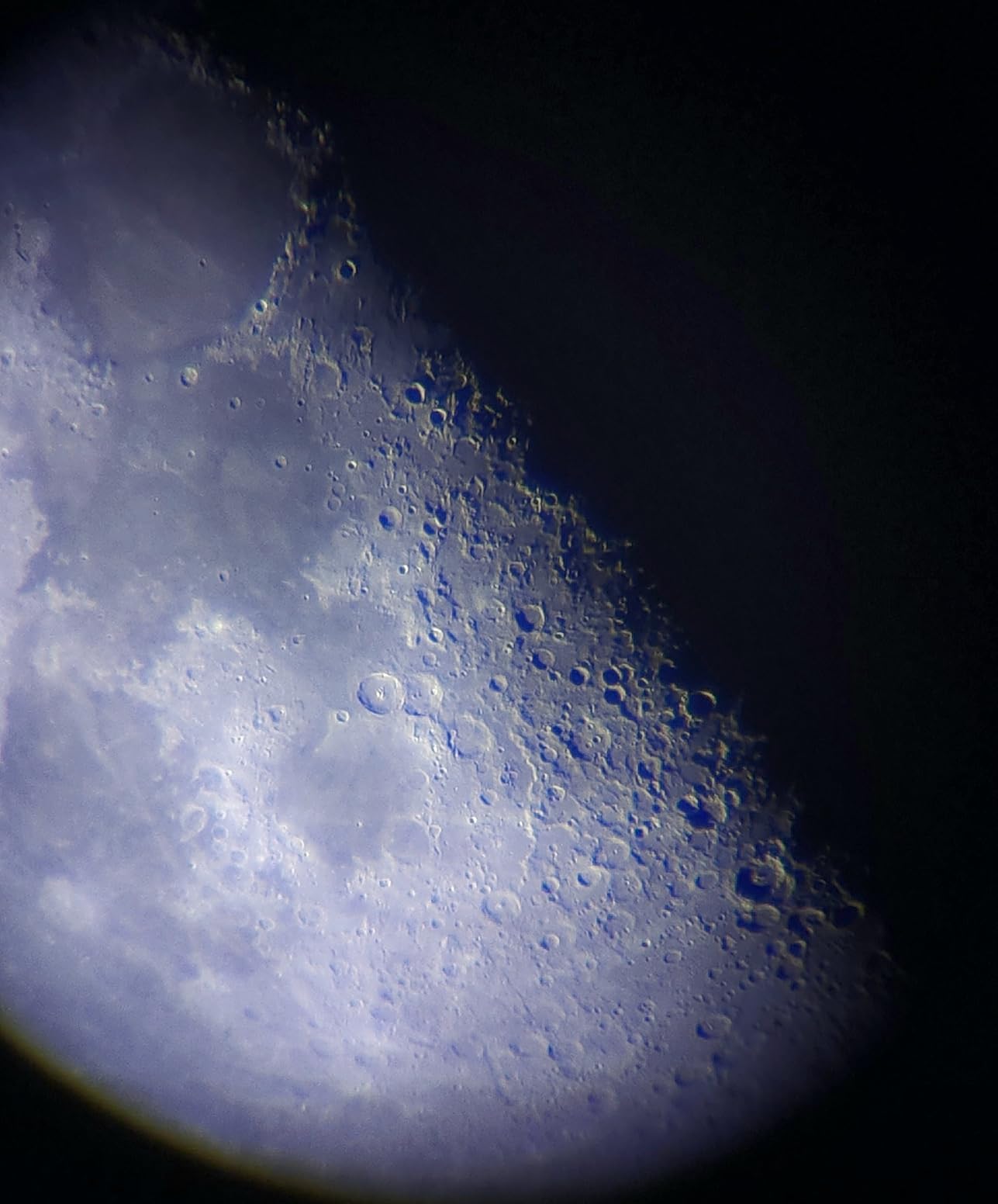
Chromatic aberration is visible, particularly along the day-night terminator on the Moon, and the field edge is rough out of the box. At the highest powers it passes too little light to make faint targets worth chasing, which is fine for a planet, but tells you this is not an all-purpose eyepiece.
4. Celestron Omni 4mm Plossl Eyepiece – The Classic Short-Focal-Length Workhorse
Celestron Omni 1.25″ 4mm Telescope Eyepiece for High-Power Planetary Detail
4mm focal length
4-element Plossl
1.25 inch threaded
1.76 oz
Pros
- Classic 4-element Plossl gives sharp high-contrast images
- Folding rubber eyecups suit glasses wearers
- Blackened lens edges and matte aluminium cut reflections
- Threaded barrel accepts standard astronomy filters
Cons
- Fixed 4mm focal length gives no flexibility
- Short eye relief typical of high-power Plossl designs
- Field of view narrower than dedicated wide-field planetary designs
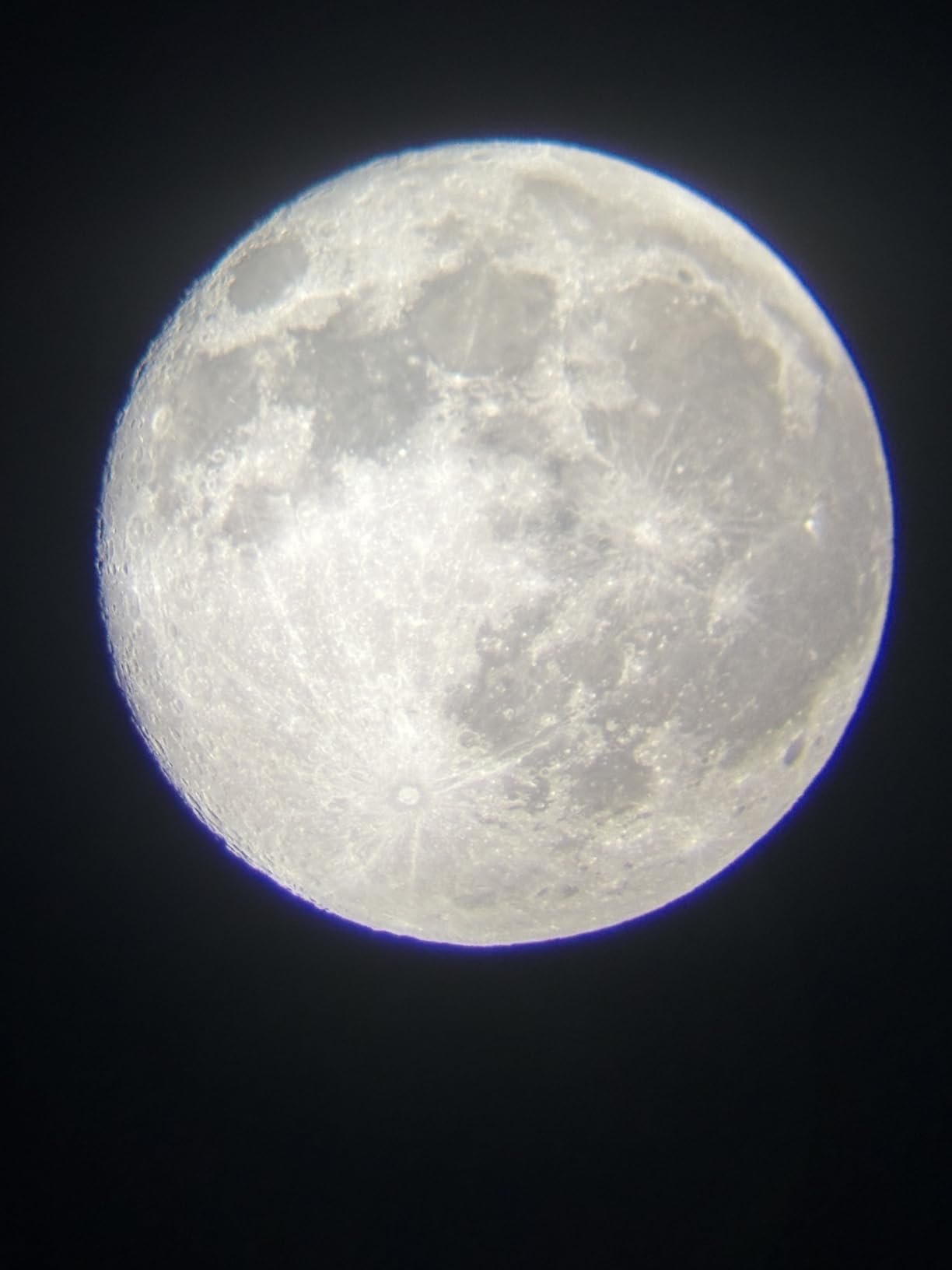
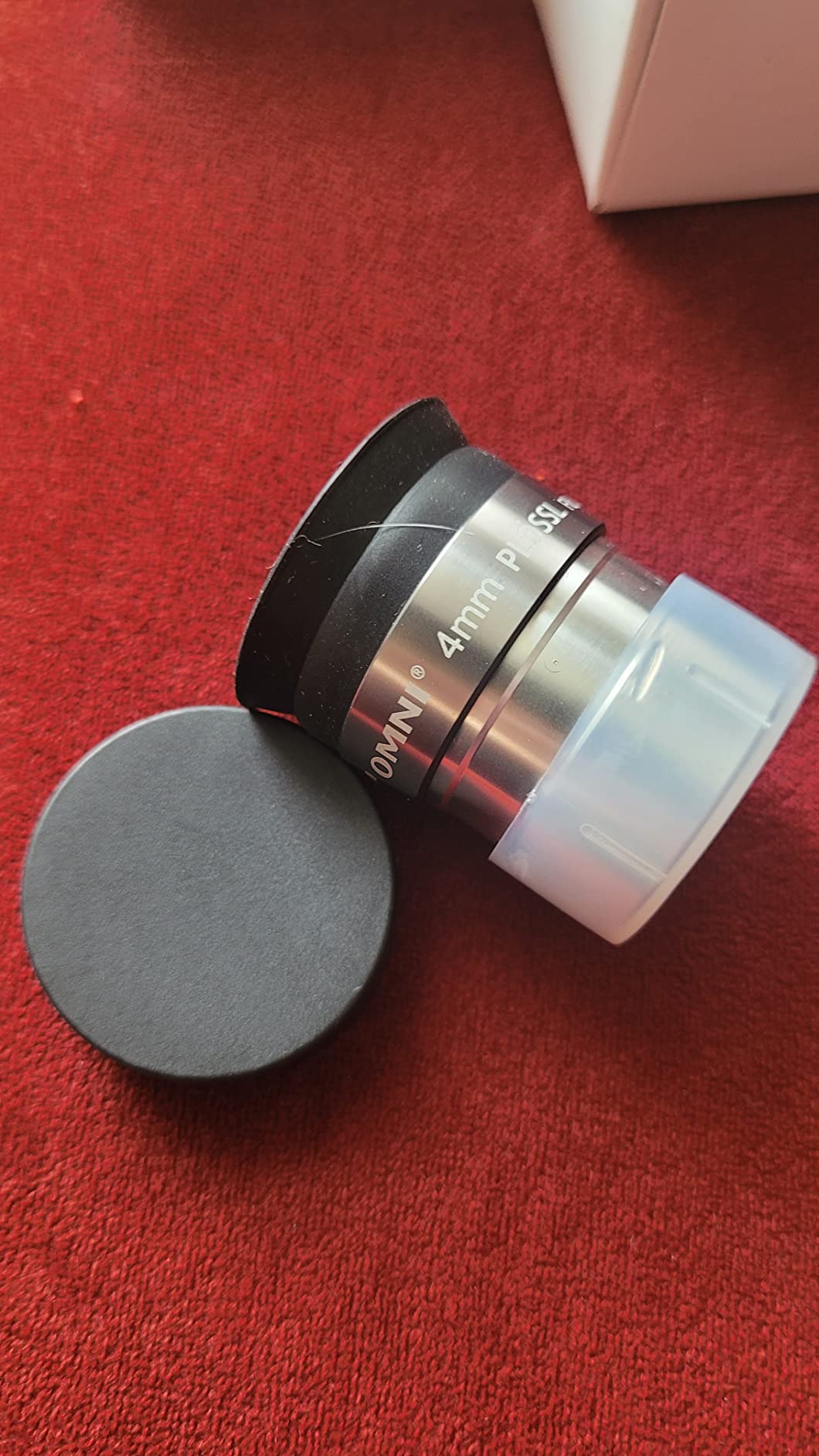
There is a reason the 4-element Plossl design has survived for a century. It has no exotic glass and no complicated assembly, and that simplicity produces a small, honest image with real contrast. At 4mm this Celestron is the tool I reach for when I want a repeatable, sharp view of the lunar terminator.
In a 130mm f/5 Newtonian at 650mm, it gives 162x. That is right in the range where the Cassini Division becomes a continuous dark line rather than a suggestion, and owner reviews describe exactly that kind of step up from the supplied eyepieces.
Build details are more serious than the price suggests. The barrel is matte aluminium with blackened lens edges to suppress internal reflections, and the rubber eyecups can be raised for contrast or folded down, which is the feature that makes it workable with glasses at short eye relief.
The 1.25 inch barrel is threaded for standard astronomy filters, so a moon filter or a colour filter threads straight on. At 1.76 ounces it is one of the lightest options here, and it carries Celestron’s two-year US warranty.
Who this eyepiece suits
It suits owners of 130mm class Newtonians and small refractors who want one dependable high-power eyepiece with no moving parts. Fixed focal length also means you can mark the focuser position once and know exactly what you are looking at every session.
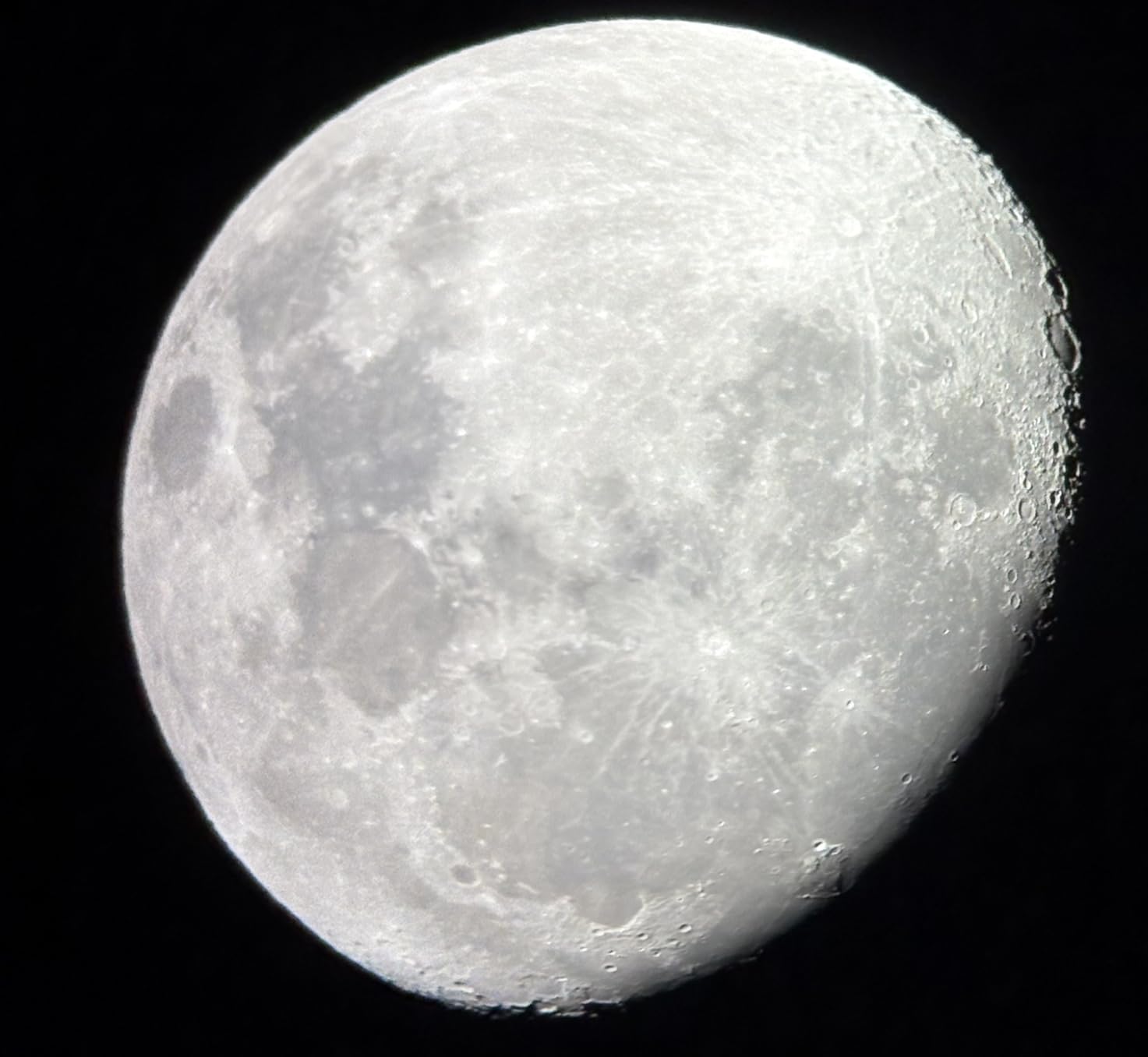
It suits lunar observers particularly well. The Moon rewards sharp, contrasty, high-power views more than most targets, and a good Plossl on a well-collimated Newtonian shows craters along the terminator that cheap wide-field designs smear away.
Who should skip it
Skip it if magnification range flexibility matters to you. A fixed 4mm gives you one power, and on a scope shorter than about 500mm it will not even reach the magnification you need for a planet. Anyone who will move between scopes should look at a zoom instead.
The narrow field is the other limit. A narrow field at high power means more time spent re-centring as the planet drifts, particularly with a Dobsonian or an undamped mount. Glasses wearers should also test it first, since the short eye relief is inherent to the design.
5. Celestron X-Cel LX 5mm Eyepiece – Six Elements for Sharper Planets
Celestron X-Cel LX 5mm Eyepiece for Telescopes – High-Power Planet Views
5mm focal length
60 degree AFOV
6-element multi-coated
7.2 oz
Pros
- Six-element design gives brighter sharper images than entry-level glass
- 60 degree field balances cost and convenience
- Good eye relief for a short focal length
- Solid build with twist-up eyeguards and a rubber grip
Cons
- Heaviest eyepiece in the group at 7.2 oz can upset balance on light mounts
- Very sensitive to collimation and focus at high power
- Some eyepieces turned up with bubbles or debris between elements
The X-Cel LX is the design the wider observing community keeps naming as the best-value planetary upgrade, and the 5mm version is the one to buy. The six-element fully multi-coated lens system produces a visibly brighter, more detailed image on Jupiter than entry-level eyepieces at the same power, and the difference is contrast rather than resolution.
Reviewers report brighter views of Jupiter’s bands, Saturn’s rings and lunar craters, and specifically praise the 60 degree field as a sensible compromise against 80-plus degree designs that cost much more. That compromise is the whole point. A narrower field is cheaper to correct optically, and planets do not need width.
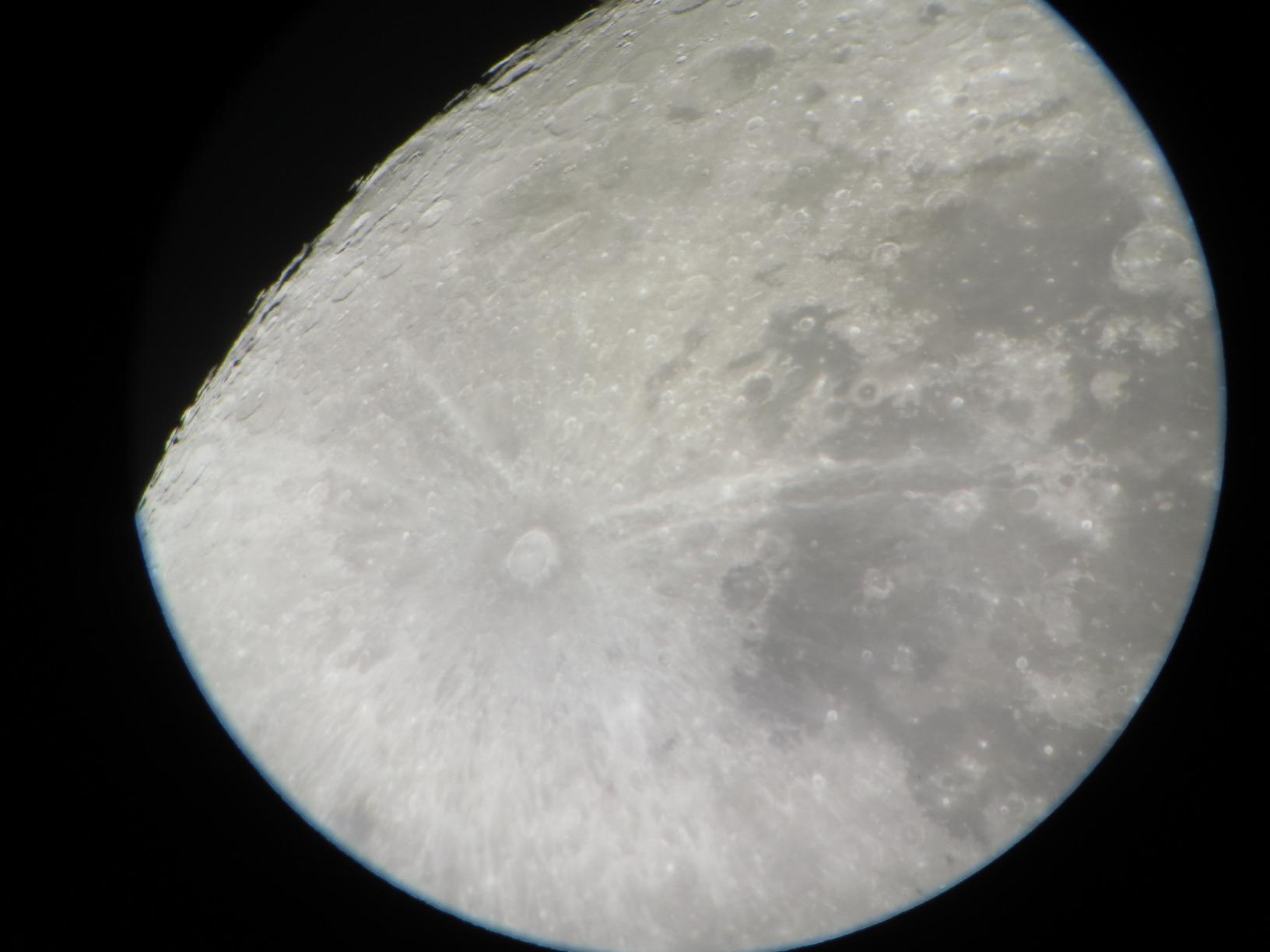
The ergonomics are genuinely good. The pop-up rubber eyeguards raise and lower with a twist, blocking stray side light that would otherwise wash out a faint planet, and there is a threaded rubber grip for a secure hold even with gloves on a cold night.
At 5mm this sits in the sweet spot for a 1000mm to 1200mm scope, giving 200x to 240x. The 1.25 inch barrel is threaded for filters, the dimensions are compact at 1.75 by 4 by 1.75 inches, and Celestron backs it with a two-year US warranty.
Who this eyepiece suits
It suits anyone who has already got a decent scope and has outgrown the supplied eyepieces. If your telescope is collimated well and the seeing is steady, this is where you will see the most improvement per unit of spending, because contrast scales directly with how much light the design gathers cleanly.
It also suits observers who use colour filters. The threaded barrel and higher light throughput make planetary colour filters and moon filters more effective, since you are not fighting a dim, hazy image underneath the filter.
Who should skip it
Skip it on a light mount. At 7.2 ounces it is the heaviest eyepiece in this group, and putting that much mass on the front end of a small tripod is a real balance problem rather than a theoretical one. Check that your mount can carry the load before committing.
At high power this eyepiece is unforgiving. Owners report that the image is very sensitive to collimation and to focus, so an out-of-collimation Newtonian will show it immediately as soft, and a few units have turned up with bubbles or debris between the lens elements. Inspect it as soon as it reaches you.
6. Starboosa 1.25 Inch Eyepiece Kit – Three Focal Lengths and a 5x Barlow
Starboosa 1.25-Inch Telescope Eyepiece Set with Barlow and Filters
4mm 10mm and 20mm
5x Barlow
Four filters included
1.25 inch
Pros
- Three eyepieces a Barlow and four filters in one package
- 4mm gives real high-power planetary detail
- Multi-coated glass with good chromatic correction for a kit
- Filters measurably improve Moon and planet contrast
Cons
- Bundle optics fall short of any single dedicated eyepiece
- 20mm is of limited use for planetary work
- Listed focal length details are inconsistent between listings
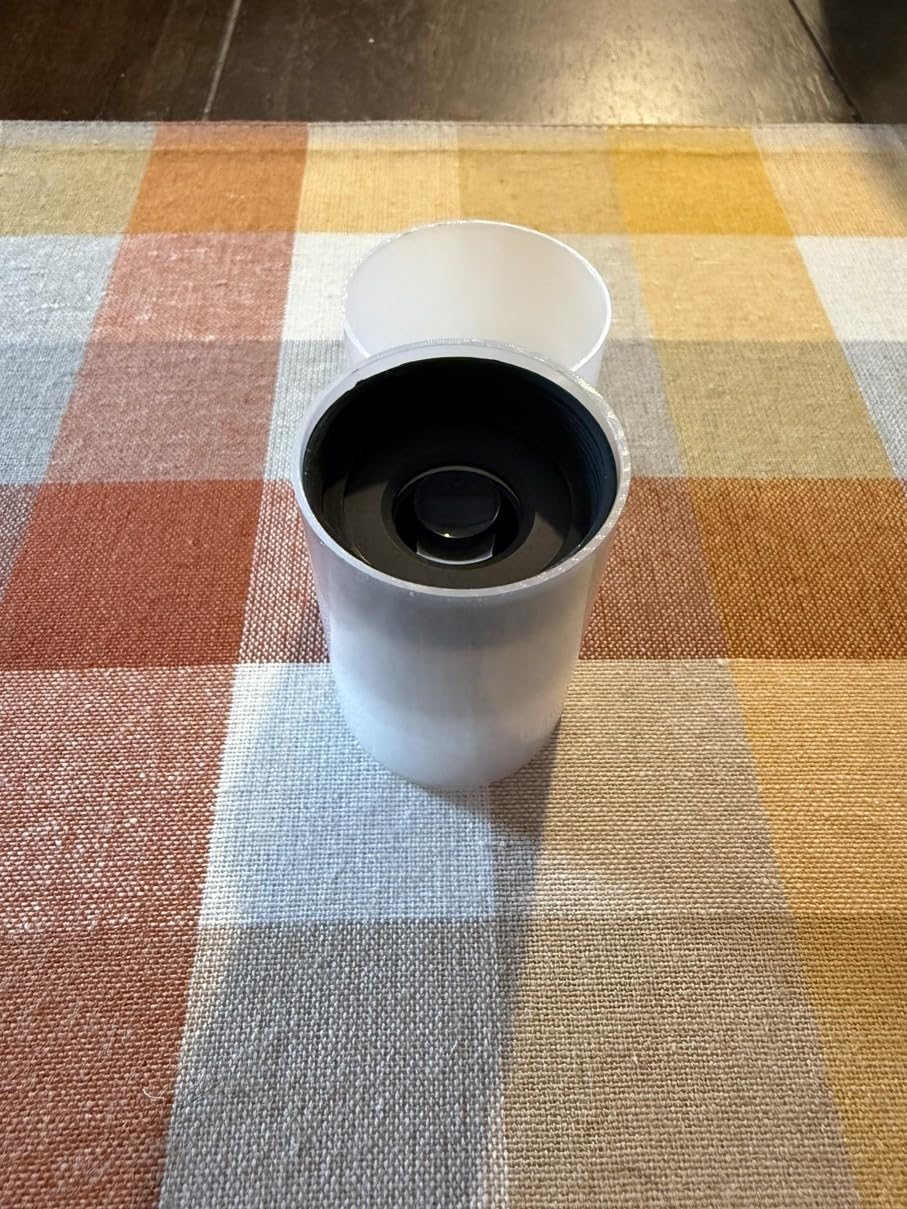
Kits are usually a false economy, with one exception: when the pieces genuinely complete each other. This one does. You get 4mm, 10mm and 20mm eyepieces, a 5x Barlow and four filters, which covers low power, mid power and very high power without any further spending.
The 4mm is the reason to buy this. It delivers the high-power planetary detail that separates a bundle from a box of spare eyepieces, and owners report good contrast and colour on the Moon and planets. For a beginner who wants one purchase rather than a shopping list, that convenience is worth something real.
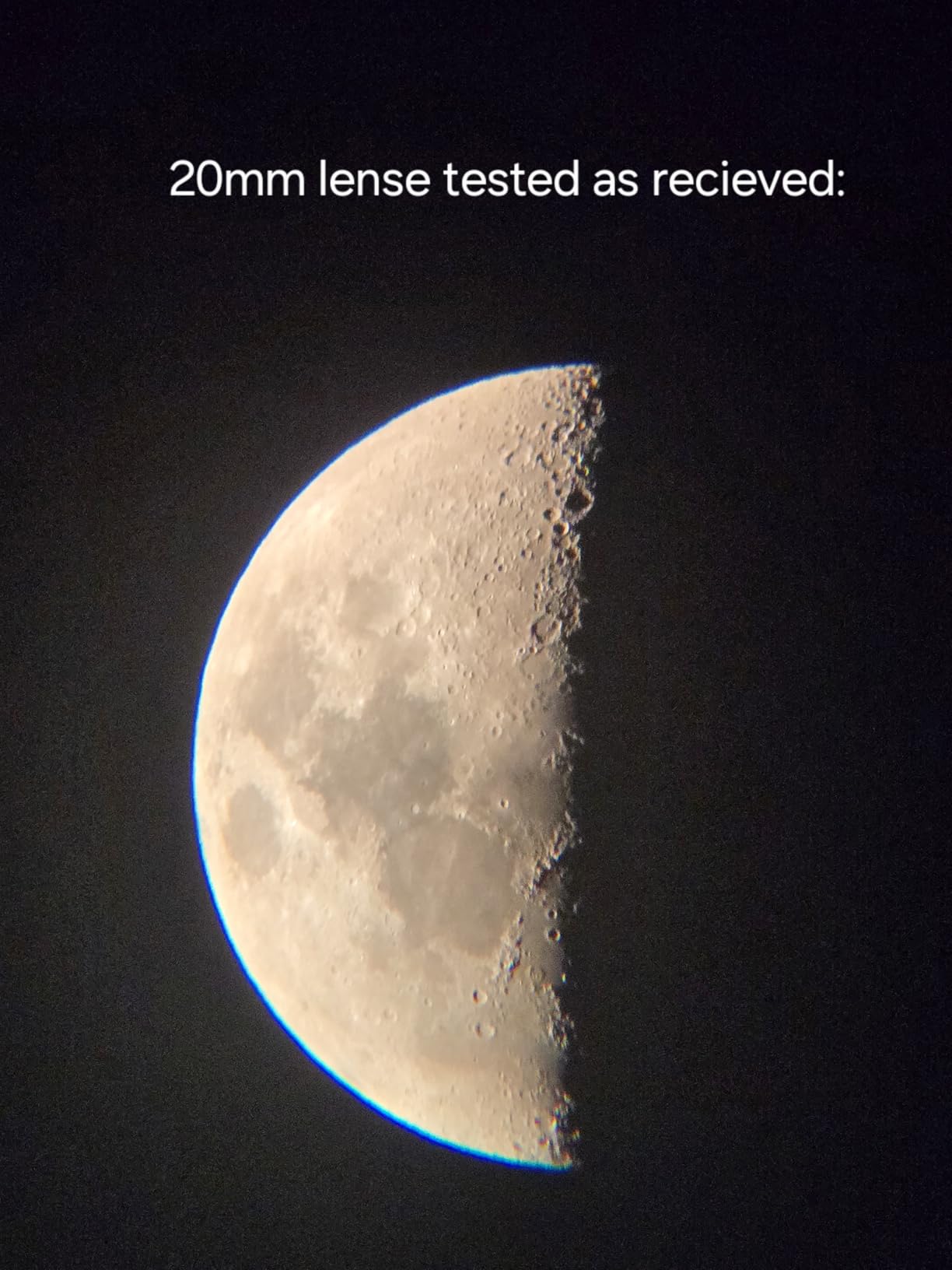
The filters are a smaller surprise than they sound. Two moon filters and two polarizing filters are included, and moon filters genuinely help on a bright gibbous Moon by cutting glare and raising contrast on craters. The soft eyecups block ambient light and make longer sessions more comfortable.
All three eyepieces are 1.25 inch, and the multi-coated glass gives what owner descriptions call a flat image plane with minimal distortion, which is decent for kit-level optics. The whole package is 5 by 4 by 5 inches and carries a one-year warranty.
Who this eyepiece kit suits
It suits beginners and anyone who wants a complete first upgrade in one transaction. New scopes routinely ship with two plastic eyepieces, and this replaces that with a usable focal length range plus filters, which is the difference between seeing Saturn’s rings as a hint and seeing them as rings.
It also suits owners of short-focal-length refractors who want to reach high power without another barrel. The 20mm paired with the 5x Barlow gives serious magnification on a small scope, which is useful for lunar detail and double stars.
Who should skip it
Skip it if you already own a decent 4mm or 5mm. Bundle optics rarely match a single dedicated eyepiece, and the 4mm here will be the weakest optical link, so you would be buying the same focal length twice. Pick one barrel and make it a good one.
Also note that the 20mm is of limited use for planetary work, so the real planetary content here is one eyepiece plus a Barlow. And the listing details conflict on focal lengths, so confirm what is actually in the box before relying on a specific figure.
7. Astromania 5mm 58 Degree Planetary Eyepiece – Traditional Design, Generous Eye Relief
Astromania Telescope Eyepiece 5mm, Wide Angle 58° Planetary Eyepiece 1.25″
5mm focal length
58 degree AFOV
16mm eye relief
9.93 g
Pros
- 16mm eye relief is rare at such a short focal length
- 58 degree field shows sharp pinpoint stars edge to edge
- Lightweight at 9.93 g
- Foldable rubber eyecup and rotatable barrel
Cons
- Inconsistent quality control with flaking coatings and loose elements
- Field stop is not perfectly flat edge to edge
- Highly sensitive to collimation at high magnification
This is the traditional planetary design, and it does what that design does better than almost anything modern: it gives you eye relief. At 5mm most designs hand you 8mm or less. This one gives 16mm, and owners specifically single that out as comfortable with glasses, which is exactly the failure point of the cheap short-focal-length alternatives.
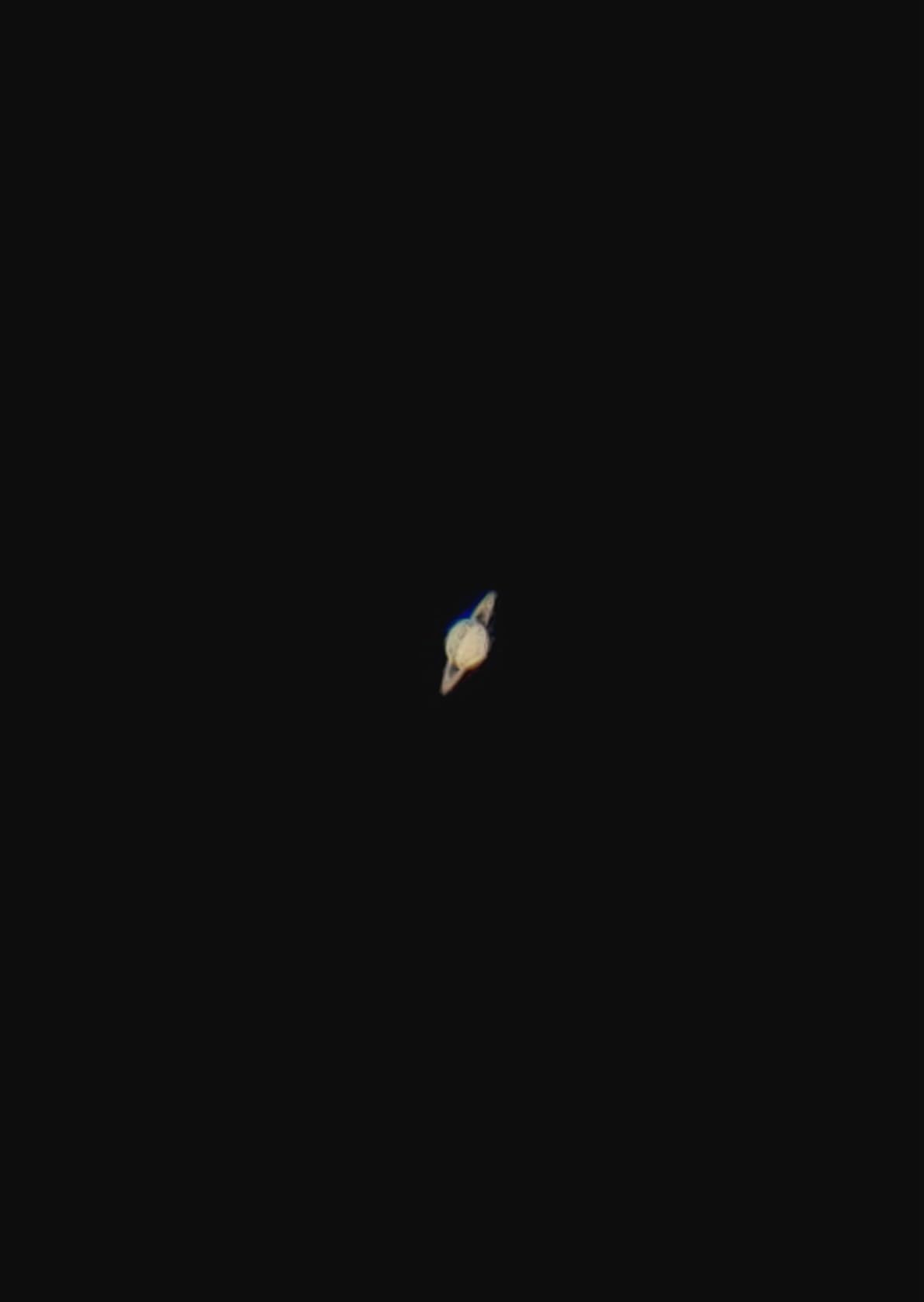
Optically it is a five-element, three-group design, fully multi-coated to reduce lateral chromatic aberration, and reviewers report sharp, high-contrast images of Jupiter’s bands, the storm eye and Saturn’s rings. Many owners compare it favourably to Celestron X-Cel LX eyepieces at roughly half the cost.
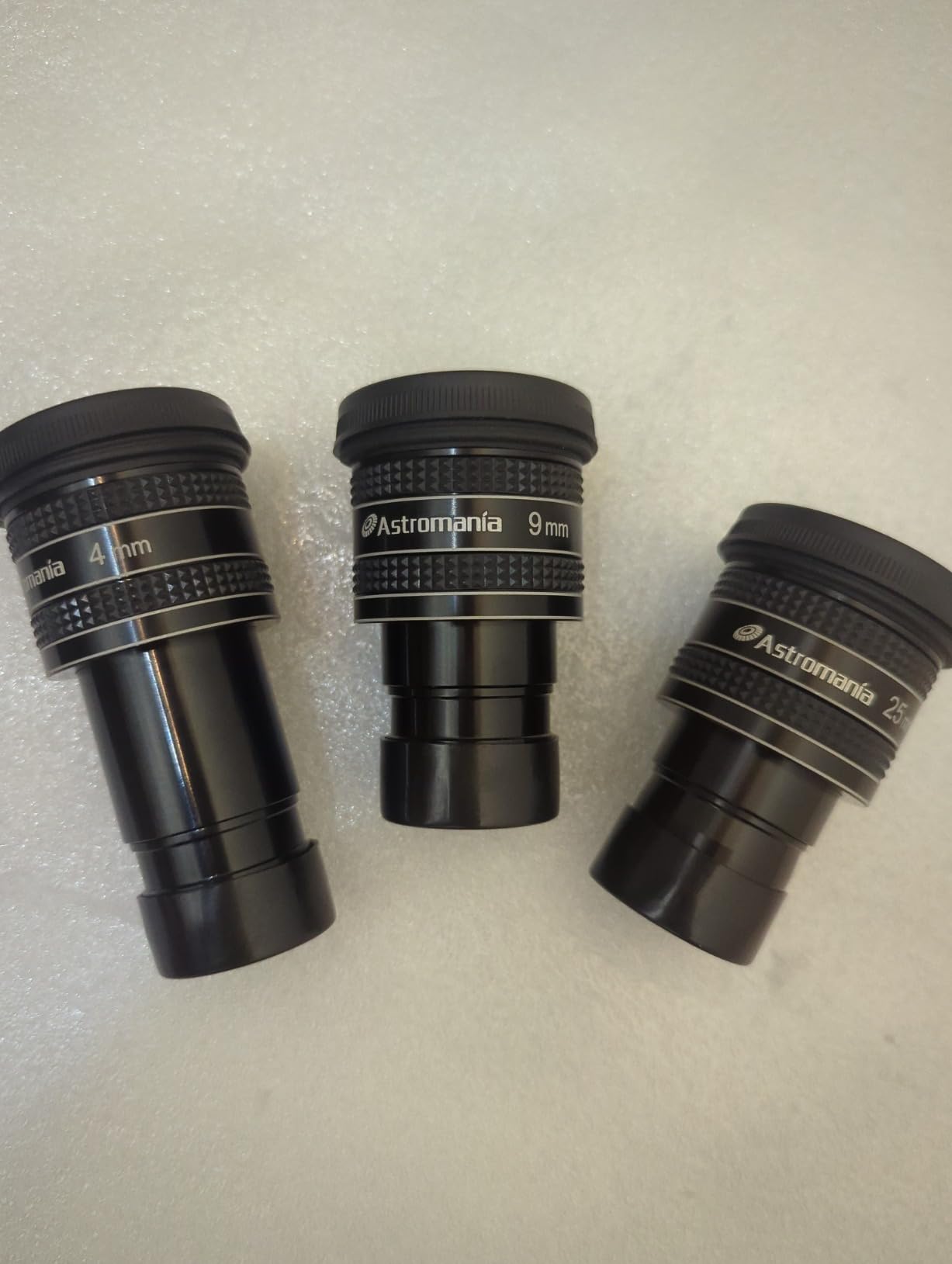
The 58 degree field is wide enough to find a planet without constant re-centring, and owners report a sharp field stop with pinpoint stars from edge to edge. That combination of relief, field and weight, under 10 grams, is hard to find anywhere else at this focal length.
The barrel is standard 1.25 inch with a female filter thread, the eyecup folds down to block stray side light, and the barrel rotates, which helps when your focuser clearance is tight. The body is precision-machined aluminium with blackened lens edges.
Who this eyepiece suits
It suits glasses wearers who need short focal length for planets. That is a small group, but they are usually the people most frustrated by the rest of the short-focal-length market, and 16mm of eye relief is the number that solves the problem for them.
It also suits anyone with a very short or very fast telescope where balance and weight matter. At 9.93 g it is effectively free on the front end, and the 58 degree field is wide enough to make high-power tracking on a lightweight mount practical.
Who should skip it
Skip it if quality control matters to you. Owners report flaking coatings, loose internal elements and debris between lenses out of the box, and the field stop is not perfectly flat edge to edge, which shows up on defocused objects. Check the unit before you rely on it at high power.
Because it is very short, it passes little light, so faint targets are hard to see and the view dims noticeably at the top of its magnification range. It is also highly sensitive to collimation, so a Newtonian that needs adjusting will frustrate you here.
8. SVBONY 6mm 68 Degree Eyepiece – Widest Field for Fast Target Acquisition
SVBONY Telescope Eyepiece, 6mm Focal Length 68 Degree Ultra Wide Angle Lens
6mm focal length
68 degree AFOV
17mm eye distance
Fully multi-coated
Pros
- 68 degree field makes finding and centring planets easy
- 17mm eye distance suits eyeglass wearers
- Fully multi-coated optics with blackened inner tube
- All-metal body with rubber grip ring
Cons
- Wider and heavier than most eyepieces at this focal length
- Some softness toward the edge of the field
- Low light throughput on faint targets
The logic here is simple. At 6mm you are already working high, and at high power the field is narrow, which makes everything harder. This eyepiece solves that with a 68 degree apparent field, and it is the easiest of the eight to actually point at a moving target and hold it steady.
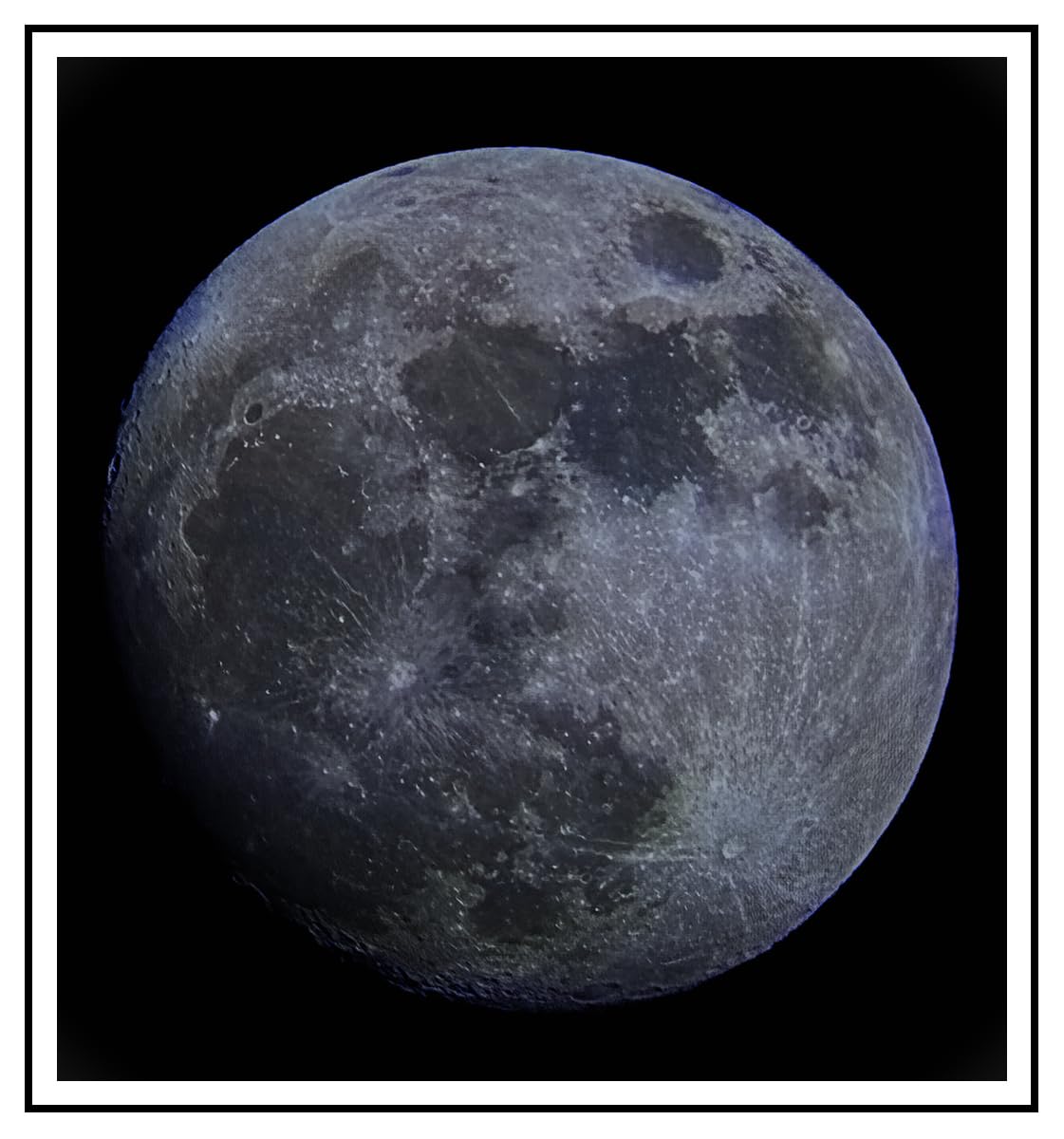
Reviewers highlight exactly that combination, a genuinely wide field paired with a high-power focal length, as the reason the Moon, Jupiter’s belts and Saturn’s rings are easy to both locate and inspect. On a Dobsonian or a mount with slow tracking, that practical ease matters more than a subtle optical difference.
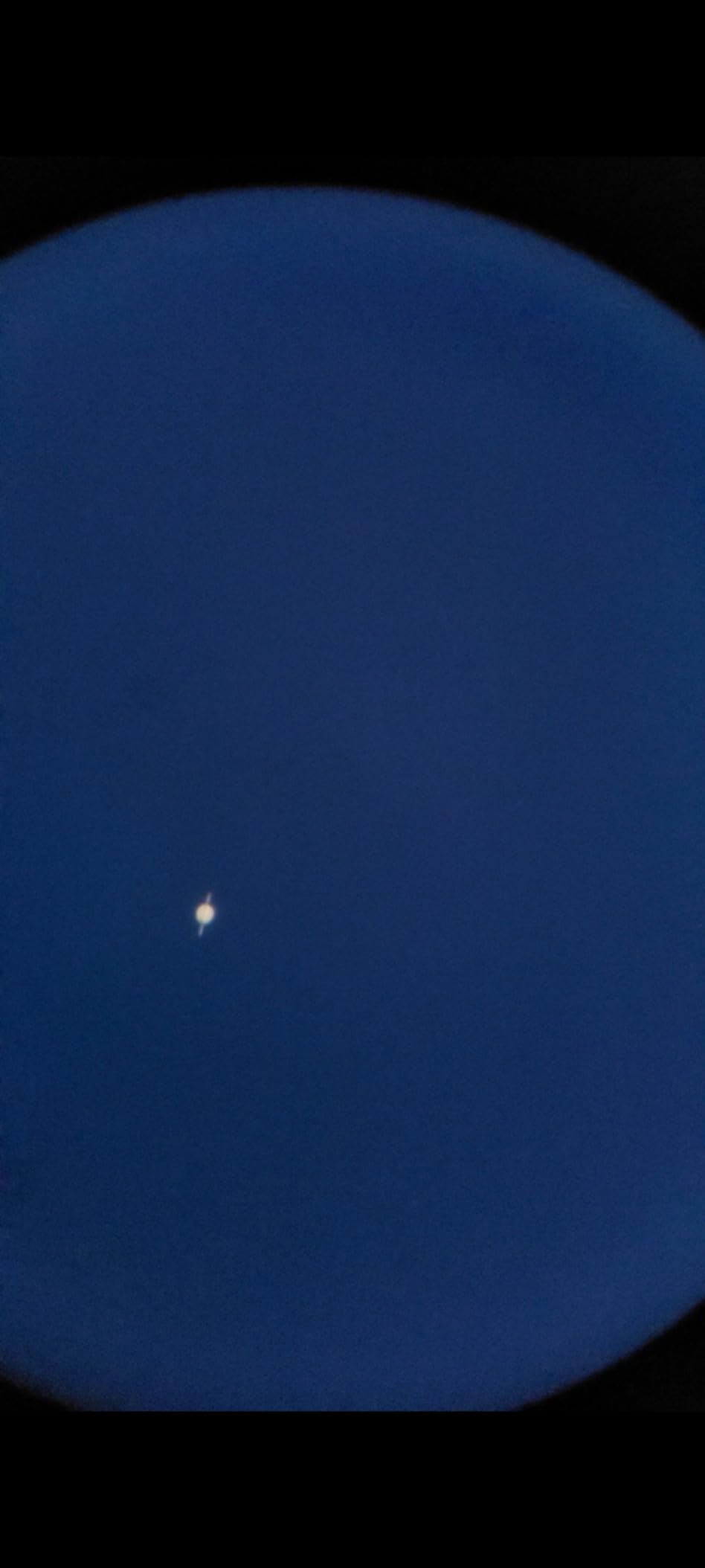
The optics are fully multi-coated with a blackened inner tube to reduce internal reflection, and owners report clear, bright images with good contrast. The 17mm eye distance is unusual for a 6mm eyepiece and is the reason glasses wearers find it comfortable.
Construction is all metal with a rubber grip ring and a folding eyecup, and two dust covers are included. The barrel is standard 1.25 inch, works with 1.25 inch Barlows, and uses an M26.5×0.6 thread for standard filter adapters.
Who this eyepiece suits
It suits observers on undamped or lightly damped mounts, and anyone who finds high-power viewing frustrating. If you spend more time hunting the planet than looking at it, a wider field solves the problem immediately. It also works as a general wide-field high-power option across the solar system.
Glasses wearers will find the 17mm eye distance a real advantage, and the wide field means a short exit pupil is not being asked to do too much work at the edge of the view.
Who should skip it
Skip it if you chase razor-sharp, flat fields. Reviewers report some softness toward the edge under demanding conditions, and at 5.6 ounces with a wide barrel it is bulkier than most eyepieces at this focal length, which matters if focuser clearance is tight on a small scope.
At the extremes of its magnification range the light level drops, so it is not the tool for faint deep-sky objects. If your priority is maximum contrast on Jupiter rather than easy target acquisition, a narrower design such as a classic Plossl will serve you better.
How to Choose Eyepieces for Planets
Magnification is the number everyone starts with, and it is the one most often used wrongly. The formula is simple: magnification equals the telescope’s focal length in millimetres divided by the eyepiece’s focal length in millimetres.
A 9mm eyepiece in a 1200mm scope gives about 133x. A 4mm in a 650mm scope gives 162x. Once you can do that division in your head, every eyepiece on this page sorts itself into a band.
There is a ceiling, and it is the atmosphere rather than your glass. The traditional rule of thumb is about 2x magnification per millimetre of aperture, which puts 260x on a 130mm scope.
In practice, most nights the seeing caps you nearer 170x, and past roughly 200x you are magnifying shimmer rather than surface detail. Nobody blames the eyepiece for that, so do not either.
Different planets want different power, and this is the part most roundups skip. Saturn’s rings become obvious at about 60x to 100x, and the Cassini Division needs 100x to 150x to read as a continuous dark gap.
Jupiter’s belts start separating around 120x and look genuinely detailed by 180x. Mars surface markings, the hardest target of all, want 200x to 250x. A good set gives you a 4mm and a 10mm, which covers every one of those bands on a common beginner scope.
Apparent field of view is how wide the view looks from your eye, and true field is how much sky you actually see. True field equals apparent field multiplied by the eyepiece’s focal length, divided by the telescope’s focal length.
For planets, treat apparent field as a usability number rather than a bragging number. A 50 to 70 degree field is plenty, and narrow designs cost less to correct.
Exit pupil is the other variable people miss. It is the diameter of the light cone at your eye, and at high planetary power it gets very small, which is why planets look bright and high contrast while deep-sky objects fade.
Tiny exit pupils are the point, but observers with eye floaters can find that sub-millimetre pupils introduce distracting shadows. For them a longer focal length is often the better answer.
Eye relief deserves its own rule. Fifteen millimetres is the practical minimum, and 17 to 20mm is better, particularly if you wear glasses. Short-focal-length Plossls are the usual offenders, and the fix is a design that was built with eye relief as a goal rather than one that inherited it.
Two designs here, the Astromania 5mm at 16mm and the SVBONY 6mm at 17mm, are the ones to shortlist if that spec matters to you.
Barrel size is a simpler decision than most people fear. 1.25 inch covers 4mm to 25mm at sensible cost, which is the entire planetary range, so it is the right choice for planet work.
2 inch eyepieces matter for wide-field deep-sky and for getting very low power, and there is no cheap 2 inch eyepiece below about 10mm. Every eyepiece in this roundup is 1.25 inch, so any telescope with a 1.25 inch adapter will take all of them.
Do eyepieces work with any telescope? Effectively yes, as long as the barrel matches. A 1.25 inch eyepiece fits any telescope or spotting scope that accepts 1.25 inch eyepieces, and a 2 inch to 1.25 inch adapter covers scopes with only a 2 inch focuser. Check the focuser’s stated size before you order, and pick a focal length that matches the scope you actually own.
A Barlow lens is another way to reach high power, and the trade is worth understanding. A 2x Barlow on a 6mm eyepiece gets you the same magnification as a 3mm, but you still have the field stop and eye relief of the 6mm. One Barlow plus two eyepieces therefore covers three powers. If your only goal is more magnification on a planet, a shorter eyepiece is simpler and cleaner.
Filters matter more than most buyers expect. A moon filter cuts glare on a bright Moon and lifts crater contrast noticeably.
Colour filters for Mars, usually red or orange, raise contrast on the surface markings, because they darken the surrounding terrain more than the feature you are looking at. Both are cheap and both change what the eyepiece can show you.
Finally, what to avoid. A 32mm Plossl is a superb low-power eyepiece and useless on Jupiter, because you simply cannot get to the magnification. Ultra-wide 82 to 100 degree designs are the other trap: at high power their fast outer elements soften the planet and reduce the contrast you were paying for.
Several community threads make the same point, that an average short Plossl beats a wide-field eyepiece on planetary detail. Buy narrow and buy well.
Frequently Asked Questions
What is the best eyepiece for viewing planets?
A 7mm or 9mm eyepiece is the best general answer. In a 900mm to 1200mm telescope it delivers roughly 100x to 170x, which resolves Saturn’s Cassini Division and Jupiter’s cloud belts. A 4mm or 5mm covers Mars and lunar detail, and a 2x Barlow reaches the same range from a longer eyepiece.
What eyepiece is best for Saturn?
For Saturn’s rings, around 60x to 100x is enough, and the Cassini Division needs 100x to 150x. A 9mm in a 1200mm scope gives about 133x, and a 6mm to 8mm covers the same band in shorter scopes. A narrow field and high contrast matter more here than a wide field.
What is the best eyepiece to view Jupiter with?
Jupiter’s belts start separating near 120x and look detailed around 180x, so a 6mm to 9mm eyepiece in a 1000mm to 1200mm scope is the right range. Choose a design with 15mm or more of eye relief and 50 to 70 degrees of field, and add a red or orange colour filter for the Great Red Spot.
Are Plossl eyepieces any good?
Yes. The classic 4-element Plossl is one of the strongest planetary designs, because its small, simple assembly produces real contrast without expensive glass. A 4mm or 6mm Plossl is what many experienced observers reach for. The weakness is short eye relief, which matters most if you wear glasses.
What magnification do I need to see Saturn’s rings?
Saturn’s rings become obvious at roughly 60x to 100x, and the Cassini Division needs about 100x to 150x to appear as a continuous dark gap. On a 1200mm telescope that means an 8mm to 12mm eyepiece. Aim for 200x and the view becomes harder to hold than it is bright.
Is a Barlow lens good for planets?
Yes. A 2x Barlow on a 6mm or 7mm eyepiece reaches planetary power while keeping the wider field and longer eye relief of the base eyepiece. One Barlow plus two eyepieces covers three powers instead of three separate barrels. Keep in mind that magnification above roughly 200x is usually limited by the atmosphere, not by your optics.
Why does my telescope get blurry at high power?
High power amplifies every error equally. First check collimation, then the focuser, then your eyes, and finally the seeing. If the image boils from second to second, the atmosphere is the limit and no eyepiece will fix it. If a Barlow or a zoom is responsible, try a fixed focal length before blaming the telescope.
Do eyepieces work with any telescope?
Yes, as long as the barrel diameter matches. A 1.25 inch eyepiece fits any telescope or spotting scope that accepts 1.25 inch eyepieces, and a 2 inch to 1.25 inch adapter covers scopes with only a 2 inch focuser. Check the focuser diameter before you order, and note that magnification still depends on the telescope’s focal length.
Best Telescope Eyepieces for Planets: The Final Word
If you buy one thing, make it the Celestron 8-24mm zoom. It covers 50x to 150x on a 1200mm scope in a single barrel, it is kind to eyeglass wearers, and it is the pick I keep recommending to anyone who does not want to think about focal length arithmetic.
Buy the SVBONY SV135 if contrast on a moderate night matters more to you than the ability to dial in an exact focal length. Buy the 4mm Plossl or the Astromania 5mm if you need one fixed high-power eyepiece and nothing else, and pick the Astromania specifically if you wear glasses. Avoid ultra-wide 82 to 100 degree designs for planets, and remember that above roughly 200x the atmosphere, not the eyepiece, sets the ceiling.
Whichever you choose, check your scope’s focal length first and run the division above. That one calculation tells you exactly what each of these eyepieces will give you, and it is the fastest route to the best telescope eyepieces for planetary viewing that actually suits your setup.