
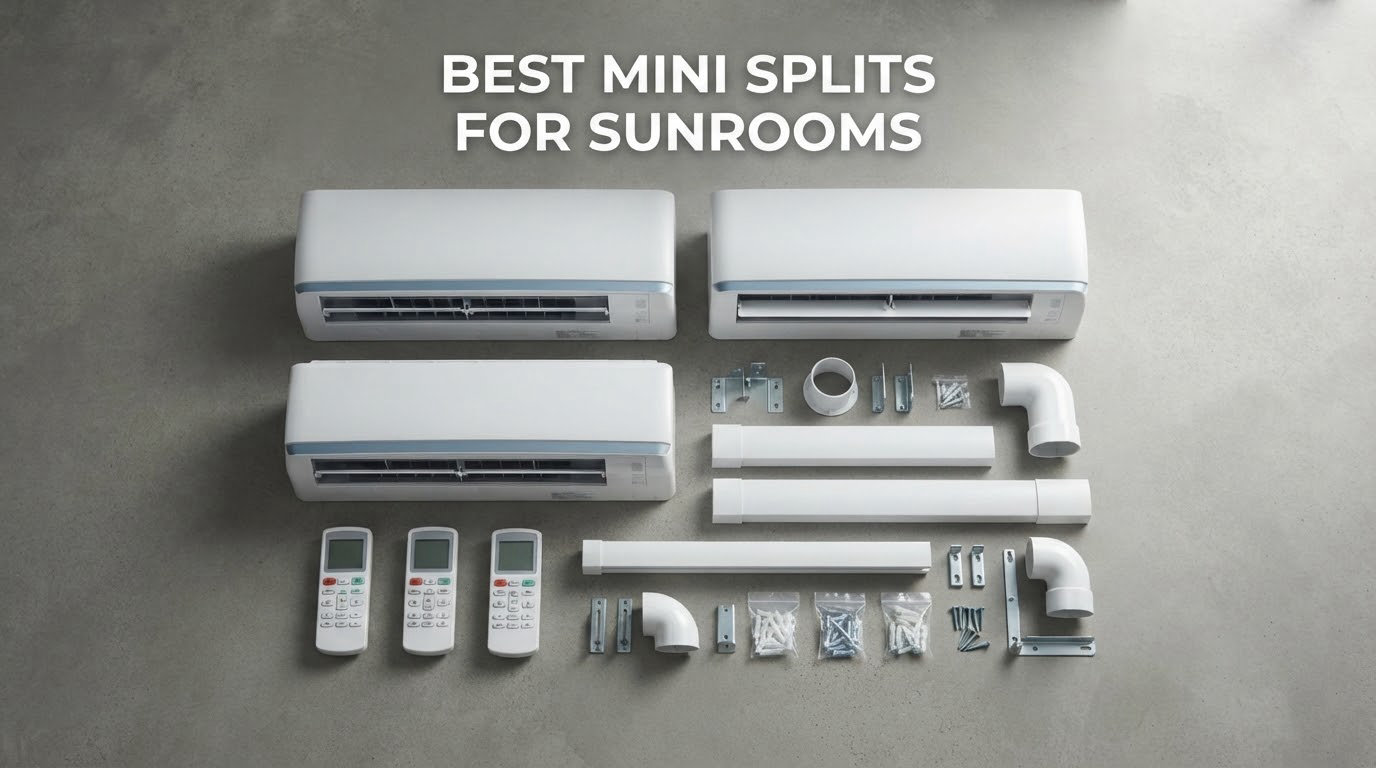
Yes, you can put a mini split in a sunroom, and in most glass rooms it is the only piece of equipment that can hold a temperature. The catch is sizing. Single-pane glass carries an R-value near 1.0 while the insulated wall beside it sits between R-13 and R-21, so heat moves through the glazing in both directions and the standard 20 BTU per square foot rule leaves a sunroom badly under-capacity in the afternoon.
That is why I ranked the best mini splits for sunrooms by glass area and sun exposure instead of floor area alone. The eight systems below span 9,000 to 18,000 BTU across both 115V and 230V power, and I compared them on capacity, low-temperature heating floor, electrical demand, install method, and the complaints owners actually report.
Table of Contents
Top 3 Best Mini Splits for Sunrooms in 2026
Best Mini Splits for Sunrooms Compared in 2026
| Product | Specifications | Action |
|---|---|---|
 Senville LETO 12000 BTU Senville LETO 12000 BTU |
|
Check Latest Price |
 COSTWAY 12000 BTU 115V COSTWAY 12000 BTU 115V |
|
Check Latest Price |
 Della Vario 18000 BTU 21 SEER2 Della Vario 18000 BTU 21 SEER2 |
|
Check Latest Price |
 ROVSUN 9000 BTU WiFi ROVSUN 9000 BTU WiFi |
|
Check Latest Price |
 YITAHOME 18000 BTU 19 SEER2 YITAHOME 18000 BTU 19 SEER2 |
|
Check Latest Price |
 Cooper and Hunter 18000 BTU Cooper and Hunter 18000 BTU |
|
Check Latest Price |
 Mountman 9000 BTU 120V Mountman 9000 BTU 120V |
|
Check Latest Price |
 Rellytech 18000 BTU 21 SEER2 Rellytech 18000 BTU 21 SEER2 |
|
Check Latest Price |
1. Senville LETO 12000 BTU – Best Overall for a Wired Sunroom
Senville LETO Mini Split Air Conditioner, Heat Pump, White, 12000 BTU
12000 BTU
1 ton
110V
20.8 SEER
28 dB
Heat pump to 5F
Pros
- Largest review base in this group
- Alexa and app routines
- 4-in-1 cooling heat dehumidify fan
- 16 ft pre-loaded line set included
- UL listed DC inverter
Cons
- Heat pump mode weakens below about 5F
- Warranty covers parts but not labor
- 700 sq ft coverage claim is optimistic for glass
This is the unit I keep coming back to for a sunroom in the 150 to 220 sq ft range on 110V power. The LETO is a 12,000 BTU inverter heat pump with a rotary scroll compressor, 20.8 SEER, and a 28 dB indoor rating. A deep review history paired with 110V wiring is rare in this category, and it is why I put it first.
Owners describe it as quiet and uneventful, which for a wall-mounted head in a reading room or home office is the whole point. It runs cooling, heat pump, dry, fan, and turbo modes and holds a setpoint through a normal summer afternoon in a moderate climate.
The 16 ft line set comes pre-loaded with refrigerant, so the installer is not charging from scratch. It carries R-454B and a UL listed DC inverter compressor, and the high-wall head has a washable filter most people can clean themselves.
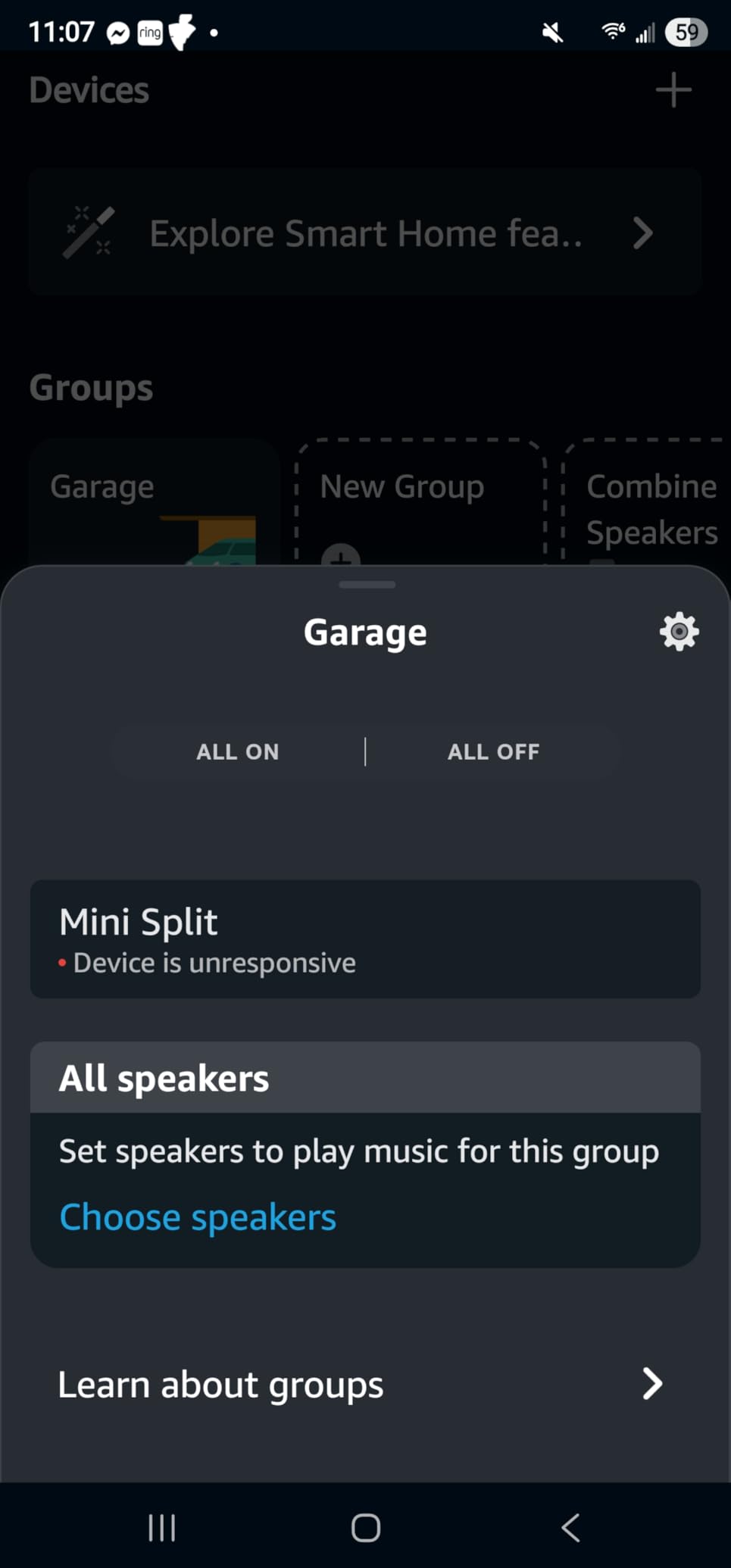
Smart control runs through Alexa and an app with programmable routines, so you can drop the setpoint before leaving rather than on the way out the door. My caution is the advertised coverage figure of up to 700 sq ft. For a sunroom I would read that as a heavily insulated, north-facing room and not a glass box.
Who the Senville LETO suits
A sunroom with existing electrical service on a standard 110V circuit and no appetite for a panel upgrade. A 150 sq ft south-facing glass room, a small north-facing breakfast area, or a converted porch that already has 120V and a nearby disconnect is the ideal case, and a 4.4-star average across more than two thousand reviews gives you a real sample size.
Where the LETO falls short
If the room faces west and sits above 250 sq ft, this is one size short, and the 5F heating floor is a real limit for a four-season office in a northern climate. The warranty also pays for parts, not the labor to remove a failed head, so budget for a service call in year three.
2. COSTWAY 12000 BTU 115V – Best Value for a Hot Sunroom
COSTWAY 12000BTU Mini Split Air Conditioner& Heater
12000 BTU
1 ton
115V
20 SEER
23 dB
Washable filter
Pros
- Quietest indoor rating in the group at 23 dB
- Strong cooling and dehumidification
- Five modes with iFEEL and turbo
- Self-clean cycle at 134.6F
- Washable dust filter
Cons
- Needs a dedicated 20 amp 120V circuit and a vacuum pump
- Remote documentation is thin
- Reports of sensor faults and a faint noise on heat
The COSTWAY is the pick when the room is small but genuinely hot and the budget is fixed. It is a 1-ton inverter heat pump on 115V with 20 SEER, 12,300 BTU of heating capacity, and a 23 dB indoor rating, the lowest number in this group. Owners call the cooling strong and the dehumidification effective in humid climates, which matters in a glass room.
Reviewers also report roughly halving their electricity use against the window systems they replaced. That is the quiet financial argument for a sunroom, since a window or portable AC in a glass box runs nearly continuously and a heat pump does not.
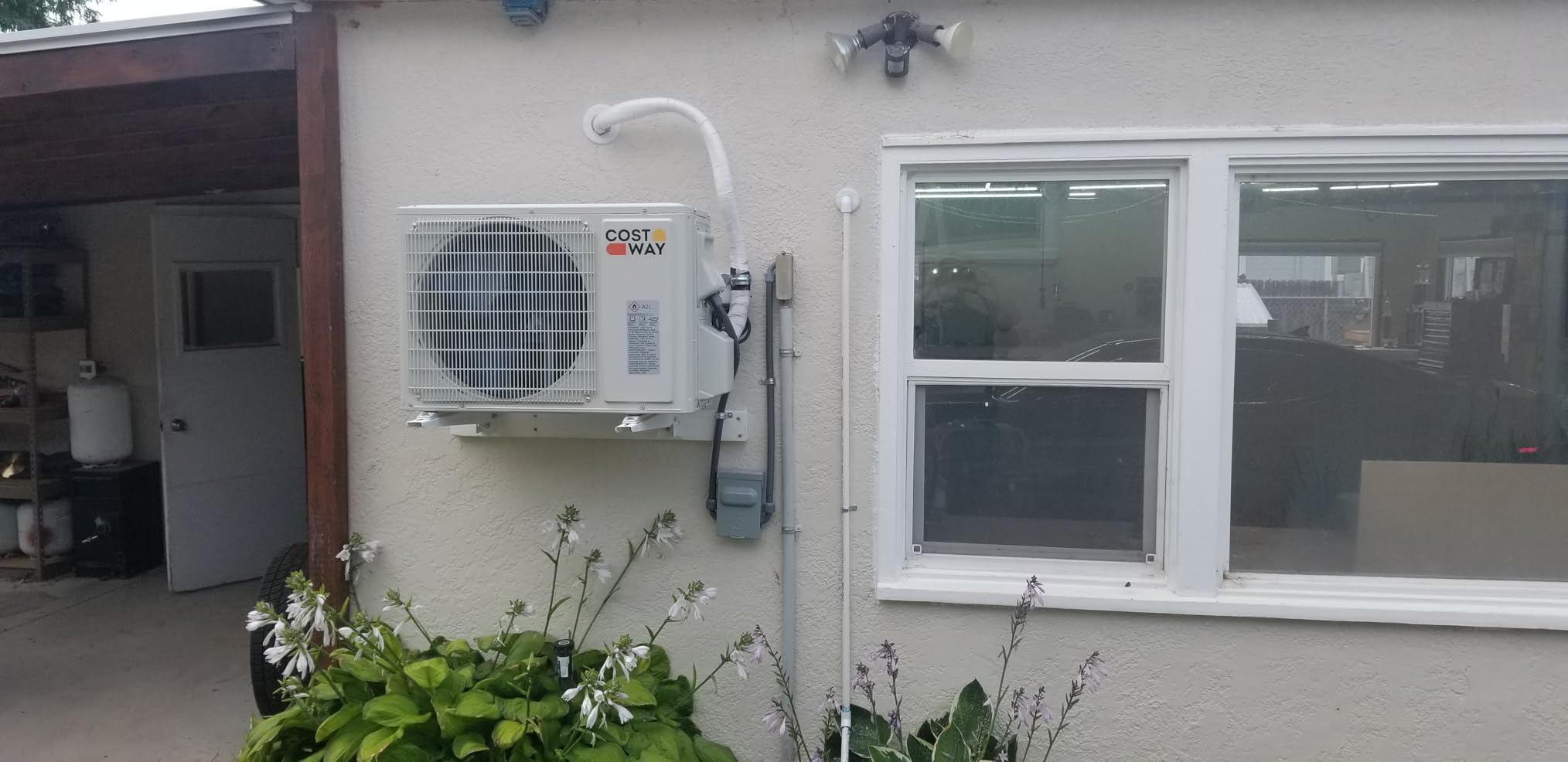
Five operating modes, four fan speeds, sleep, ECO, iFEEL, and turbo give you more control surface than most systems at this capacity. The self-clean cycle runs the coil up to 134.6F, and there is an outdoor auto-defrost. Parts coverage runs five years and the compressor eight.
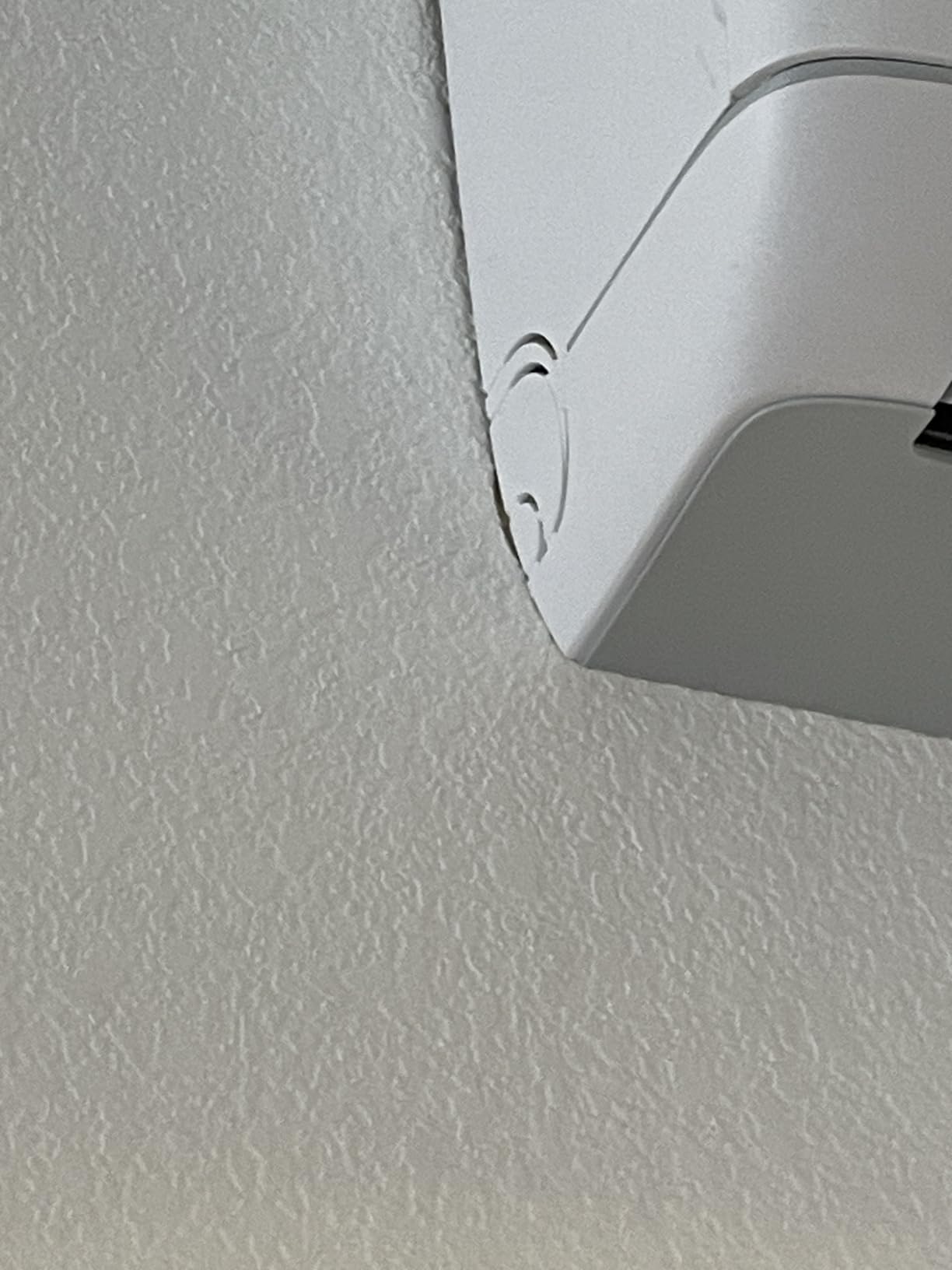
Two things to plan around. It needs a dedicated 20 amp 120V circuit and a vacuum pump to commission, so this is not a plug-and-play weekend for most people. The drilling template is also reported by a few buyers as slightly off, which can leave a visible gap around the wall pass-through.
Who the COSTWAY suits
A 120 to 180 sq ft sunroom that gets genuinely hot, on 120V service, where dehumidification matters as much as cooling. It also makes sense if you are shading the glass as part of the project, because lower solar gain plus 12,000 BTU of inverter capacity holds up better than the same system in an unshaded room.
Where the COSTWAY falls short
Do not buy it as a winter heating solution. No low-temperature heating floor is published, and reviews describe modest heat mode output with a faint helicopter-like noise on heat from a few owners. Documentation is the other weak point, with thin remote manuals and a small number of first-year sensor failures, though support replaced a damaged part quickly when it happened.
3. Della Vario 18000 BTU – Most Versatile for a Large Glass Room
DELLA Vario Series 18000 BTU Wifi Mini Split AC, Work with Alexa 21 SEER2 Cools Up to 1000 Sq.Ft, Energy Efficient 230V Ductless Inverter System with 1.5 Ton Pre-Charged Heat Pump & 16.4ft Kit
18000 BTU
1.5 ton
230V
21 SEER2
32 dBa
Heats to -4F
Pros
- 21 SEER2 inverter efficiency
- Heating operates down to -4F
- Covers up to 1000 sq ft
- Copper lines and drain pipe included
- Alexa and WiFi with 4D airflow
Cons
- Professional installation is mandatory
- Changing line set length requires refrigerant adjustment
- Wall head is large for an 18000 BTU system
When a sunroom is big enough that 12,000 BTU will not hold, the Della Vario is where I land. It is a 1.5-ton 230V DC inverter system rated at 18,000 BTU cooling and 19,000 BTU heating, with 21 SEER2 efficiency and coverage listed up to 1,000 sq ft. The claimed savings of up to 30% against non-inverter systems is the number I would quote on operating cost.
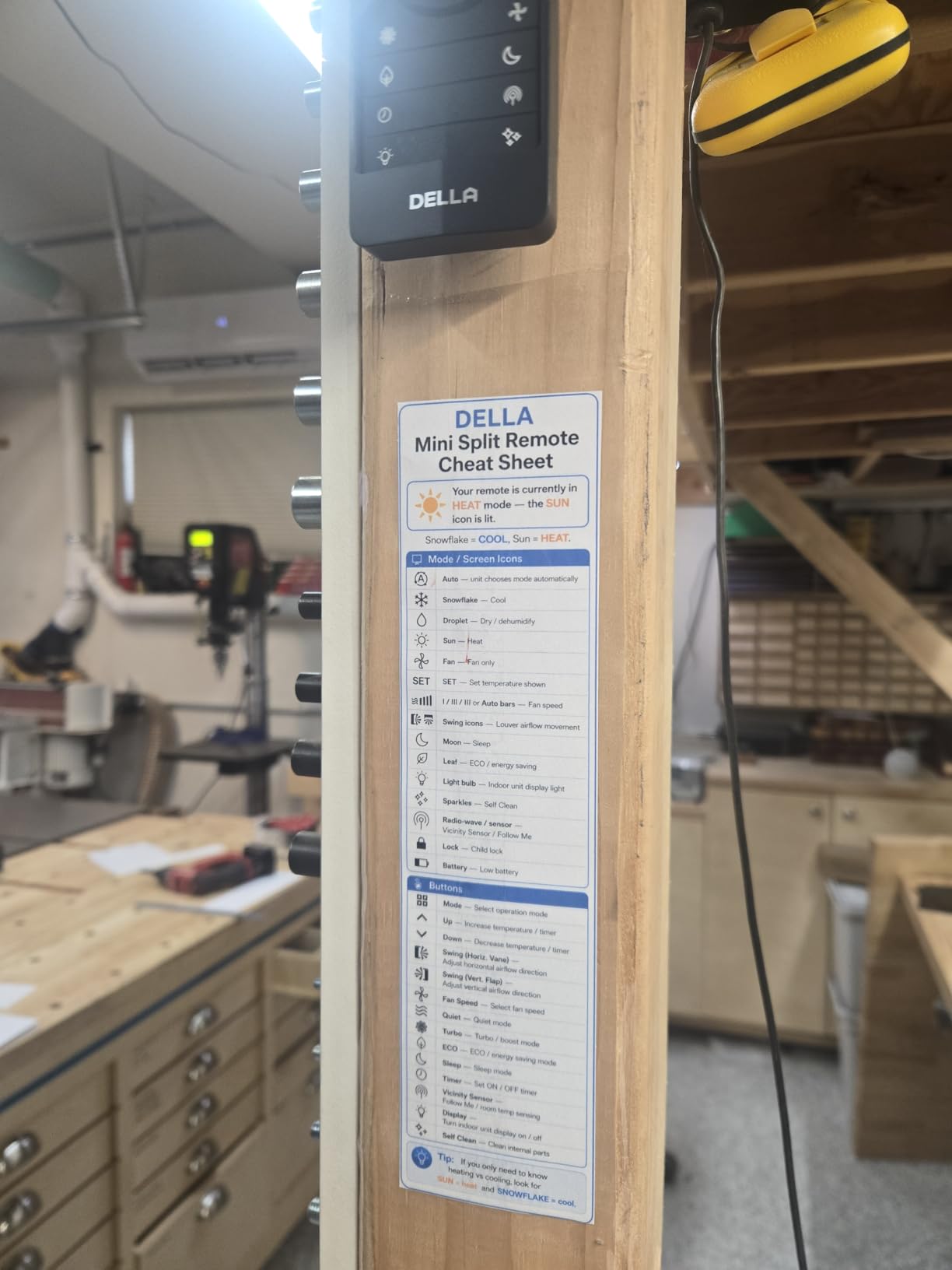
The -4F heating floor beats most standard-capacity systems in this list, which matters in a four-season space. Buyers put capacity ahead of everything else, and 4D airflow, I feel mode, a 24-hour timer, sleep, and eco cover the rest of the comfort picture.
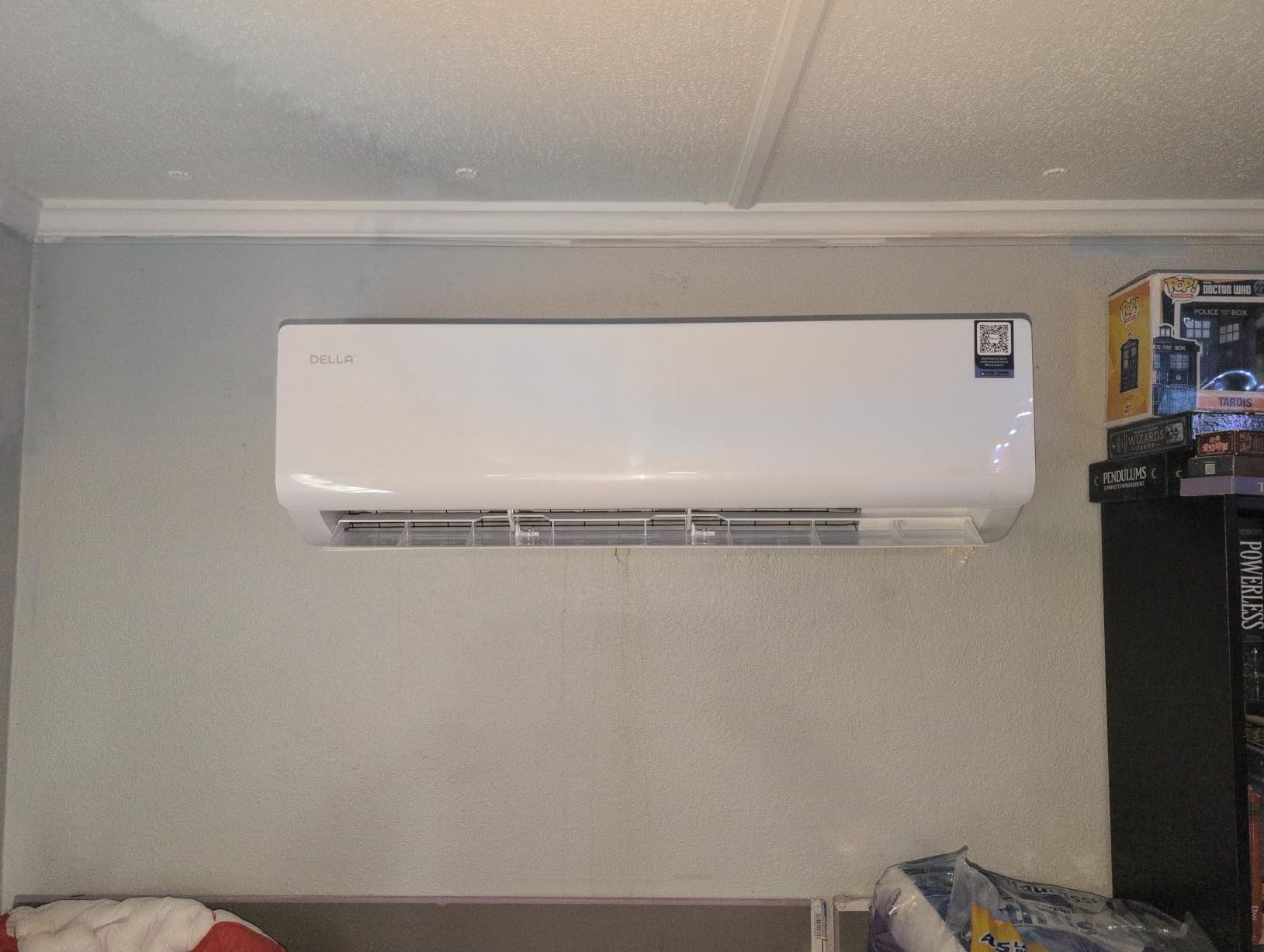
The install kit is unusually complete for this capacity, with 1/4 inch and 3/8 inch copper lines, a 78.7 inch drain pipe, and a listed maximum fuse size of 20A. The indoor head is rated at 32 dBa, quiet enough for a room you sit in while it works.
The limitation is not subtle. Professional installation is mandatory and the line set must be vacuumed, and if you change the length of the supplied lines the refrigerant charge has to be adjusted to match. Plan on a 230V branch circuit, since this is not a 120V system.
Who the Della Vario suits
A 300 to 400 sq ft glass room, an L-shaped sunroom, or one with a vaulted glass ceiling where a single 12,000 BTU head would run nonstop. It is also right for anyone who would rather pay a licensed installer once than troubleshoot refrigerant themselves.
Where the Della Vario falls short
It is the wrong tool for a small or shaded room. Running 18,000 BTU into a 150 sq ft north-facing sunroom is a straight path to short cycling, poor dehumidification, and a bill that undercuts the efficiency rating. Owners also note the head is larger than most in this capacity class, so check wall space and mounting height before you commit.
4. ROVSUN 9000 BTU WiFi – Best for a Small Shaded Sunroom
ROVSUN 9000 BTU Wifi Enabled Mini Split Air Conditioner & Heater with Inverter, 20 SEER2 Energy Saving 115V Ductless Split AC Unit with Pre-Charged Condenser, Heat Pump & Installation Kit
9000 BTU
0.75 ton
115V
4 Star BEE
28 dB
App control
Pros
- Cools small rooms quickly in extreme heat
- Virtually silent indoor and outdoor
- App plus Alexa and Google Assistant
- 16.4 ft copper lines in the kit
- Low entry cost for a complete system
Cons
- One year warranty is the thinnest here
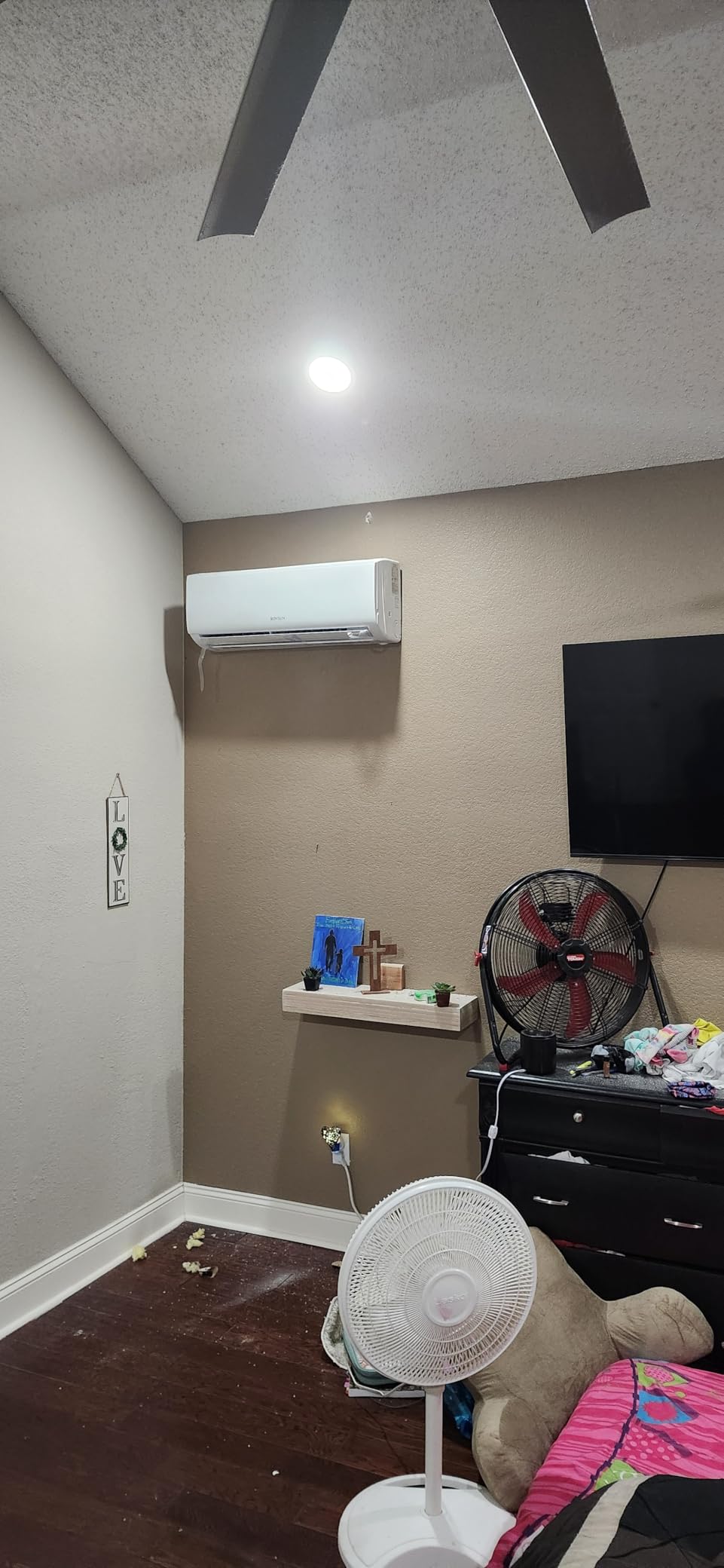
- Indoor head looks large for a 9000 BTU system
- One heavily upvoted humidity complaint in a sealed room
The ROVSUN is the small-room answer. It is a 9,000 BTU 0.75-ton inverter heat pump on 115V with a 4 Star BEE rating, a published operating range of 61F to 88F, and a 28 dB indoor rating. Buyers report it cooling small rooms and even garages quickly, including one who tested it against a 110F heat index, and several repeat buyers own more than one.
For a north-facing sunroom, a screened porch conversion, or a small breakfast nook with light glass, that capacity is the correct size rather than a compromise. The 16.4 ft copper lines and signal cord are in the kit, and 120V means no electrical upgrade to plan around.
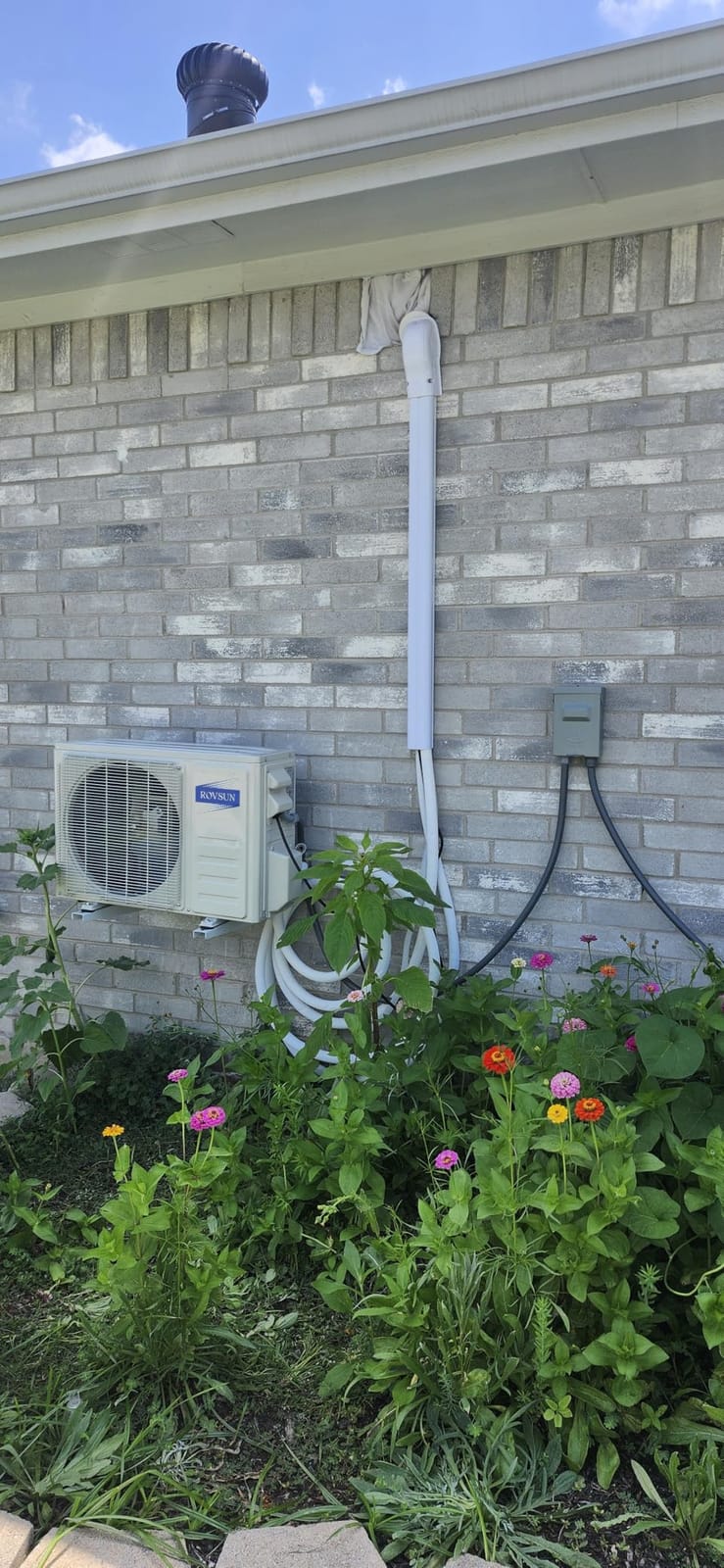
App and voice control through Alexa or Google Assistant work well, with routines so the room is conditioned before you get to it. ECO, sleep, four-way swing, dehumidify, fast cool, turbo, and auto-defrost cover the expected modes, and owners report roughly halving electricity use against window systems.
Here is the honest part. The one-year warranty is the thinnest in this group by a wide margin and is the main thing I would weigh against the low entry cost. The head also reads as visually large for a 9,000 BTU system, so measure your wall before assuming it fits where you want it.
Who the ROVSUN suits
A small, shaded sunroom in the 100 to 140 sq ft range where the glass faces away from direct afternoon sun, and a sensible second head for a divided sunroom, since two smaller systems often serve an L-shaped space better than one large system.
Where the ROVSUN falls short
It is not a winter heating answer. The published range of 61F to 88F is the coldest it is claimed to run, so a cold-climate four-season room rules it out. There is also a single heavily upvoted report of a mold and moisture problem in a sealed room with slow manufacturer response, one review rather than a pattern, but a fair reason to keep the room ventilated alongside the head.
5. YITAHOME 18000 BTU 19 SEER2 – Best for a Large Four-Season Room
YITAHOME 18000 BTU 19 SEER2 230V Inverter Mini Split AC Heat Pump WiFi
18000 BTU
1.5 ton
230V
19 SEER2
5F to 118F
25 dB sleep
Pros
- Wide 5F to 118F operating range
- 1250 sq ft coverage claim
- 7-in-1 mode set with iClean
- WiFi with Alexa and Google Home
- 5 yr parts and 7 yr compressor warranty
Cons
- Lowest rating in the group at 4.1
- 19 SEER2 trails the 21 SEER2 options
- Delivered across two boxes that may arrive separately
The YITAHOME is the pick for a big room that has to work in both seasons, and its spec sheet is the reason. It is a 1.5-ton 230V inverter system rated at 18,000 BTU with a 19 SEER2 efficiency figure and a listed operating range of 5F to 118F. Coverage is claimed up to 1,250 sq ft with airflow reaching 50 feet, useful in a long glass room.
The mode set is unusually rich: auto, cool, heat, dry, sleep, eco, fan, iFeel, a health mode with negative ions and PM2.5 removal, a 24-hour timer, four-way auto swing, and an iClean self-clean cycle. Sleep mode drops the indoor rating to 25 dB, among the quietest figures here.
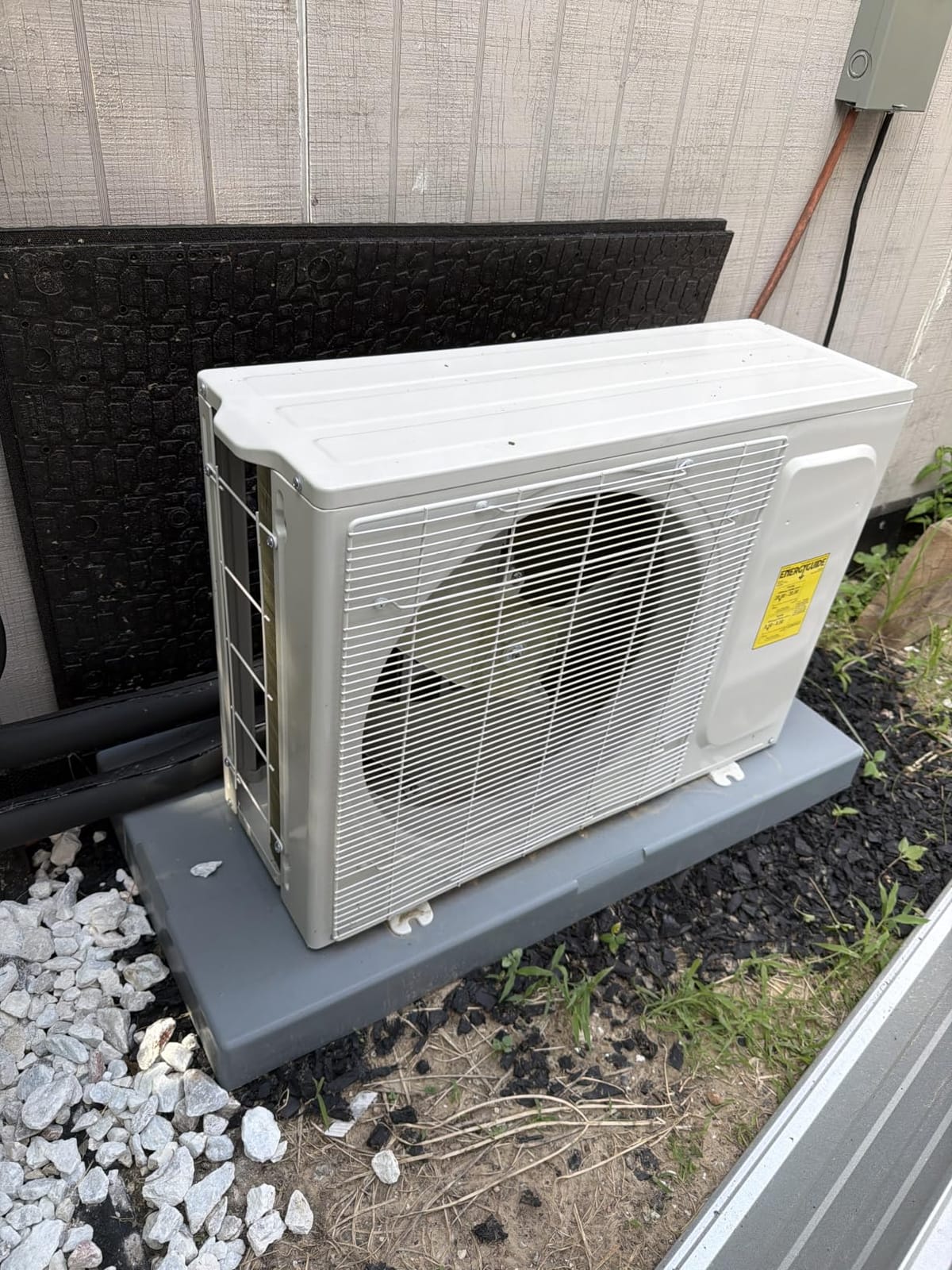
WiFi, Alexa, and Google Home are all supported, and the warranty is five years on parts and seven on the compressor, stronger than several cheaper systems in this roundup. Installation must be done by a licensed professional, and the kit arrives factory-sealed and pre-charged.
I want to be straightforward about the rating. A 4.1 average is the lowest of the eight, and the one-star share sits at 14%, which usually reflects a newer brand without a long field history rather than one specific defect. Owners with time on their units tend to describe capacity and the operating range as the strengths.
Who the YITAHOME suits
A 300 sq ft or larger sunroom that needs cooling in summer and usable heat in winter, on 230V service. The 5F heating floor makes it a better four-season option than the 9,000 and 12,000 BTU systems here, and the 50 foot airflow reach helps in a room with a long glass wall.
Where the YITAHOME falls short
19 SEER2 is a step down from the 21 SEER2 options, so you give up some efficiency for that capacity and cold-weather range, and in a room that runs all summer that difference shows up over multiple seasons. It also requires a licensed installer and a 230V circuit, and the two-box delivery can arrive on different days, which complicates a tight install schedule.
6. Cooper and Hunter 18000 BTU 19.2 SEER2 – Best for Big West-Facing Glass
Cooper & Hunter 18,000 BTU 230V Wall Mount Mini Split AC, 19.2 SEER2
18000 BTU
1.5 ton
230V
19.2 SEER2
30 dB
Heats to 5F
Pros
- Strong even airflow reaching the far wall
- Extremely quiet at a 30 dB rating
- UL listed ETL and AHRI certified
- Pre-charged with a 16 ft line set and drain extension
- Free US-based technical support
Cons
- Listing overstates features with no horizontal auto swing or working follow-me
- Warranty registration requires an HVAC license
- Freight delivery to a point outside the home
The Cooper and Hunter MIA Series is the one I would lean on for a west-facing room with a lot of glass and a long throw. Owners report airflow strong enough to reach the back of a 600 sq ft space without a ceiling fan, which is exactly the failure mode of a weak head in a sunroom. The 30 dB indoor rating sits at the quiet end of the group.
It is a 1.5-ton 230V inverter heat pump at 18,000 BTU with 19.2 SEER2 efficiency and heating down to 5F. R-454B refrigerant, a copper coil, five power levels, and an inverter compressor cover the mechanical side, and it is ETL Intertek approved, UL listed, and AHRI certified.
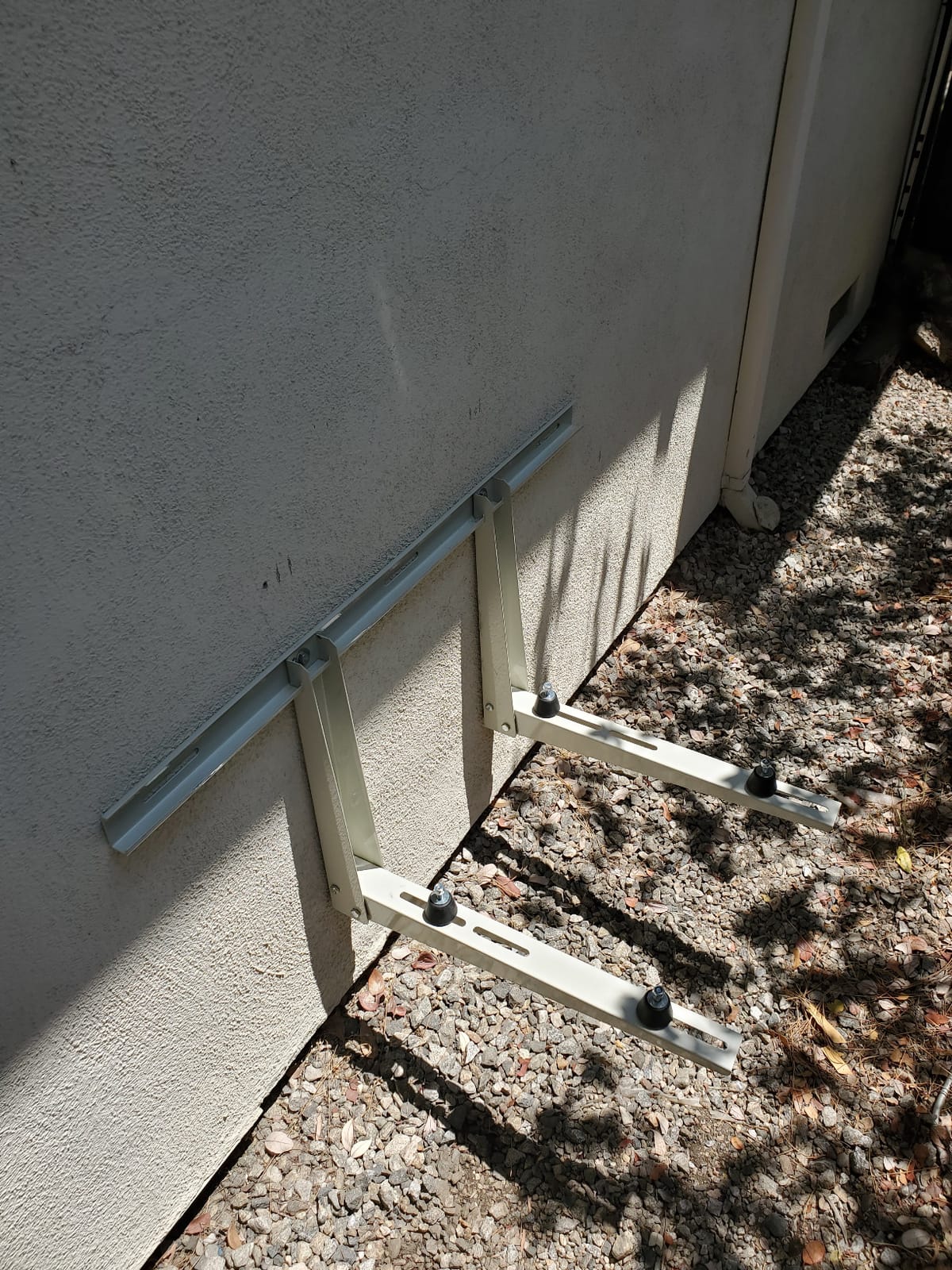
The install kit suits a pro job: a 16 ft pre-flared insulated copper line set, 16 ft of communication wire, a 16 ft drainage extension, and a smart port adapter for app control. Owners using it for cooling only report it is economical to run, and free US-based technical support helps when something needs diagnosis.
Two things temper that. The feature listing overstates what the system does, with buyers reporting no horizontal auto swing and no working follow-me function, so airflow is a fixed pattern rather than sensor-driven. That is a real trade in a large room where you would like the head to track the hottest corner.
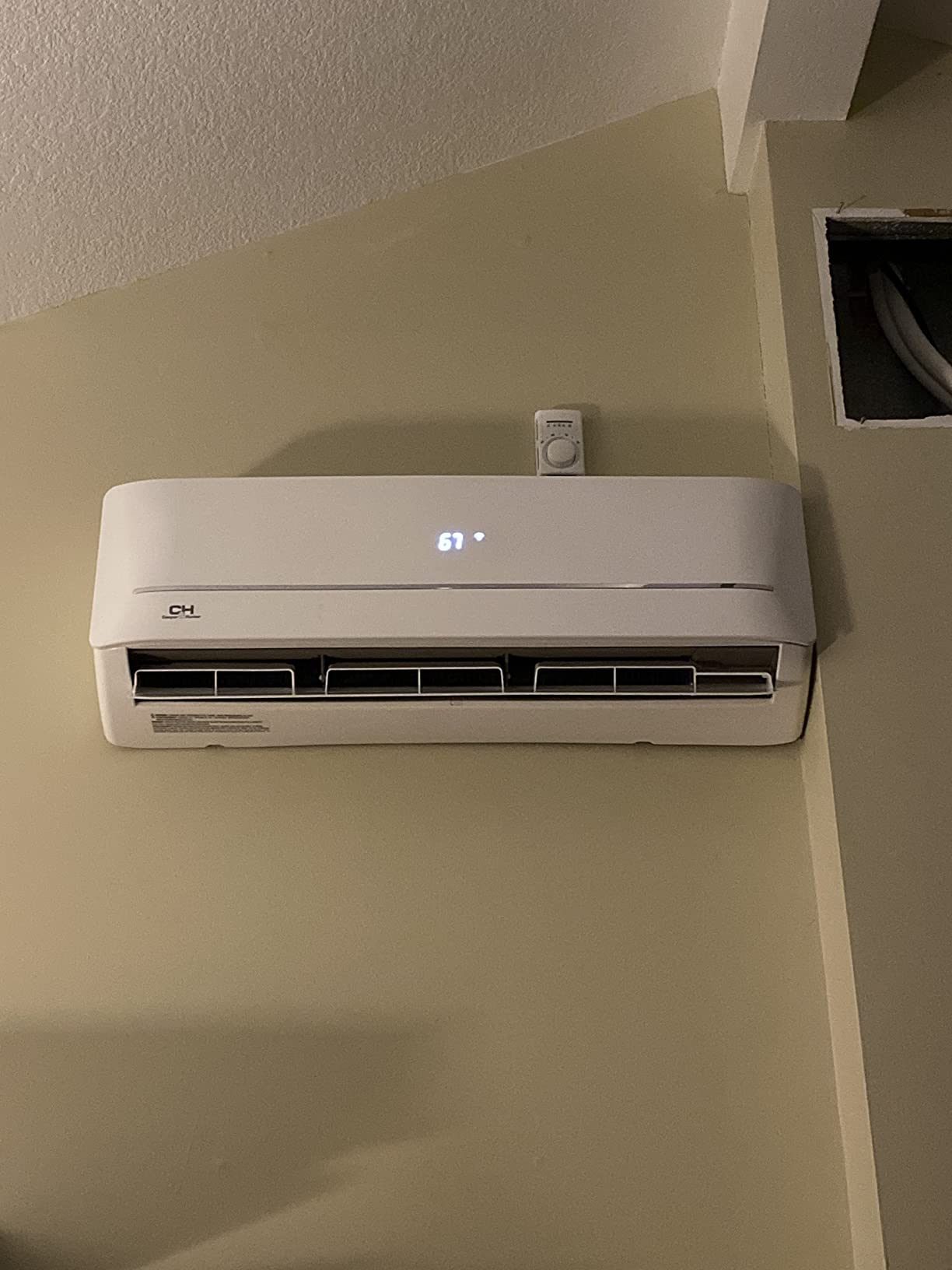
Who the Cooper and Hunter suits
A large west or south glass room, roughly 350 to 500 sq ft, where the priority is moving air across the whole space rather than clever sensing. It is also a sensible pick if you want a recognized certification set on paper for a permitting authority to check.
Where the Cooper and Hunter falls short
Warranty registration requires an HVAC license, so a self-installed system is not eligible. It also moves by freight to an accessible point outside the home, which needs coordination, and no remote control hanger is included. The missing horizontal swing means you should place the head carefully rather than assume it covers the room alone.
7. Mountman 9000 BTU 120V – Budget Pick for a Tight Electrical Situation
Mountman 9000 BTU Mini Split AC/Heating System,19 SEER2 110/120V Energy Efficient Ductless Inverter System,Cools Up to 450 Sq.Ft with Pre-Charged Condenser,Heat Pump & Installation Kits
9000 BTU
120V
19 SEER
26 dB sleep
R32 pre-charged
Pros
- Strong 9000 BTU cooling on 120V
- 26 dB in sleep mode
- Detailed manual with torque specs and vacuum steps
- Self-clean cycle and auto defrost
- Quick support response on wiring questions
Cons
- Short pipe lengths in the kit
- Reports of a broken flare and a punctured drain hose
- Non-standard harness colors on the 230V version
The Mountman is the budget route into cooling a sunroom, and its 9,000 BTU inverter capacity on 120V is genuinely capable. One owner cooled a 450 sq ft space from 95F and reported that it held temperature without hard running, and another used it through both seasons in a metal shop. For a small glass room with modest electrical service, that is the job.
Sleep mode drops the indoor rating to 26 dB, and the system has four fan speeds, eco, turbo, dry, and fan modes. It is pre-charged with R32 refrigerant, and the manual is unusually thorough for this price, with torque specifications, wiring diagrams, and step-by-step vacuum instructions.
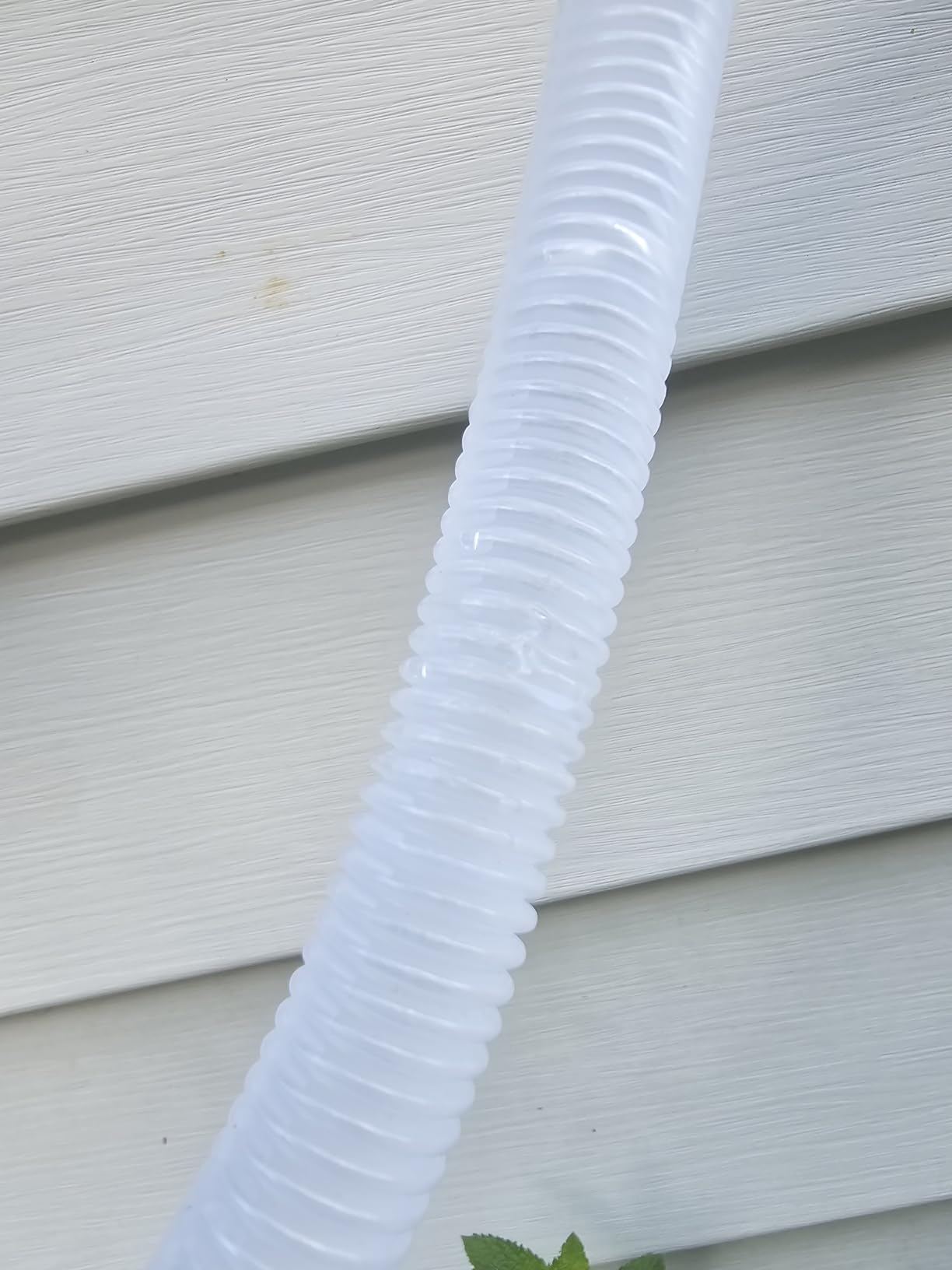
That manual matters more than it sounds. Pre-charged kits still need the lines vacuumed and held under vacuum to remove moisture, so a clear procedure is the difference between a clean commission and a system that struggles. Self-cleaning at high temperature, automatic defrost, and a washable anti-dust filter round out the maintenance side.
The quality complaints cluster around what arrives in the box. The included pipe lengths are short, and the 230V version has 9 ft metric lines. One buyer had a flare break off the end of the 6mm tube and had to re-flare it, and another reported a punctured drain hose and a system that would not shut off.
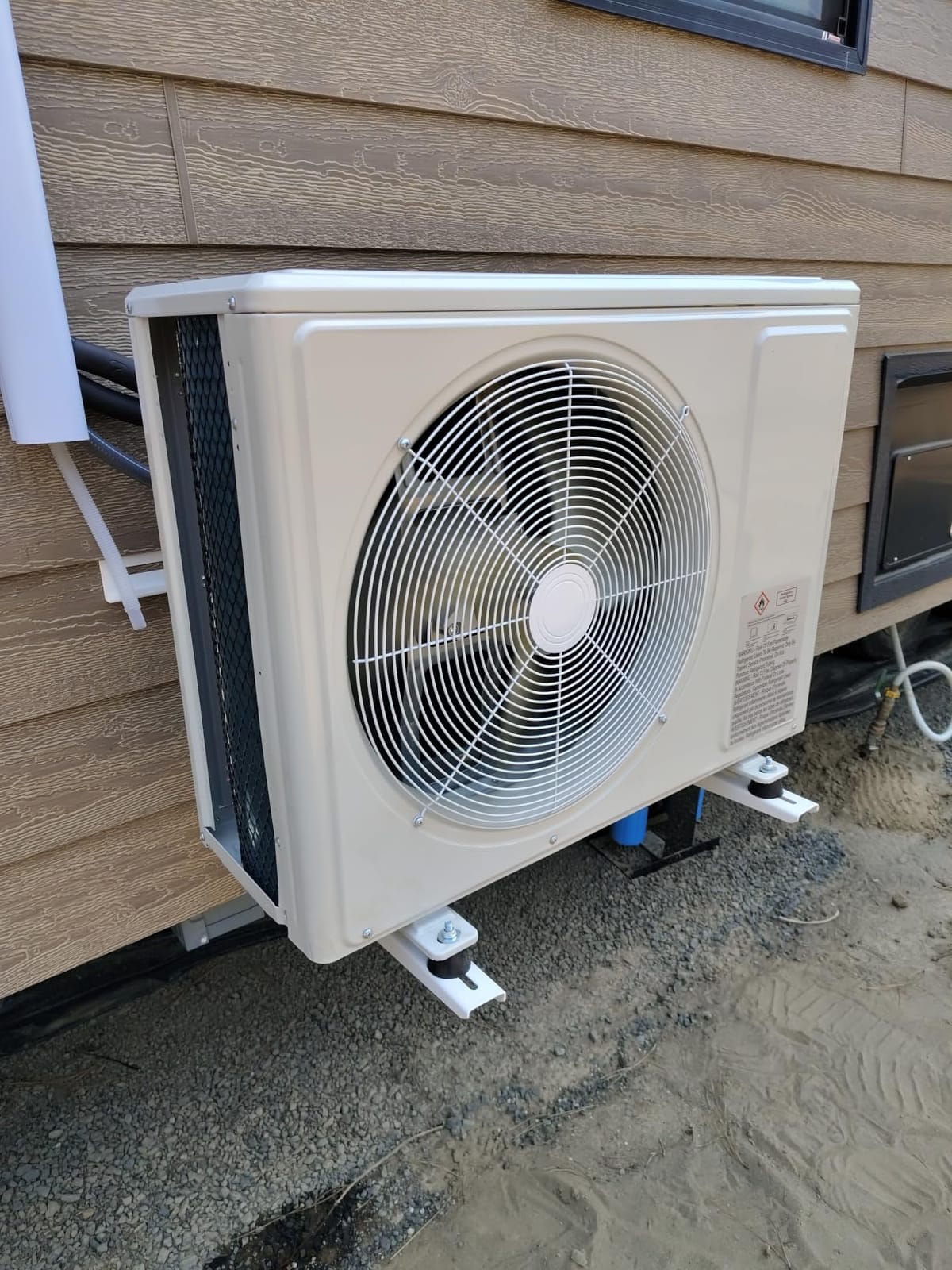
Who the Mountman suits
A small sunroom, sun porch, or converted garage in the 100 to 150 sq ft range where the electrical panel cannot spare a 230V circuit, and a sensible add-on head for a divided sunroom where two small systems in separate zones beat one trying to serve the whole footprint.
Where the Mountman falls short
The 9,000 BTU capacity is the ceiling. In a room with heavy west glass above roughly 180 sq ft it will run near continuously from mid-afternoon and never quite catch up, so do not stretch it to cover a big room. Budget for extra line set and fittings too, and if you are not comfortable re-flaring copper and vacuuming the system, this is not a do-it-yourself install despite the friendly manual.
8. Rellytech 18000 BTU 21 SEER2 – Best for Deep Winter Use
Rellytech Mini Split AC/Heating System 18000 BTU Heat Pump, 21 SEER2 230V
18000 BTU
21 SEER2
230V
-13F to 122F
32 dB
8 yr warranty
Pros
- Operates down to -13F for cold-climate rooms
- 21 SEER2 efficiency
- 8 year warranty with 24 hour service
- Generous install kit with 16 ft copper and drain pipes
- Digital display remote and holder included
Cons
- Power cord not included and licensed install required
- Delivered in two boxes
- Listing coverage figure is low for the capacity
The Rellytech is the cold-climate answer in this group. Its listed operating range runs from -13F to 122F, the lowest floor of the eight systems here, and if your sunroom needs to be usable in genuine winter that number is the most important spec on the sheet.
It is a 1.5-ton 208V to 230V inverter system at 18,000 BTU with 21 SEER2 efficiency, which the manufacturer puts about 30% above a standard 17 SEER2 model. R454B refrigerant, ETL and AHRI certification, and a 32 dB indoor rating complete the mechanical picture.
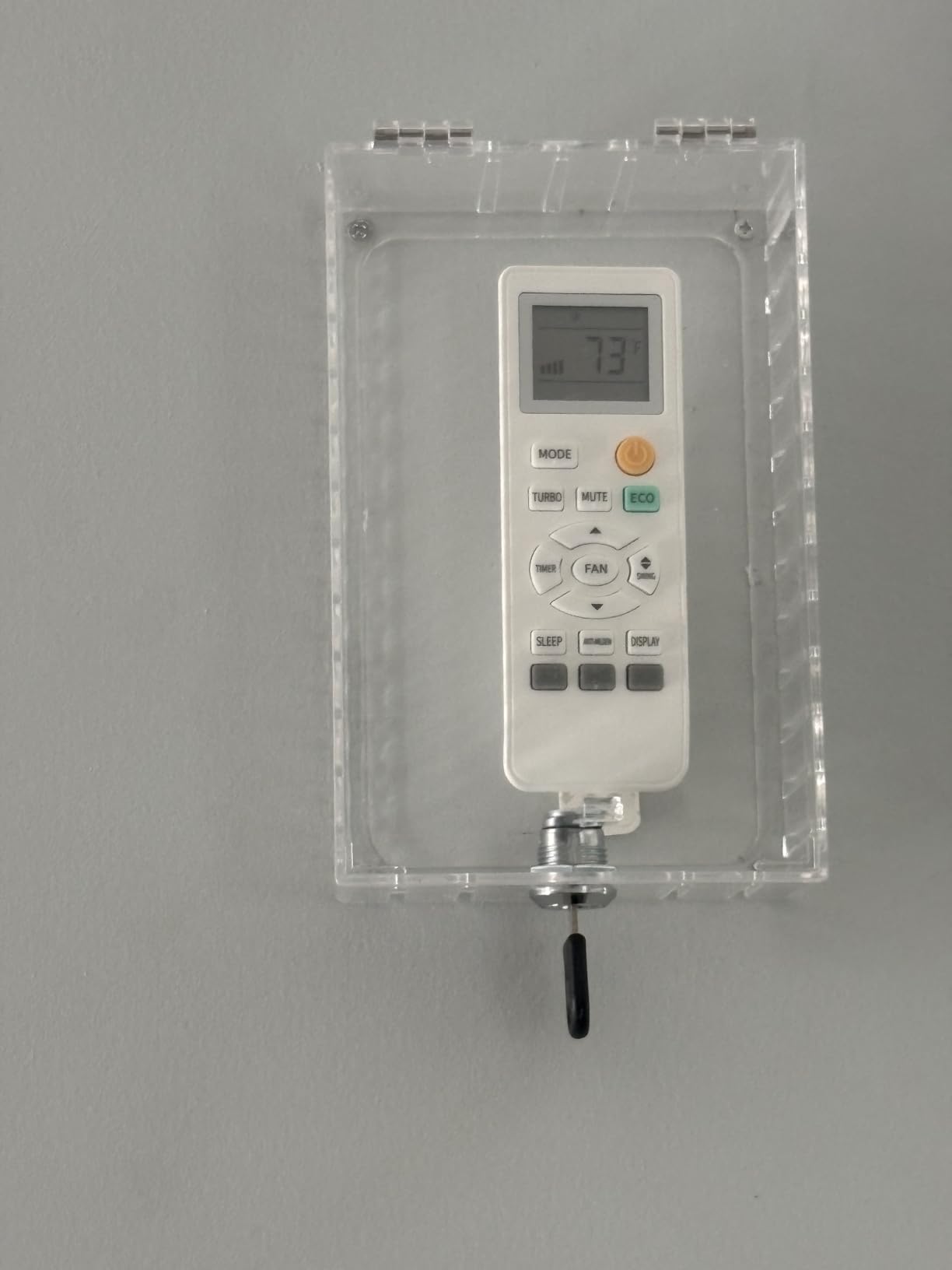
Control is through WiFi, an app, and a digital display remote that comes with its own holder. Modes cover cooling, heat pump, dry, and fan, with auto-defrost, a 24-hour timer, turbo, iFeel, sleep, silent, and eco.
The install kit is generous: 16 ft of copper pipe, a 19 ft connection cable, sleeve, sealing clay, insulation tape, 6 ft of drain pipe, an installation template, and mounting hardware. The eight-year warranty with 24-hour customer service is the longest coverage in this roundup, and the main reason I would choose it for a room that will run in winter.
Who the Rellytech suits
A four-season sunroom in a cold region where winter heating is a requirement rather than a bonus. Paired with 18,000 BTU of capacity and a -13F floor, it fits a large glass room that people expect to use from November through March, and the long warranty means something in a room used every day.
Where the Rellytech falls short
The power cord is not included and installation must be done by a licensed technician, which is a problem if you were pricing this against a kit you intended to put in yourself. The listing also claims coverage up to 750 sq ft for an 18,000 BTU system, a low number for that capacity that reads more like a copy error, and review volume is the thinnest here at under 350 ratings, so the long warranty has less track record behind it than the capacity claims.
Buying Guide: Cold Climate, Power, and the Install Decision
Cold climate ratings: what the numbers actually mean
A standard heat pump loses capacity as outdoor temperature falls, and most stop effectively heating somewhere around 5F. The list above runs from the ROVSUN, published for 61F to 88F, up through the Senville, YITAHOME, and Cooper and Hunter at 5F, the Della at -4F, and the Rellytech at -13F. If your sunroom is a summer space none of this matters; if it is a room you use in January, the low-temperature floor is the first filter to apply, before size.
115V vs 230V and the electrical work nobody mentions
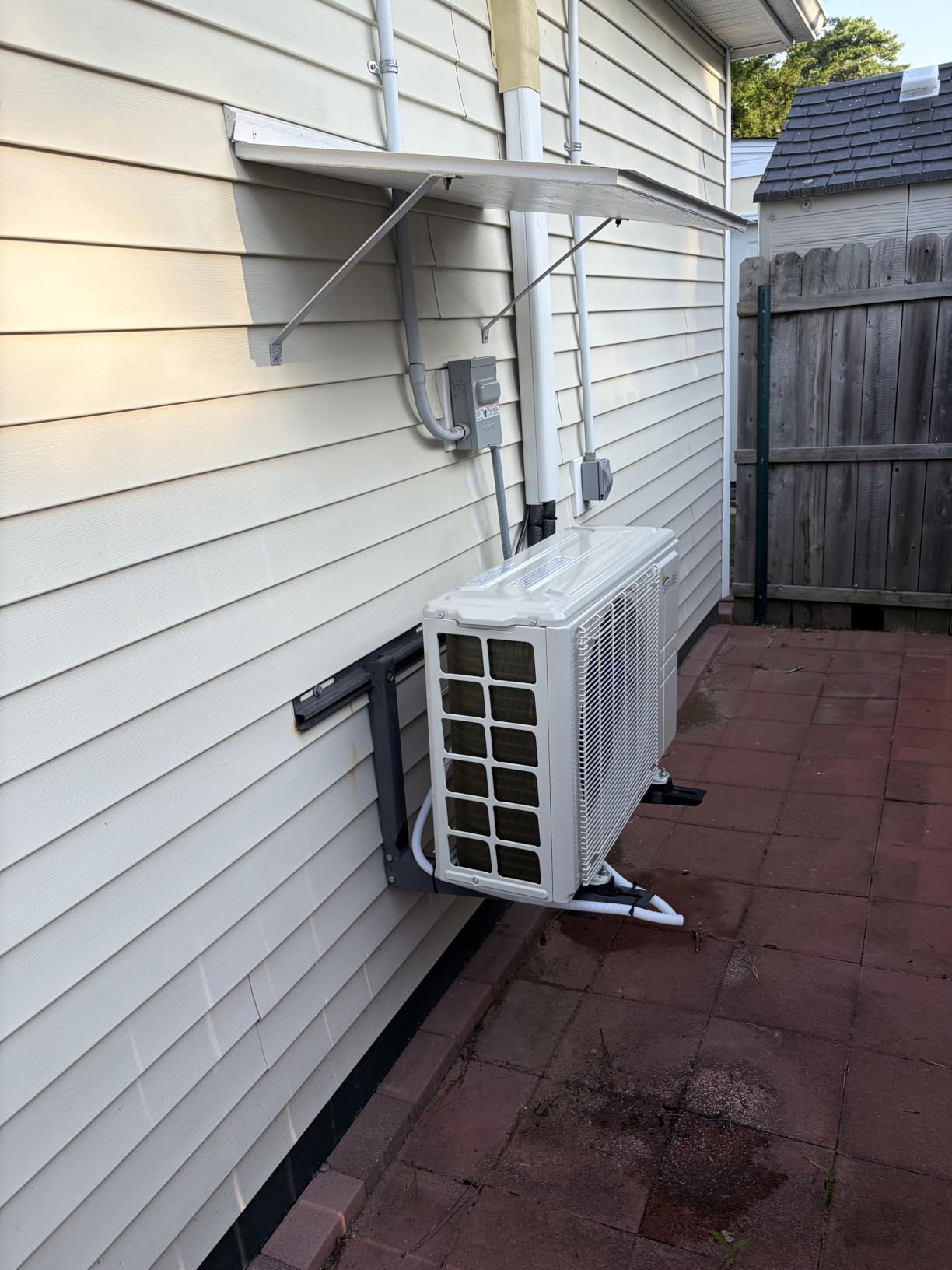
Every 9,000 and 12,000 BTU option in this roundup runs on 115V or 120V, and every 18,000 BTU option runs on 230V. That is not a small difference, because a 230V branch circuit usually means a new breaker, a run of new copper, and a permit, and electrical labor frequently exceeds the labor for the line set itself. If your sunroom already has a 20 amp 120V circuit with a disconnect nearby, the Senville, COSTWAY, ROVSUN, and Mountman drop in without further thought. If it does not, the electrical work can move you from a 1-ton system to a 1.5-ton system without changing your equipment budget.
Where the outdoor unit goes and how the condensate drains
Two details decide whether a sunroom install works, and neither appears on a product page. The condenser needs airflow and shade, so a west or south wall in full afternoon sun is the worst place for it; look for north, east, or a shaded side and keep clear space around the system. Every head also drains condensate through a short line, and in a finished room the routing is where installs get ugly. The line needs a continuous fall to a drain, a clean-out, and somewhere visible to check for a blockage, because a plugged line inside a ceiling or wall cavity is an expensive repair. Ask where that line goes before the drywall goes back up.
Shade the glass before you buy the equipment
An exterior shade outperforms an interior one by roughly two to one, because it stops the energy before it becomes heat rather than absorbing it and radiating it into the room. Solar heat gain coefficient is the number to shop on: single-pane glass commonly sits around 0.80, a coated low-E unit near 0.25, and spectrally selective film can move an existing pane closer to the coated end of that range. If shading drops your sizing math a tier, buy the smaller system. The savings show up every year you run it, not just on the day of the install.
One more point on multi-zone. An L-shaped or divided sunroom is often better served by two smaller heads on separate zones than by one larger head trying to serve two spaces with different sun exposure. That is a conversation to have at the sizing stage, because a two-zone layout carries a different cost and control structure than a single-zone one.
Frequently Asked Questions
Can you put a mini split in a sunroom?
Yes. A ductless mini split is one of the few systems that can condition a sunroom, because it moves heat rather than recirculating air through ducts. It works in a three-season or four-season room as long as you size it for glass, meaning roughly 30 to 50 BTU per square foot rather than the standard 20. Shading the glass first will shrink the system you need.
What size mini split do I need for a sunroom?
Plan on 30 to 50 BTU per square foot of floor area instead of the standard 20 BTU per square foot, because glass has an R-value near 1.0 against insulated walls at R-13 to R-21. Measure the floor, count the glass, and note the orientation. A 150 sq ft west-facing room usually needs about 9,000 BTU, a 200 sq ft south-facing room about 12,000 BTU, and 300 sq ft or more usually needs 18,000 BTU.
How much does it cost to install a mini split system in a sunroom?
The cost splits into equipment, line set, electrical work, and labor, and the last three can rival the equipment. A pre-charged 115V system in a room with existing power is the cheapest path. A 230V system may need a new breaker and copper run, and a professional install requires the lines to be braze-and-vacuumed. Get the electrical and line set priced separately from the equipment so the labor is not buried.
Is it better to undersize or oversize a mini split?
Neither, if you can avoid it. An undersized head in a west-facing sunroom never recovers during the afternoon peak and runs near constantly. An oversized head hits short cycling, switches the compressor on and off, wastes electricity, and dehumidifies poorly. If your math lands in the 13,000 to 15,000 BTU gap, go with a smaller efficient system plus better shading, or split the room into two zones.
What are the disadvantages of a 12000 BTU mini split?
The main limitations are heat pump performance in deep cold, a hard ceiling on room size, and electrical requirements. Most 12,000 BTU systems run on 115V or 120V, which is an advantage for electrical reasons, but their heating output weakens below roughly 5F. They also cannot cover a heavily glazed room above about 250 sq ft, where solar gain exceeds what the compressor can pull out.
Which Mini Split Fits Your Sunroom in 2026
For most wired sunrooms, the Senville LETO 12000 BTU is the pick I would defend, because it pairs a deep review history with 110V wiring and quiet operation. The COSTWAY 12000 BTU is the value answer when the room is hot and the budget is firm. Go to 18,000 BTU with the Della Vario or the Cooper and Hunter when the glass area is large, and choose the Rellytech or the YITAHOME when the room has to work through real winter.
Whatever you pick, size it at 30 to 50 BTU per square foot, shade the glass before you order, and find the condenser a shaded wall away from the worst afternoon sun. Those three decisions do more for your comfort in 2026 than any brand logo on the box.